
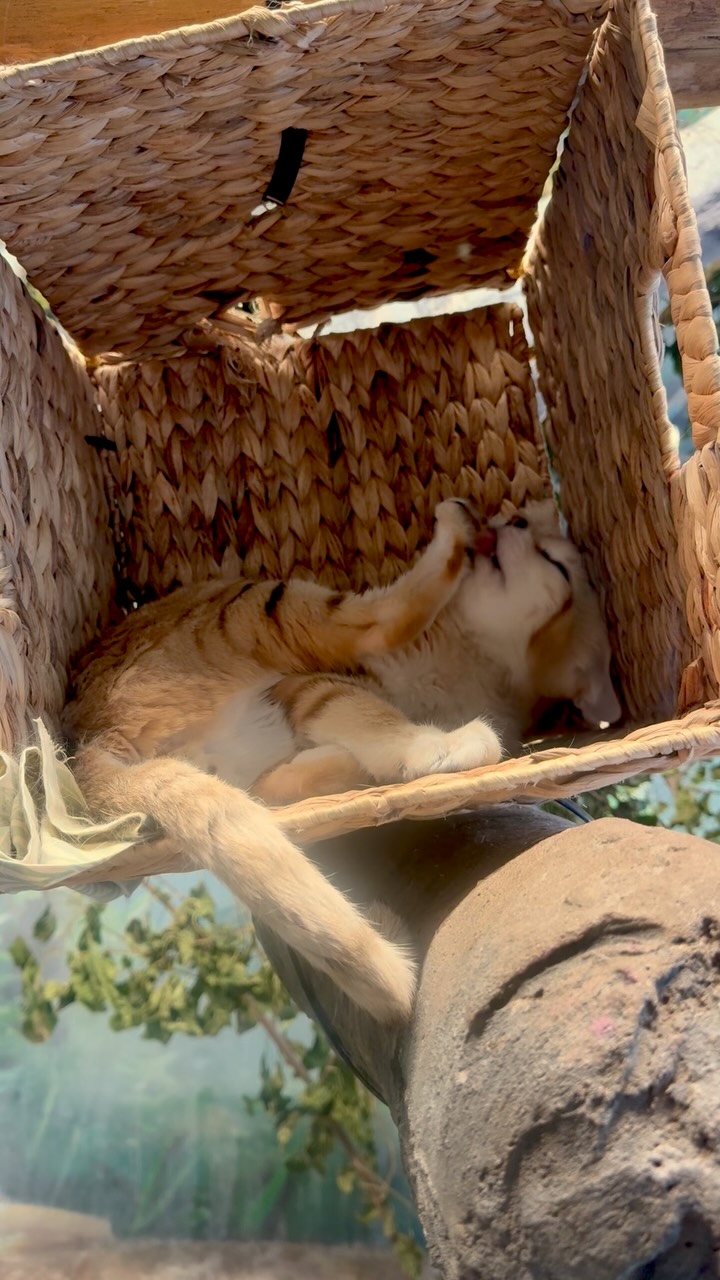
- Sand cat behavior and grooming habits
- Adaptations for desert life
- Hunting strategies and dietary preferences
- Conservation status and efforts
- Role in desert ecosystems
Sand cats, scientifically known as Felis margarita, are small wild cats that inhabit desert regions in North Africa and parts of Asia. Their charming behavior, particularly observed when they clean their toes, highlights both their unique adaptations and grooming habits. These cats possess thick fur on the soles of their feet, a feature designed to protect them from extreme temperatures and harsh terrain. Let’s explore how these adaptations enable sand cats to thrive in their unforgiving habitats.
Understanding the behavior of sand cats reveals much about their grooming habits. Cleaning their paws is essential for maintaining hygiene and comfort. Sand cats, like many other feline species, groom themselves regularly. This behavior helps remove debris and parasites, while also distributing oils throughout their fur to keep it healthy. Their feet, crucial for their mobility on hot sand, require extra attention. It is fascinating to observe how the cleaning routine evolves into a spectacle of agility and attention.
The adaptations of sand cats go beyond grooming. Living in the desert necessitates physiological adaptations for temperature extremes. Their thick fur insulates them against both the scorching heat of the day and the cool nights. Furthermore, their fur’s coloration — light beige to yellowish — provides camouflage in their arid environment, blending seamlessly with the sandy terrain.
Sand cats also have wide feet with furry pads. This adaptation allows for better weight distribution on the soft sands, preventing them from sinking. These physical characteristics are essential for traveling long distances in search of food, ensuring they can hunt effectively during the cooler parts of the day or night.
Hunting strategies for sand cats reflect their adaptability. They primarily feed on small mammals, birds, and reptiles. Their hunting techniques vary based on the type of prey and environment. Sand cats are known for their ability to stalk silently, using their keen senses to detect movement. They often dig for rodents hidden in burrows, showcasing their formidable hunting skills. This skill set allows them to be efficient hunters even in the challenging conditions of their native habitat.
When it comes to their diet, sand cats exhibit opportunism, adapting their feeding habits based on availability. They are primarily nocturnal hunters, taking advantage of cooler temperatures. Their diet can vary significantly depending on their environment and the season. This flexibility in feeding behavior is critical for their survival, especially as competition for food can be fierce in the desert landscape.
Understanding the conservation status of sand cats is essential for wildlife enthusiasts and conservationists. Currently, sand cats are classified by the International Union for Conservation of Nature (IUCN) as Least Concern, but this status could change due to habitat loss and hunting pressures. Urban expansion, agriculture, and human interference pose serious threats to their populations.
Conservation efforts focus on protecting their natural habitats and reducing human-wildlife conflict. Educational programs that raise awareness about the ecological role of sand cats are essential. These cats contribute greatly to controlling rodent populations, which, if unchecked, can lead to devastating consequences for vegetation and soils in desert ecosystems.
Sand cats play a vital role in their ecosystems. They help maintain the balance of prey and predator relationships in their habitats. By controlling rodent populations, they indirectly support plant life and biodiversity. Protecting sand cats therefore extends beyond their species; it safeguards the interdependent web of life in which they exist.
A deeper understanding of sand cats highlights their significance in desert ecology and the need for continued conservation efforts. Through educational initiatives and habitat protection, we can help secure a future for these remarkable animals and the environments they inhabit. Each observation of a sand cat, whether it’s cleaning its toes or skillfully hunting in the wild, reinforces the extraordinary adaptations that allow it to survive and thrive.
By appreciating and respecting these creatures, society can contribute positively to a conservation legacy. It is crucial to foster a culture that values wildlife and promotes sustainable practices in our interactions with the natural world. As we gain insights into the lives of sand cats and the challenges they face, we can better advocate for their protection and the preservation of their habitats.
Sand cats exemplify survival in the harshest conditions on Earth. Their adaptations and behaviors provide invaluable lessons in resilience, a quality that should inspire humans to respect and protect the natural ecosystems that support life. Their grooming rituals, striking adaptations for desert survival, and vital role in the ecosystem serve as a reminder of the intrinsic value of all species.
Observing a sand cat cleaning its toes is more than just an entertaining sight; it is an invitation to understand the complexities of wildlife management, animal behavior, and conservation challenges. By sharing knowledge about sand cats, we can foster a greater appreciation for the nuances of desert ecosystems. Each action taken to protect sand cats echoes into the wider realm of wildlife conservation, affecting not just their survival but the survival of numerous other species that share their habitats.
*****
Source Description
Take a few moments to watch one of our sand cats clean his toes! Sand cats have thick fur on the bottoms of their feet to protect them from the extreme temperatures of their native desert environment. The fur also protects their feet when they’re hunting or when they dig burrows.
