
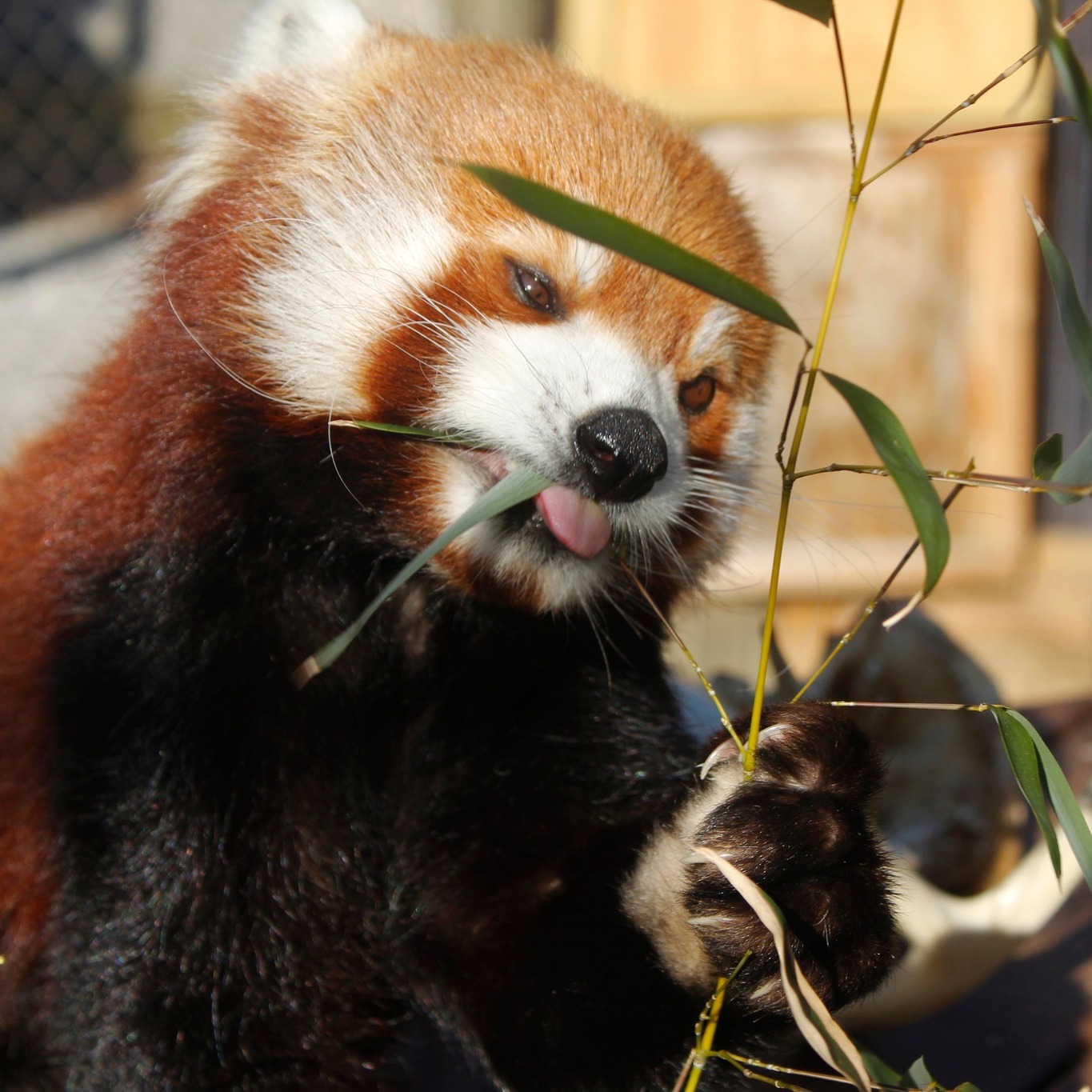
- The importance of supporting local agriculture and businesses
- Insights into wildlife conservation and the role of zoos
- Highlights of the featured vendors at the farmers market
- The educational opportunities available during the event
- How participation benefits global conservation initiatives
The connection between agriculture, local businesses, and environmental stewardship is increasingly significant in today’s society. Events like the “We’ve got farm fresh fun at the Zoo” take this connection to heart. By supporting local farmers and artisans, attendees contribute to sustainable practices that promote biodiversity, healthy ecosystems, and community strength. This approach not only contributes to the local economy but also fosters a sense of community and connection with the land.
Zoos have evolved from mere facilities for animal display to integral institutions in the fight for wildlife conservation and education. They play a pivotal role in raising awareness about endangered species and the declining health of ecosystems worldwide. By hosting an event that combines fun with a focus on local agriculture, zoos highlight their commitment to conservation efforts that encompass both fauna and flora. Attendees at the farmers market not only enjoy the vibrant produce but also learn about the broader implications of sustainable farming and conservation.
The farmers market on July 16 showcases a variety of vendors, including @thegentryhomestead, @elsea_and_co, @alittlebookishshop, and @beth.farms from @thebethlehemcenter. Each of these vendors provides something special that reflects local culture and craftsmanship. For instance, @thegentryhomestead offers organic vegetables and artisanal goods, bringing fresh flavors to the table. Every booth conveys a story—an innovative practice or a commitment to sustainability that invites the public to engage with their surroundings meaningfully. The inclusion of vintage clothing and art also emphasizes a culture of sustainability through recycling and mindful consumerism.
Attending the farmers market is included with general admission to the zoo, allowing families to transform their day into an expanded experience. While parents pick up locally sourced fruits and vegetables, children can learn about the importance of healthy eating and biodiversity. Knowledge gained at the market can inspire lifestyle changes within families and cultivate an appreciation for sustainable practices in younger generations. This educational aspect aligns well with the missions of both farmers and zoos—caring for the planet and promoting a legacy of stewardship.
Surrounding the farmers market, the zoo offers a vast landscape of educational opportunities. Attendees can explore various animal exhibits that promote knowledge about wildlife conservation and the need to protect natural habitats. Workshops or talks may be scheduled to deepen the understanding of the intersection between local farming practices and global biodiversity challenges. For instance, a discussion on how sustainable agriculture can mitigate the effects of climate change could captivate audiences and provoke thoughtful dialogue.
Local and global conservation efforts are directly supported through the proceeds from events like these. The funds generated do not only benefit the vendors but also contribute to various initiatives aimed at preserving endangered species and restoring habitats. These conservation projects are vital, as many animal species today face extinction due to habitat loss, climate change, and human activities. By participating in the farmers market, each visitor helps fuel these important efforts.
Furthermore, local conservation programs often focus on education as a tool for outreach. Granting access to educational resources—whether through pamphlets, workshops, or direct interactions with specialists—can empower community members to adopt sustainable practices at home. Utilizing resources such as gardens, parks, and even local farms not only supports individual health but also nurtures environmental health, creating a win-win scenario.
The synergy between local agriculture and zoo conservation conveys a strong narrative about collective responsibility. Both farmers and zoos strive for a vision of a sustainable future where communities thrive in equilibrium with nature. By engaging with both farmers and wildlife, attendees might find inspiration to alter their consumption habits or become advocates for local conservation efforts.
The farmers market isn’t just a place to shop; it’s an educational hub. Workshops may include everything from canning techniques to composting at home, promoting versatility in sustainable practices. Such events can motivate individuals to embrace home gardening or support local growers. When children see how food is grown, they learn essential lessons about nutrition which may encourage healthier eating habits.
One innovative aspect of the event is the emphasis on specialty drinks, chosen with care to reflect local flavor profiles. From freshly pressed juices to herbal teas, these beverages are not just delicious but also represent the diversity of regional agriculture. They showcase the vibrancy of local flora and celebrate the work of farmers who grow seasonal crops. Attendees gain a multi-sensory experience that intertwines parts of their community and environment.
Another critical focus of the farmers market is the community aspect it fosters. Attending an event like this encourages social interaction among community members. Sharing experiences, stories, and knowledge creates a network of people passionate about sustainable living. This communal aspect is vital, as strong community ties often lead to collective action, whether through participating in local clean-ups or advocating for wildlife conservation policies.
The partnership between local businesses and conservation extends beyond immediate sales. Local farmers are typically more invested in environmentally sustainable practices than larger agricultural enterprises. Many engage in rotating crops, using organic fertilizers, and integrating pest management strategies that avoid harmful chemicals. By supporting these vendors, the community empowers sustainable agriculture and promotes practices that mitigate environmental degradation.
When it comes to awareness-building, zoos are positioned uniquely. They are not only responsible for showcasing animals but also raising consciousness around ecological challenges. Features such as educational signage and interactive exhibits inform visitors, creating a holistic understanding of local and global ecosystems. The farmers market adds another layer by linking human agriculture with animal welfare, illustrating how intertwined the fabric of biodiversity truly is.
This event serves as a microcosm for larger environmental issues. It highlights the importance of consumer choices and their impacts on ecosystems. Each purchase made at the farmers market has a ripple effect—supporting farmers who prioritize ecological integrity rather than practices that deplete natural resources. By fostering this connection, attendees are more likely to consider the broader implications of their choices.
Visitors should also consider that supporting local businesses reduces carbon footprints associated with transportation. Seasonal produce travels shorter distances than items shipped from around the globe, minimizing greenhouse gas emissions. By participating in the farmers market, individuals contribute to lower energy expenses and waste, creating a cleaner environment for future generations.
In addition, the concept of “food sovereignty” is an essential principle that comes into play. It refers to the right of communities to access healthy and culturally appropriate food produced through ecologically sound and sustainable methods. By promoting local produce through the farmers market, zoos help reclaim this vital aspect of food culture. Attendees are given choices that align with their values and needs while also fostering a sense of connectedness to the land.
The “We’ve got farm fresh fun at the Zoo” highlights how zoos can bridge gaps between wildlife education, local agriculture, and community health. It showcases the immeasurable value of engaging with local vendors while promoting both human and ecological well-being. It encourages families to explore sustainable practices together, fostering habits that can carry through generations.
To find out more about this exciting event and its contributing vendors, attendees can tap the link in the zoo’s bio and select the “Special Events” option. The breadth of experiences available showcases a commitment to fun, education, and community engagement. Attending the farmers market not only provides the opportunity for an enjoyable day but also empowers individuals to participate in something larger than themselves—contributing to conservation, supporting local economies, and championing the future of sustainable agriculture.
*****
Source Description
We’ve got farm fresh fun at the Zoo next week! 🥦🍅
On July 16 from 10 a.m. to 3 p.m., we’re hosting a farmers market with locally grown produce, art, specialty drinks, books, vintage clothes and more for sale. Vendors include @thegentryhomestead, @elsea_and_co, @alittlebookishshop, @beth.farms (@thebethlehemcenter) and many more!
Proceeds benefit local businesses and a variety of local and global conservation efforts. A visit to the farmers market is included with Zoo general admission, so you can make a whole day of it!
Tap the link in the bio and select “Special Events” to learn more!
