
- Overview of KSDB Planting Day and its significance in zoo management and wildlife conservation.
- Role of zoology and habitat restoration in these conservation efforts.
- Integration of community involvement and education in conservation activities.
- Impact of these initiatives on local ecosystems and wildlife populations.
- Future challenges and potential advancements in conservation strategies.
KSDB Planting Day is a prominent initiative dedicated to restoring and preserving natural habitats through strategic planting efforts. This event is a quintessential example of how modern zoo management and wildlife conservation intersect, offering insights into current practices and future directions. Essential to this initiative is the collaboration between zoologists, conservationists, and the community, all working with a shared goal of enhancing biodiversity and ecosystem health.
Zoology and Habitat Restoration
In KSDB Planting Day, the role of zoology is pivotal. Zoo management becomes an active player by not only taking care of captive animals but also contributing to broader conservation goals. Zoologists and botanists collaborate to identify plant species crucial for local ecosystems. They consider the dietary needs of native wildlife and the ecological functions that various plant species fulfill.
These professionals conduct exhaustive surveys and research to inform planting strategies. By understanding animal behavior, nutrition, and ecology, they select flora that will provide food, shelter, and breeding sites. This attention to detail aids in developing self-sustaining habitats that support both specific animal species and overall biodiversity. The work essentially extends the zoo’s mission beyond its physical boundaries, using zoological expertise to influence regional conservation positively.
Community Involvement and Education
KSDB Planting Day is as much about conservation as it is about community involvement. The inclusion of local communities plays a crucial role in the initiative’s success. Educational outreach programs and workshops are held, aiming to instill a deeper understanding and respect for local ecosystems. Volunteers from various backgrounds contribute to planting efforts, learning hands-on about the significance of biodiversity.
These educational components foster a sense of stewardship among participants. By engaging diverse groups, the initiative not only enhances ecological knowledge but also builds a community invested in sustainable practices. This collective effort results in a more informed public, capable of advocating for and contributing to conservation efforts. It underlines the idea that successful wildlife conservation is a shared responsibility.
Impact on Ecosystems and Wildlife
The impact of KSDB Planting Day extends to tangible improvements in local ecosystems. Restored habitats lead to increased biodiversity, providing safer environments for various animal species. For instance, reintroducing native plant species can stabilize soil, reduce erosion, and improve water quality, all factors that contribute to healthier ecosystems.
Moreover, such initiatives often lead to the return of wildlife previously displaced by habitat loss. By creating inviting environments, native fauna, including birds, insects, and mammals, are encouraged to recolonize these areas. These efforts can often observe a chain reaction, where the increase in prey populations supports higher trophic levels, including predators, thus balancing the ecosystem.
Future Challenges and Advancements
Despite the progress, KSDB Planting Day and similar initiatives face numerous challenges. Climate change, habitat fragmentation, and invasive species all pose significant threats to conservation efforts. Addressing these issues requires adaptive management strategies that incorporate cutting-edge research and technology.
Emerging technologies, such as drone mapping and genetic analysis, offer new ways to monitor ecosystem changes and identify areas of concern efficiently. These tools can enhance the precision of conservation efforts, allowing for more targeted and effective planting strategies.
Sustaining these projects long-term will require ongoing funding and public interest. Advocacy and policy changes that support environmental conservation will be crucial. Additionally, future advancements will likely hinge on interdisciplinary collaboration, merging insights from ecology, genetics, climate science, and community planning.
KSDB Planting Day exemplifies how zoo management functions as a catalyst for broader conservation initiatives. It highlights the interconnectedness of zoology, ecosystem health, and human communities. By focusing on habitat restoration and community engagement, this initiative underscores the potential for collective action to effect meaningful ecological change. The ongoing success of such projects will determine the resilience of our ecosystems in the years to come, shaping a sustainable future for wildlife and humanity alike.
*****
Source Description
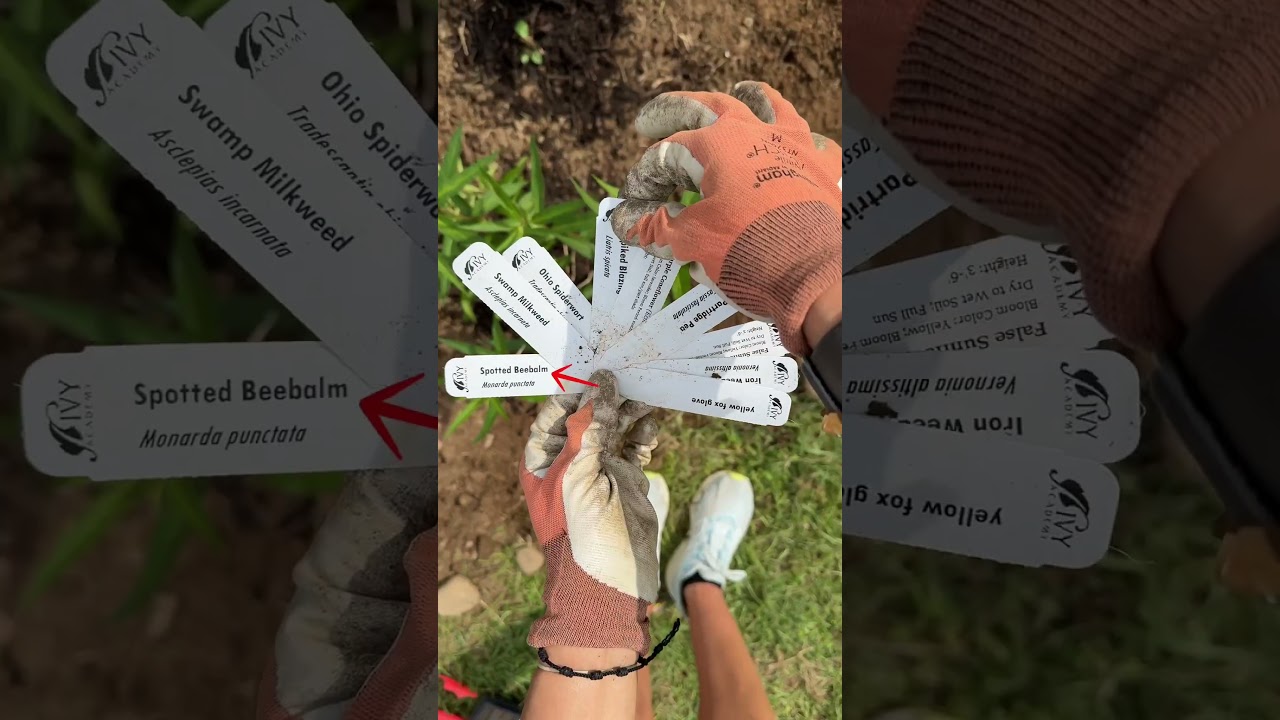
Two weeks ago, we teamed up with our friends at Soddy Daisy & Ivy Academy to plant over 690 native plants! 🌱
Thanks to the KSDB Blossoms program and a grant from the Tennessee Department of Transportation (TDOT) , we’re thrilled to collaborate with the community to create a thriving pollinator paradise for bees and butterflies!
Next time you’re cruising north on Highway 27, be on the lookout for this pollinator garden. It’s the first sight you’ll see driving through Spring City, and it’s absolutely buzz-worthy! 🐝
#tennesseeaquarium #chattanooga #springcity #soddydaisy #pollinatorgarden #nativeplants #tennessee #tdot #gardens #forthebees #pollinators
