
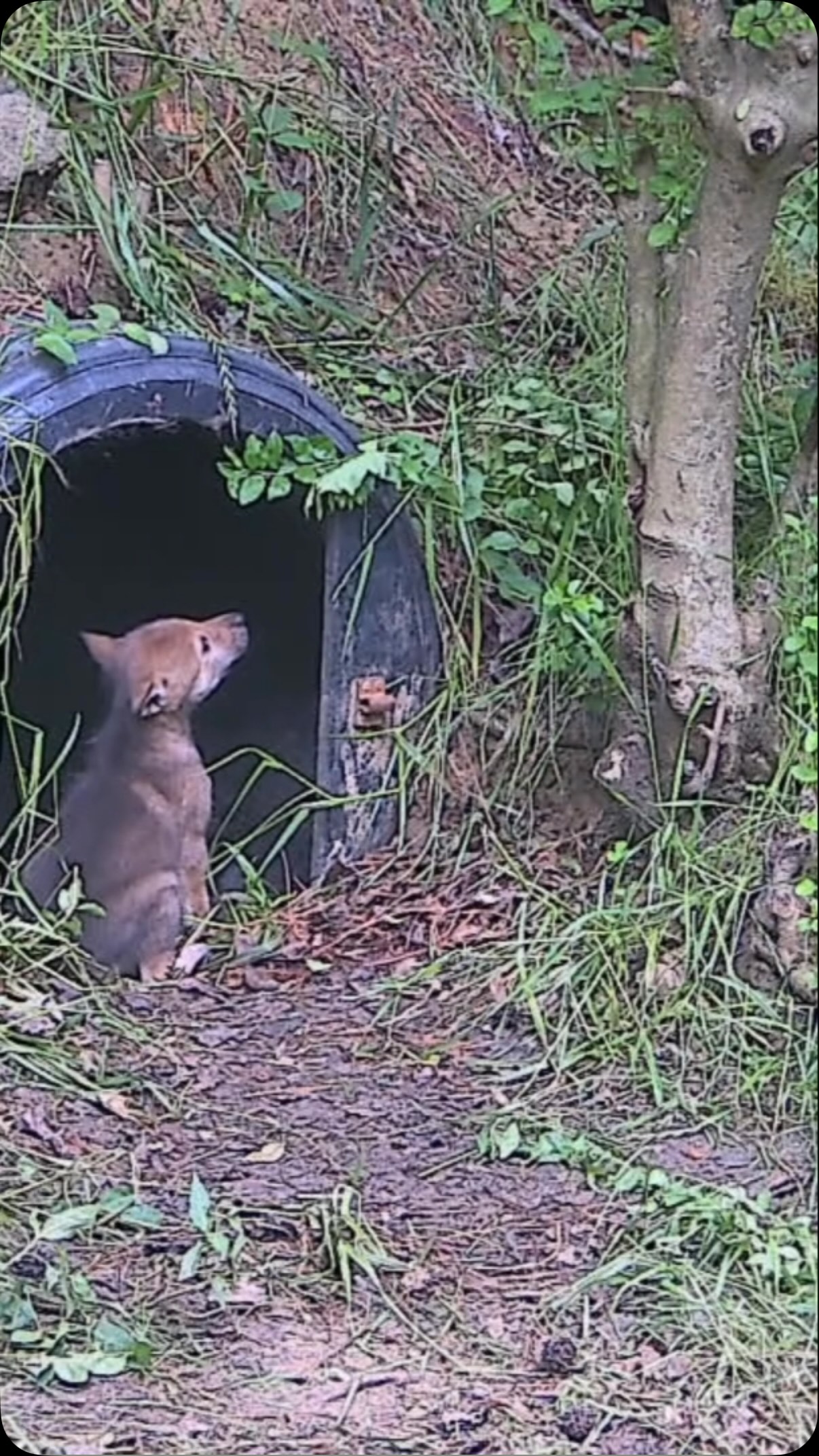
- The Red Wolf pup development and family dynamics in their natural habitat.
- The significance of conservation efforts for the endangered Red Wolf species.
- Tips for visitors to observe and appreciate the Red Wolf pups responsibly.
- The role of zoo management in supporting Red Wolf conservation.
- The impact of public contributions on Red Wolf preservation projects.
With the delightful emergence of the Red Wolf pups from their den, the wildlife community shifts its focus on the essential developmental stages and conservation needs of these incredible creatures. The Red Wolf is an emblem of resilience and an emblematic species in North American ecosystems. Understanding their habits, development, and the efforts necessary to preserve them are vital for ensuring their survival.
Red Wolf pup development is a fascinating journey. At almost one month old, the pups begin venturing outside the den, signaling critical milestones in their early growth phase. Observing these behaviors provides insight into not only their biological needs but also their social structures. Around this age, paternal involvement intensifies as fathers play a significant role in the pups’ upbringing. This hands-on engagement includes feeding, protection, and teaching survival skills essential for future independence.
As the pups progress, they transition from nursing to consuming partially digested food regurgitated by their parents. This crucial step in their dietary development enhances their digestive capabilities and prepares them for a carnivorous diet. Such interactions highlight the intricate familial bonds and cooperative behaviors that define Red Wolf packs. These dynamics underscore the importance of both parental roles in rearing successful offspring, thereby contributing to the continuity of the species.
The Red Wolf (Canis rufus) is critically endangered, primarily due to habitat loss, human activity, and hybridization with coyotes. Conservationists emphasize the importance of protecting the small population remaining in the wild, primarily located in North Carolina. As such, conservation efforts are pivotal for their survival. Initiatives include habitat restoration, breeding programs, and public education focusing on human-wildlife coexistence. Each of these initiatives requires collaboration between conservation groups, governmental agencies, and local communities.
One of the challenges in Red Wolf conservation is ensuring that these animals have ample, protected environments that mimic their natural habitats. These spaces not only provide shelter but also enable the natural behaviors critical to their survival. The introduction of Red Wolves into protected areas aims to stabilize populations and promote a flourishing ecosystem. Success in these strategies could serve as a blueprint for other wildlife conservation efforts.
Visitors to wildlife parks and zoos play a role in supporting Red Wolf conservation through education and financial contributions. Learning to observe wildlife responsibly is integral in minimizing human impact on these animals. For those eager to catch a glimpse of the newly adventurous Red Wolf pups, timing and behavior are key. Observations are best early in the morning or later in the afternoon when the pups are active. Adopting a quiet demeanor and exercising patience during visits ensures that the wolves can behave naturally and reduces stress on them.
Zoo management focuses on various aspects necessary to maintain the safety and well-being of Red Wolves in captivity. This includes habitat design replicating natural environments, nutrition management aligned with their dietary needs, and medical care that monitors health and genetic diversity. Through breeding programs, zoos contribute directly to species preservation by augmenting wild populations with healthy individuals raised in controlled environments designed for optimal growth.
Public contributions significantly impact Red Wolf conservation projects. Donations support not only the daily care of the wolves in managed environments but also funding for larger conservation initiatives. These contributions make it possible to conduct research, provide educational programs, and implement field operations critical to the protection of these wolves in the wild. Engaging with conservation programs also boosts awareness, fostering broader community support and advocacy for environmental stewardship.
The emergence of these Red Wolf pups is more than a charming spectacle. It’s a poignant reminder of the delicate balance of ecosystems and the responsibilities we share in safeguarding endangered species. By blending zoological insights with active conservation efforts, we can fortify the path toward a sustainable future for the Red Wolf and many other species facing similar threats.
*****
Source Description
Well, would you look who’s outside the den?! 🐺🧡
At almost one month old, the three Red Wolf pups are making their way out into the habitat more regularly and dad Oka (M2048) is stepping into a more hands-on role.
Soon the pups will be fully weaned and will start eating food that has been partially digested by their parents. Yum!
💡 Helpful tip: The best times to see the pups are early in the morning just after opening, or later in the afternoon before closing. Please remember to use quiet voices when walking by the habitat or at the overlook. We also ask for patience as the pups may not always be visible outside the dens or inside on the den cameras.
Looking for a way to make a difference? Support the Museum and our Red Wolf conservation efforts by donating today at the link in our bio.
