
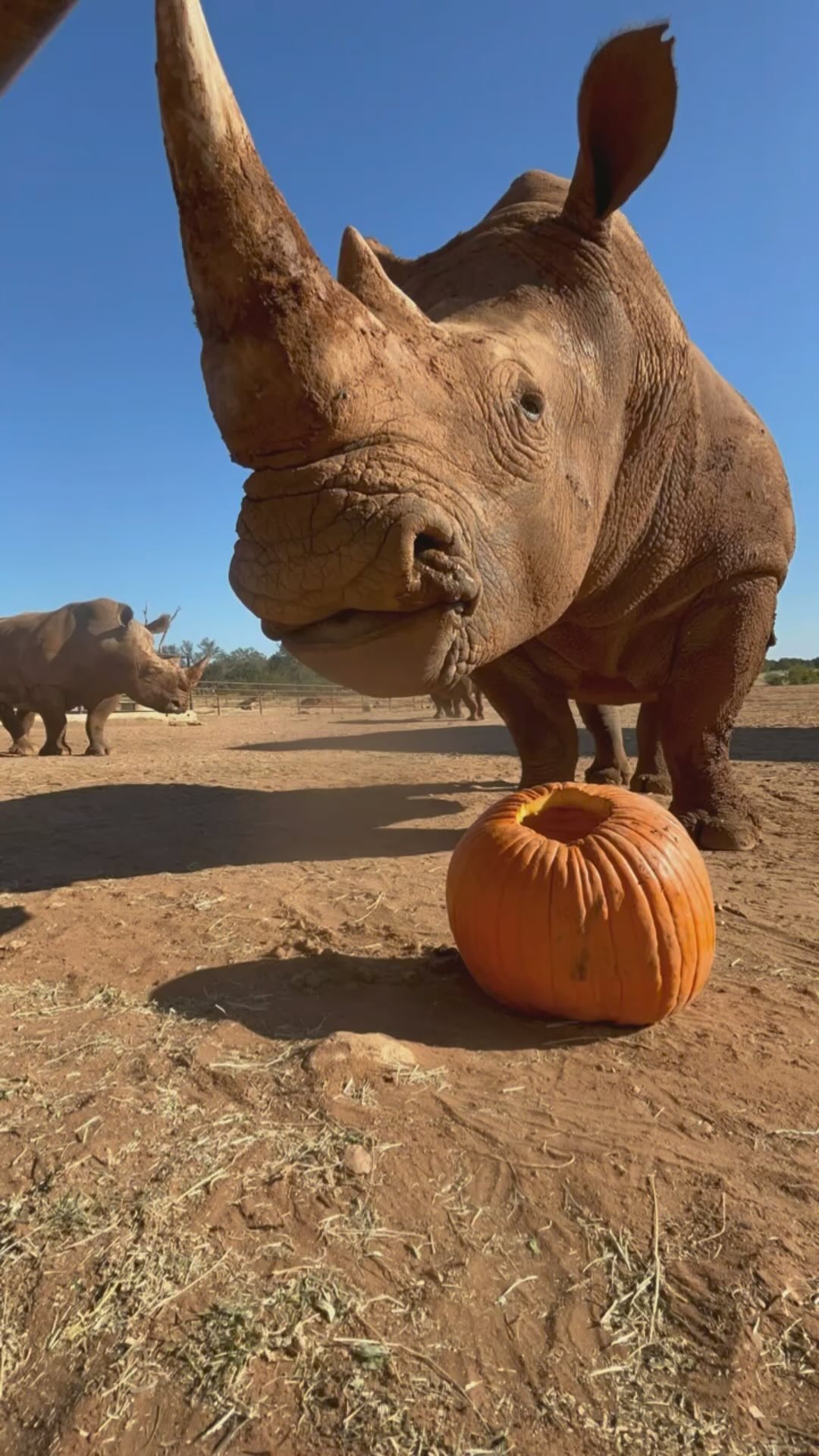
- The significance of Happy in wildlife conservation efforts.
- The role of Conservation Ambassadors in promoting animal welfare.
- Understanding the species represented by Happy at the conservation center.
- The impact of human interaction and education on wildlife preservation.
- Effective strategies for engaging the public in conservation initiatives.
Happy serves as a beacon in wildlife conservation. This charismatic ambassador highlights the importance of preserving animal habitats and ecosystems. Happy’s role extends beyond mere presence; it represents a vital piece of the puzzle in conservation efforts aimed at sustaining biodiversity on our planet.
The Conservation Ambassadors are crucial to this mission. They act as facilitators and educators, bringing awareness to wildlife issues that often go unnoticed. This organization trains individuals to advocate for animals in need, spreading knowledge about endangered species and their habitats. By using engaging methods, such as interactive presentations and hands-on experiences, they create emotional connections between people and animals.
Happy, specifically, refers to a unique individual who embodies the challenges faced by many species. Happy’s identity may vary depending on the species being represented, ranging from a beloved giraffe to an endangered rhinoceros. Each of these animals serves as a symbol of hope and a reminder that collective efforts can effect change. The stories surrounding Happy inspire audiences, emphasizing that every individual can make a difference.
Understanding the species represented by Happy significantly enhances the conservation narrative. For example, if Happy is a giraffe, its unique anatomy, social behaviors, and habitat requirements become focal points for educational campaigns. Giraffes play essential roles in their ecosystems, and their decline could signify broader environmental issues. The same holds true for rhinos or sloths, each contributing to biodiversity in distinct ways. Informing the public about these specifics fosters a deeper appreciation for wildlife and ignites greater support for conservation initiatives.
Human interaction plays a pivotal role in wildlife preservation. Engaging with ambassadors like Happy facilitates a two-way conversation between humans and nature. By allowing people to connect emotionally with animals, organizations can instill a sense of responsibility in future generations. Research indicates that individuals who experience wildlife up close are more likely to participate in conservation activities, whether through donations, volunteer work, or advocacy. This connection can be particularly effective in schools, where students can learn firsthand about the importance of preserving natural habitats.
One effective strategy for engaging the public involves educational programs tailored around school curriculums. By integrating conservation education into existing frameworks, organizations can reach a wider audience. Activities might include field trips, virtual classrooms, or interactive workshops that cover topics ranging from ecosystem dynamics to species-specific conservation needs. Utilizing technology, like social media platforms, can amplify these efforts, enabling conservation messages to reach global audiences.
Collaborative efforts with local communities can also yield significant results. Working together fosters a sense of shared responsibility for preserving local wildlife. Involving community members can lead to innovative solutions that benefit both the environment and economic stability. Educational initiatives can be adapted to address specific local wildlife issues, creating a tailored approach that resonates more with community members.
Additionally, the storytelling aspect of conservation cannot be overlooked. Narratives featuring ambiances like Happy have the potential to humanize the plight of endangered species. By crafting compelling stories centered around the lives and struggles of these animals, organizations can captivate their audiences. Research shows that emotional engagement is often a powerful motivator for action. Such storytelling can encompass documentaries, social media campaigns, or educational materials that emphasize personal connections to larger environmental challenges.
The role of caretakers and wildlife experts in a conservation setting also bears mentioning. These professionals work behind the scenes to ensure animals are healthy and well cared for. They conduct health assessments, manage diets, and work to replicate natural behaviors in controlled environments. This ongoing relationship with the ambassador animals establishes a sense of well-being that translates to the public. When visitors see how committed caretakers are, it reinforces the importance of conservation work.
Water management and habitat restoration are crucial elements in these efforts. For instance, successful conservation programs often include initiatives focused on maintaining clean waterways and restoring native vegetation. Protecting these resources ensures that Happy and other ambassadors thrive in environments that closely mirror their natural habitats. Restoration projects not only benefit target species but also bolster overall ecosystem health, providing advantages to many other organisms within the same environment.
Legitimate wildlife conservation cannot occur in isolation. Collaborative partnerships among various stakeholders, including governmental agencies, non-profit organizations, and local communities, are vital for significant advancements. These alliances allow for sharing of knowledge, resources, and funding. By pooling expertise, organizations can strategize more effectively and reach shared conservation goals.
Long-term commitments to conservation are essential. Single events or short-term projects rarely yield substantial changes. Sustained efforts lead to measurable benefits, such as population recoveries or habitat restoration. Regular evaluations, adapting strategies based on new research and environmental changes, become critical.
Among the various challenges faced by wildlife conservationists, climate change presents one of the most formidable. It imposes immediate threats to habitats, forcing species to adapt or perish. Raising awareness about climate impacts is a necessary component of conservation education. By incorporating climate action into wildlife conservation discussions, organizations can highlight how interconnected these issues are.
The importance of ethical considerations in wildlife management cannot be understated. Practices must prioritize animal welfare and closely align with conservation goals. Guidelines for humane handling, captive care, and education should reflect a commitment to promote the well-being of all species involved.
As technology advances, opportunities for improving care and conservation increase. Innovations such as drone monitoring and advanced tracking methods provide valuable insights into animal behaviors and habitats. Data-driven approaches to conservation enhance understanding and effectiveness in field efforts. By harnessing technology, numerous organizations are making strides toward better wildlife management.
Funding also plays a significant role in conservation initiatives. Many programs rely on donations, grants, and sponsorships to facilitate efforts. Engaging the public through fundraising events and awareness campaigns can dramatically alter funding landscapes. Bringing attention to the needs of Happy and similar ambassadors can inspire financial support necessary to sustain long-term projects and initiatives.
The act of advocacy is another layer in the busy tapestry of wildlife conservation. Everyday citizens can make significant impacts by advocating for policies that support environmental protections or wildlife management initiatives. This can include writing to local representatives, participating in public demonstrations, or simply educating their own networks.
Ultimately, Happy and the Conservation Ambassadors represent not only the struggles facing various species but also the urgency of collective action. The public’s understanding can drive positive change, influencing policy and conservation practices. By actively engaging in these discussions and support, the cycle of awareness, protection, and restoration can perpetuate.
Combining education, emotional connection, and practical action has the potential to foster a generation dedicated to preserving biodiversity and promoting environmental health. Happy and its fellow ambassadors serve as catalysts for this vital work, encouraging individuals to take active roles in safeguarding the future of wildlife. The time to act is now, and every effort counts.
*****
Source Description
Happy from our Conservation Ambassadors! 🎃🦒🦏🦥
