
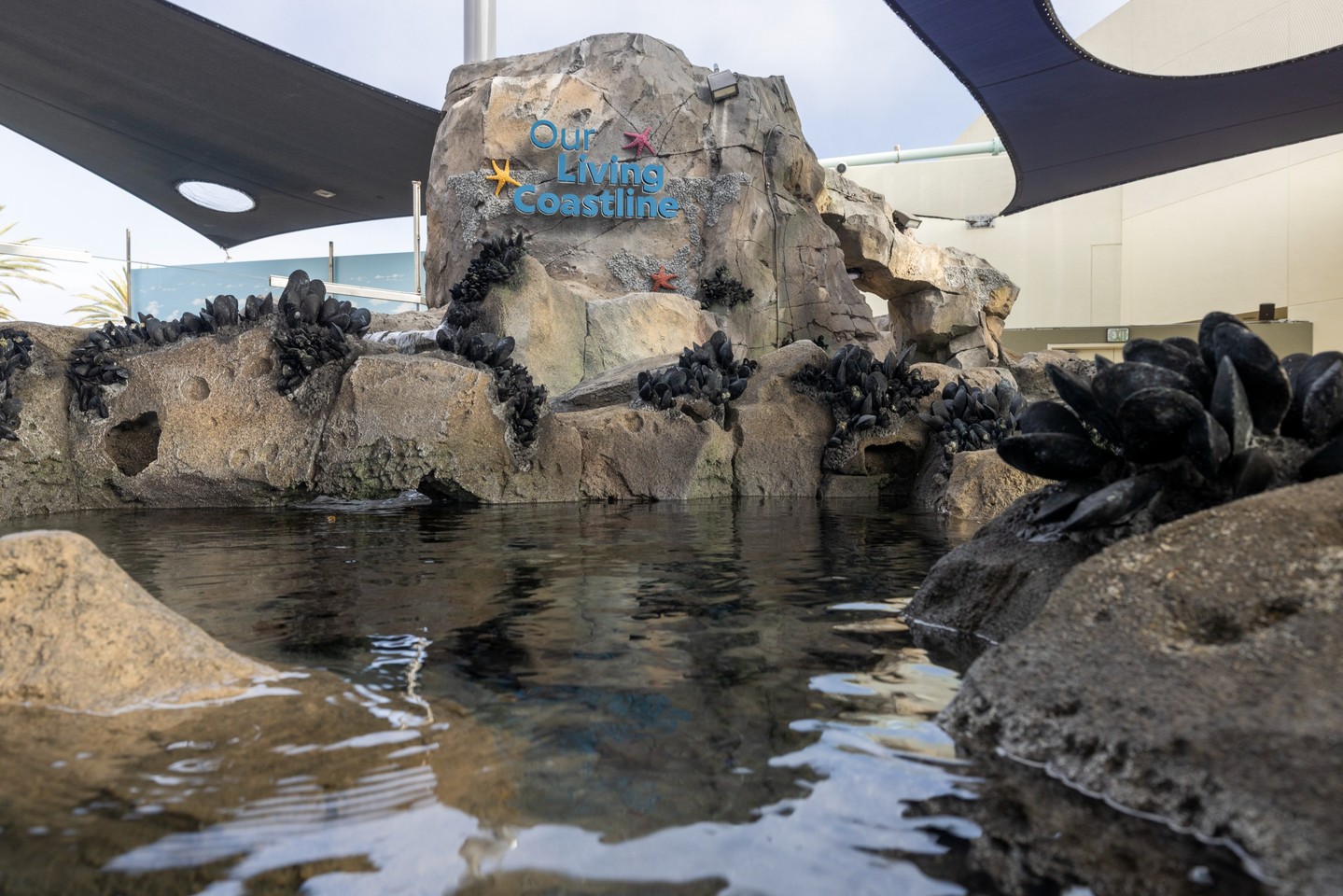
- Introduction to "Our Living Coastline" exhibit: an overview of the touchpool experience
- Educational aspects of the exhibit, focusing on sea stars, sea urchins, and sea anemones
- The significance of touchpool experiences in wildlife conservation and education
- Role of the California Terrace in promoting environmental awareness
- How visitors can engage with and learn from the exhibit’s offerings
With the unveiling of "Our Living Coastline," a new outdoor touchpool experience, a unique platform for hands-on marine education has emerged at California Terrace. This exhibit invites all ages to connect more closely with local marine life. Individuals not only observe but interact directly with fascinating organisms such as sea stars, sea urchins, and sea anemones.
The design of this touchpool experience centers around accessibility and education. Each touchpool is designed for visitors to gently interact with marine life while receiving guidance from knowledgeable educational staff. This direct engagement is crucial for fostering a deeper appreciation of the complexities present in our coastal ecosystems.
Engaging with sea stars offers insights into their biology and ecological roles. These remarkable echinoderms are found in various coastal environments and play important roles as predators and prey within their habitats. By touching a sea star, visitors can see its five rays and the underbelly, where tube feet allow it to move and feed. Learning about their feeding mechanisms, which often involve evisceration and external digestion, transforms the experience into a living lesson in marine biology.
Sea urchins, another highlight at "Our Living Coastline," are equally captivating. These spiny animals can appear intimidating due to their sharp spines; however, they play a vital role in maintaining marine ecosystems. By grazing on algae, sea urchins prevent algal blooms, which can have detrimental effects on coral reefs and other underwater life. Educators at the touchpool stress the importance of these creatures in balancing their environments and how their decline can lead to significant ecological shifts.
Sea anemones bring another layer of intrigue to the exhibit. These soft-bodied creatures are often colorful and mesmerizing, but their ecological niche is equally essential. As both predators and symbiotic partners to various fish species, including the famous clownfish, sea anemones contribute to biodiversity in coastal waters. The touchpool education staff explain symbiotic relationships, showcasing how these entities work together, enhancing the visitor’s understanding of interconnectedness in marine life.
Beyond merely showcasing individual organisms, the "Our Living Coastline" exhibit emphasizes the importance of ecosystem health. The intricate relationships found within tidepool environments demonstrate how each species is interrelated, thus underscoring the significance of preserving these habitats. With human activity increasingly influencing marine environments through pollution and climate change, creating awareness is more critical than ever. The touchpool experience is just one method to engage the public in meaningful discussions about conservation strategies.
California Terrace serves as a focal point for educational outreach. This setting allows the exhibit to offer expansive educational resources, connecting ecosystems, species interactions, and conservation efforts. Interactive programs, guided by passionate staff members, raise awareness about the challenges facing marine environments. The goal is to inspire visitors to take personal responsibility for protecting marine ecosystems.
Touchpool experiences like "Our Living Coastline" are vital in cultivating a sense of stewardship among visitors. When individuals can interact directly with marine life, they become more aware of the fragility and beauty of these ecosystems. Science suggests that engagement with nature can foster empathy and a desire for conservation. Studies find that hands-on experiences can lead to lasting changes in behavior and attitudes toward the environment.
For educators and advocates, the exhibit presents an opportunity to disseminate crucial information on marine conservation strategies. Informational signage throughout the exhibit provides context, detailing threats to marine life such as overfishing, habitat destruction, and pollution. This reinforces the messages conveyed during touchpool interactions, encouraging deeper reflection on the issues at play.
"The Living Coastline" also fosters collaboration with local conservation organizations. By partnering with these groups, the exhibit contributes to broader efforts aimed at preserving marine habitats. Visitors can learn about community initiatives that tackle pollution and habitat restoration, equipping them with practical knowledge they can apply beyond their visit.
The sensory nature of touchpools allows for a stimulating environment, making science and conservation accessible to visitors. Educational staff utilize engaging storytelling methods, presenting facts about marine life in relatable ways. Demonstrations on safe handling techniques for marine animals further enhance the learning process.
As visitors engage through touch and sight, they also depend on auditory learning. Educational staff encourage questions, ensuring dialogue remains open. This participatory approach not only enriches the visitor experience but also cultivates a culture of inquiry—pivotal for scientific literacy.
Children and adults alike often leave the touchpool with a newfound appreciation for the diverse life forms inhabiting our coastlines. Educational programs emphasize actionable steps individuals can take, from reducing plastic use to participating in local beach cleanups. Equipping visitors with this knowledge empowers them to become advocates for marine health.
The significance of "Our Living Coastline" extends beyond its physical presence in California Terrace. This exhibit embodies crucial principles of marine conservation education. Through a blend of interactive learning, community engagement, and environmental outreach, it embodies the essence of modern zoos and aquariums evolving as centers of conservation.
Wildlife facilities are shifting their roles as conservation leaders, focusing more on education and advocacy. By presenting impactful experiences, like the touchpool, these institutions aim to inspire changes that cultivate a new generation of environmentally-conscious individuals. The collaborative efforts with conservation organizations further amplify the reach of these initiatives.
Collectively, these educational opportunities create an inviting atmosphere for young minds eager to learn. By stimulating curiosity and encouraging questions, "Our Living Coastline" works to instill a long-lasting commitment to marine conservation.
In summary, the "Our Living Coastline" exhibit serves as an essential touchpoint for knowledge and engagement regarding marine ecosystems. Through interactive experiences with sea stars, sea urchins, and sea anemones, visitors not only learn but also become part of a larger conversation about the importance of protecting our coastal environments. By celebrating local marine life and its intricate connections within ecosystems, this outdoor touchpool experience at California Terrace embodies the spirit of conservation and education, inspiring individuals to become active participants in the preservation of our oceans.
*****
Source Description
NEW EXHIBIT ALERT! ✨ Our Living Coastline ✨ is our new outdoor touchpool experience. Stop by California Terrace to learn about sea stars from educational staff, while marveling at other tidepool creatures such as sea urchins and sea anemones. ⭐️
