
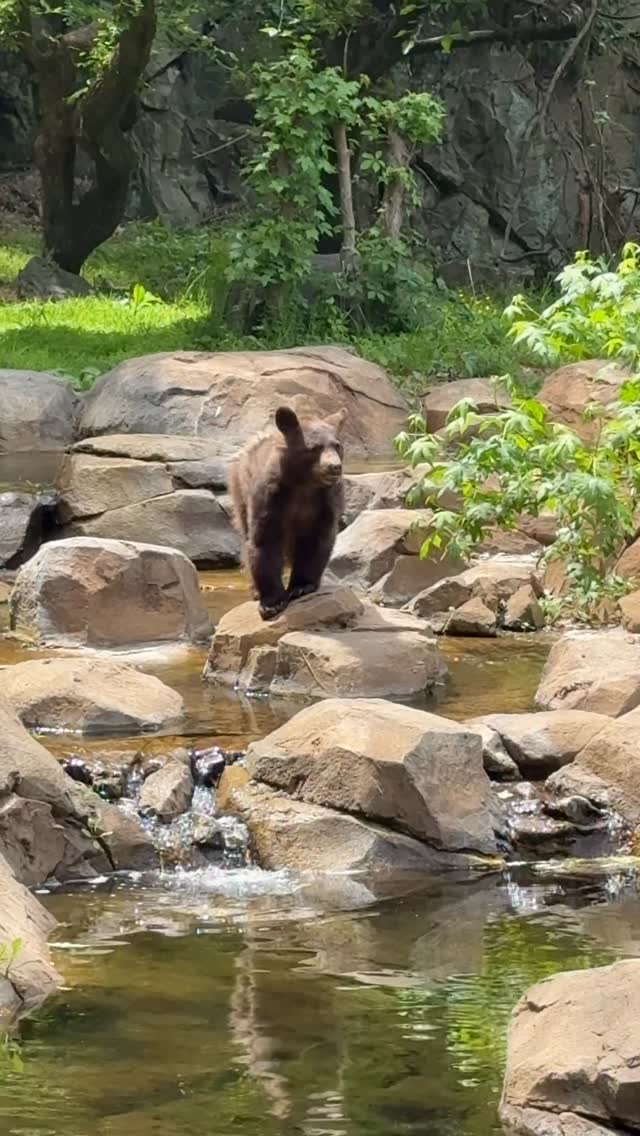
- Just 30 seconds of Montana exploring the waterfall: an introduction to wildlife observation
- The significance of quiet interactions with wildlife
- Understanding the habitat of the trio of black bears
- The role of wildlife conservation in zoo management
- The educational mission behind animal exhibits
Just 30 seconds of Montana exploring the waterfall can manifest as a captivating moment full of wonder and insight into the natural world. Wildlife observation serves as a crucial element in understanding animal behavior and the ecosystems they inhabit. The curiosity of Montana, perhaps a researcher or simply an observer, highlights the beauty of engaging with nature in a mindful manner. Moments like these remind us of the importance of observation in nurturing a connection to wildlife.
When approaching wildlife, especially in a zoo setting, treating the environment with respect is paramount. Gesturing with quiet voices to say hello reduces stress not only for the observer but also for the animals involved. Loud noises or abrupt movements can startle creatures, changing their natural behavior. By approaching with calmness, one promotes a congenial atmosphere allowing for better interactions and observations. It’s important to be aware that animals, just like humans, can feel anxiety and discomfort in loud environments.
Montana’s interaction with the waterfall illustrates the importance of habitat context for various wild species. Waterfalls are crucial ecosystems, teeming with life. They support a variety of aquatic and terrestrial organisms. Aquatic insects, fish, and amphibians thrive in such environments, while terrestrial animals like bears often utilize these areas for diverse reasons, including access to water and food sources. Black bears, as seen in the habitat of Explore the Wild, frequently forage in areas near water bodies, where they can hunt for fish or gather nutrient-rich vegetation.
Additionally, the adaptability of black bears is an interesting aspect worthy of exploration. These bears possess life skills that allow them to thrive in various environments, from mountain ranges to forests and even along streams and rivers. Black bears are omnivorous, allowing them to consume a wide range of foods. Their diet is shaped by the availability of seasonal resources. For instance, during spring, they often eat young shoots and grass; in summer, they enjoy berries and in late summer and fall, they’re known for fishing in rivers and streams, particularly during salmon runs.
Understanding the habitat of the trio of black bears within the zoo brings to light broader conservation efforts. Zoos today focus not just on entertainment but significantly on education and conservation. They serve as vital resources for preserving wildlife and studying animal behavior in conditions that mimic their natural habitats. By facilitating environments that resemble those found in the wild, zoos can provide educational experiences for visitors. These experiences are particularly beneficial because they allow for the observation of behaviors that are difficult to witness in a wild setting. Education plays a significant role in changing public perceptions about wildlife conservation, encouraging people to support natural habitat preservation and species protection.
As visitors observe the animals, they gain insights into the challenges encountered by wildlife in their natural environments. Education at zoos serves to inform the public about specific ecological issues, such as habitat loss, climate change, and the importance of sustainable practices. These interactions foster a sense of responsibility. They compel individuals to consider their impact on the environment, making informed decisions that can contribute to conservation efforts.
Wildlife conservation is a cornerstone of modern zoo management practices. Sustainability initiatives are continually integrated into zoo operations. The aim is to enhance the wellbeing of both the animals housed there and the natural environments they represent. Zoos participate in breeding programs for endangered species and collaborate with global conservation organizations to establish plans for reintroducing species back into their natural habitats. These efforts underscore the critical link between zoos and wildlife conservation globally.
Montana’s curious exploration reflects a broader mission of education—a mission that resonates with the zoo’s aims. By educating visitors about the diverse species represented in their exhibits, zoos can cultivate a more informed public. Programs often highlight the interconnectedness of ecosystems. Understanding that every animal plays a role in the ecosystem promotes a greater sense of stewardship towards preserving wildlife. By sharing knowledge, visitors can become ambassadors for conservation, advocating for practices that protect the natural world.
The waterfall represents not just a stunning visual component of nature but an essential part of an ecosystem that supports various life forms. Observing a natural feature like a waterfall enhances the appreciation of biodiversity, showcasing the intricate balance necessary for the survival of distinct communities. Every drop that glides over the rocks plays a role, as does every plant and animal that thrives nearby.
Montana’s brief yet enriching experience at the waterfall encapsulates the essence of zoology and conservation education. Educators and wildlife specialists work hand-in-hand to enhance visitor experiences, ensuring they leave with a deeper understanding of the intricacies of nature. Programs designed for schools and families focus on experiential learning. They might include observations, workshops, and interactive exhibits aimed at demonstrating the animal’s needs and challenges.
Moreover, creating a safe and enriching environment for animals is paramount. Animal welfare research feeds into zoo management, helping to invoke practices that optimize the inhabitants’ physical and psychological health. By using extensive knowledge of animal behavior and preferences, facilities enhance habitats to support a range of activities. This approach is often informed through ongoing research in zoology and behavioral science. The more we learn about specific species, the better we can accommodate their needs in captivity.
Montana’s exploration serves as a reminder of the ongoing journey of wildlife education and conservation. Incorporating these experiences benefits not only the animals but also our collective future. By fostering empathy and understanding towards wildlife, we pave the way for a new generation more invested in the health of our planet. Every interaction, like Montana’s few moments by the waterfall, nurtures a sense of connection, one that can lead to meaningful action in environmental stewardship.
As visitors continue to explore, the importance of these natural settings becomes clearer. The waterfall exemplifies an ecosystem where diverse species coexist. A thriving environment requires careful balance. Each observation nudges us closer to understanding the myriad factors that contribute to ecological health. By sharing these experiences, zoos play a vital role in building a community devoted to wildlife conservation.
The trio of black bears and their waterfall habitat symbolize the promise of wildlife conservation. They represent not just what we have to protect but also the wondrous experiences that connect people to nature. Just 30 seconds of Montana’s exploration becomes a catalyst for deeper reflection. Through informed action and support, ecosystems can be preserved for future generations to enjoy.
Education and conservation efforts are powerful tools. They allow for the sharing of knowledge and the cultivation of a community focused on sustainability. As more individuals engage with nature, awareness spreads, leading to supportive initiatives for wildlife protection. The influence of a moment spent observing the waterfall reflects our potential to make a significant impact. Through curiosity and understanding, each of us can contribute to wildlife conservation, ensuring these precious ecosystems bloom for years to come.
*****
Source Description
Just 30 seconds of Montana exploring the waterfall 🥹
Please keep in mind that Montana is still settling into his new home and use quiet voices when saying hello.
Visit our trio of black bears in Explore the Wild during regular visiting hours — Members get in one hour earlier!
