
- The Importance of Sunlight for Animals
- Just Grace’s Habitat and Lifestyle
- Zoo Management and Animal Welfare
- Conservation Efforts in Action
- Educational Programs and Community Engagement
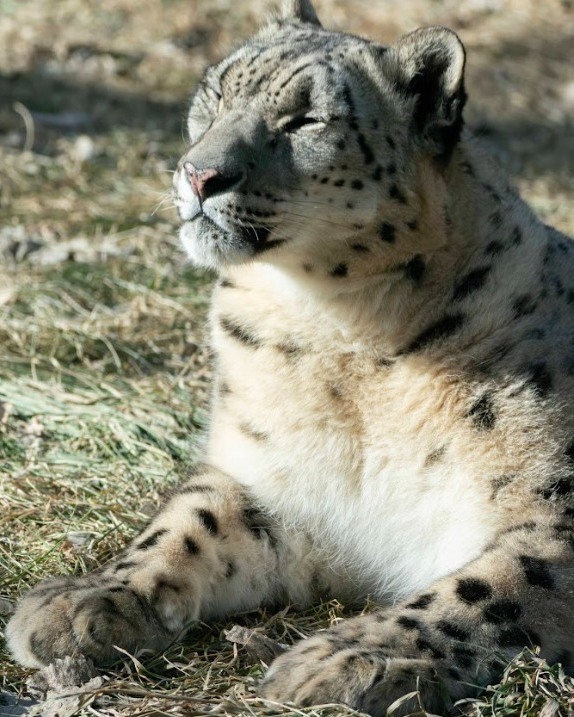
Sunlight plays a vital role in the lives of many animals, influencing everything from behavior to biology. Just Grace, an engaging giant panda, thrives under the sunny skies. She epitomizes how light exposure affects animal health, activity patterns, and even social interactions. For these reasons, examining how Just Grace enjoys the sunshine can illuminate broader concepts in zoology and conservation.
Sunlight is essential for various biological processes, such as photosynthesis in plants and vitamin D synthesis in animals. For mammals, exposure to sunlight regulates circadian rhythms, which govern crucial functions like sleep-wake cycles and hormone production. For instance, sunlight can significantly boost Just Grace’s activity levels. When basking in the sun, she may exhibit playful behaviors that engage both her and her watchers. A 2014 study published in the “Journal of Animal Behavior” highlighted that many animal species show increased activity levels during sunny days.
As a giant panda, Just Grace is naturally adapted to her habitat, which can include dense bamboo forests with ample sunlight filtering through the trees. In the wild, sunlight influences the growth patterns of bamboo, a primary food source. An understanding of these dynamics is essential for effective zoo management. Zookeepers monitor light exposure not just for animal comfort but to promote active foraging behavior.
Just Grace resides in an environment that aims to mimic her natural habitat as closely as possible. This attention to detail in habitat construction includes both shade and sunlight zones. In this balanced setting, Just Grace can choose her comfort level based on the time of day. Zoo management involves careful planning regarding how much sunlight different areas receive. Zookeepers employ tools like light meters to measure UV levels and adapt the environment accordingly.
Careful maintenance is key to animal welfare. Ensuring that Just Grace is not subjected to extreme temperatures is crucial, as prolonged exposure to heat can stress her. In one instance, during particularly sunny days, zookeepers increased the availability of fresh water while also providing shaded areas. Strategies like these emphasize the importance of animal welfare in zoo management.
Beyond her immediate environment, Just Grace symbolizes larger conservation efforts aimed at protecting giant pandas, an endangered species. The International Union for Conservation of Nature (IUCN) lists giant pandas as vulnerable, with habitat loss being a significant concern. Zoos play a critical role in these conservation efforts through breeding programs and habitat restoration initiatives.
Through research, we understand that giant pandas have specialized diets, primarily consisting of bamboo. This reliance on a single food source makes them susceptible to habitat changes. The sun’s role in sustaining bamboo populations cannot be understated. As climate conditions shift, sunlight availability may fluctuate, potentially threatening bamboo growth and, subsequently, the giant panda population itself.
Community engagement is another essential aspect of conservation. Just Grace serves as an ambassador for her species, helping to raise awareness about the threats pandas face in the wild. Educational programs often center around her, allowing visitors to learn about the vital importance of maintaining panda habitats. When kids and adults observe Just Grace enjoying the sunshine, they become emotionally connected to her story and the broader narrative of wildlife conservation.
Zoos often organize community outreach programs to educate the public about animal welfare and conservation. Workshops, school visits, and interactive exhibits surrounding Just Grace’s lifestyle encourage people to become advocates for the environment. This kind of public interaction reinforces the understanding that conservation isn’t solely the responsibility of specific organizations but a communal effort.
In addition to direct education programs, digital platforms offer valuable opportunities for engagement. Social media accounts dedicated to zoos often share updates about animals in their care, including Just Grace’s sunbathing habits. This type of engagement has proved effective in fostering a worldwide community united by a love for animals and conservation efforts.
When looking at the relationships between sunlight, animal behavior, and welfare, it is evident that a well-managed zoo can greatly contribute to the protection and understanding of species like the giant panda. Just Grace stands as an example of how strategic planning in a controlled environment can enhance animals’ lives and promote conservation awareness.
Light exposure affects not just physical well-being but also mental health. Animals in well-lit environments are often more active and exhibit fewer signs of stress. Just Grace’s sunny disposition is evident when she interacts with her keepers and her surroundings. Her behaviors underscore the link between environmental conditions and psychological well-being.
Furthermore, studies suggest that observing animals like Just Grace in naturalistic setups can inspire behavioral change in visitors. Engaging with a sunny, happy panda may encourage people to advocate for conservation policies or even take personal steps to support sustainable practices. The ripple effects of such experiences can lead to greater public support for wildlife protection initiatives.
Zoo management emphasizes scientific research in optimizing animal habitats. By carefully studying how Just Grace uses sunlight to regulate her daily activities, zookeepers can refine their approaches to housing and care. For example, understanding her preferences allows for more interactive exhibits, enriching her environment and offering visitors an engaging experience.
This focus on continuous improvement has implications beyond the zoo walls. Effective animal management practices informed by scientific research serve as models for wildlife conservation efforts globally. Tools and strategies developed in zoos can be adapted for field conservation projects, enhancing efficiencies and positive outcomes for wildlife around the world.
Just Grace’s enjoyment of the sunshine is more than a simple observation; it links to a larger picture involving ecology, conservation, and animal ethics. By studying her behaviors in response to sunlight, researchers can glean insights into not only giant panda ecology but also broader environmental issues. The implications of these findings reach far beyond the confines of the zoo, emphasizing the interconnectedness of all life and the habitats they require for survival.
The case of Just Grace illustrates the importance of habitat design in zoos and the potential impact of successful management practices on wildlife conservation strategies. As visitors leave her enclosure, they are likely to carry with them a newfound respect for all creatures that inhabit our planet and the significance of sunlit environments in their lives.
Promoting awareness around fantastic animals like Just Grace highlights the urgency to protect their natural habitats. Conservation messages that resonate with audiences can inspire collective action. Every experience, every story told, from Just Grace basking in the sunshine to discussions about bamboo habitat preservation, can spark curiosity and drive meaningful change.
In essence, Just Grace and her relationship with sunlight serve as a microcosm of the broader challenges and triumphs in wildlife conservation. Engaging storytelling coupled with scientific information creates an educational experience that resonates with all ages. Just as sunlight nurtures growth and promotes health, education can cultivate a deep-rooted commitment to the stewardship of our natural world.
With ongoing research and public engagement, the narrative surrounding Just Grace will continue to evolve. The importance of keeping the ecological balance cannot be overemphasized. Each sunny moment contributes to an intricate tapestry of life that encompasses the need for conservation, education, and ethical management practices.
*****
Source Description
Just Grace enjoying the sunshine. 🌞
📸Jill Edinger
