
- Explore the habitat and geographical distribution of this fascinating marine creature.
- Understand the swift hunting mechanism capable of rapid strikes.
- Learn about the creature’s distinctive vision capabilities with independently moving eyes.
- Examine the ecological role and importance of this species within its native ecosystem.
- Discuss conservation efforts and challenges faced by this species in the wild.
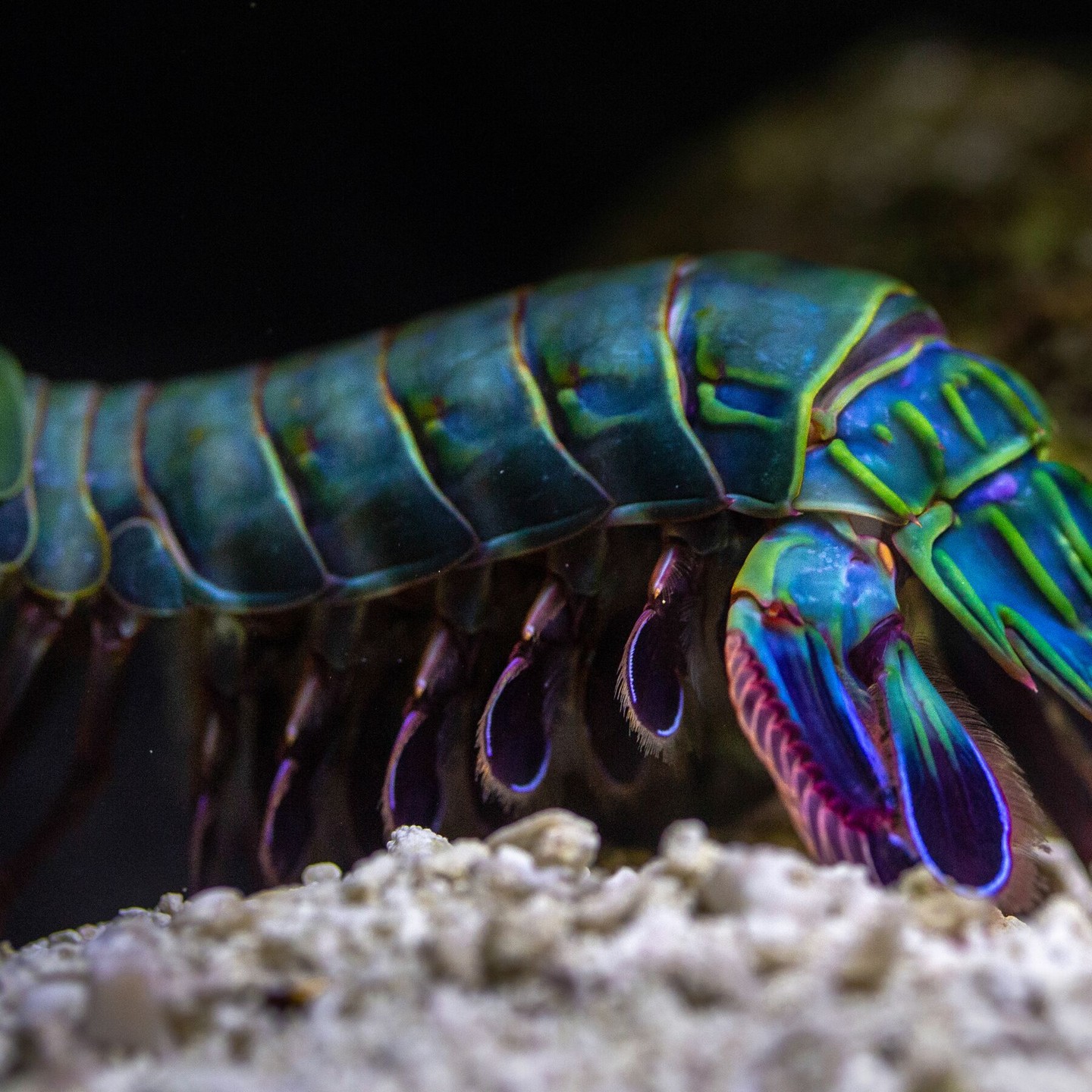
The peacock mantis shrimp, a vibrant denizen of the Pacific and Indian Oceans, captivates scientists and enthusiasts alike. Remarkably adapted, this marine crustacean reveals the intricate symbiosis of evolution and survival.
Peacock mantis shrimp dwell primarily in the warm, shallow waters of coral reefs. These ecosystems, rich in biodiversity, provide ideal conditions for their life cycle. The mantis shrimp’s bold coloration serves dual purposes—camouflage and communication within its social structure. An array of corals, sponges, and sea anemones offers protective crevices, where mantis shrimp find refuge and conceal their burrows.
Their habitat is a testament to the critical interdependence between species and environment. Coral reefs, vital for numerous marine organisms, are delicately balanced systems. They offer resources and protection, essential for the mantis shrimp’s reproductive success. These environments are under threat from climate change, pollution, and overfishing, unified challenges faced by countless marine species.
The peacock mantis shrimp’s hunting prowess is nothing short of extraordinary. Equipped with specialized appendages called raptorial claws, they can unleash rapid, powerful strikes. Their ability to strike at speeds of up to 50 miles per hour, faster than the blink of an eye, is an adaptation that enables them to shatter the shells of prey, like snails and crabs.
This swift predation method is facilitated by their muscle structure and the unique mechanism known as a "click mechanism," which stores energy to release it explosively. Such adaptations not only demonstrate evolutionary engineering but also highlight the peacock mantis shrimp’s role as an apex predator in its ecological niche.
The vision capabilities of peacock mantis shrimp are unparalleled in the animal kingdom. Their eyes can move independently, allowing them to scan multiple planes simultaneously. This ability provides them with a broad field of vision, essential for spotting both prey and predators in the bustling reef environment.
Moreover, their eyes can detect polarized light and perceive a spectrum far beyond human vision. With 12 color receptors, compared to the three in humans, they can distinguish a vibrant range of colors, aiding in complex communication and identification of others within their species.
In the ecosystem, peacock mantis shrimp serve as both predator and prey. Their predatory behavior maintains the balance by regulating populations of smaller, shelled organisms. Additionally, they contribute to the diet of larger marine animals, establishing their significance within the food web.
The health of mantis shrimp populations is inadvertently tied to the overall wellbeing of coral reefs. These ecosystems, already facing degradation, impact the survival of this species. Erosion of their natural habitat leads to reduced food availability and breeding spaces, threatening their populations.
Conservation efforts are pivotal in preserving the peacock mantis shrimp and its habitat. Marine protected areas (MPAs) play a crucial role in safeguarding vital ecosystems. These zones enforce regulations that restrict harmful activities like overfishing and coral destruction.
Furthermore, ongoing research and monitoring are essential to enhance our understanding of the species’ ecological requirements. Efforts to restore coral reefs through initiatives like artificial reefs and coral transplantation help support the diverse marine life dependent on these structures.
Educating communities on sustainable practices and the importance of marine conservation fosters collective responsibility. Active involvement, from local to global levels, supports not only the peacock mantis shrimp but also the myriad species sharing its vibrant underwater home.
Through understanding and conservation, the peacock mantis shrimp’s striking existence remains a testament to the complexity of marine life, ensuring its role within the ocean’s dynamic tapestry continues to inspire generations.
*****
Source Description
What am I? 🔍 Clues:
1. My native habitat is in the Pacific and Indian oceans.
2. I can deliver a blow to my prey 50 times faster than the blink of an eye.
3. I can look in two different directions simultaneously with my unique eyes.
Find the answer at the link in our bio!
