
- Giraffe Physiology: The Significance of Patterns and Body Temperature Regulation
- Kafele: The Symbol of Love in Nature
- Wildlife Conservation: The Role of Zoos in Giraffe Preservation
- Animal Behavior: Social Interaction and Mating in Giraffes
- Engaging the Public: How Zoos Promote Awareness through Animals like Kafele
Giraffe Physiology: The Significance of Patterns and Body Temperature Regulation
Giraffes, the tallest land mammals, have captivated observers with their remarkable physical designs. Each giraffe possesses a distinct pattern of spots that serves multiple purposes, further than aesthetic appeal. These markings are often likened to fingerprints in humans, reiterating that no two giraffes share identical patterns. The pigmentation in these spots is vital for camouflage in their natural habitats, aiding in protection from predators.
One often overlooked function of giraffe spots is their role in thermoregulation. Giraffes inhabit regions known for fluctuating temperatures. Their skin is equipped with a complex network of blood vessels just beneath the surface. When a giraffe gets overheated, the blood vessels dilate, allowing heat to escape through the skin. Interestingly, the darker the spots, the more heat they absorb, which can have dual effects on the conservation of body temperature. In essence, these markings function as a form of built-in air conditioning, facilitating thermal regulation while serving a critical evolutionary purpose—survival.
Kafele: The Symbol of Love in Nature
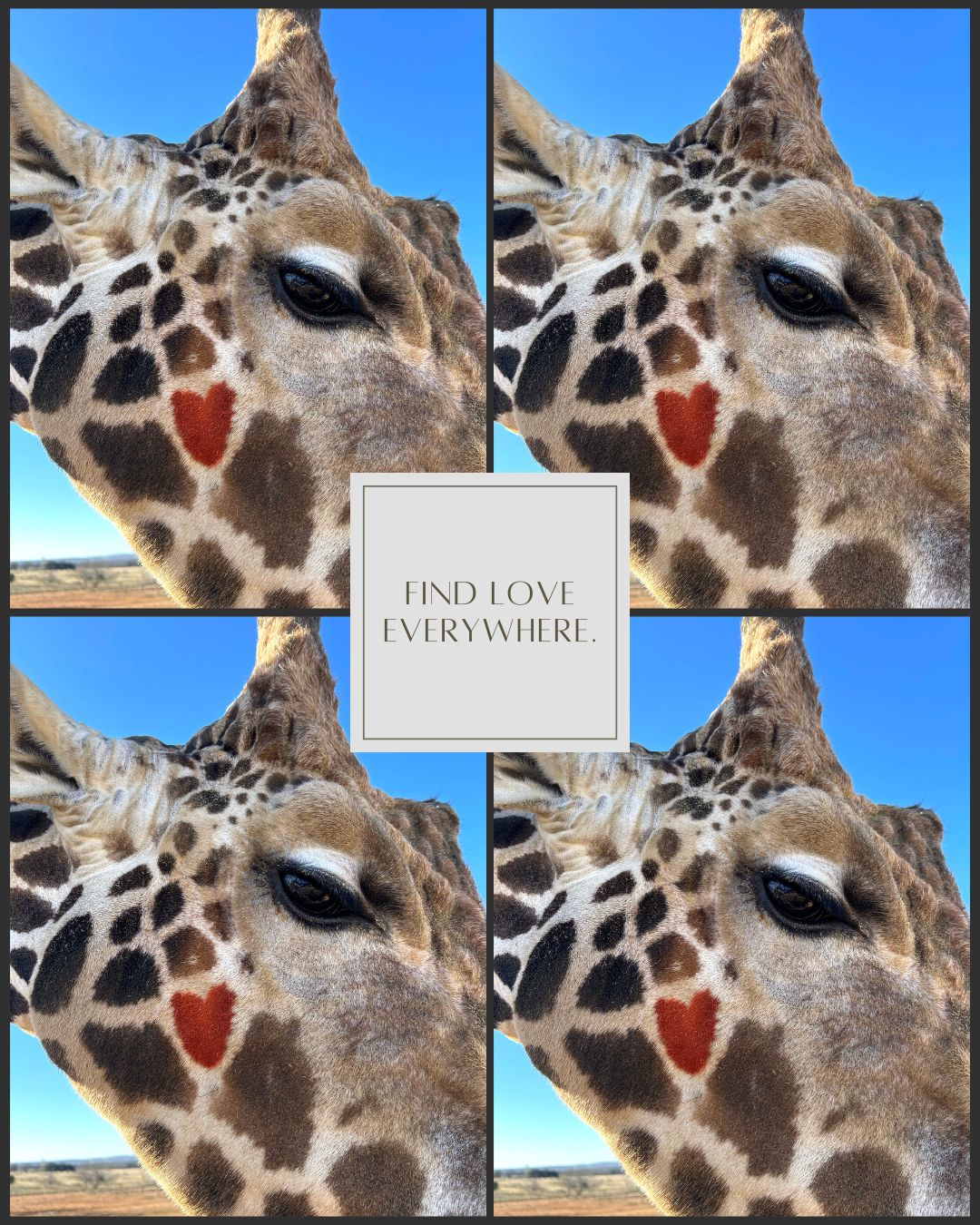
Our magnificent bull giraffe, Kafele, carries an added charm: a heart-shaped spot on his cheek. This feature aligns beautifully with the romantic spirit of Valentine’s Day. It serves as a powerful metaphor for how nature embeds itself into our emotional experiences. This heart-shaped marking might seem like mere coincidence, but it has profound implications for how we interact emotionally with the natural world.
Each time visitors gaze upon Kafele, they are met with a symbol that transcends words—a reminder that connections can be found in the most unexpected places. Animals facilitate an emotional response that leads to greater compassion and understanding toward wildlife and conservation efforts. By showcasing Kafele and his heart-shaped spot, zoos can powerfully illustrate the intertwining of love and nature, encouraging people to appreciate the beauty and significance of wildlife.
Wildlife Conservation: The Role of Zoos in Giraffe Preservation
With populations of giraffes declining in the wild, zoos across the globe are stepping up as pivotal players in wildlife conservation initiatives. Kafele’s presence in a zoo environment plays an important part in educating the public about the plight of giraffes and the broader ecological challenges they face. A significant factor in the decline of giraffe populations includes habitat loss and poaching.
Zoos are actively involved in breeding programs aimed at increasing giraffe numbers and ensuring genetic diversity. These well-structured breeding programs are often a source for species recovery. Through careful selection, zoos aim to produce offspring that can potentially be reintroduced into the wild, if suitable habitats are found. Furthermore, many zoos are collaborating with various organizations to develop comprehensive conservation strategies that address habitat restoration and anti-poaching measures.
Educating visitors is essential to conservation, and by featuring animals like Kafele, zoos can effectively communicate the urgent need for action. Interactive learning experiences allow visitors to engage, thus invoking a sense of responsibility for the preservation of wildlife.
Animal Behavior: Social Interaction and Mating in Giraffes
Giraffes are social creatures, forming loose herds that can vary in size. These herds often consist of females and their young, while males typically roam independently or form bachelor groups. This social structure plays a critical role in mating behavior. Males engage in a unique courtship ritual called “necking,” where they swing their necks to strike each other—a display of strength and determination to potential mates.
Kafele’s role as a bull giraffe underscores the importance of understanding these social dynamics. His presence allows zoo staff to monitor not only his health but also his interactions with other giraffes. Observing his behavior provides valuable insights into giraffe social structures and mating strategies.
Interestingly, giraffes do not possess a rigid hierarchy; rather, interactions are fluid. Relationships within the herd can change frequently, shaped by environmental factors and the availability of resources. This flexibility enhances their adaptability, allowing them to thrive even in challenging conditions.
Engaging the Public: How Zoos Promote Awareness through Animals like Kafele
Kafele is not just a giraffe; he is an ambassador for his species. By connecting with visitors, he helps raise awareness about the challenges facing his kin. Educational programs at zoos often incorporate information about Kafele, drawing attention to his heart-shaped spot and what it represents in a broader context.
The Valentine’s Day theme amplifies this connection. It creates an opportunity for zoos to introduce special campaigns that encourage giving and support for wildlife conservation. Visitor engagement through interactive talks and feedings deepens emotional ties. As guests learn about giraffe physiology, social behavior, and preservation efforts, they are more likely to become involved in cause-driven initiatives, such as fundraising and advocacy.
Social media can enhance these educational efforts. By sharing images and information about Kafele, zoos can reach a larger audience and promote the significance of giraffe conservation. This online visibility helps to shape perceptions and cultivate broader interest in the intricate lives of these animals.
Kafele’s heart-shaped spot is more than just a charming feature. It evokes an emotional connection, inviting all who see it to reflect on the significance of love in our surroundings. This Valentine’s Day, Kafele serves not only as a captivating figure but also as a vital emblem of the urgency required in wildlife conservation. Species like the giraffe rely on the support of engaged individuals to ensure their survival. Through education and emotional connection, Kafele inspires a new generation of conservationists who cherish the wonders of wildlife.
*****
Source Description
Looks like Kafele was born to spread a little extra love this Valentine’s Day. 💛 Each giraffe’s pattern is as unique as a fingerprint. Kafele, our magnificent bull giraffe, carries a special love note on his cheek: a heart-shaped spot. A reminder that nature always finds a way to leave its mark on our hearts. ❤️
💘 Fun fact: giraffe spots aren’t just for looks—they help regulate body temperature. So while we swoon over his romantic markings, he’s just out here using them like built-in air conditioning.
