
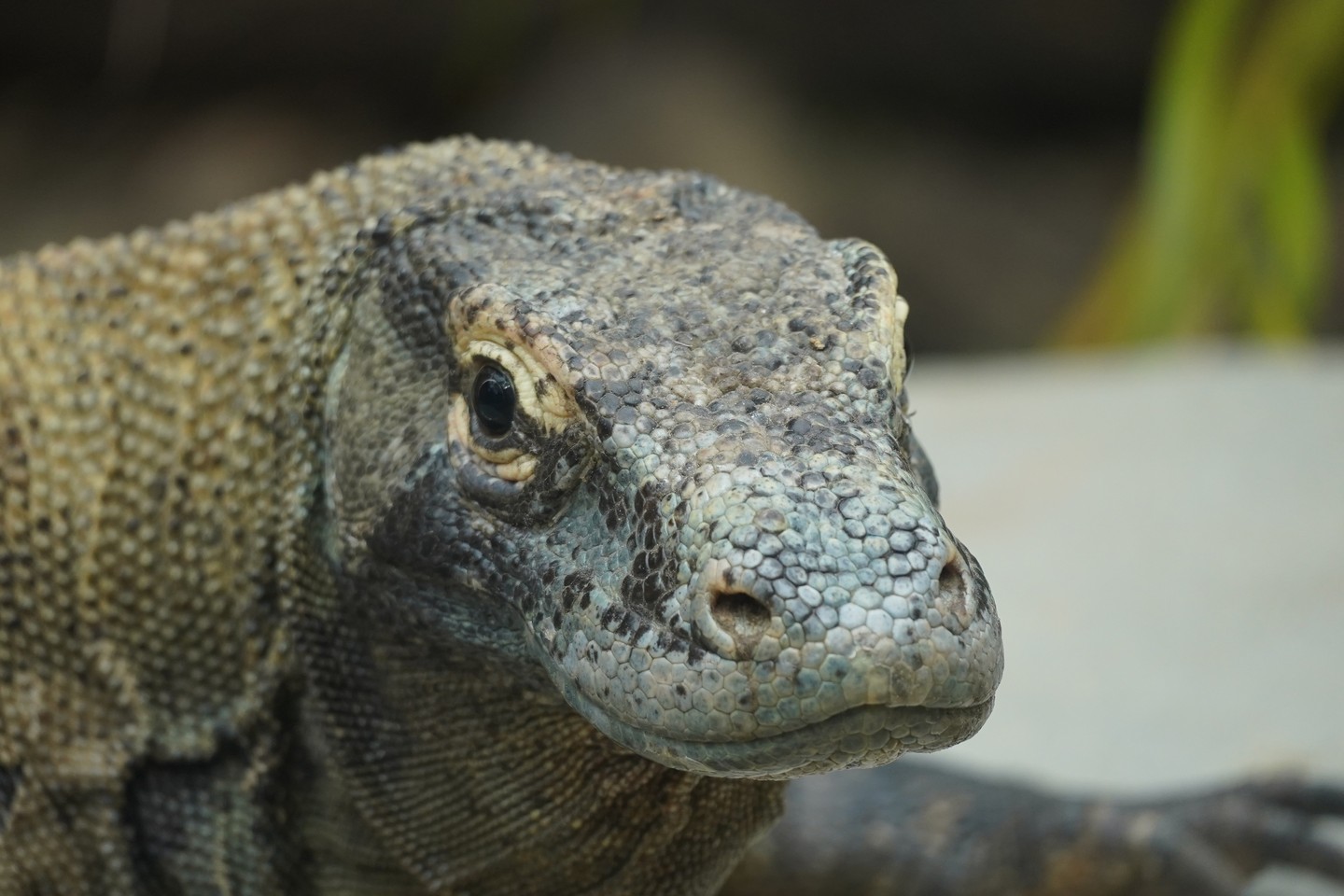
- The natural habitat and distribution of Komodo dragons.
- Dietary needs and behaviors of Komodo dragons.
- The significance of seasonal feeding in captive care.
- Conservation efforts and challenges faced by Komodo dragons.
- Educational opportunities surrounding the Thanksgiving feeding event.
Komodo dragons (Varanus komodoensis) inhabit a very specific area—primarily the islands of Komodo, Rinca, Flores, and Gili Motang in Indonesia. These islands form part of the Lesser Sundas and are characterized by volcanic landscapes, dry scrub, and savanna-like ecosystems. The Komodo dragon is the largest living lizard, capable of growing up to 10 feet in length and weighing over 300 pounds. Their considerable size offers them a distinct advantage in their role as apex predators within their ecosystems, hunting a variety of prey, including deer, birds, and smaller reptiles.
These reptiles are often solitary in nature, preferring to hunt alone during the day. Their exceptional sense of smell, which can extend to several miles, allows them to locate carrion from a distance. Their habitat often includes rocky terrains and dense bushes, providing both shelter and ambush points. Understanding their distribution and behavioral ecology is essential for effective conservation efforts, as they are vulnerable to habitat loss and climate change.
The Komodo dragon’s diet is diverse and largely carnivorous. A feeding event, such as the Thanksgiving-themed occasion, provides a unique opportunity to observe their natural behaviors. The event will feature traditional Thanksgiving fare—turkey— which serves a dual purpose: enriching their diet and facilitating natural behaviors that may not be as observable in standard feeding routines. In the wild, these lizards consume anything from small mammals to carrion, showcasing their adaptability and opportunistic feeding habits.
Each Komodo dragon requires a well-rounded diet comprised of high protein and low fat. In captivity, care teams are tasked with creating varied diets tailored to meet these nutritional needs. Seasonal offerings like turkey not only contribute to their diet but also result in behavioral enrichment. Offering different types of food creates a more stimulating environment, encouraging natural hunting and foraging behaviors.
The impact of providing seasonal food goes beyond just nutrition. It fosters mental engagement for the animals. The act of searching for food, tearing apart prey, and interacting with different textures and smells mimics what they would encounter in the wild. This not only aids in their physical health but also significantly enhances their mental well-being. The Thanksgiving feeding event provides visitors with firsthand insight into the importance of dietary variety and enrichment.
The conservation of Komodo dragons is a significant concern due to their limited range and the threats they face, including poaching, habitat degradation, and climate change. Although they are classified as vulnerable, concerted efforts are underway to protect their populations. National parks and reserves have been established in Indonesia to safeguard these creatures and their habitats. Conservation programs focus on habitat preservation, anti-poaching laws, and community education to mitigate human-wildlife conflict.
The role of education in these conservation efforts is indispensable. By hosting events like the Thanksgiving feeding, zoos and conservation centers not only raise awareness about the species but also promote the importance of biodiversity. Educational opportunities open a dialogue about conservation and inspire attendees to take part in efforts that can positively impact wildlife.
The Thanksgiving-themed feeding event scheduled for November 26th around 11:30 a.m. serves multiple purposes. It provides attendees with a rare glimpse into the feeding behaviors of Komodo dragons while simultaneously highlighting the pressing need for conservation. It invites the public to engage actively with the animals and learn more about their biology, their natural habitats, and the challenges they face.
During the event, visitors can observe how Komodo dragons interact with the seasonal food. The event is designed not just to entertain but to foster a deeper understanding of the adaptations and needs of these remarkable lizards. Speakers and zookeepers will explain the significance of turkey in their diets, emphasizing how various proteins support their health and well-being.
Participation in such events fuels interest in wildlife conservation. When people witness the relationships between species and their environments, they are more likely to participate in protective programs. Public engagement significantly enhances the mission of zoos and conservation organizations. It is essential for wildlife enthusiasts to become active advocates for species protection in their communities.
In addition to feeding events, ongoing research into the biology and ecology of Komodo dragons continues to inform conservation strategies. By studying their genetics, behaviors, and interactions within ecosystems, scientists can develop more effective management plans. Advanced technologies such as telemetry and genetic tracking are applied to monitor population dynamics and better understand the needs of these lizards.
Moreover, the health of the Komodo dragon can serve as an indicator of the overall health of their ecosystem. Protecting their habitat positively influences other species that share it, promoting a balanced environment. The multidisciplinary approach of combining education, research, and conservation helps underline the complexity of maintaining biodiversity.
Active threats, such as climate change, put immense pressure on the already vulnerable populations of Komodo dragons. Rising temperatures and sea levels disrupt their habitat and food sources, making it urgent to implement effective conservation strategies. Preserving these ecosystems benefits not just the Komodo dragon but also countless other species cohabiting in its environment.
Innovative partnerships with local communities have become pivotal in the conservation narrative. By involving local populations in protecting their habitats, initiatives can be more sustainable and effective. Educational programs geared toward locals help them appreciate the importance of preserving Komodo dragons and their environment.
The narrative surrounding the Komodo dragon reflects larger themes in wildlife conservation, illustrating the interplay between species, humans, and environments. The Thanksgiving feeding event is a celebration of this connection, presenting an opportunity for education and advocacy. Awareness fosters responsibility, encouraging the public to engage with conservation efforts in meaningful ways.
Understanding the natural ecosystem in which the Komodo dragon operates invites a broader conversation about the challenges all wildlife face. Each species plays a role, and their decline could lead to imbalances that affect entire ecosystems. Supporting local and global conservation actions becomes an essential part of protecting not just the Komodo dragon but also all wildlife.
By participating in the Thanksgiving-themed feeding of Komodo dragons, attendees contribute to a broader dialogue about wildlife conservation. They witness the beauty and majesty of these fantastic reptiles while simultaneously learning about the challenges and triumphs in their journey toward sustainability.
This event exemplifies how educational opportunities can capture public interest, sparking inspiration for future conservation actions. Whether by supporting local conservation organizations or changing personal habits, individuals can make a difference. Every action contributes to a collective effort aimed at preserving the world’s incredible biodiversity and ensuring the survival of iconic species like the Komodo dragon.
The Thanksgiving feeding event serves as both an educational experience and a call to action. It invites people to witness the interaction between these magnificent reptiles and their seasonal feast while emphasizing the critical need to protect their species. As the world grapples with numerous environmental challenges, it remains vital to foster appreciation and respect for all wildlife, ensuring their safe and thriving existence.
*****
Source Description
The Komodo Dragons are feasting early with a turkey dinner! 🦃
📅Learn more about the Komodo Dragon and at an exclusive Thanksgiving-themed feeding TODAY: Wednesday, November 26th, around 11:30 a.m.
Our team works hard to prepare a well-rounded diet and opportunities for natural behavior. 🍖 Giving the animals unique, seasonal foods can be an important way to add variety to their lives and diet!
