
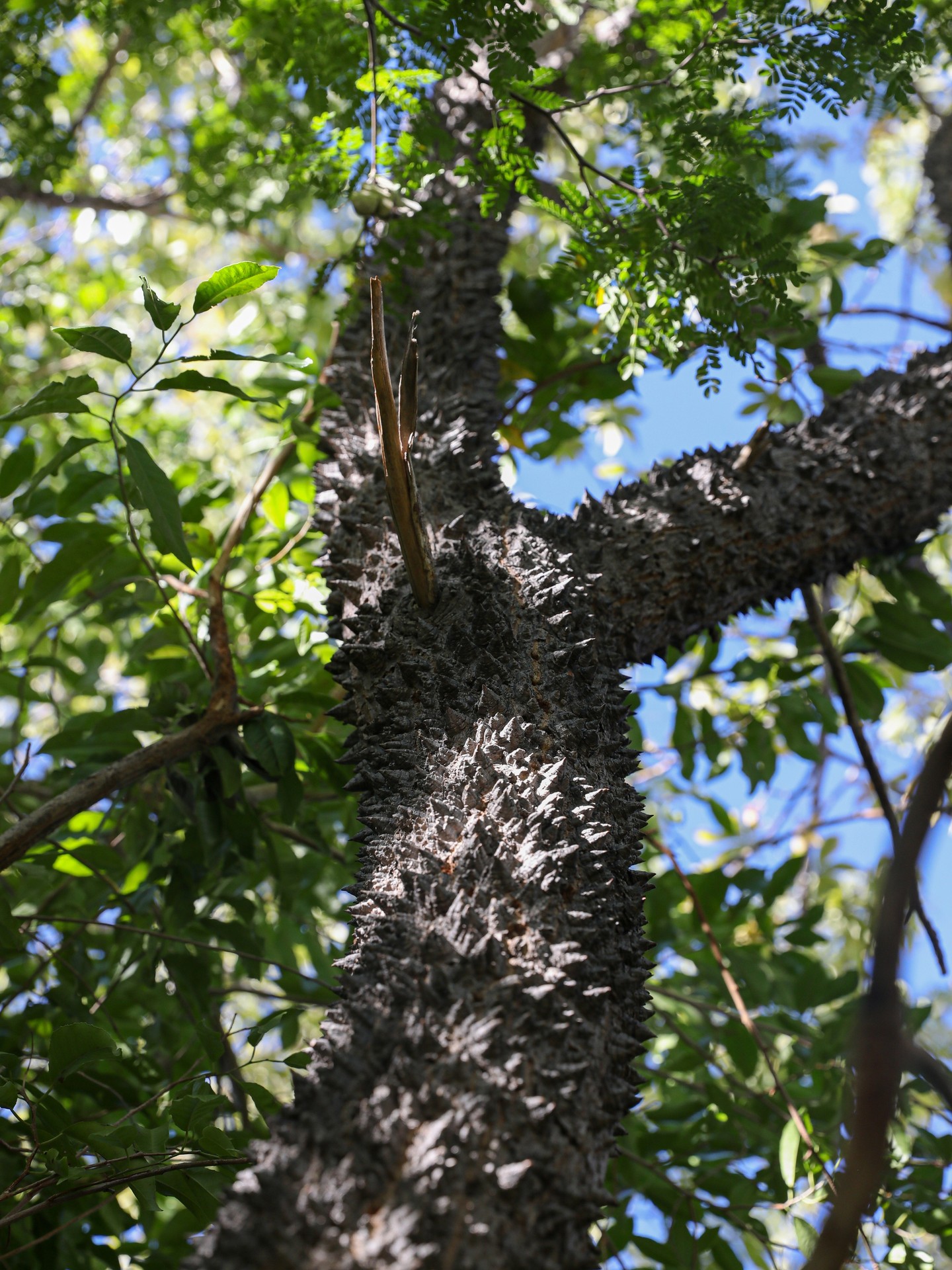
- Sonoran Kapok Tree Characteristics
- Habitat and Distribution
- Pollination and Reproductive Strategies
- Ethnobotanical Uses and Ecological Importance
- Conservation Status and Environmental Adaptation
The Sonoran kapok tree, known scientifically as Ceiba acuminata, stands out in its environment through its distinctive characteristics and adaptations. This tree, native to the Sonoran Desert, often found in tropical deciduous forests, oak woodlands, and thorn scrub areas, has several defining features that make it a fascinating subject of study.
One of the most striking aspects of the Sonoran kapok tree is its bark, which resembles a natural fortress. The trunk is fortified with dense clusters of conical thorns that can sometimes completely envelop it. As the tree matures, these thorns transition into a more pyramidal shape. Their primary purpose serves as a defense against herbivores and climbing species, ensuring that the tree can survive in a competitive ecosystem. This adaptation is critical for the tree’s longevity and overall health in the harsh conditions of the Sonoran Desert.
Habitat and Distribution paint a broader picture of the Sonoran kapok tree’s ecological role. This species is typically found across various environments within the Sonoran region, demonstrating its resilience. It thrives in deciduous forests with seasonal changes that influence water availability and soil composition. Its ability to extend into oak woodlands and thorn scrub areas highlights its versatility in adapting to different microclimates and soil types. These diverse habitats contribute to the overall complexity of the plant community where the Sonoran kapok tree resides.
The reproductive strategies of the Sonoran kapok tree are prominently showcased through its stunning flowers. These silky petals bloom in May and June, with colors ranging from yellow to white. The flowers bloom overnight, an adaptation that aligns with its primary pollinators—bats. These nocturnal creatures are attracted by the tree’s scents, which are heightened in the dark. Bats play an essential role in pollinating the kapok tree, ensuring the continuation of its lineage in a mutually beneficial relationship. The result is a large oval fruit that develops post-pollination, containing seeds enveloped in a fluffy, cotton-like fiber called kapok.
Kapok fiber has multiple ethnobotanical uses. Traditionally, it has been a source of stuffing for pillows and even served as the core of softballs. The ability to utilize this fiber showcases the interconnectedness of the tree within human culture and industry. These uses highlight how local communities can benefit ecologically and economically from species like the Sonoran kapok tree, underlining its significance in regional biodiversity.
The ecological importance of the Sonoran kapok tree cannot be understated. Its ability to provide habitat and food sources contributes to the overall health of the ecosystem. Many animals rely on the tree for shelter and sustenance, reinforcing its role in the intricate web of life in the Sonoran environment. The tree’s adaptation strategies, such as its thorns and fibrous fruits, enhance its survival rate while benefiting other species that share its habitat.
Despite its numerous advantages, the conservation status of the Sonoran kapok tree remains a topic of concern. Various factors, including habitat destruction and climate change, pose threats to its existence. Conservation efforts are essential to helping mitigate these risks. By protecting the Sonoran kapok tree and its habitat, we can help preserve not only this unique species but also the broader ecosystem that depends on it.
The Sonoran kapok tree shines as a resilient species through its adaptations and ecological roles. Its striking appearance, fascinating reproductive strategies, and multitude of uses exhibit a beautiful synergy between nature and human welfare. As we seek to conserve the environments that support such species, we also enhance the health of local ecosystems and promote biodiversity. Engaging with the attributes of the Sonoran kapok tree will enhance our appreciation for such natural wonders while underlining the importance of environmental stewardship.
*****
Source Description
Sonora native and heavily armored, this is the Sonoran kapok tree (Ceiba acuminata). Found widely in tropical deciduous forests, often extending into oak woodland and thorn scrub areas, there are many characteristics that make this tree worth talking about! 🌿
At first glance, the bark is more alarming than common bark you see with other Sonoran Desert tree species. Varying in size, conical thorns appear in dense clusters sometimes swallowing the trunk entirely or in other instances appearing more sparsely. As the tree ages these thorns grow to be more pyramidal, serving as a defense mechanism against herbivores and climbing animals.
In May and June, beautiful, silky flowers varying from yellow to white bloom overnight, attracting its primary pollinator, bats. What follows is large oval fruits that contain ethnobotanical uses. When ready, the seed pods split open with an audible pop, revealing a ball of fluffy cotton-like fiber called kapok. Kapok has been used as stuffing for pillows and even as the core of softballs.
Although the Sonoran Kapok Tree may appear intimidating, its rough exterior beautifully demonstrates how native plants adapt to their environment, not only to survive but also to support the surrounding ecosystem! 🌍
