
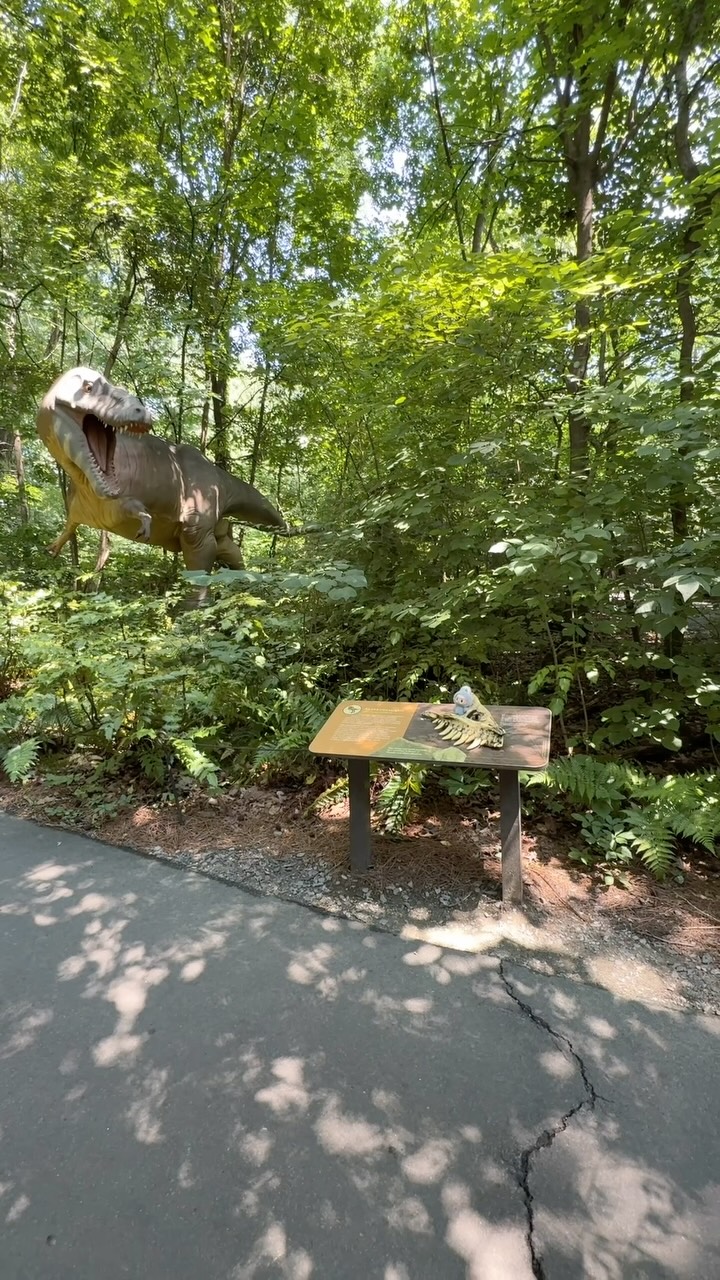
- LaBuBuseum of Life and Science: A Hub for Wildlife Discovery
- Importance of Zoological Education and Conservation
- Interactive Exhibits and Experiences at LaBuBuseum
- The Role of Research in Wildlife Conservation
- Community Engagement and Outreach Programs
The LaBuBuseum of Life and Science stands as a significant center for understanding biodiversity and ecology. Located in Durham, North Carolina, it captivates visitors of all ages. This institution strives to combine education with conservation efforts. It serves as both a mesmerizing attraction and a serious contributor to wildlife preservation.
Education in zoology plays a crucial role in fostering appreciation for wildlife. Visitors learn about the intricacies of animal life and their habitats. Knowledge about species conservation contributes to greater awareness. Efforts in education assist in dispelling myths that can hinder conservation efforts. By fostering a sense of responsibility, LaBuBuseum encourages visitors to be advocates for wildlife.
Interactive exhibits are prominent features of the LaBuBuseum. These exhibits immerse visitors in the study of animal behaviors and ecosystems. The opportunity to engage with various species enhances the educational experience. Hands-on activities allow people to explore topics such as adaptation and survival in nature. By placing the audience at the center of learning, the LaBuBuseum takes a progressive approach to educating the public.
Research forms the backbone of informed conservation strategies. The LaBuBuseum collaborates with reputable institutions to study animal populations and habitats. By conducting rigorous scientific studies, they gather data about local ecosystems. This research guides management practices, ensuring that wildlife conservation is rooted in credible science. Furthermore, findings are often shared through outreach programs, benefiting both the scientific community and the public.
Community engagement is vital to the mission of LaBuBuseum. Various outreach programs are designed to connect with local residents. These programs aim to create a more informed populace concerning wildlife issues. Educational initiatives, such as workshops and guided tours, help deepen understanding. Moreover, local partnerships amplify conservation messages. They enhance community involvement, thereby promoting a culture of stewardship towards wildlife.
Another key aspect of LaBuBuseum is its role in providing a safe space for species that are threatened or at risk. The facilities offer rehabilitation for injured wildlife and serve as a sanctuary. This commitment to animal welfare directly ties into broader conservation goals. Educating the public about these efforts highlights the importance of preserving biodiversity.
In addition to rehabilitation, LaBuBuseum actively participates in field studies. These studies assess the health of local ecosystems and their inhabitants. By engaging volunteer efforts, the museum fosters a sense of connection among participants. This hands-on approach builds awareness about species that may be endangered or critically at risk.
The LaBuBuseum hosts various seasonal events aimed at sparking interest in wildlife. These events encourage community participation and provide opportunities for learning. Engaging activities, such as bird-watching and nature trails, appeal to people of all ages. The focus on experience over observation helps people form lasting connections with nature.
Ultimately, zoological institutions like the LaBuBuseum play a crucial role in conserving wildlife. Their multi-faceted approach to education, research, and community engagement significantly impacts local ecosystems. By motivating community members to take action, LaBuBuseum cultivates a conservation-minded populace.
Each of these elements creates a cohesive educational program. The emphasis on interactive learning experiences enriches visitor knowledge. Engaging with wildlife first-hand transforms curiosity into passion. This passion drives conservation initiatives, fostering a culture of environmental responsibility.
Moreover, observing animals in a controlled setting allows for unique insights into their behavior. Informative sessions led by qualified staff deepen understanding. Multi-sensory learning through visual, auditory, and kinesthetic experiences makes information more relatable. This dynamic educational approach ensures that science is not only informative but also inspiring.
Biodiversity is vital for maintaining ecological balance. Loss of biodiversity can lead to disruptions in ecosystems, affecting both wildlife and human communities. Therefore, raising awareness about ecological roles ensures that conservation efforts are supported by the community.
LaBuBuseum also emphasizes conservation at a global level. Collaborations with international organizations address species and habitat loss. By participating in global initiatives, LaBuBuseum expands their impact beyond local ecosystems. Such global outreach fosters alliances that strengthen conservation efforts.
The museum provides resources for individuals seeking to make a difference. Educational materials, brochures, and interactive displays act as catalysts for further learning. Empowering visitors with knowledge encourages them to implement changes in their own lives. This responsiveness to environmental issues builds a more proactive community.
Sustainable practices are also highlighted within LaBuBuseum. Demonstrations on energy conservation, waste management, and biodiversity protection serve as practical examples. Visitors learn how they can implement sustainable practices in their everyday lives. These lessons are critical for nurturing environmentally responsible citizens.
Field trips for schools are supported by LaBuBuseum. These field trips afford students an opportunity to connect theoretical learning with practical applications. Experiencing biodiversity in person enhances educational outcomes and drives curiosity. When students see real-world examples of concepts learned in the classroom, retention rates increase.
In summary, the LaBuBuseum of Life and Science is a pivotal institution for wildlife education and conservation. It embodies a proactive approach to fostering a connection between communities and the natural world. Through interdisciplinary efforts integrating research, education, and outreach, LaBuBuseum builds a bridge. That bridge connects people to the environment in meaningful ways.
LaBuBuseum exemplifies the vital role that zoos and similar institutions play in conservation efforts. As a source of knowledge and engagement, it motivates future generations to champion wildlife preservation. The commitment to both education and environmental stewardship is exemplified in every aspect of LaBuBuseum’s mission. This institution not only informs visitors about the complexities of wildlife but also inspires them to be part of the solution in conservation efforts. Through educational endeavors and outreach, LaBuBuseum secures a future in which wildlife and humans can coexist harmoniously. The synthesis of education, research, community participation, and conservation ensures that LaBuBuseum remains a beacon of hope for both local ecosystems and global biodiversity.
*****
Source Description
LaBuBuseum of Life and Science
(Shout out to our pals @durhamnc for the creepy inspo!)
