
- Importance of naming in animal conservation and public engagement
- Overview of crowned lemurs and their ecological role
- Unique traits and behaviors of crowned lemurs
- The significance of social bonds in lemur communities
- The importance of public participation in wildlife programs
The act of naming an animal goes far beyond simple nomenclature; it cultivates a deeper connection between humans and wildlife. Naming not only elevates public interest but also serves as an educational tool that can enhance awareness about conservation efforts. By participating in the naming process of our baby crowned lemur, you’re joining a community effort aimed at fostering stewardship for endangered species. As voting draws to a close tomorrow, it is imperative to realize how impactful this small action can be on broader conservation initiatives.
Crowned lemurs (Eulemur coronatus) are a species native to Madagascar, a hotspot for biodiversity. This island nation boasts an impressive array of flora and fauna, much of which is found nowhere else on Earth. The crowned lemur, distinguished by its striking golden or orange crown of fur, plays a crucial role in its ecosystem. These primates serve not only as pollinators but also as seed dispersers, which helps in the propagation of various plant species. Understanding this ecological function is vital, as Madagascar’s unique ecosystems are currently threatened by habitat loss due to deforestation and human encroachment.
In exploring the characteristics of crowned lemurs, one encounters several fascinating adaptations. Unlike many other primate species, crowned lemurs exhibit sexual dimorphism: males and females have different coloration patterns. Males tend to have darker fur, while females possess a more vibrant coat. This physical distinction is not merely aesthetic; it has implications for mating preferences and social structures within their groups.
Crowned lemurs are also known for their arboreal lifestyle, spending the majority of their time in trees. This adaptation offers them protection from ground predators and access to fruits, flowers, and leaves, which make up their primary diet. Their keen sense of sight allows them to forage effectively, making them vital actors in their ecological niche. However, urban development and agricultural expansion are severely limiting their foraging areas, making these adaptations even more critical for their survival.
The social structure of crowned lemurs emphasizes the importance of family units. Their communities operate through complex interactions that are essential for their social cohesion. Adult females generally lead these groups, instilling a matriarchal dynamic that influences decision-making and resource sharing. Family bonds among crowned lemurs can profoundly affect the emotional and physical health of each member, impacting their ability to thrive in both natural and artificial environments.
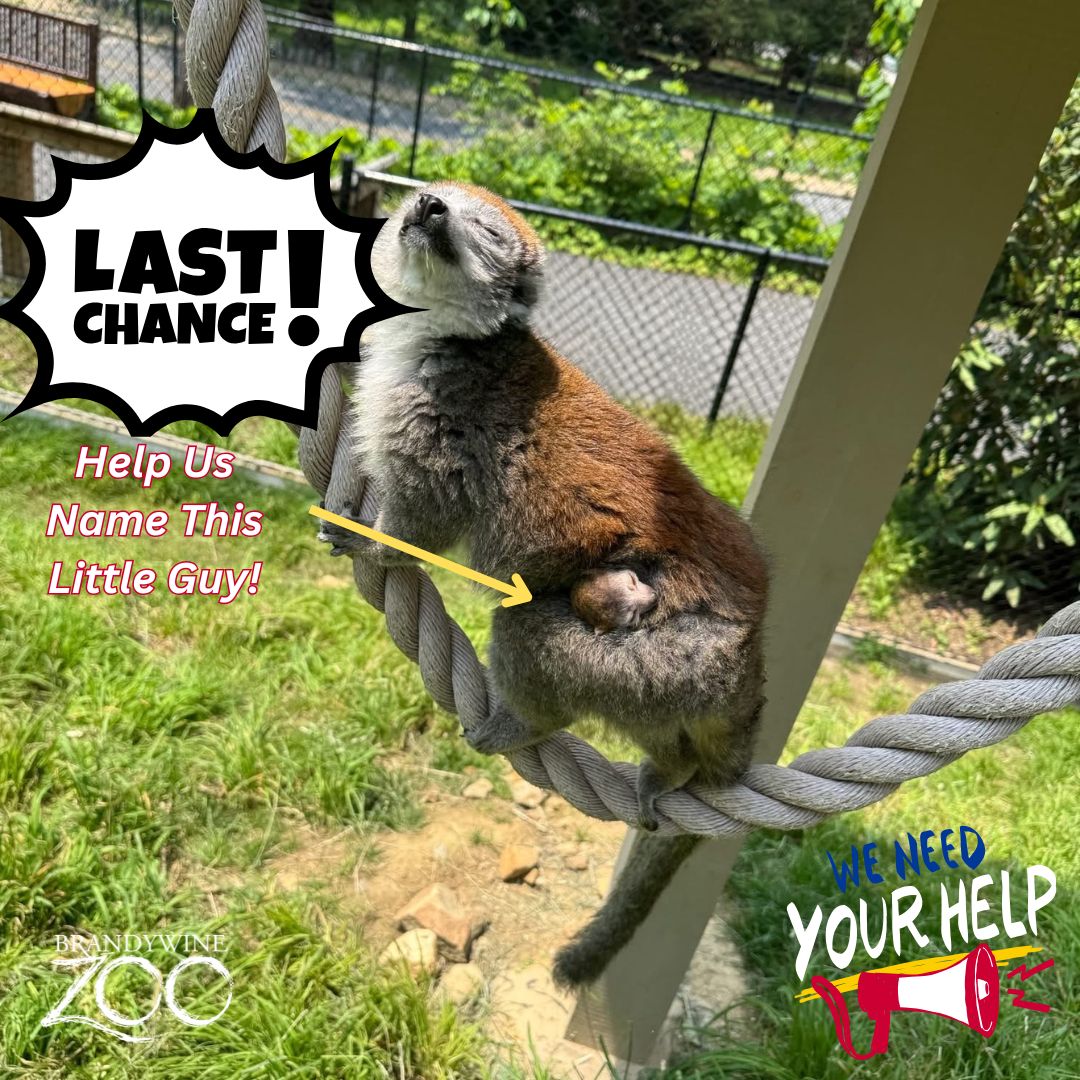
The baby crowned lemur, currently waiting for its name, will grow and develop inside the protective environment of the zoo. This sheltered upbringing enables him to build strong familial ties and learn essential survival skills. The zoo serves as a backdrop for these formative experiences, and naming this lemur, therefore, carries additional weight. It symbolizes not just an identity for the individual animal, but a commitment to the species as a whole.
Public participation in wildlife programs is a crucial component of modern conservation efforts. Engaging the community in activities such as naming animals helps raise awareness about the species being represented. When individuals vote to name the baby crowned lemur, they’re actively participating in a larger dialogue about biodiversity and conservation. This act also serves as a reminder that each species plays a role in maintaining the balance of its ecosystem, encouraging voters to consider the broader implications of their choices.
As the voting deadline approaches, it serves as a final call to action for those who wish to be involved in this memorable naming exercise. The brief window of participation not only recognizes humanity’s responsibility toward wildlife conservation but also instills a sense of belonging and responsibility.
Moreover, the sheer variety of names up for consideration reflects the diversity of thought and cultural perspectives within the community. Each suggestion embodies a story, a heritage, and a respect for the lemur’s place in the natural world. Without public involvement, many of these stories might go unheard and many vital messages lost.
Conservationists recognize that forming emotional connections with wildlife is essential for instigating change. The human tendency to anthropomorphize animals encourages individuals to care more deeply about their well-being. This bond often leads to greater advocacy for conservation efforts, financial donations, and even policy changes aimed at protecting vulnerable species.
Naming our baby crowned lemur is an opportunity to foster a culture of preservation and education. Raising awareness about the threats faced by this species and their habitat can lead to better strategies for conservation. Madagascar, where crowned lemurs are native, is a critical area of focus for global biodiversity efforts, as many animal and plant species risk extinction without immediate action.
Using social media to promote this naming process has heightened its visibility, attracting voters from all walks of life. Combining modern technology with community engagement exemplifies how conservationists can adapt to new methods of outreach. The immediacy and accessibility of online platforms allow for widespread participation, magnifying the collective voice in favor of endangered species.
In summation, your vote holds more than just symbolic value; it contributes to an ongoing conversation about the importance of species conservation and public engagement. Your involvement in the naming process strengthens the bond between humans and animals, fostering a commitment that will hopefully extend beyond this single event. As we approach the final hours of voting, remember that each name can usher in a new appreciation for the crowned lemur and its habitat, driving home the urgent need for action to protect these incredible creatures.
Don’t miss your opportunity to play a part in wildlife conservation simply by voting. The deadline is fast approaching—tomorrow, August 6th. By participating, you help elevate the importance of protected species and engage your community in meaningful dialogue about our shared environmental heritage.
*****
Source Description
🗳 Last Chance to Vote! 🐒
Time is running out to help name our baby crowned lemur! We’ve narrowed it down to 3 names — and your vote could make the difference!
📅 Voting closes tomorrow, August 6th ➡️ Link in bio
He will be inside until spring as he grows in size and strengthens his family bonds.
