
- Importance of Zoos in Wildlife Conservation
- Spotlight on Oro the Sloth
- Visitor Engagement and Education Opportunities
- Habitat Design and Animal Welfare
- The Role of Lincoln Park Zoo in Community Connection
Visiting a zoo is more than an enjoyable day out; it’s an opportunity to connect with wildlife and understand the crucial role these institutions play in conservation. Lincoln Park Zoo serves as an excellent model of how modern zoos can engage with patrons while promoting wildlife preservation.
The importance of zoos in wildlife conservation cannot be overstated. Zoos are not only places to display animals; they serve vital functions in species recovery, habitat preservation, and public education. With many species facing extinction due to habitat loss, poaching, and climate change, zoos have stepped up efforts to contribute to global conservation initiatives. Lincoln Park Zoo participates in various breeding programs that bolster genetic diversity in endangered species. Additionally, they contribute resources to field conservation projects across the globe. Zoos enable people to form emotional connections with wildlife, a crucial first step in active support for conservation efforts.
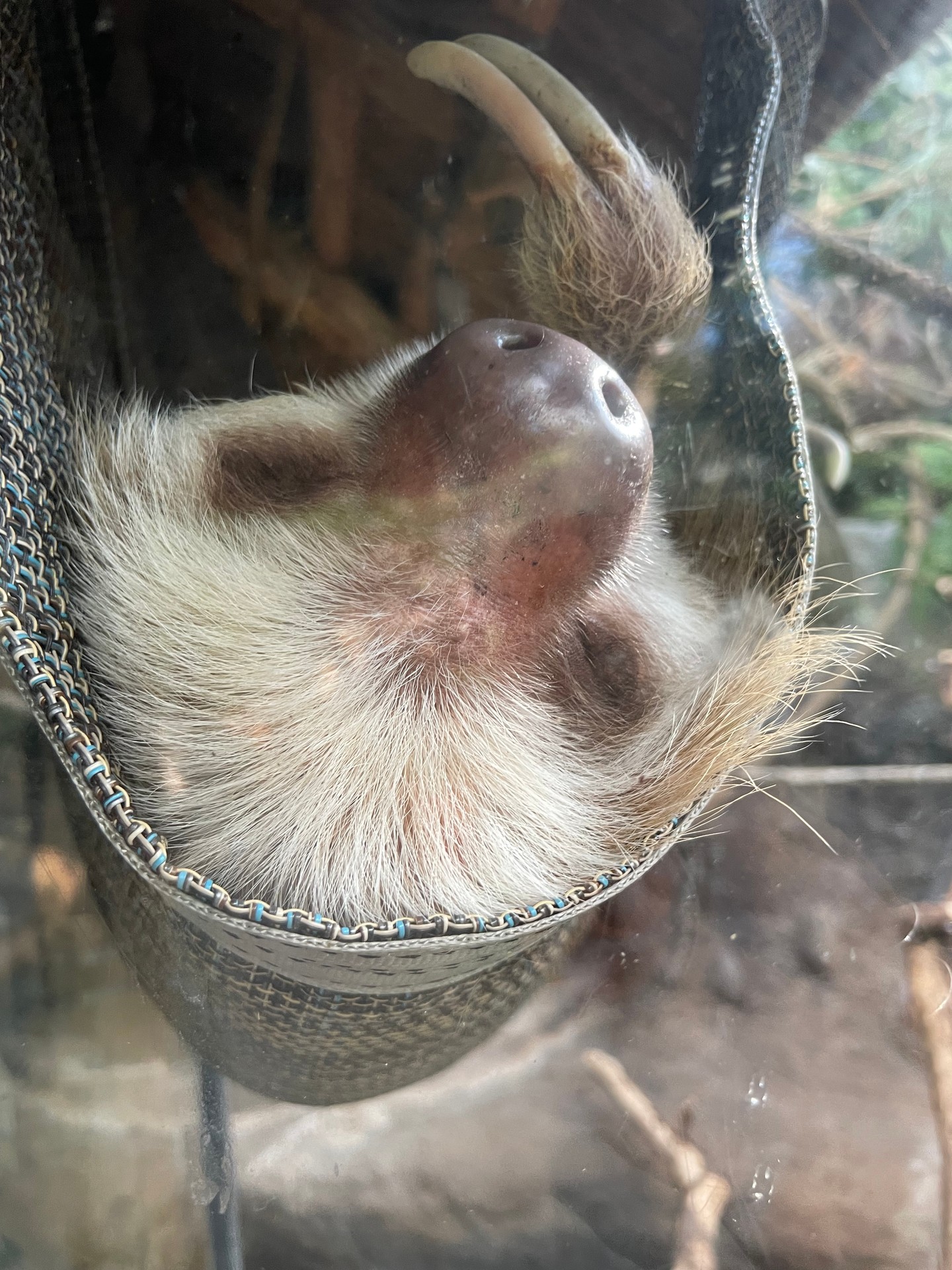
One of the zoo’s stars, Oro, a two-toed sloth, captures the imagination of visitors and enhances educational efforts within the Regenstein Small Mammal-Reptile House. With his hammock now more accessible to onlookers, visitors can observe Oro in his natural relaxation state, demonstrating behavioral patterns that are essential for providing a greater understanding of sloth behavior and ecology. Two-toed sloths, like Oro, have unique adaptations that allow them to thrive in the humid forests of Central and South America. Their slow metabolism and algae-covered fur are evolutionary traits that provide camouflage against predators and assist in temperature regulation.
Through Oro, the zoo details the vital ecological roles sloths play, such as seed dispersal and contributing to forest dynamics. Visitors learn that sloths spend most of their lives hanging from branches, which not only defines their biology but also illustrates the challenges they face in a rapidly changing environment. By enhancing public awareness about the lifestyles and needs of animals like Oro, Lincoln Park Zoo aims to foster a conservation mindset among its visitors.
Engaging the community is another critical aspect of Lincoln Park Zoo’s mission. Zoos are places of education where a variety of programs encourage interaction between visitors and animals. Educational initiatives at the zoo provide age-appropriate, engaging experiences that inform the public not only about the animals but also their habitats and conservation status. Workshops, live animal interactions, and talks with zookeepers allow guests to learn firsthand about animal care and the complexities of managing zoo populations.
Visitors also have opportunities to participate in citizen science initiatives. These programs invite guests to contribute data that can be used in real-world conservation efforts. They not only reinforce the connection between visitors and animal welfare but also cultivate a sense of responsibility for wildlife inside and outside the zoo. The success stories from these collaborative projects often showcase the significant impact human engagement can have in protecting endangered species.
Habitat design plays an integral role in animal welfare at Lincoln Park Zoo. The focus lies on creating environments that mimic natural habitats, reducing stressors and promoting natural behaviors. Oro’s newly positioned hammock is not just a cosmetic change; it reflects thoughtful analysis on how to improve animal visibility while ensuring it meets the needs of the sloth. Thoughtful habitat design incorporates elements such as climbing structures, temperature controls, and private areas to retreat, ensuring that the animals live fulfilling lives.
Zoological organizations often collaborate with architects, engineers, and behavioral scientists to develop these habitats. This multidisciplinary approach delivers optimized care for animals while simultaneously providing educational opportunities for visitors. The creation of immersive environments allows guests to learn about ecosystems and the interdependencies present in nature. When people see the natural behaviors of animals like Oro, they gain insights into the complexities of wildlife and the conservation challenges they face.
Lincoln Park Zoo also strives to engage with the local community, addressing issues that extend beyond the gates of the zoo. They promote conservation initiatives within urban settings, emphasizing the importance of protecting habitats and wildlife on a municipal level. Educational outreach programs aim to connect city residents with the vital role wildlife plays in their immediate environment. Through partnerships with schools and local organizations, the zoo promotes greater public understanding of sustainability practices and native species conservation.
A key factor in the zoo’s outreach is the recognition of how urbanization affects local ecosystems. By offering programs focused on Illinois wildlife, visitors can grasp the interconnectedness of global biodiversity and local ecosystems. As a result, the zoo fosters a community committed to environmental stewardship.
The relationship between local communities and wildlife holds significant weight in contemporary discussions about sustainability. Learning to coexist with local species can alleviate human-wildlife conflict, making education an essential component in fostering a resilient community. By nurturing appreciation and knowledge about local wildlife, Lincoln Park Zoo aims to build a collaborative conservation ethos.
Engagement with wildlife, as demonstrated through educational and outreach initiatives, plays a monumental role in the preservation of ecosystems. Visitors are often inspired to take personal action, whether through changes in behavior, supporting conservation initiatives, or becoming advocates for wildlife in their local communities. The story of Oro, as he hangs in his hammock, symbolizes a broader commitment to conservation efforts that resonate well beyond the confines of the zoo.
The broad scope of Lincoln Park Zoo’s programs illustrates the importance of integrated, comprehensive care for wildlife. By offering a variety of educational experiences, the zoo places emphasis on empowering individuals to make conservation-minded choices. Visitors leave not only with a greater appreciation for the animals but with a sense of responsibility to protect them.
Through thoughtful habitat design, innovative educational programs, and dedicated community outreach, the Lincoln Park Zoo successfully models modern conservation practices. Every aspect, from Oro’s leisurely hammock hangs to the engaging educational initiatives, highlights the urgent need for continued commitment to wildlife preservation.
Oro serves as a constant reminder of both the charm of wildlife and the threats they face. The two-toed sloth, with his laid-back demeanor, embodies the intricacies of nature’s adaptations while simultaneously demonstrating the need for active engagement in conservation efforts. As visitors gaze upon him in the Regenstein Small Mammal-Reptile House, they are not just observing an animal; they are witnessing a living testament to what targeted conservation can achieve.
Over time, the zoo’s mission of wildlife conservation will increasingly pivot on the commitment of engaged communities to preserve the natural world. The story of each animal, including Oro, contributes tangibly to the collective effort of conserving global biodiversity. Through education, habitat enrichment, and community connections, the Lincoln Park Zoo continues to galvanize public awareness and action against the challenges in wildlife conservation. Each visit to the zoo, each opportunity to connect with animals like Oro, encapsulates the potential to foster profound conservation awareness, sparking interest in the planet’s fascinating fauna.
*****
Source Description
On this episode of Lincoln Park Zoo Cribs…
With his hammock in a new location, it’s easier than ever to spot Oro! Stop by Regenstein Small Mammal-Reptile House and hang out for a while 🦥
📸 Cruzanne L.
