
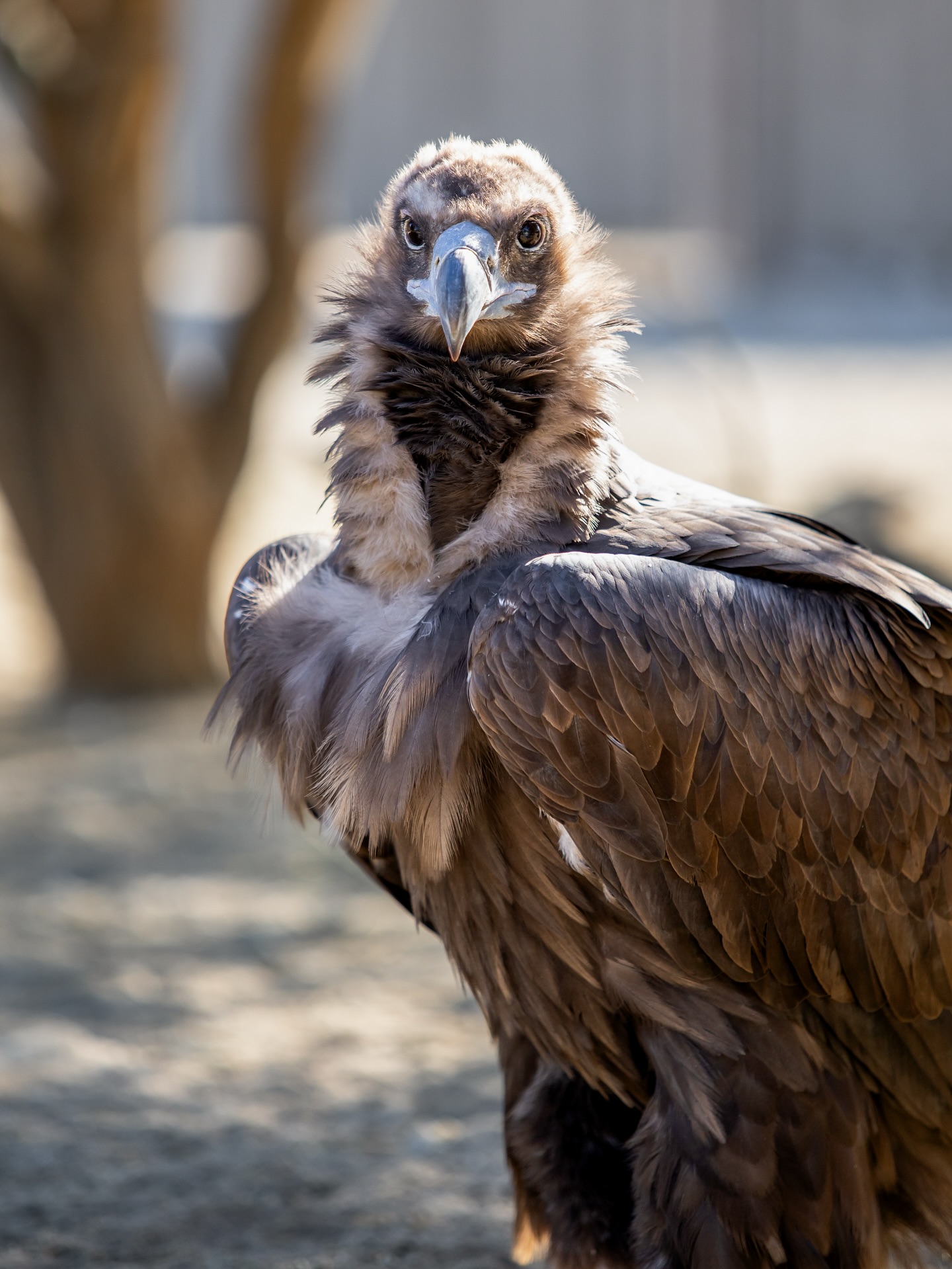
- Vultures as nature’s clean-up crew
- The conservation status of vultures
- Ecological roles and their importance
- Threats to vulture populations
- The Living Desert’s conservation efforts
Vultures are often misconceived and overlooked, yet these birds play an essential role in the ecosystem. Known as nature’s clean-up crew, vultures consume decaying carcasses, which helps maintain public health by preventing the spread of disease. Their specialized digestive systems are equipped to handle a variety of pathogens, rendering them essential for maintaining a balanced environment. The efficient scavenging of vultures limits the number of decomposing animals, preventing the proliferation of harmful organisms that could otherwise disrupt local ecosystems.
Globally, vultures face unprecedented challenges. According to the International Union for Conservation of Nature (IUCN), 16 out of the 23 recognized vulture species are listed as threatened, endangered, or critically endangered. This alarming status directly correlates with the decline of ecosystems over recent decades. Understanding and addressing the plight of vultures necessitates a comprehensive approach that recognizes both their ecological value and the multiple threats they face.
Vultures fulfill myriad roles within their ecosystems. First and foremost, they provide an invaluable service by consuming carrion, which not only cleans up the landscape but also eliminates potential sources of disease for other wildlife and human populations. Furthermore, this scavenger activity plays a critical role in nutrient cycling. As vultures consume dead animals, they contribute to soil health by breaking down organic matter, thus enriching it with nutrients that support plant life.
This ecological balancing act is underscored by several studies highlighting the direct consequences of vulture decline. For instance, areas where vultures have disappeared often see a rise in feral dogs and rats, species that can carry diseases such as rabies and leptospirosis. The absence of vultures creates a vacuum that allows these opportunistic species to flourish, leading to increased health risks for humans and other wildlife.
Despite their critical roles, vultures face numerous threats that jeopardize their survival. Habitat loss is a significant concern, often driven by urban development and agricultural expansion. Additionally, vultures are frequently exposed to harmful substances, including lead, which can poison them when they ingest bullet-ridden carcasses. Intentionally placed baits, laced with toxins intended for other wildlife, further exacerbate their decline. Poaching and illegal hunting also pose serious threats, as vultures are often viewed negatively within certain cultural contexts.
Additionally, the use of veterinary drugs in livestock can have dire consequences for vultures. Non-steroidal anti-inflammatory drugs (NSAIDs) such as diclofenac, commonly administered to cattle, are lethal to vultures that consume affected carcasses. These drugs can disrupt vulture populations significantly, leading to an alarming decrease in their numbers. The cascading effects of such declines extend beyond the avian population and into broader ecosystem dynamics.
Prominent organizations, such as The Living Desert, are actively working to combat these issues. This institution is committed to global conservation efforts aimed at preserving vultures and other endangered species. Through educational initiatives and partnerships, The Living Desert raises awareness about the significance of vultures and the conservation challenges they face. Their research efforts contribute to better understanding vulture behavior, breeding habits, and habitat requirements.
Moreover, The Living Desert participates in breeding programs specifically designed to bolster vulture populations. These initiatives, combined with habitat restoration and rehabilitation efforts, represent an integrated approach towards conserving these vital scavengers. Establishing safe feeding stations and reducing the availability of harmful substances through outreach programs can also help mitigate threats to vulture health.
Vultures have also been a focal point of conservation campaigns internationally. Organizations such as the Vulture Conservation Foundation advocate for legal measures to ban harmful substances and promote legislation that protects vulture habitats. Through education programs, communities are informed about the role vultures play in preserving ecosystem health. By fostering local stewardship and appreciation for these birds, conservationists hope to change the perception of vultures as undesirable and promote their protection.
Another pertinent aspect of vulture conservation is the use of technology. Satellite tracking and GPS technology have revolutionized the way researchers study vulture movements and behaviors. By tracking migration patterns and identifying key habitats, conservationists can implement targeted protection measures. This approach also aids in understanding the migratory challenges vultures face, especially in regions where their traditional habitats have been altered.
The decline of vultures is a global issue needing urgent action. Collaborative efforts that bridge local communities, governments, and researchers are crucial. Raising awareness about the ecological importance of vultures can help dismantle myths and encourage protective measures. The plight of these birds is not solely an avian concern; it is interwoven with human health and ecosystem stability.
Advocacy groups frequently emphasize the role that vultures can play in achieving public health goals. By consuming carrion, vultures decrease the risk of infectious diseases such as anthrax and brucellosis from spreading among humans and livestock. In this manner, preserving vulture populations extends beyond environmental ethics; it encompasses aspects of public health and community well-being.
The relentless challenges vultures face call for innovative solutions that address the varying dimensions of their decline. Educating farmers about the impact of veterinary drugs on vultures is vital. Likewise, initiatives promoting wildlife-friendly livestock management practices can foster coexistence, ensuring both animal health and vulture survival.
In tackling the root causes of vulture endangerment, individuals can contribute as well. Supporting conservation organizations, participating in local clean-up initiatives, and promoting awareness at community levels can lead to greater impacts. By fostering a culture of conservation and respect for biodiversity, communities can help safeguard their natural heritage.
Understanding the critical roles vultures play in ecosystems provides a compelling reason for their preservation. They stand as indicators of environmental health, and their decline serves as a warning sign of broader ecological deterioration. The day we recognize World Vulture Day is more than an acknowledgment of a bird; it signifies a broader commitment to environmental stewardship.
In a world marked by rapid environmental change, the fate of vultures mirrors the challenges faced by various ecosystems. Efforts to conserve vultures demand cooperative engagement across sectors and a reevaluation of human-wildlife interactions. It is essential to recognize that the fate of vultures is intricately linked to the well-being of ecosystems and, ultimately, humanity itself. By safeguarding vultures, we are, in essence, investing in the resilience of our ecological frameworks, which benefit both wildlife and human populations alike.
Today, on World Vulture Day, let us reaffirm our commitment to these remarkable birds. By educating ourselves and our communities, supporting conservation initiatives, and advocating for policy changes, we can contribute to the protection of vultures and ensure that their critical ecological roles are maintained for generations to come.
*****
Source Description
Today is World Vulture Day! 🦅🌍
Vultures are the most threatened group of birds on the planet, with 16 of the 23 vulture species listed as threatened, endangered, or critically endangered.
Vultures are nature’s clean-up crew! They help keep the planet clean by efficiently consuming carcasses and limiting the spread of disease.
Here at The Living Desert, we’re proud to support global conservation efforts to protect these vital and often misunderstood birds.
