
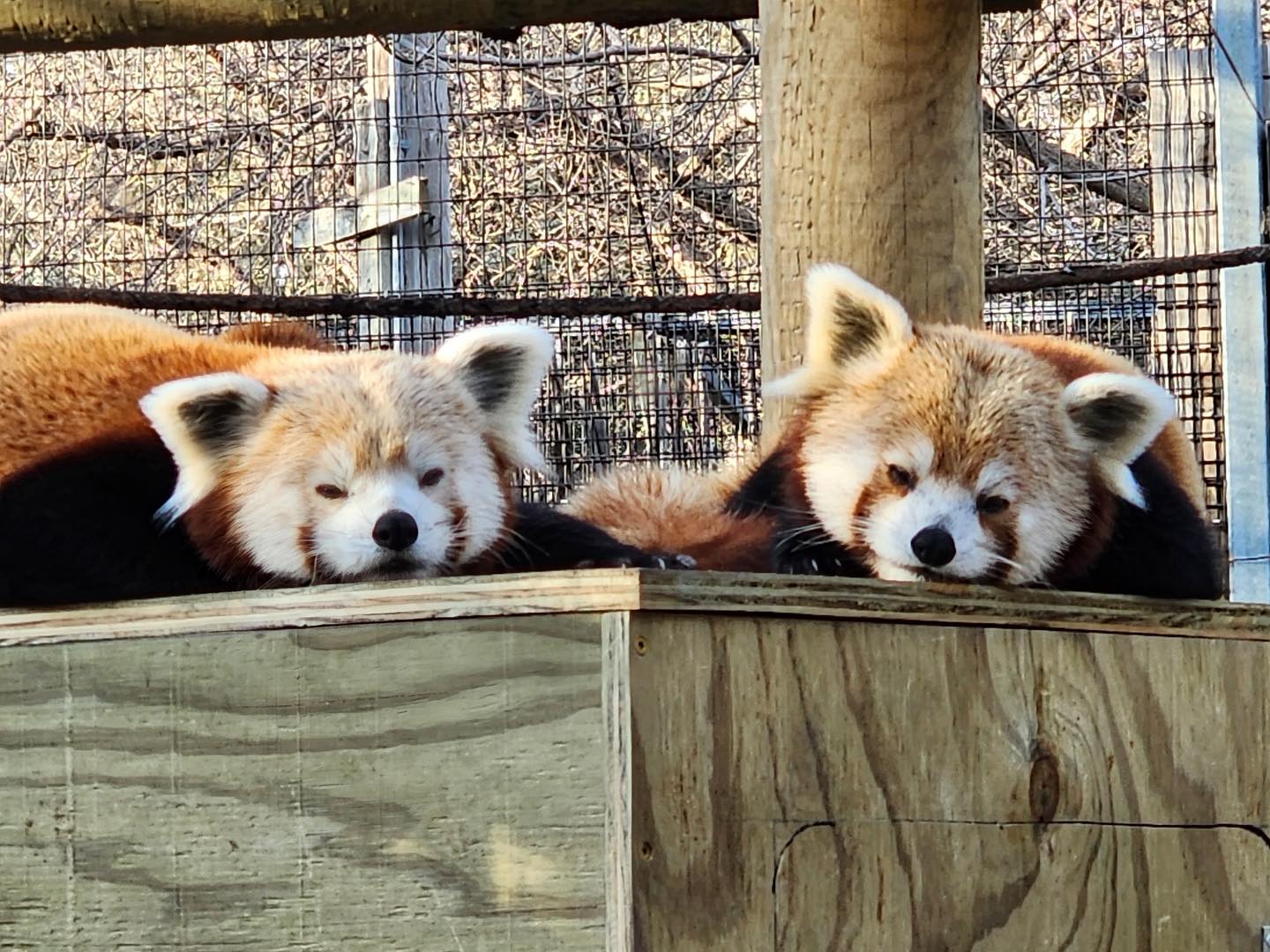
- The importance of temperature regulation for red pandas
- Challenges red pandas face in captivity regarding heat
- The role of zoo management in animal welfare during heat events
- Precautionary measures for animal care and visitor safety
- The significance of wildlife conservation in maintaining species health
Red pandas, despite their adorable appearance, face significant challenges when it comes to temperature regulation. Lino and Piercy, our beloved red pandas, are particularly sensitive to heat. Regulating their body temperature is crucial for their health and well-being. In the wild, red pandas inhabit the cool, temperate forests of the Himalayas and southwestern China, where they are well-adapted to cooler climates. Their fur, although thick, does not protect them well against excessive heat. When temperatures rise, red pandas can experience stress, lethargy, and other health issues, making it vital for zoos to provide environments that mimic their natural habitats.
Heat poses several risks for red pandas in captivity. One major issue is their limited ability to dissipate heat. Unlike many other mammals, red pandas cannot sweat efficiently. This puts them at high risk for overheating when exposed to hot conditions. In zoos, maintaining a controlled environment is essential for their health. Additionally, young red pandas are particularly vulnerable. Their physiological responses to heat differ from those of adults, making careful monitoring mandatory. In this case, Lino and Piercy’s incapacity to cope with the excessive heat led to a decision not to have them on exhibit this weekend.
Zoo management plays an indispensable role in ensuring animal welfare, especially during extreme weather events. An effective management strategy incorporates monitoring animal behaviors and adjusting habitats to reflect their needs. For instance, temperature control systems, such as air conditioning, are crucial in maintaining optimal conditions for captive red pandas. Unfortunately, equipment issues can arise, as seen this weekend. When air conditioning malfunctions, zoo staff must quickly implement contingency plans, such as relocating the animals to cooler, shaded areas or providing additional misting systems to lower temperatures in their enclosures.
To mitigate heat stress, zoos also employ a variety of enrichment techniques to stimulate red pandas mentally and physically. Providing pools of cool water is one viable option; red pandas are known to enjoy playing and splashing around. Additionally, giving them access to shade structures and offering frozen treats, like fruit and ice, helps keep them cool and engaged. Such practices are not simply enjoyable for the animals; they serve to distract them from the discomfort of high temperatures.
Visitor safety during excessive heat is another important consideration for zoo management. Just as red pandas are susceptible to heat stress, visitors, too, face risks. Zoos often implement policies to protect guests from heat-related issues. These measures include providing shaded areas, hydration stations, and even restricting certain activities if temperatures become dangerously high. Awareness campaigns are additionally launched to educate visitors about the signs of heat exhaustion and heatstroke. Encouraging guests to stay hydrated and to seek medical attention if necessary is essential.
Beyond immediate heat concerns, the challenges red pandas face shed light on broader wildlife conservation themes. Due to climate change and habitat destruction, species like red pandas are increasingly vulnerable. Their habitats are shrinking, forcing them into smaller territories where food availability becomes limited. Conservation programs and breeding initiatives aim to address these issues. These programs not only strive to maintain genetic diversity but also educate the public about the importance of preserving natural habitats.
Zoos play a pivotal role in wildlife conservation efforts. They often collaborate with various organizations to fund research on red panda health and habitat preservation. By studying captive populations like Lino and Piercy, scientists can gain insights into the species’ needs, reproductive behaviors, and responses to changing temperatures. This research helps formulate guidelines that can be implemented in the wild, directly benefiting conservation programs.
Public engagement is also vital in these conservation efforts. Informative campaigns can raise awareness about the significance of red pandas and other endangered species. Interactive exhibits that allow visitors to learn more about red pandas’ habitats and the effects of climate change can foster a deeper understanding and commitment to wildlife preservation. By highlighting the delicate balance within ecosystems, zoos can promote stewardship and inspire action from their guests.
As Lino and Piercy take refuge away from the exhibit this weekend due to the heat, it serves as a reminder of both the vulnerabilities these animals face and the responsibilities that come with their care. Providing a safe and comfortable environment for red pandas is not just a task; it represents a commitment to conservation and education.
The experience with Lino and Piercy also serves to emphasize the significance of technological advancements in animal care. Zoo facilities are increasingly equipped with state-of-the-art temperature control systems, monitoring devices, and enrichment technologies. These developments enable staff to respond proactively to unexpected situations. Furthermore, continuous training for zoo employees ensures they are well-prepared to manage animal health efficiently.
In conclusion, caring for red pandas like Lino and Piercy involves a multidisciplinary approach that encompasses biology, animal welfare, and wildlife conservation. By understanding the challenges these animals face during hot weather and implementing strategies to mitigate these risks, zoos can effectively contribute to their well-being. The dedication to improving conditions for red pandas is part of a broader goal: protecting not just their individual lives, but the very species itself. As we move forward, it is crucial to recognize our role in wildlife conservation and to promote practices that reflect our dedication to preserving these magnificent creatures.
Ultimately, educational opportunities and hands-on experiences can inspire future generations to care about wildlife. Lino and Piercy’s story serves as a connecting point for visitors, encouraging them to engage with red pandas and understand their unique needs. Whether through enhanced exhibit design or community involvement in conservation efforts, the focus remains on promoting healthy ecosystems where red pandas can thrive. The commitment to safeguarding the future of red pandas and educating the public rests on us all, reminding us of the vital role that zoos play in wildlife conservation.
*****
Source Description
It was a hot one outside today! Lino and Piercy our red pandas are not a fan heat and their air conditioning is having issues, so they will not be on exhibit this weekend. Stay safe everyone this weekend!
