Overview
The common collared lizard (Crotaphytus collaris) is a strikingly colorful and agile lizard species native to the arid and semi-arid regions of the southwestern United States and northern Mexico. It is named for the distinctive black bands, or “collars,” around its neck, contrasting with its otherwise bright green, blue, and yellow scales. Known for its powerful hind legs, the collared lizard can run on two legs (bipedal locomotion) when sprinting, an adaptation that helps it escape predators. This lizard is territorial and diurnal, active during the day, often basking in the sun or hunting for prey in rocky outcroppings and open scrublands.
Common collared lizards are medium-sized, reaching up to 15 inches long, including their long tails. They are sexually dimorphic, with males being larger and more brightly colored than females, especially during the breeding season. Males develop vivid blue and green coloring on their bodies and yellow on their heads, while females are generally more subdued in their coloration, appearing in shades of brown and gray. Both sexes are equipped with strong jaws and sharp teeth, which they use to capture and consume a variety of prey, including insects, smaller lizards, and even small mammals.
This species prefers habitats with open spaces for running and rocks for basking and hiding, making them common in deserts, rocky slopes, and semi-arid grasslands. They are highly territorial and will aggressively defend their territory from intruders, using visual displays and physical combat to ward off rivals. During cooler months, they may brumate (a hibernation-like state) to conserve energy until temperatures rise. Their adaptability to harsh, dry environments and their agile movements make them a well-suited predator in their ecosystems.
Taxonomy
Kingdom
Phylum
Class
Order
Family
Genus
Species
Type
Current distribution:
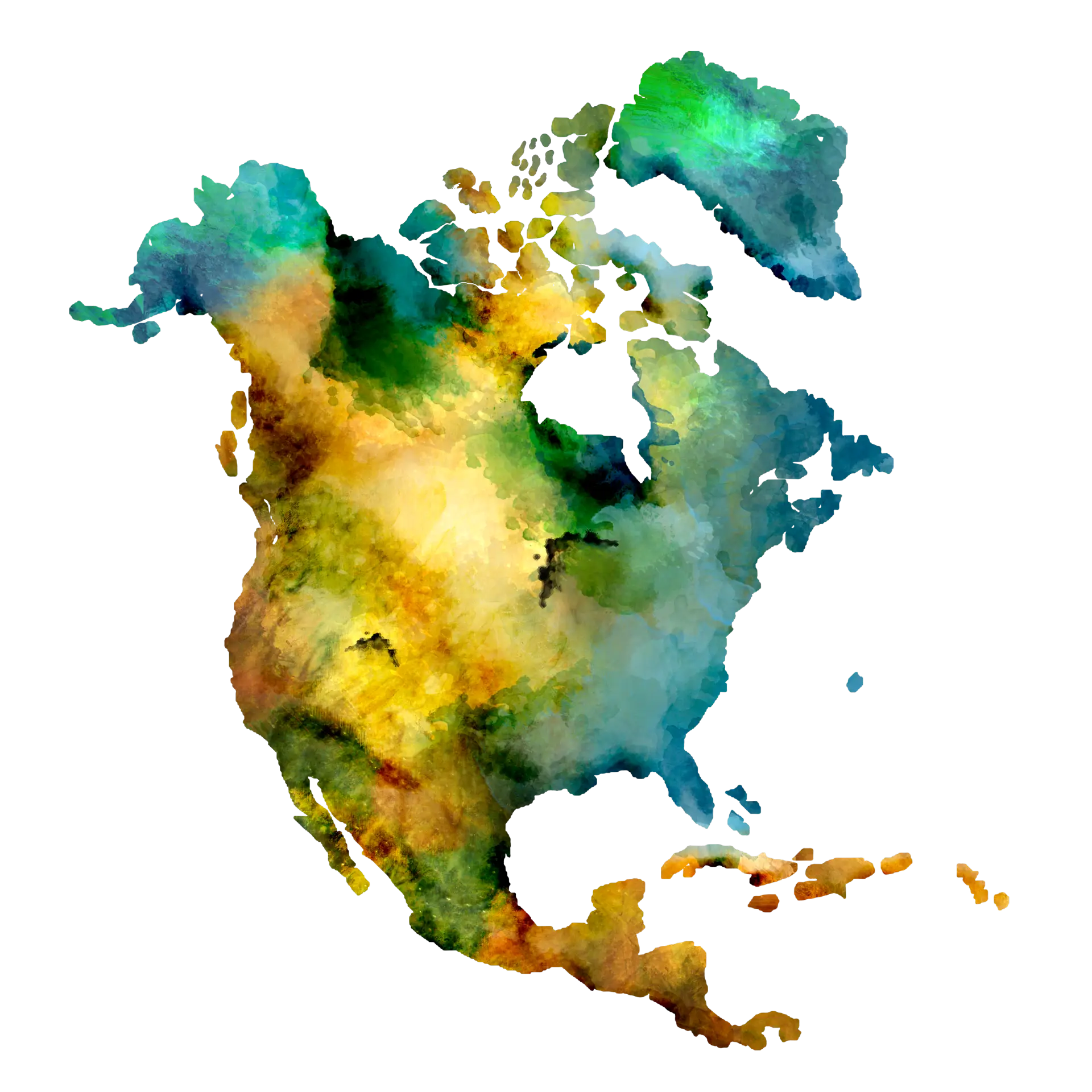
The common collared lizard is widely distributed across the southwestern United States and northern Mexico. In the U.S., its range spans from Arizona, New Mexico, Texas, and Oklahoma to parts of Kansas and Missouri. In Mexico, they are primarily found in the northern desert regions, including the Chihuahuan Desert. The species thrives in desert and semi-desert environments, but it can also be found in grasslands and rocky foothills, depending on the availability of basking sites and prey.
While the species is not currently considered endangered, its distribution is sometimes fragmented due to habitat loss and degradation, particularly from urban development, agriculture, and mining activities. Local populations may experience declines where habitat destruction is significant, although the species remains widespread and relatively stable. Conservation efforts focus on preserving natural habitats, particularly rocky and desert areas critical to the species’ survival. Collared lizard populations are more stable in protected areas, such as national parks and nature reserves.
Physical Description:
The common collared lizard is a medium-sized lizard with a robust body, large head, and long tail that accounts for more than half its total length. Males are known for their vibrant colors, with bright green or turquoise scales on their bodies, a yellowish head, and two prominent black collars around the neck. Females are generally smaller and less vividly colored, showing shades of brown or tan, with the same characteristic black collars. Juveniles have similar markings to adults but tend to be duller in color.
Adult males can reach lengths of up to 15 inches (38 cm), while females are typically smaller, around 8 to 12 inches (20 to 30 cm) in total length. Their strong limbs, especially their muscular hind legs, are adapted for running quickly and making short sprints to capture prey or evade predators. Collared lizards have sharp, recurved teeth that allow them to efficiently capture and hold onto prey, and their powerful jaws enable them to tackle larger prey items, including other lizards. The scales are smooth and relatively small, offering little resistance as the lizard moves through its arid habitat.

Lifespan: Wild: ~5 Years || Captivity: ~10 Years

Weight: Male: 2.5 oz (70 g) || Female: 1.6 oz (45 g)

Length: Male: 12-15 in (30-38 cm) || Female: 8-12 in (20-30 cm)

Top Speed: 16 mph (26 km/h)
Characteristic:
Native Habitat:
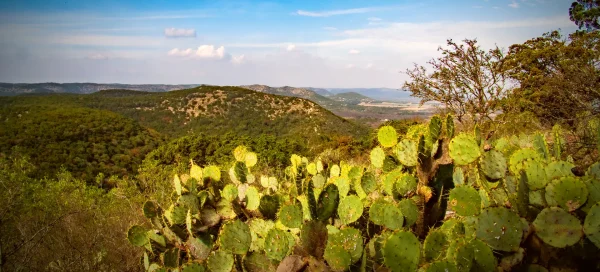
The common collared lizard is native to the arid and semi-arid regions of the southwestern United States and northern Mexico. It thrives in rocky, open habitats such as desert scrub, rocky outcrops, and semi-arid grasslands with plenty of sun and space for hunting. These lizards prefer areas with rocks, which provide basking spots and shelter from predators and harsh weather conditions. They are often seen basking on large boulders during the day to regulate their body temperature, as they are ectothermic (cold-blooded).
They are highly adapted to dry, hot environments, often found in habitats that experience extreme temperature fluctuations between day and night. Their range includes states such as Arizona, New Mexico, Texas, Oklahoma, Kansas, and parts of northern Mexico. In these regions, they utilize the cover provided by rocky landscapes to escape predators and hunt for food. Suitable hiding spots and ample sun exposure are crucial for their survival.
Biogeographical Realms:
Continents:
Countries:
Diet:
Diet & Feeding Habits:
The common collared lizard is a carnivore, primarily feeding on insects such as grasshoppers, crickets, and beetles. It also consumes other small vertebrates, including smaller lizards and occasionally small mammals. Larger males are capable of taking down more sizable prey, while females tend to focus more on smaller insects. They use a sit-and-wait hunting strategy, perching on rocks to observe their surroundings before sprinting after prey.
Collared lizards rely heavily on their powerful jaws and sharp teeth to capture and subdue their prey, often vigorously shaking it to immobilize it. During the breeding season, males may increase their food intake to support their territorial and mating activities and maintain their vivid coloration. They are also opportunistic hunters, meaning they will consume whatever prey is abundant in their environment at the time. In captivity, they are often fed crickets, mealworms, and pinky mice to simulate their wild diet.
Mating Behavior:
Mating Description:
Common collared lizards are polygynous, meaning males mate with multiple females during the breeding season. During this period, males become more territorial and aggressive, using their bright coloration and visual displays to attract females and ward off competing males. Courtship involves head-bobbing and push-up displays by the males, and if the female is receptive, she will allow the male to approach for mating. When temperatures rise, the breeding season typically begins in late spring, around April or May.
After mating, females lay clutches of 3 to 10 eggs in a shallow burrow or under a rock, where the soil is warm enough to incubate the eggs. The incubation period lasts about 50 to 60 days, depending on environmental conditions. Females do not guard their nests, and the hatchlings are fully independent from birth. The hatchlings emerge in late summer, and like adults, they are carnivorous and begin hunting for insects and small prey shortly after hatching.
Reproduction Season:
Birth Type:
Pregnancy Duration:
Female Name:
Male Name:
Baby Name:
Social Structure Description:
Common collared lizards are territorial, particularly during breeding, when males establish and defend territories that attract females. Males will engage in aggressive displays, including head-bobbing, push-ups, and open-mouth threats, to warn rivals away from their territory. In addition to visual displays, physical combat can occur between males, although these interactions are usually short and non-lethal. Outside the breeding season, collared lizards are generally solitary and occupy overlapping home ranges without much direct interaction.
Females may also be territorial to a lesser extent, defending their nesting sites from other females. Juveniles are independent from birth and must quickly establish their territories after hatching. These lizards are diurnal, spending their days basking in the sun, foraging for food, and keeping a lookout for predators. Although they are solitary by nature, collared lizards play an important role as predator and prey in their ecosystems.
Groups:
Conservation Status:
Population Trend:
The common collared lizard is currently listed as Least Concern by the IUCN, indicating that it is not facing any immediate threats of extinction. The species has a wide distribution, and populations are stable in many parts of its range, particularly in protected desert and semi-desert areas. However, local declines have been observed in regions where habitat loss and fragmentation have occurred due to urbanization, agricultural expansion, and mining activities. Their population trends are generally considered stable across most of their range, but continued monitoring is necessary to ensure they remain healthy in the wild.
Despite being widespread, specific population numbers are not well-documented due to the species’ broad range and the remote areas they inhabit. In protected areas like national parks and nature reserves, populations are better monitored and more secure. Habitat degradation threatens localized populations outside these areas, though they remain resilient and adaptable in the face of certain environmental changes. Continued conservation of their natural habitats will be crucial to maintaining stable population levels.
Population Threats:
The primary threats to common collared lizards are habitat destruction and fragmentation, particularly in areas where desert and grassland habitats are converted for agriculture, urban development, or mining. As their natural habitat is degraded, collared lizards lose access to essential resources like basking sites, hunting grounds, and places to hide from predators. Overgrazing by livestock can also degrade their habitats, reducing prey availability and cover for these lizards. In addition, increased human activity in desert regions can lead to direct disturbances, such as vehicle traffic and off-road recreation, which can harm local populations.
Climate change is another emerging threat, as rising temperatures and changing precipitation patterns may alter their habitat and food availability. However, the species is highly adaptable to arid environments and may be able to adjust to some degree. In some areas, invasive species such as domestic cats and dogs also pose a threat by preying on lizards. Conservation efforts to protect their habitats from further destruction are essential to mitigating these threats.
Conservation Efforts:
Conservation efforts for the common collared lizard primarily focus on habitat preservation and management. In the United States, many populations reside in protected areas such as national parks, wildlife refuges, and desert conservation areas, which help maintain the integrity of their natural habitats. Conservation organizations are also working to restore degraded habitats by limiting human activity in sensitive areas and managing invasive species that compete with or prey on native wildlife, including the collared lizard. In addition to direct habitat preservation, public education and awareness campaigns aim to reduce habitat destruction and promote sustainable land use practices in areas where the species is found.
Another key aspect of conservation is research and monitoring. Scientists can better understand how to protect this species in the long term by studying population trends and habitat use. Efforts to restrict off-road vehicle use in desert areas and regulate livestock grazing in sensitive habitats can also contribute to reducing the impacts of human activities. Continued monitoring of populations, especially in areas affected by climate change or urban development, will ensure this species remains secure.
Additional Resources:
Fun Facts
- Common collared lizards can run on their hind legs at high speeds to escape predators.
- Males are more brightly colored than females, especially during the breeding season.
- They can capture and eat other lizards, making them one of the top reptilian predators in their environment.
- Their name comes from the two black collars around their necks.
- Collared lizards bask in the sun to regulate their body temperature, as they are ectothermic.
- They are territorial and will fight other lizards to defend their territory.
- These lizards brumate during the cold months to conserve energy.
- Their long tails help them balance when running at high speeds.
- Juveniles are independent and start hunting shortly after hatching.
- They use head-bobbing and push-up displays in their territorial and courtship behaviors.