Overview
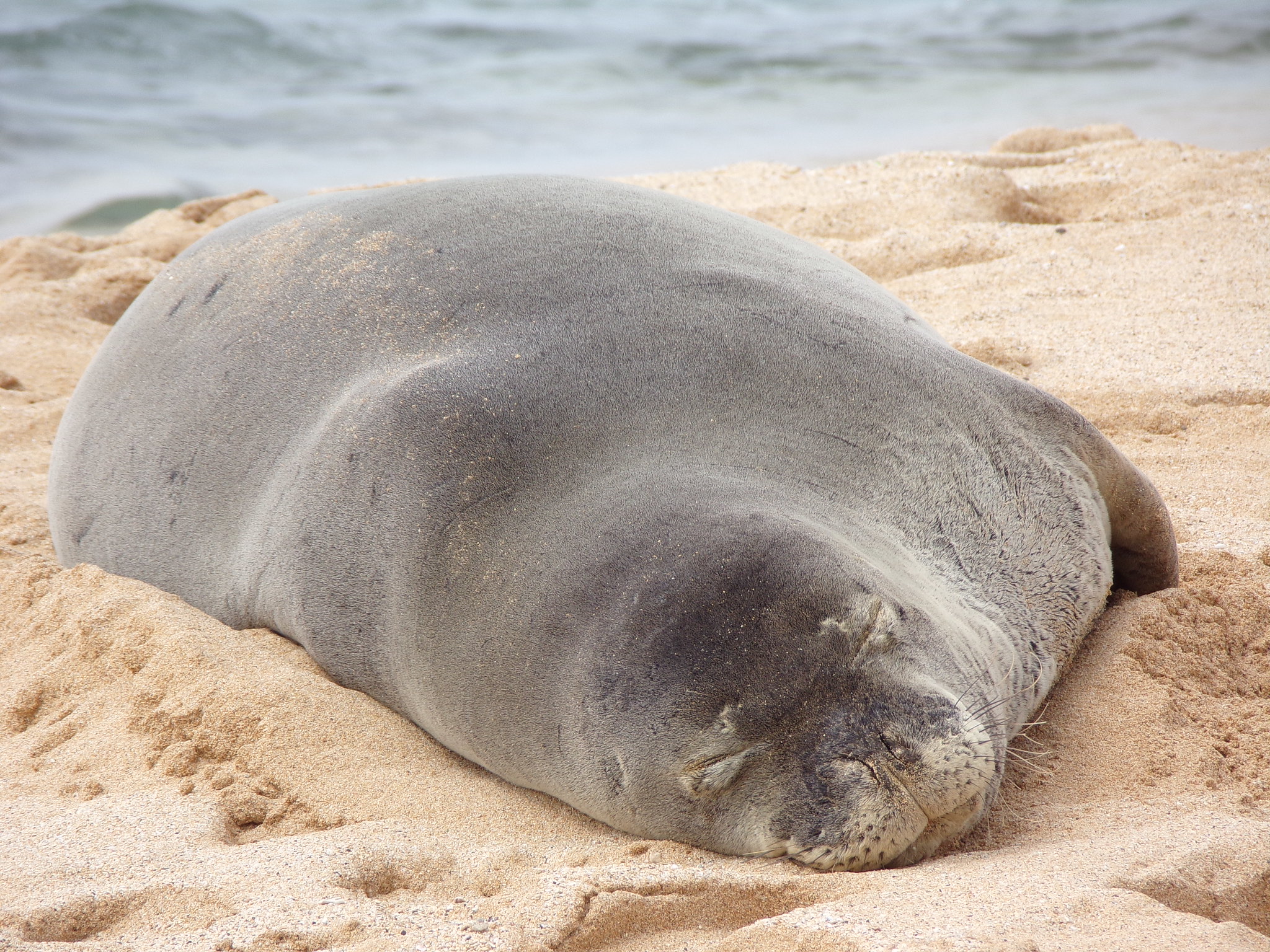
The Hawaiian monk seal (Neomonachus schauinslandi) is a true seal, endemic to the Hawaiian Archipelago, and one of the few remaining monk seal species on Earth. It is named for the folds of skin around the neck that can resemble a monk’s cowl and for its generally solitary habits. Adults spend much of their lives at sea but regularly haul out on sandy beaches and low-lying shorelines to rest, molt, and give birth. The species is protected under U.S. law and is a major conservation focus due to its small population and sensitivity to human and environmental pressures.
Hawaiian monk seals are capable divers that forage mainly in shallow to moderately deep waters around reefs, banks, and slope habitats. They typically alternate between foraging trips and periods of land-based resting, with haul-out patterns influenced by weather, season, and disturbance. Individuals can show strong site fidelity to particular islands or haul-out beaches, especially females that pup in familiar areas. Their activity and distribution vary across the Northwestern Hawaiian Islands and the main Hawaiian Islands, reflecting differences in habitat, food availability, and risk factors.
As an upper-level predator in coastal and reef-associated food webs, the Hawaiian monk seal helps regulate prey communities, including fish and cephalopods. Juveniles experience especially high mortality in some regions, making survival of younger age classes a key driver of population change. The species faces chronic threats, including entanglement, prey limitation in some areas, shark predation on pups, disease risk, and disturbance at haul-out sites. Long-term recovery depends on sustained protection, targeted interventions where needed, and minimizing human-caused injuries and habitat disruption.
Taxonomy
Kingdom
Phylum
Class
Order
Family
Genus
Species
Type
Current distribution:
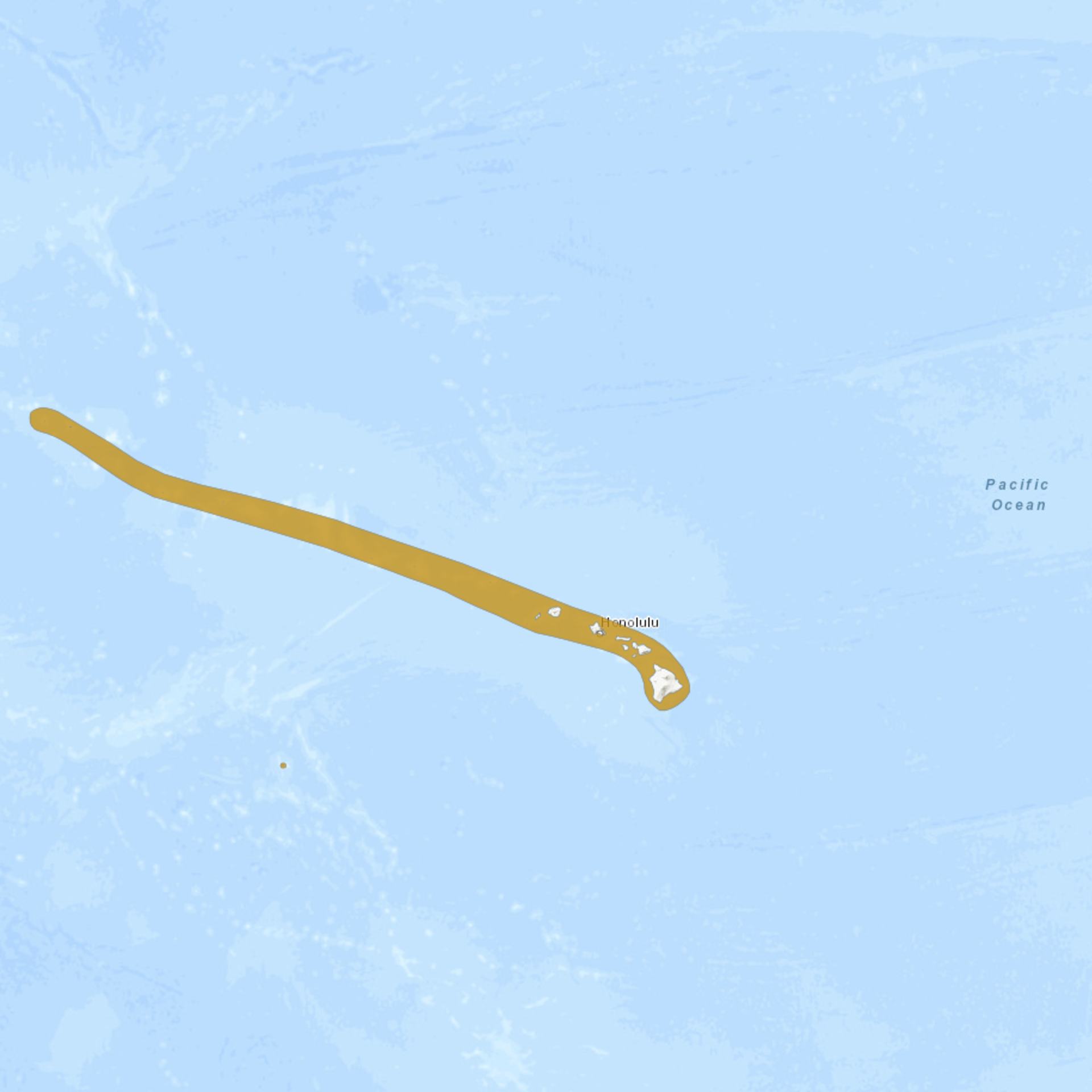
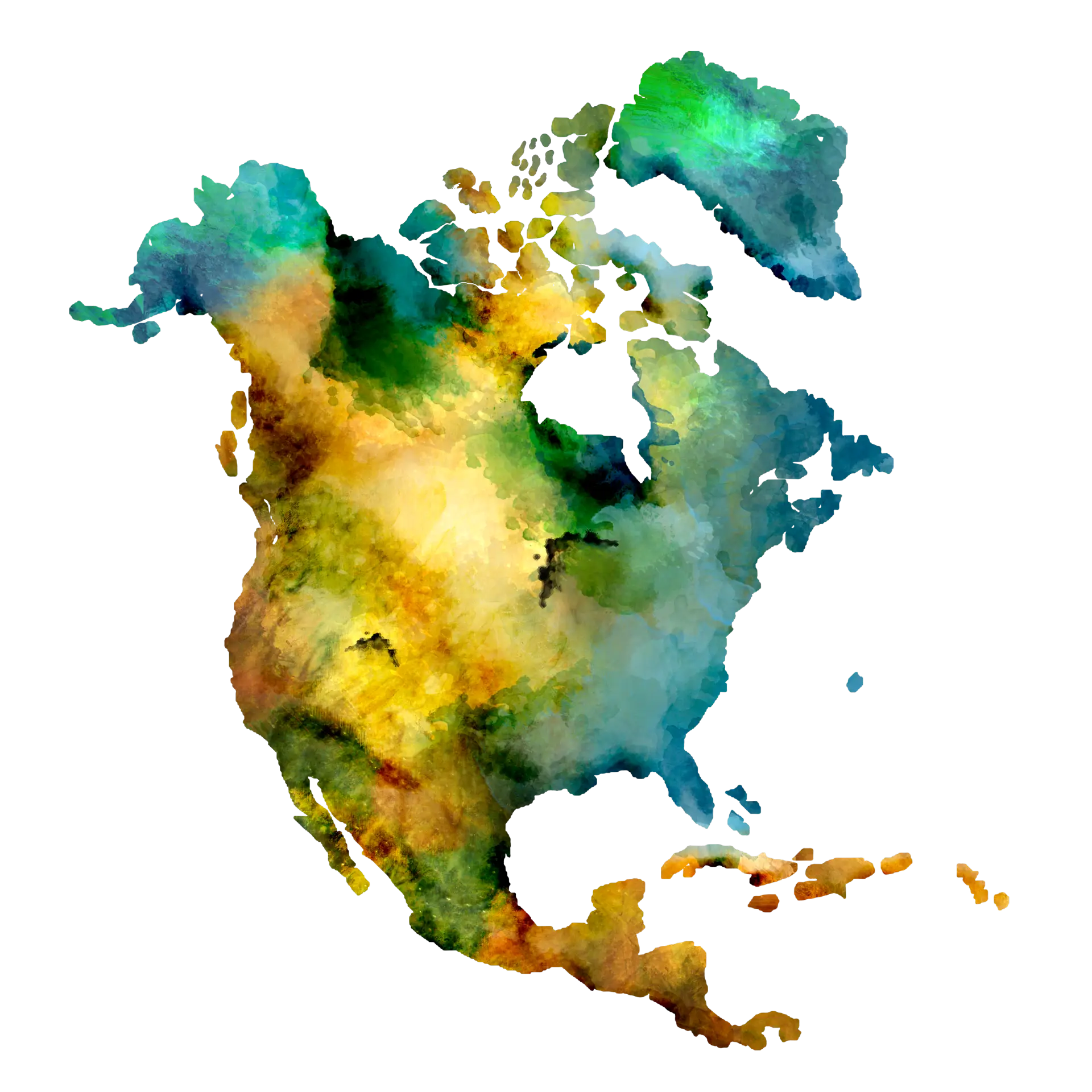
Hawaiian monk seals occur throughout the Hawaiian Archipelago, with significant use of both the Northwestern Hawaiian Islands and the main Hawaiian Islands. Historically, much of the population was concentrated in the remote Northwestern Hawaiian Islands, where large breeding sites exist on atolls and small islands. In recent decades, the proportion of seals using the main Hawaiian Islands has increased, and reproduction there has become an important component of overall recovery. Individuals occasionally range beyond the core archipelago, but the species remains geographically restricted relative to many other pinnipeds.
Within the island chain, distribution is patchy and influenced by suitable haul-out beaches, local prey resources, predation risk, and human activity. Some islands support consistent pupping and juvenile recruitment, while others are used mainly for resting or transient haul-outs. Movements can include inter-island travel, and tagged individuals have demonstrated the ability to cover substantial distances between foraging and resting areas. Despite signs of improvement in some subpopulations, the overall range remains limited to Hawaiʻi’s coastal-marine ecosystem, making the species vulnerable to localized threats and climate-driven habitat change.
Physical Description:
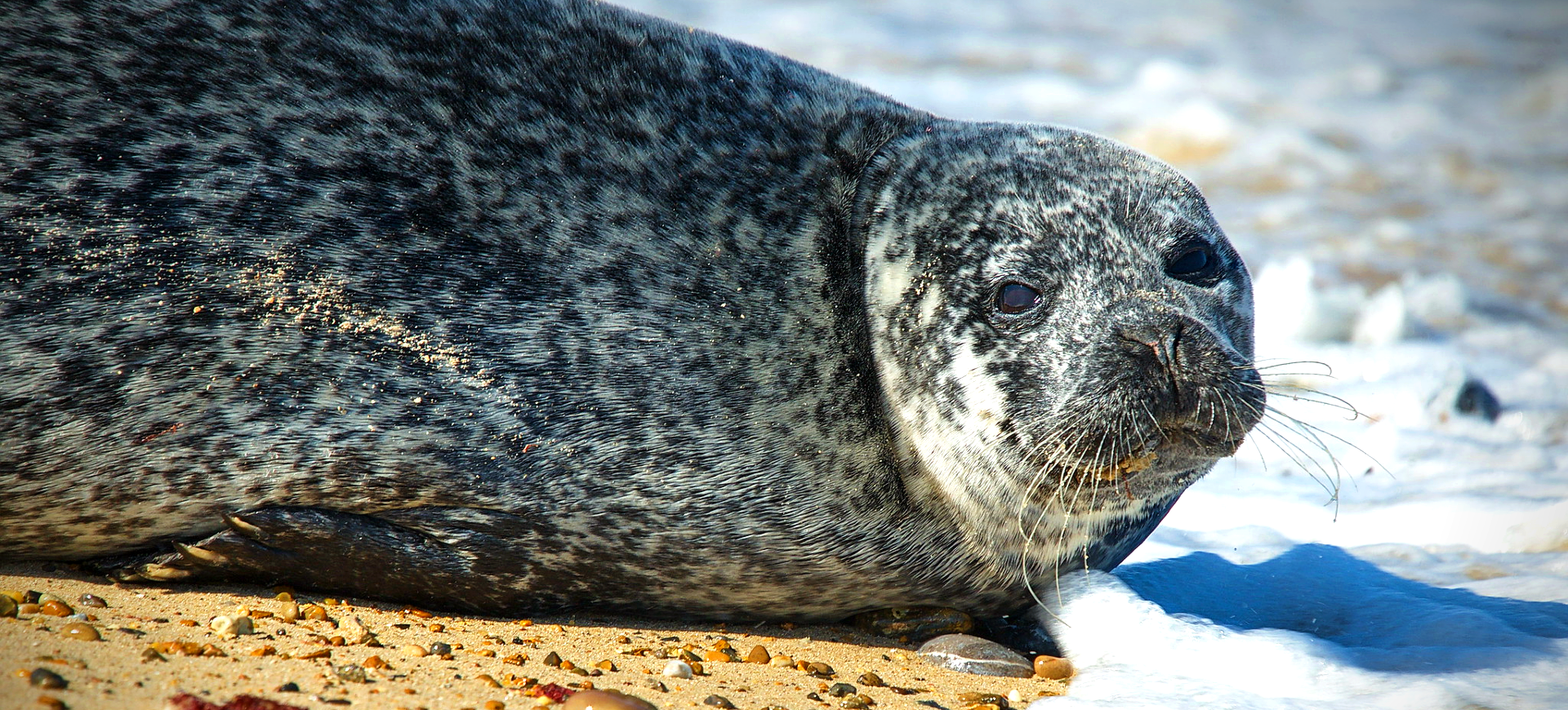
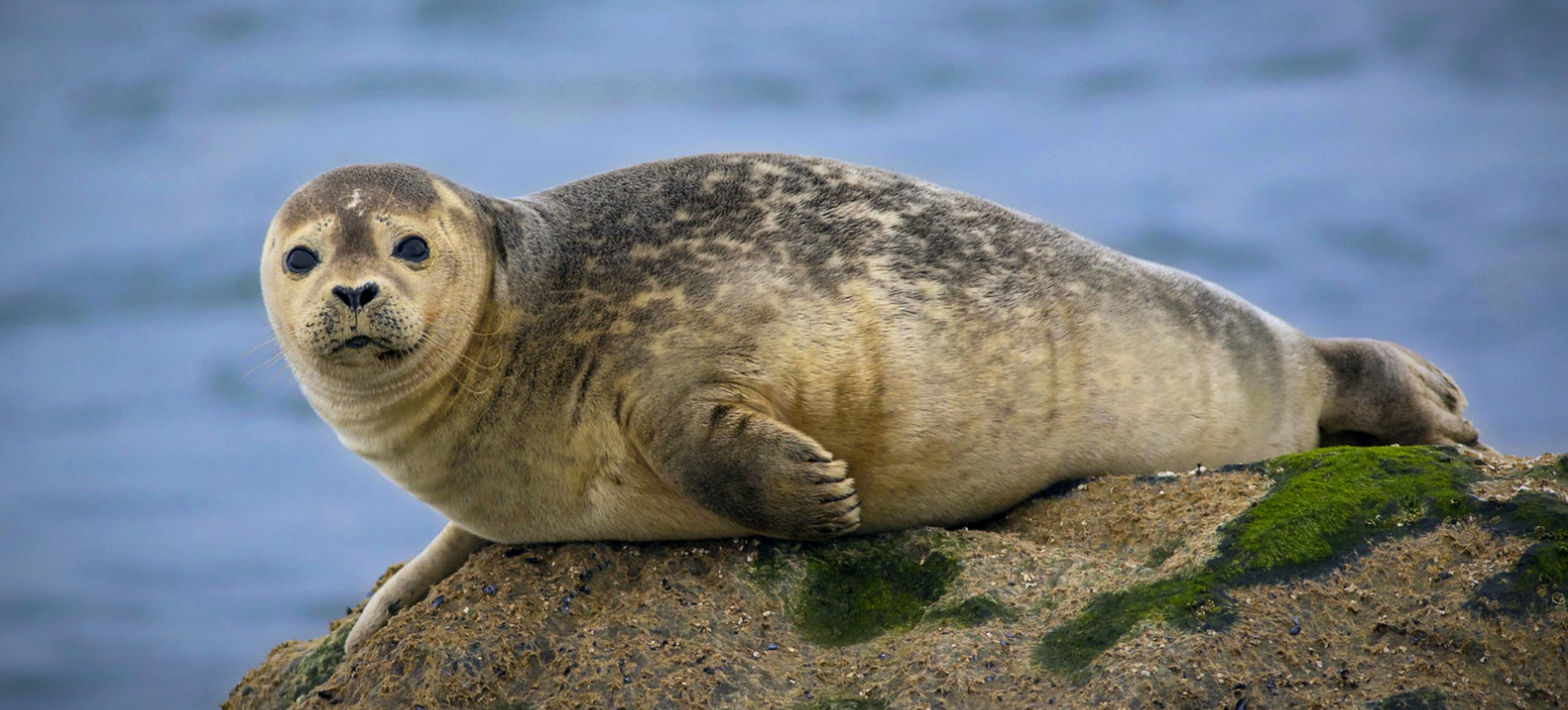
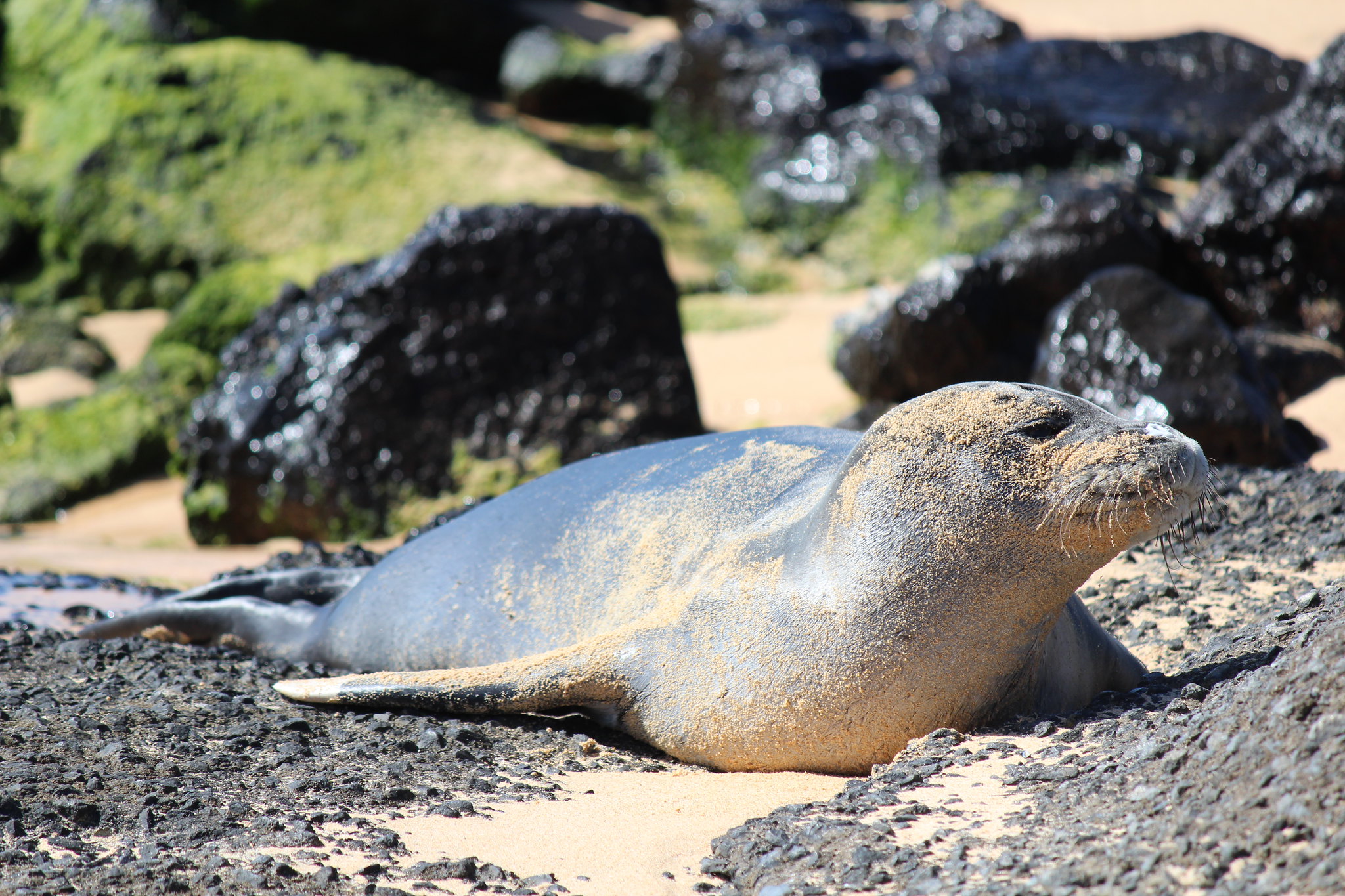
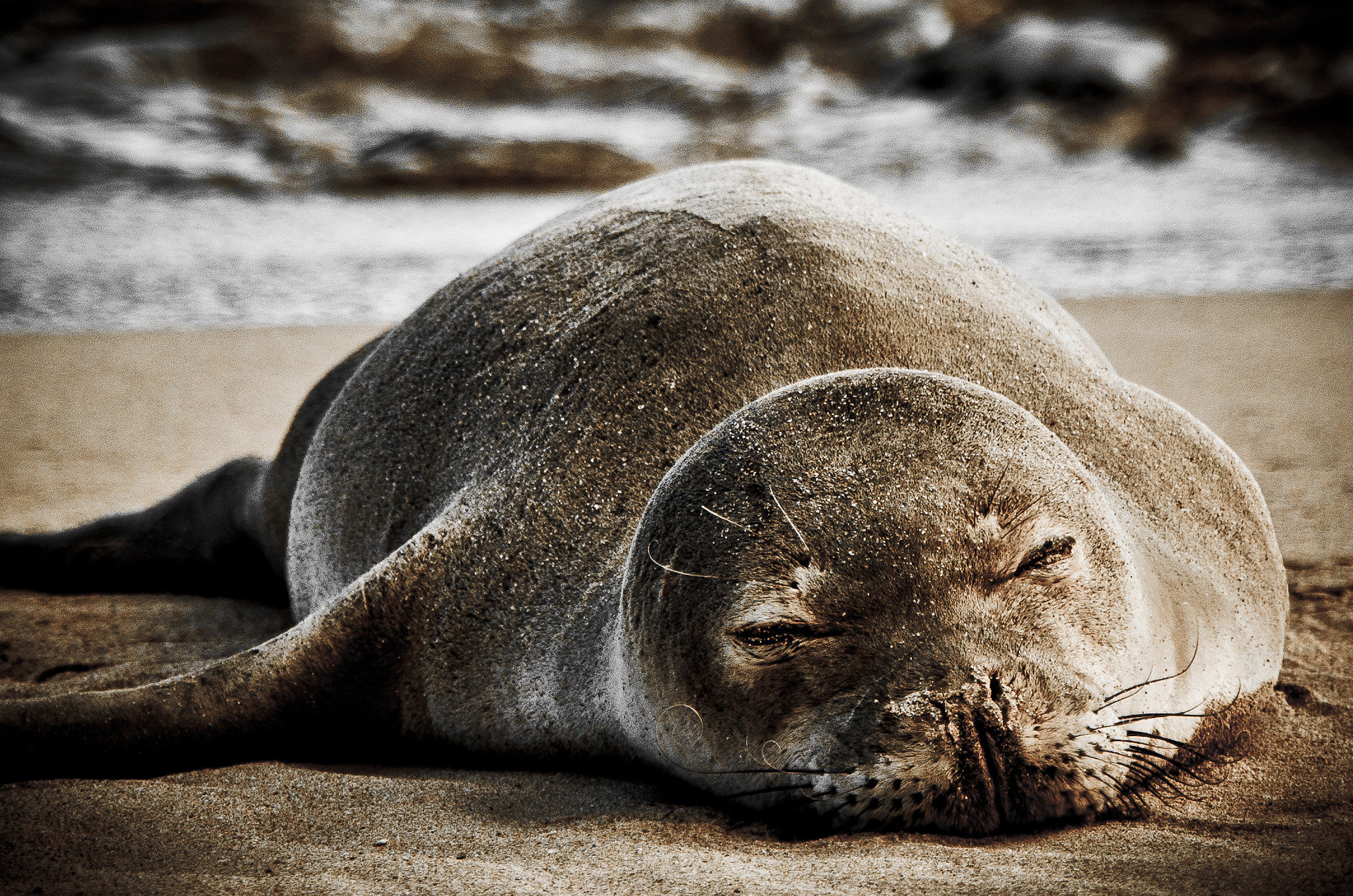
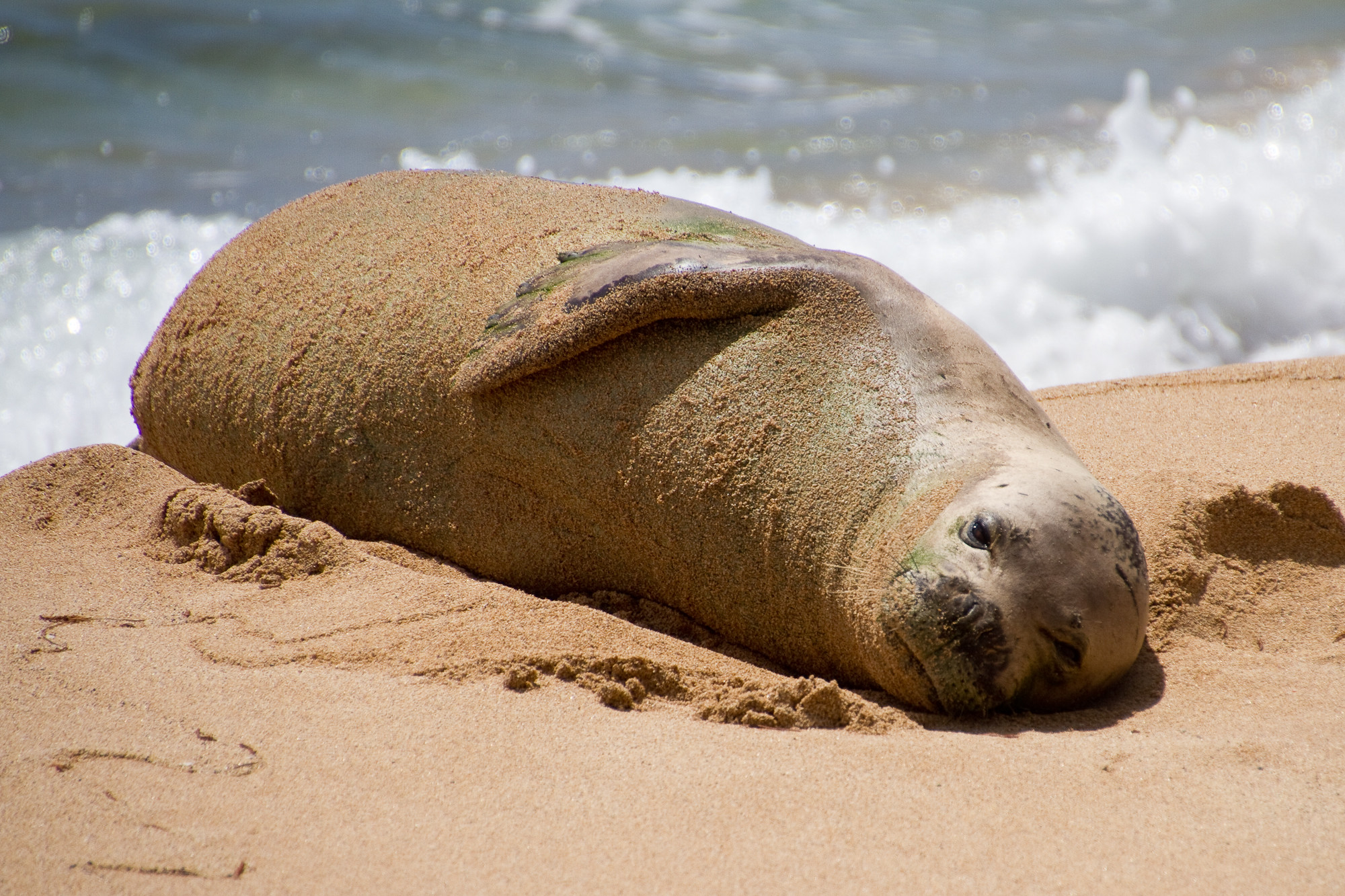
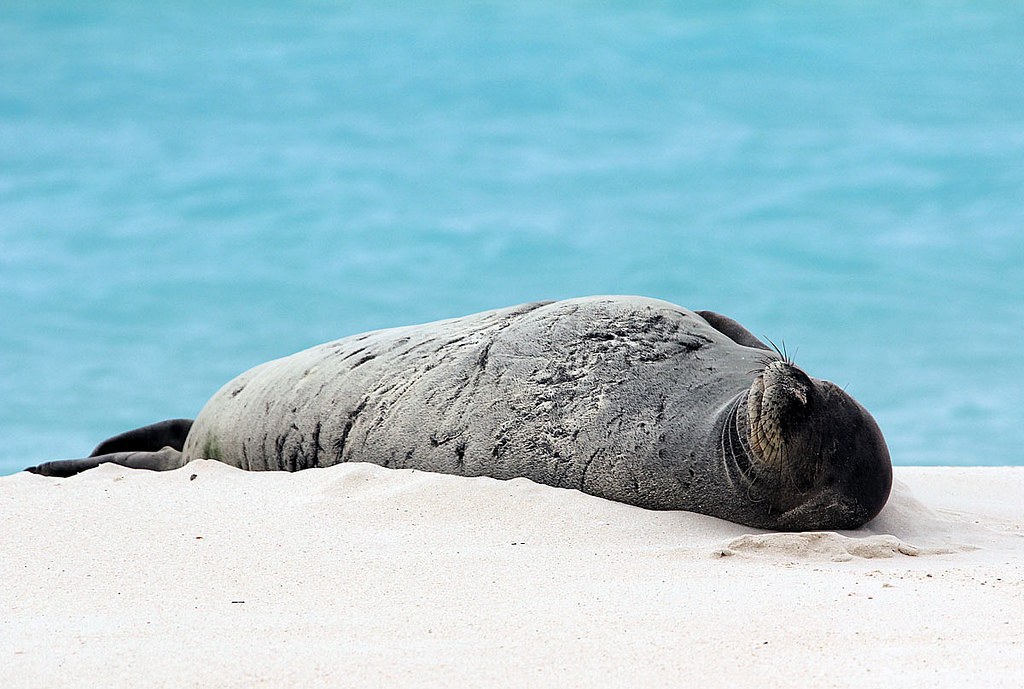
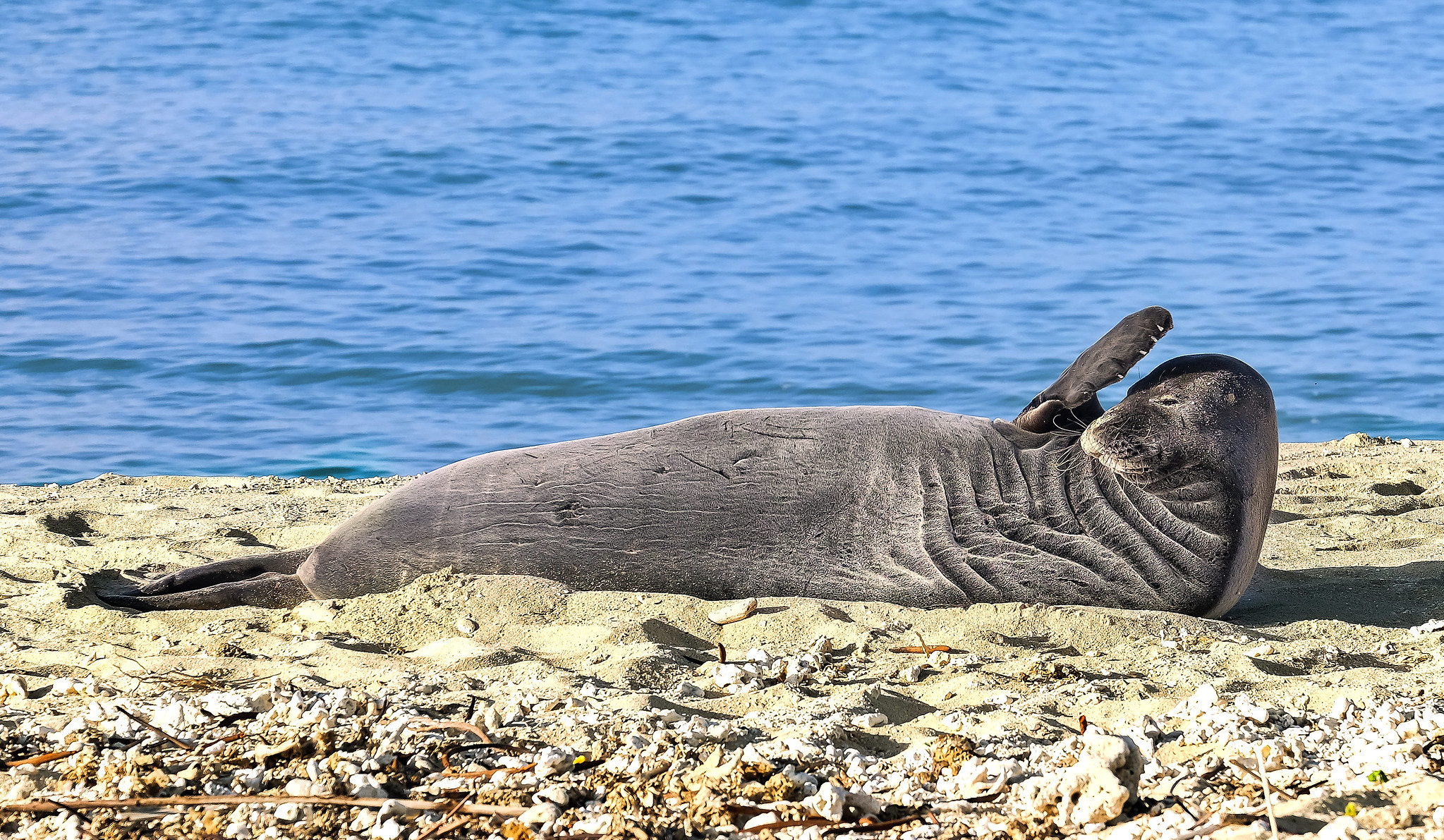
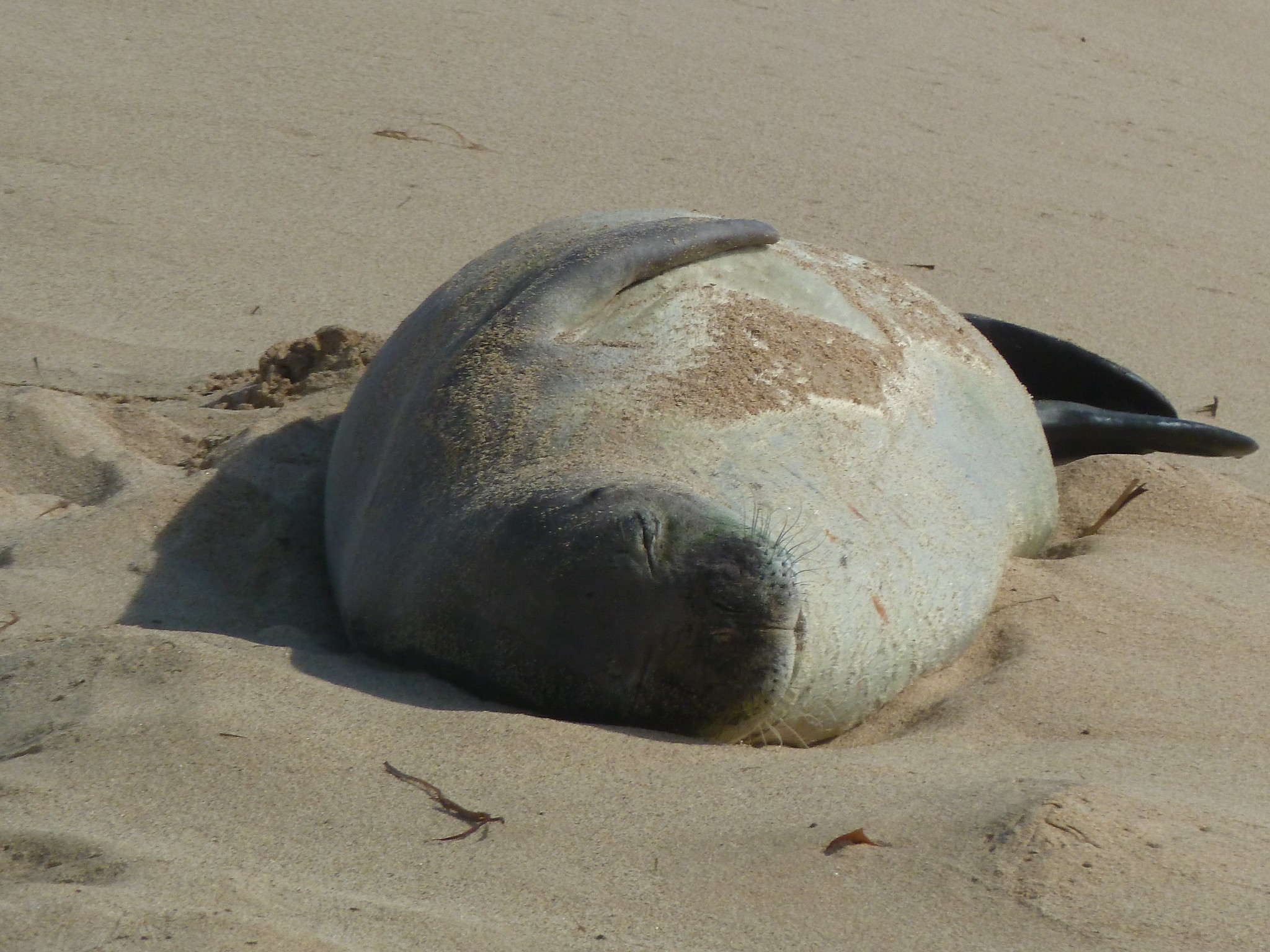
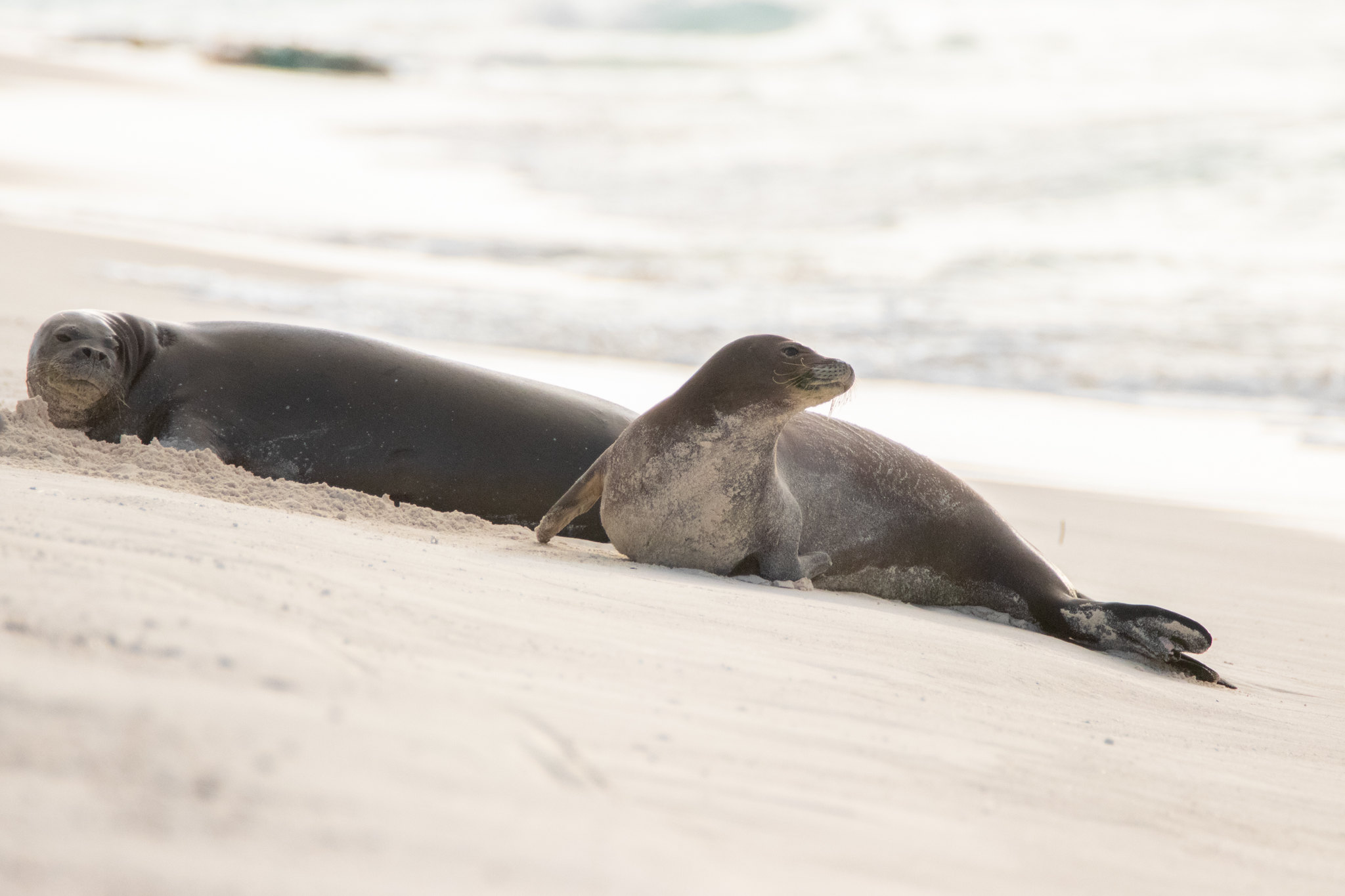
Hawaiian monk seals have a robust, spindle-shaped body with short foreflippers and strong hind flippers adapted for aquatic propulsion. Coat color is generally gray to brown above, with a lighter underside, and individuals often show scars from social interactions, predators, or entanglements. The head is relatively small with large dark eyes and prominent whiskers used for sensing prey and navigating in low light. Females are typically slightly larger than males, and pups are born with a dark natal coat that is later replaced by a sleeker juvenile pelage.
On land, they move by undulating and pulling with the foreflippers, which can look awkward but is effective for hauling out on sand or rock. The neck and shoulder area can appear thick, and some individuals show the characteristic “monk-like” folds when resting. Their streamlined form and dense blubber layer support long swims, thermoregulation, and energy storage during periods of reduced feeding. Body size and condition can vary noticeably with age, sex, season, and local prey availability.

Lifespan: Wild: ~30 Years || Captivity: ~30 Years

Weight: Male: 300–450 lbs (136–204 kg) || Female: 400–600 lbs (181–272 kg)

Length: Male: 82–94 in (208–240 cm) || Female: 84–96 in (213–244 cm)

Height: Male & Female: 24–32 in (61–81 cm)

Top Speed: 12 mph (19 km/h)
Characteristic:
Native Habitat:
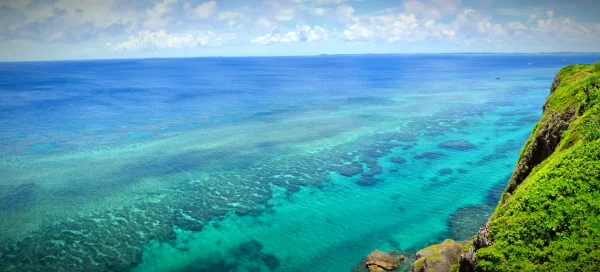
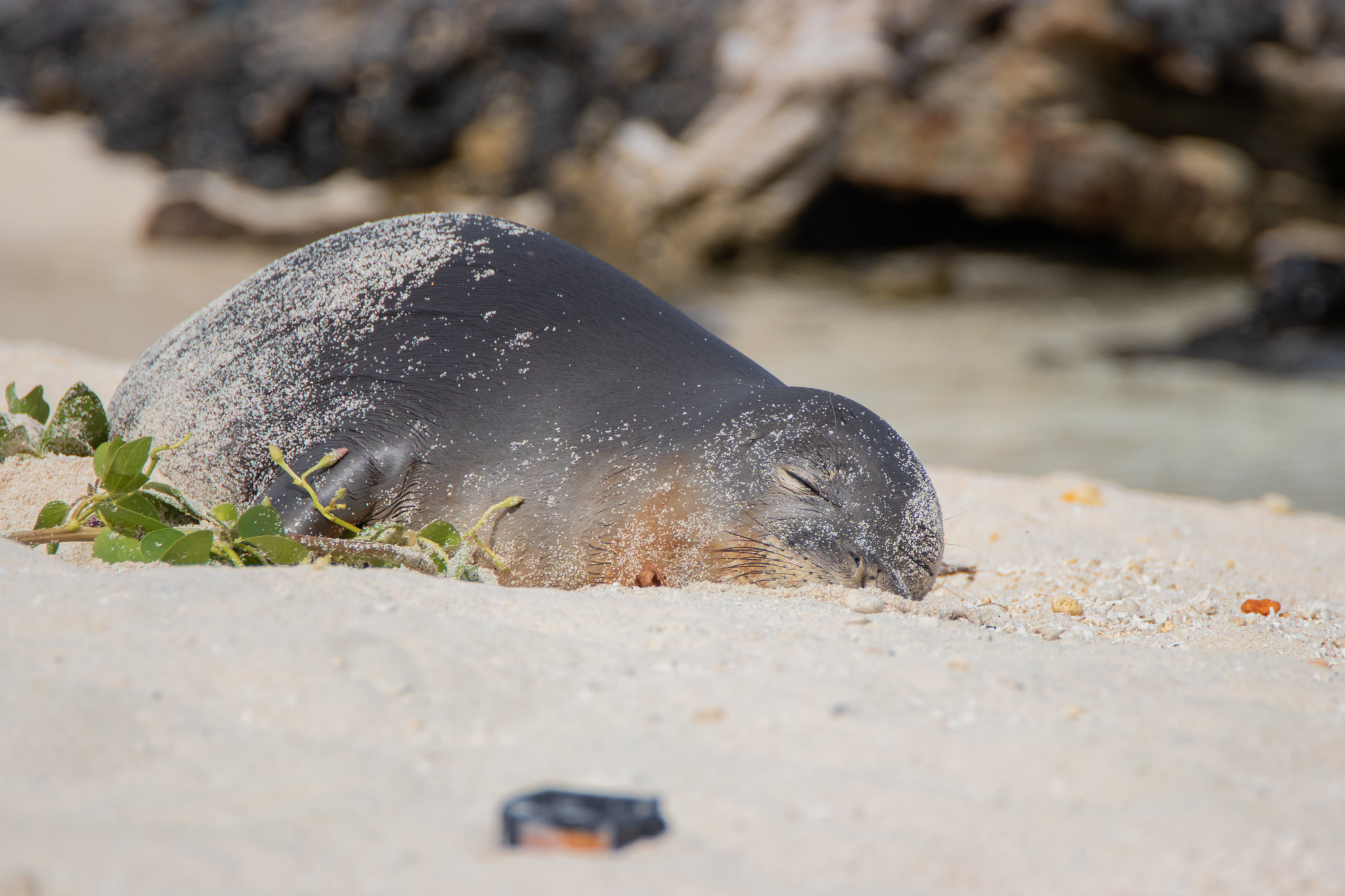
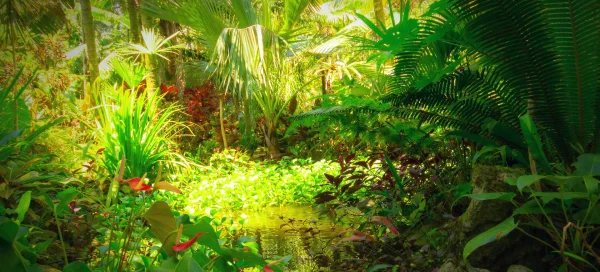
The Hawaiian monk seal is closely tied to coastal and nearshore marine environments, especially around sandy beaches, rocky shorelines, and coral reef systems. It uses terrestrial haul-out sites for resting, molting, social interactions, and pupping, often selecting low-disturbance areas with easy access to water. At sea, it forages over reefs, sandy bottoms, and slope habitats where prey such as fish and cephalopods are available. Habitat use can shift with life stage: pups and nursing females remain close to shore, while many adults forage more widely.
In the Northwestern Hawaiian Islands, low-lying atolls and islets provide important pupping and resting habitat, though these areas can be vulnerable to storms and sea-level impacts. In the main Hawaiian Islands, seals increasingly use urban-adjacent beaches, which elevates the importance of managing human disturbance and interactions. The species depends on clean, accessible haul-out areas and productive marine feeding grounds within swimming distance. Because it occupies both land and sea interfaces, protection requires integrated coastal and marine management rather than a single-habitat approach.
Climate Zones:
WWF Biomes:
Continents:
Countries:
Diet:
Diet & Feeding Habits:
Hawaiian monk seals primarily consume a variety of reef-associated and benthic prey, including fishes, eels, octopus, squid, and crustaceans. They often forage along the seafloor or near reef structure, using whiskers to detect movement and texture in dim or turbid water. Foraging behavior includes probing crevices, flushing prey from hiding places, and opportunistic capture in the water column when available. Diet composition can differ by age, sex, location, and ocean conditions, reflecting local prey communities and energetic needs.
They typically feed alone rather than cooperatively, and individual specialization can occur, with some seals repeatedly targeting particular prey types or habitats. Juveniles may be less efficient foragers and can be more vulnerable to food limitation, which can affect survival and growth. Seals may undertake multi-hour foraging bouts interspersed with surface breathing and rest, then return to shorelines to haul out and recover. Because they rely on nearshore ecosystems, changes in reef health and prey abundance can directly influence body condition and reproductive success.
Mating Behavior:
Mating Description:
Hawaiian monk seals mate at sea, and breeding involves male competition and mate guarding rather than long-term pair bonds. Females give birth on shore and nurse a single pup, relying on stored energy reserves while fasting or greatly reducing feeding during early lactation. Pups remain dependent on the mother for several weeks, during which time the mother provides high-fat milk that supports rapid growth. After weaning, pups must quickly develop independent foraging skills, a transition period that can strongly influence juvenile survival.
Adult males may attempt to monopolize access to females, and in some cases, aggressive interactions can lead to injury, especially when multiple males focus on a single individual. Reproduction is strongly seasonal in many areas, though timing can vary by location within the archipelago. Like other true seals, the species exhibits delayed implantation, which helps align birth with favorable seasonal conditions. Successful reproduction depends on secure haul-out sites, minimal disturbance, and adequate maternal body condition supported by sufficient prey availability.
Reproduction Season:
Birth Type:
Pregnancy Duration:
Female Name:
Male Name:
Baby Name:
Social Structure Description:
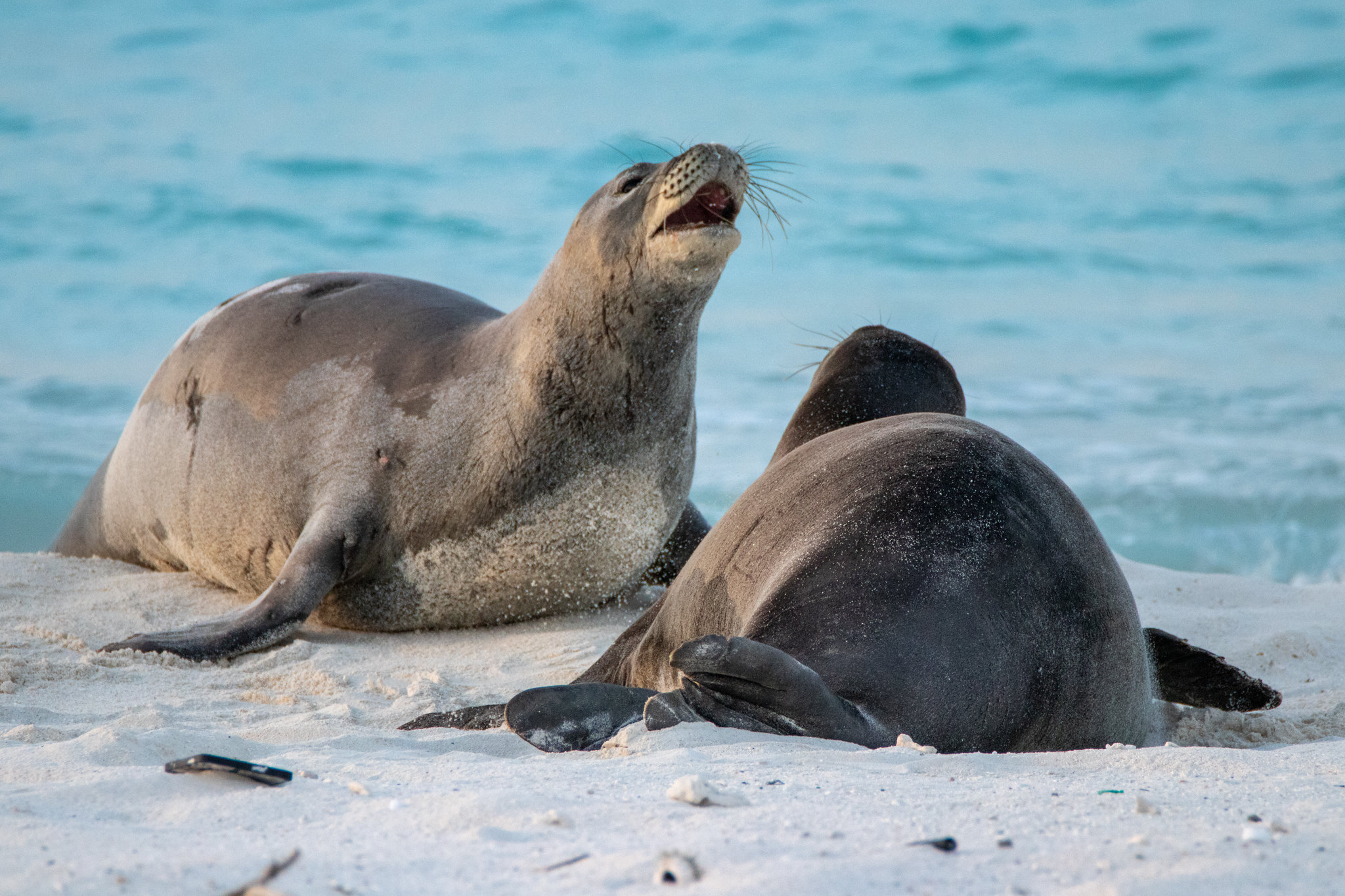
Hawaiian monk seals are generally solitary, especially at sea, where they forage alone and do not form stable pods or coordinated hunting groups. On land, they may haul out in loose aggregations when suitable beaches are limited, but these groupings are typically temporary and not structured like permanent colonies in some other pinnipeds. Social interactions include vocalizations, posturing, and occasional aggressive encounters, with males more often involved in competitive behavior during the breeding period. Mothers and pups form the most consistent social unit, with strong maternal investment until weaning.
Individuals often tolerate nearby seals during rest, though personal space can be important, and disturbance can trigger movement back to the water. Juveniles may haul out near other seals and can learn habitat-use patterns through repeated exposure to common sites rather than through direct social teaching. Dominance hierarchies are not strongly defined, but size and sex can influence outcomes of conflicts, particularly in mating-related interactions. Social structure is therefore best described as primarily solitary with seasonally intensified interactions around breeding and limited haul-out space.
Groups:
Conservation Status:
Population Trend:
The Hawaiian monk seal population is small compared with historical levels and is managed as a conservation-dependent species with intensive monitoring. Demography varies by region, with some areas showing improved juvenile survival and increased pupping rates, while others remain limited by food availability or predation pressure. Because seals are long-lived and reproduce slowly, population change can lag behind improvements in survival or habitat conditions. Monitoring relies on beach surveys, photo-identification, tagging, and assessments of pup production and survival across key sites.
Subpopulations in the Northwestern Hawaiian Islands have historically been vulnerable to prey limitation and juvenile mortality, while the main Hawaiian Islands have become increasingly important for growth and recruitment. Human activity can simultaneously create risks and opportunities, with higher disturbance potential but also faster detection of injured or entangled animals. Population health is commonly evaluated through body condition, reproductive output, and age-specific survival, especially for pups and juveniles. Maintaining positive trends requires reducing preventable mortality and supporting conditions that improve young seal survival to breeding age.
Population Threats:
Entanglement in marine debris and fishing gear can cause injury, infection, impaired movement, and death, and it remains a major preventable threat. Interactions with nearshore fisheries and fishing tackle can lead to hooking, line entanglement, and habitat-use conflicts in coastal areas. Disease risk is a concern because a geographically restricted population can be disproportionately impacted by outbreaks, including risks associated with novel pathogens. Environmental variability and climate-driven changes can affect prey availability and haul-out habitat, compounding other stressors.
Predation, especially on pups and juveniles in some locations, can significantly reduce recruitment and slow recovery. Human disturbance at haul-out and pupping sites can increase stress, disrupt nursing, and elevate the risk of aggressive encounters or abandonment in extreme cases. Habitat loss and flooding of low-lying beaches and islets can reduce the availability of safe pupping and resting areas, particularly in atoll environments sensitive to storms and sea-level rise. Additional threats include ingestion of debris, vessel strikes in nearshore waters, and intentional harm, though the latter is mitigated by enforcement and outreach.
Conservation Efforts:
Conservation programs emphasize protection of haul-out sites, public education, and rapid response to injured, sick, or entangled seals. Targeted interventions can include disentanglement, veterinary treatment, translocation of at-risk individuals, and, in some cases, supplemental feeding or shark-risk mitigation where justified by management goals. Habitat protection through marine protected areas and careful coastal management helps reduce disturbance and supports prey-based resilience. Long-term monitoring and research guide adaptive management, including evaluation of survival rates, pupping success, and emerging disease risks.
In the main Hawaiian Islands, outreach and “seals on the beach” management often involve creating buffers to minimize human and dog interactions during resting, molting, or nursing. Removal of marine debris from critical habitats reduces entanglement risk, particularly in remote areas where seals may otherwise go unaided. Coordination among agencies, local communities, and conservation organizations supports reporting networks and compliance with protective regulations. Recovery efforts focus on improving juvenile survival, maintaining reproductive output, and safeguarding the coastal-marine habitats the species depends upon.
Additional Resources:
Fun Facts
- Hawaiian monk seals are one of the rarest seal species in the world and are found only in the Hawaiian Archipelago.
- The Hawaiian name ʻIlio-holo-i-ka-uaua is often translated as “dog that runs in rough water.”
- Pups are born with a dark coat that is later replaced as they grow and begin independent life.
- They spend much of their time at sea but must haul out on land to rest, molt, and raise pups.
- Their whiskers are highly sensitive and help them locate prey in low-visibility conditions.
- Females nurse a single pup with energy-rich milk that supports rapid growth over a few weeks.
- Many individuals carry distinctive scars, which can be used for photo-identification in monitoring programs.
- Entanglement in marine debris is a major conservation issue, making cleanup efforts directly beneficial.
- The main Hawaiian Islands have become increasingly important for the species as more seals pup and survive there.
- Because their range is limited, local habitat changes and disturbances can have outsized impacts on recovery.