Overview

The Mexican Agouti (Dasyprocta mexicana) is a medium-sized rodent endemic to parts of southeastern Mexico, where it primarily inhabits tropical forests and dense thickets. This species is diurnal and terrestrial, spending most of its active hours foraging for fallen fruits, seeds, and vegetation along the forest floor. Mexican Agoutis play a crucial ecological role as seed dispersers, caching nuts and fruits in shallow burrows that can later germinate. Due to habitat loss and hunting for meat, their populations have declined in many areas, resulting in a Near Threatened conservation status.

These animals are highly wary and rely on their excellent hearing and swift running ability to evade predators such as ocelots and large birds of prey. When alarmed, they emit sharp vocalizations and stamp their hind feet before fleeing in a rapid zigzag pattern. They are often solitary or live in monogamous pairs, defending a small territory. Although they adapt to secondary forests and plantations, extensive deforestation has fragmented their habitat across their range.

Their presence is often detected by the distinctive sound of gnawing and the remains of chewed nutshells left near feeding sites. Reproduction occurs throughout the year, with females giving birth to litters typically containing one to three precocial young. The young are born fully furred and able to walk shortly after birth, a trait common among caviomorph rodents. Mexican Agoutis are legally protected in parts of their range, but enforcement of hunting restrictions remains inconsistent.

Taxonomy

Kingdom
Phylum
Class
Order
Family
Genus
Type

Physical Description:

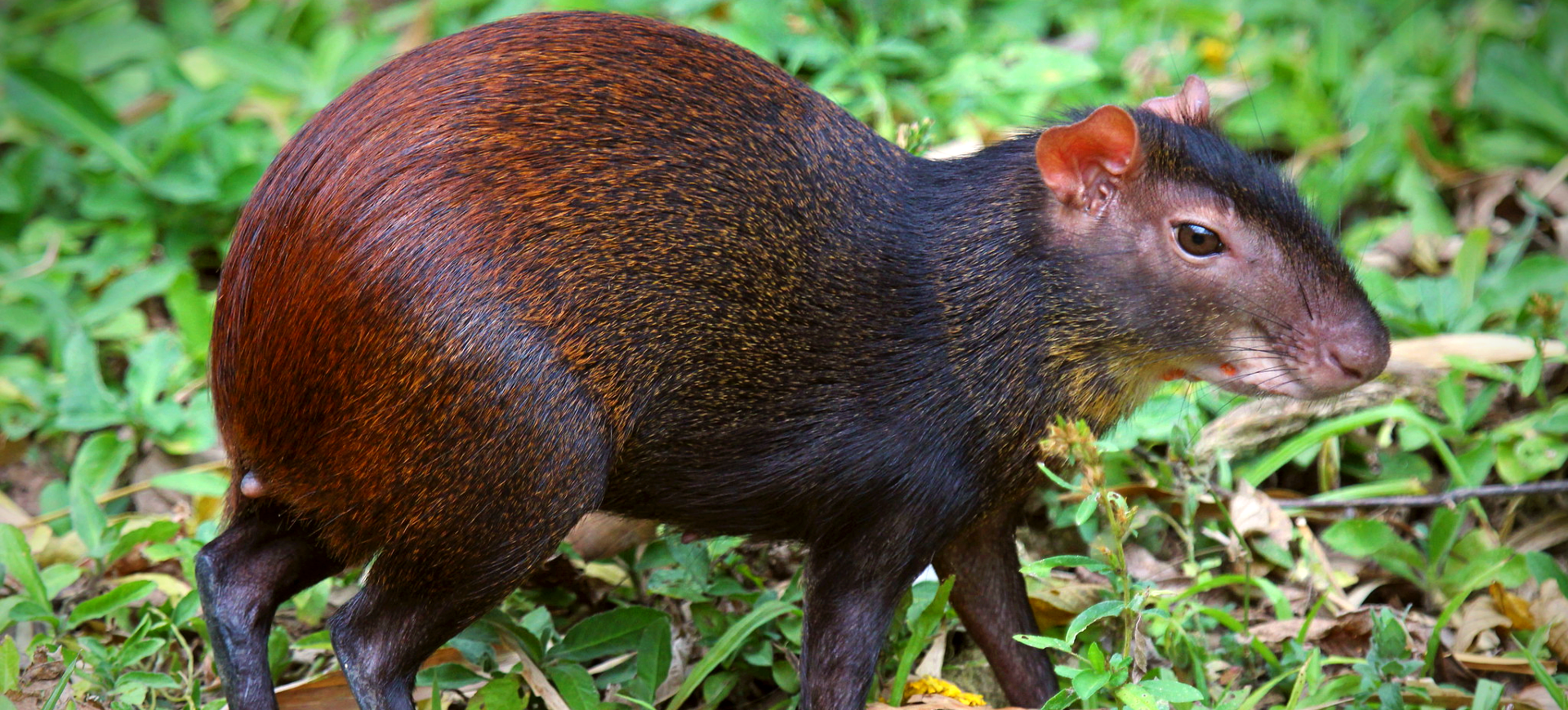
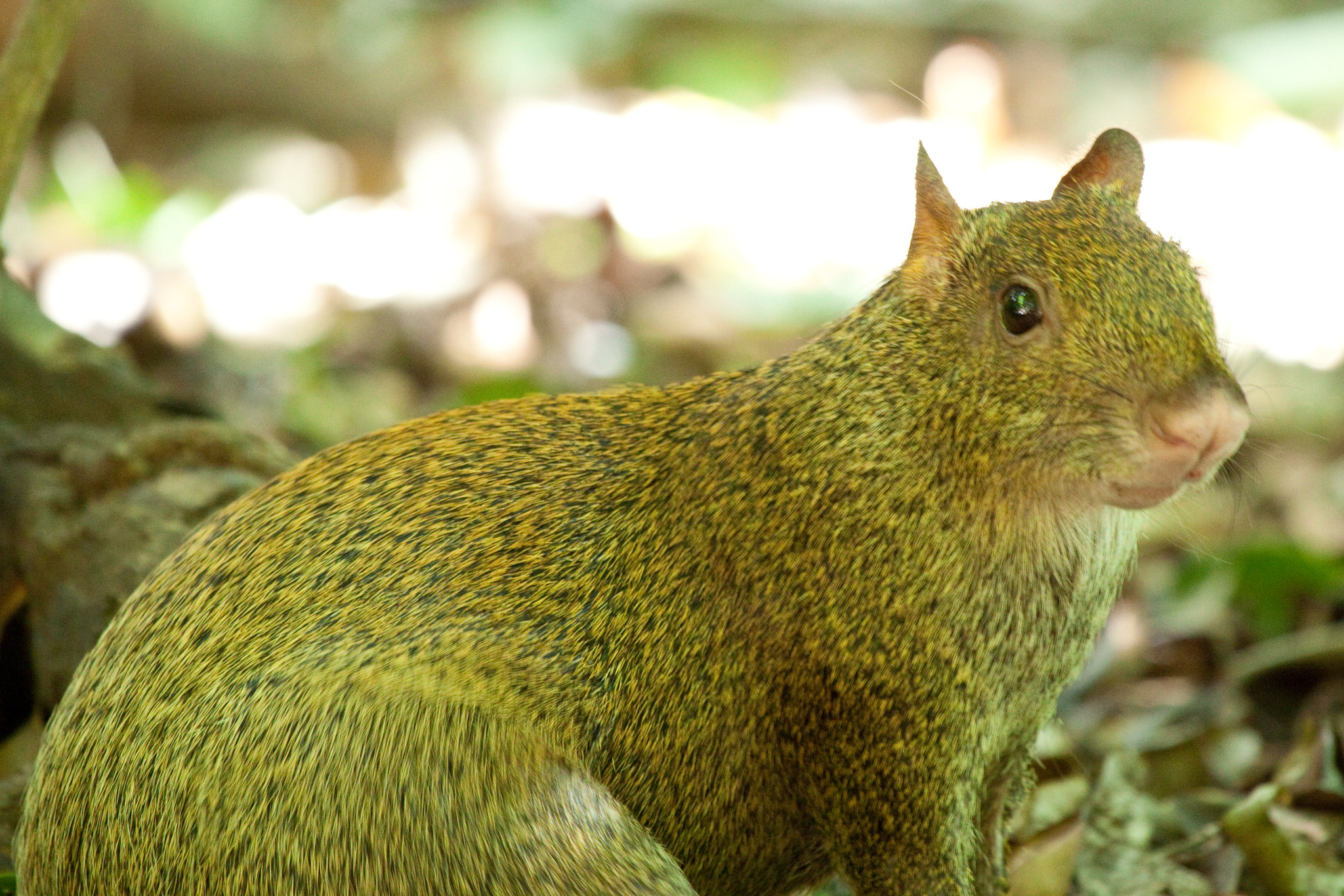
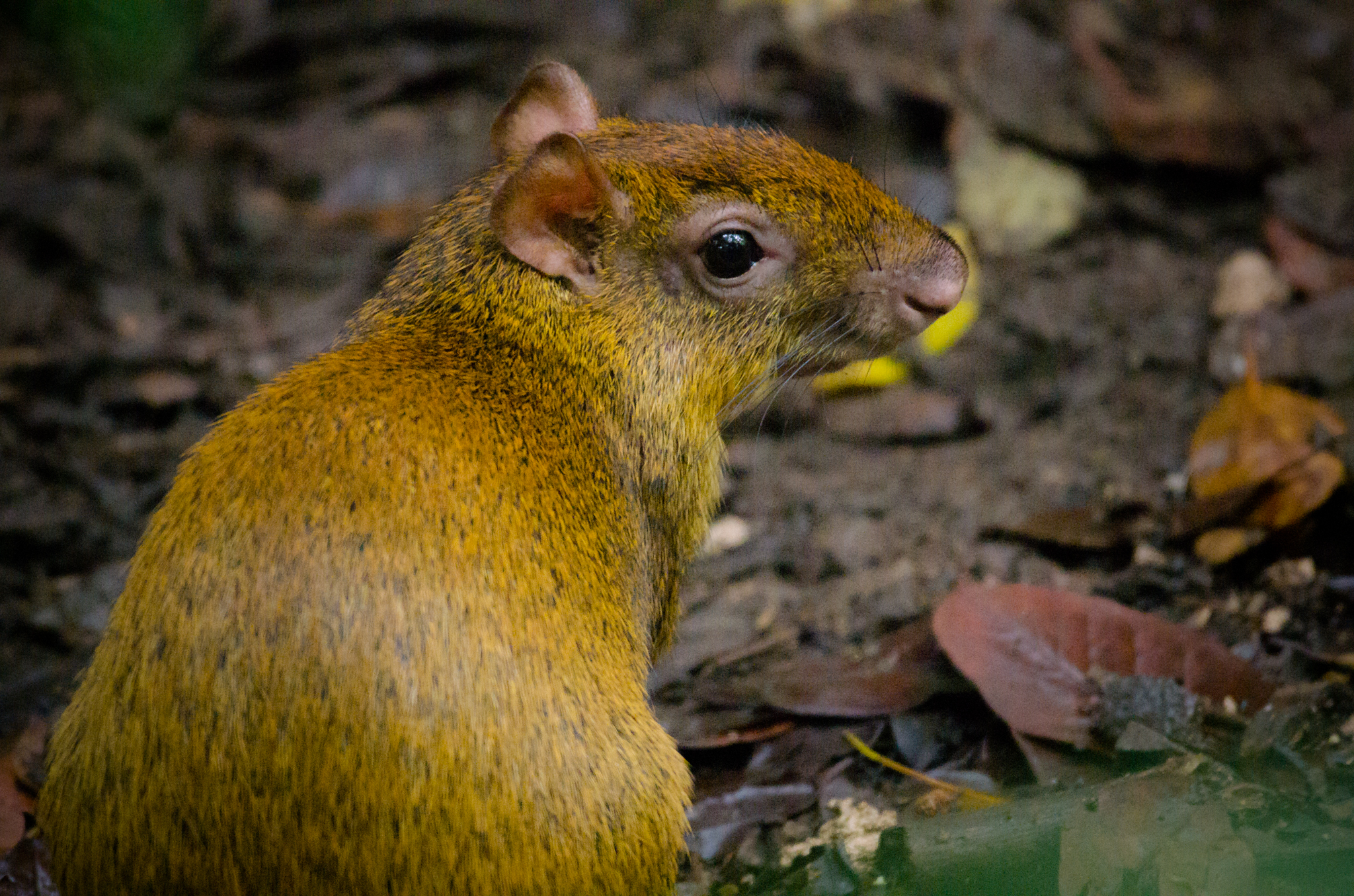
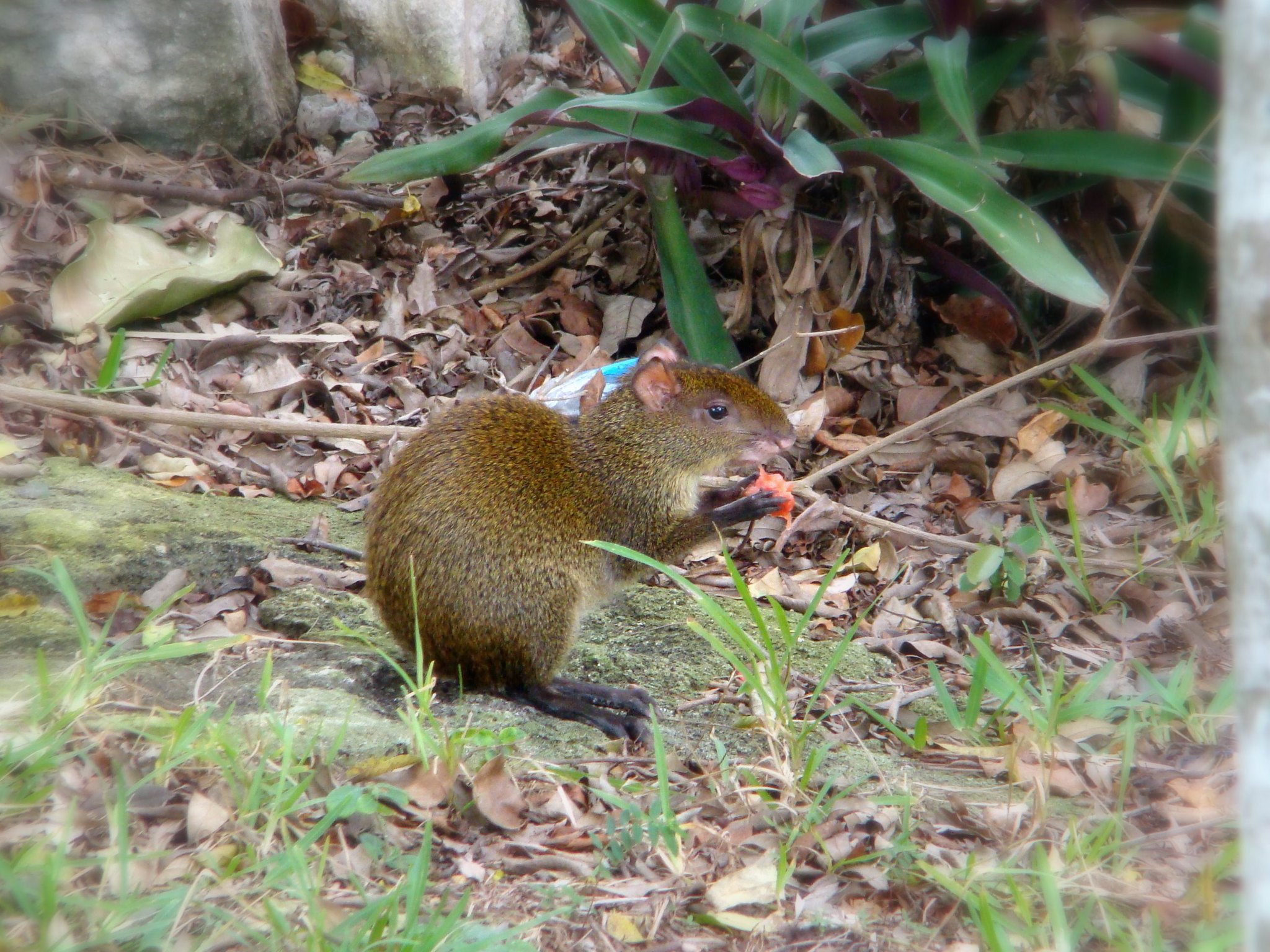
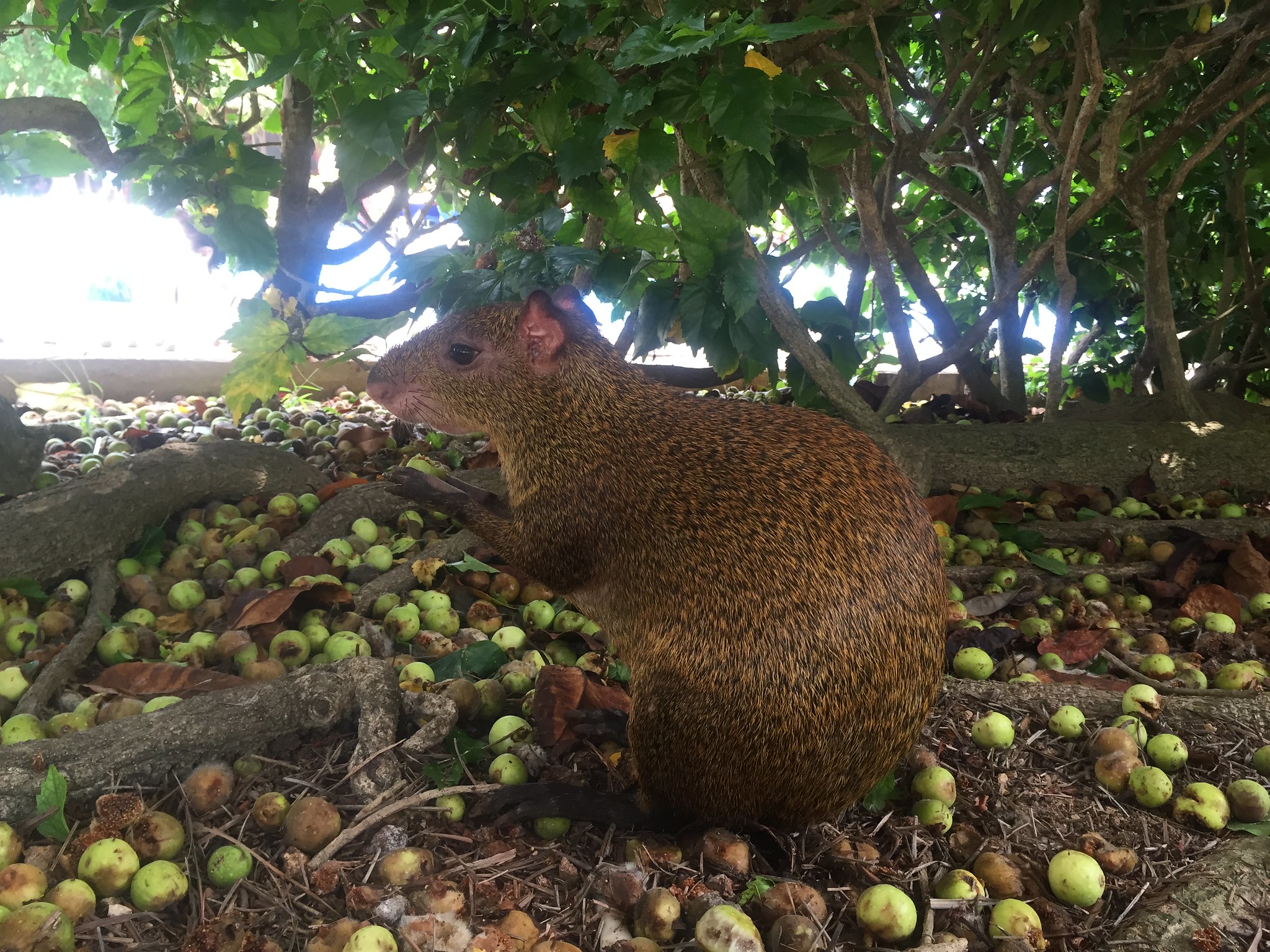
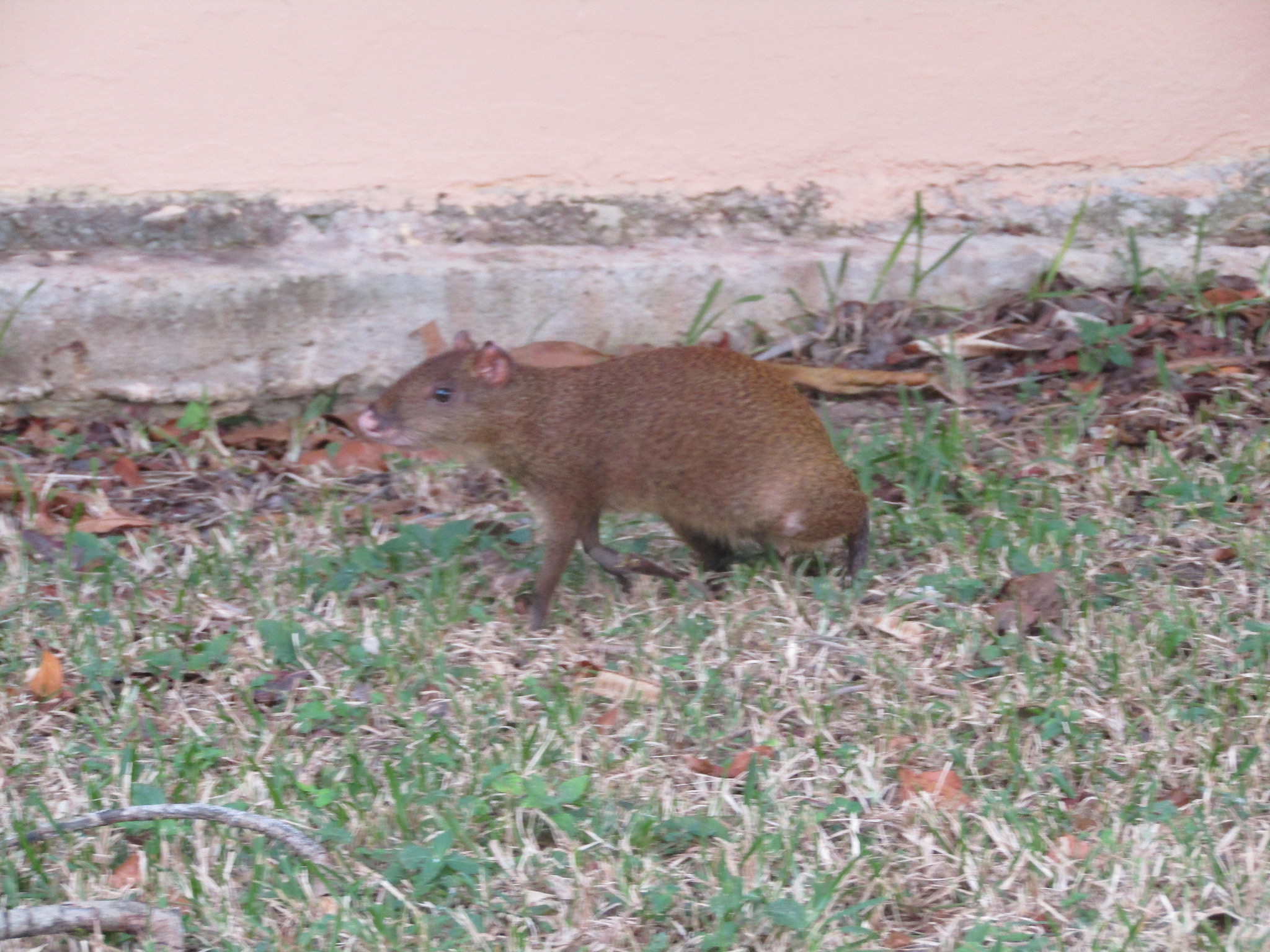
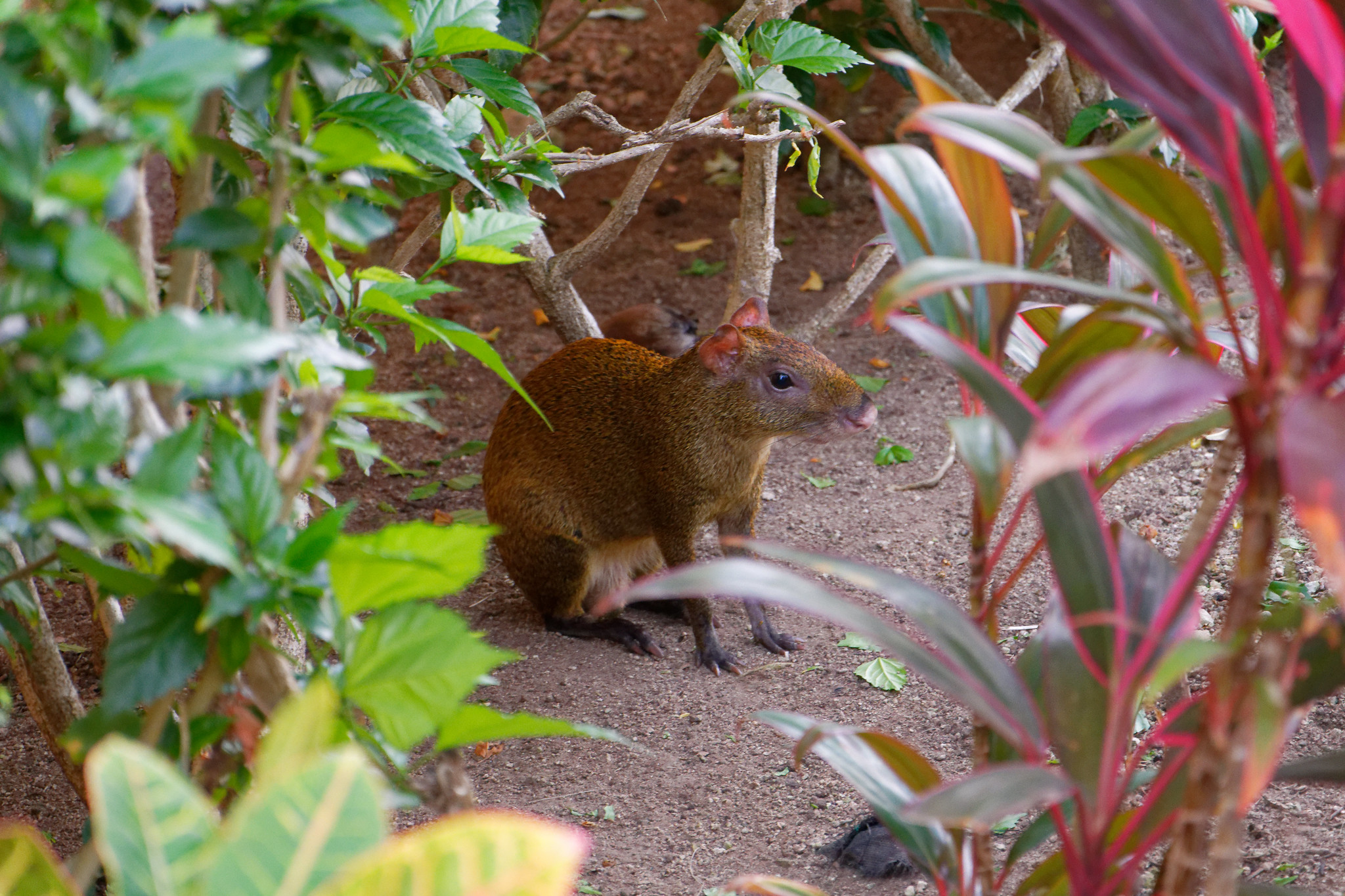
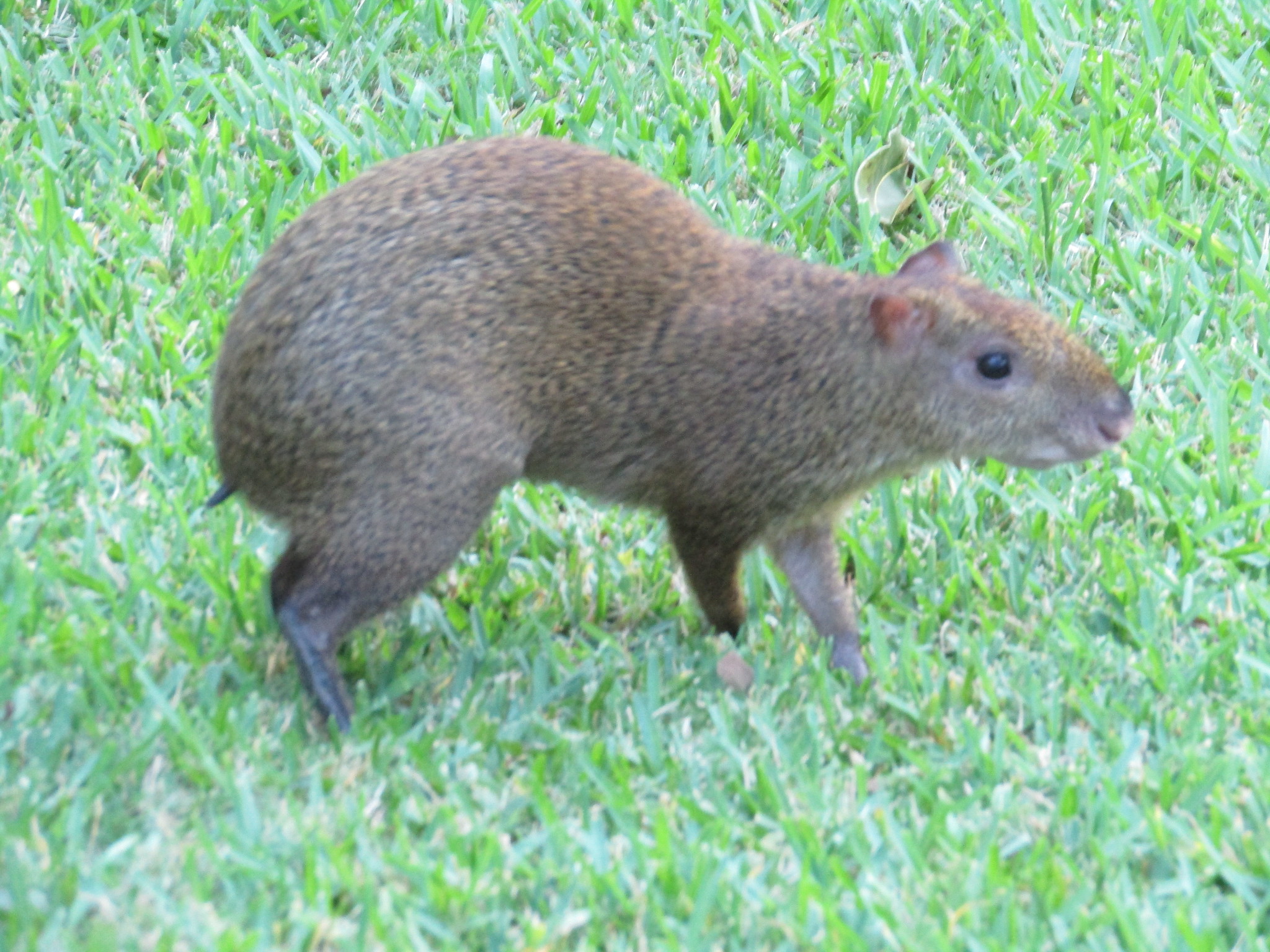
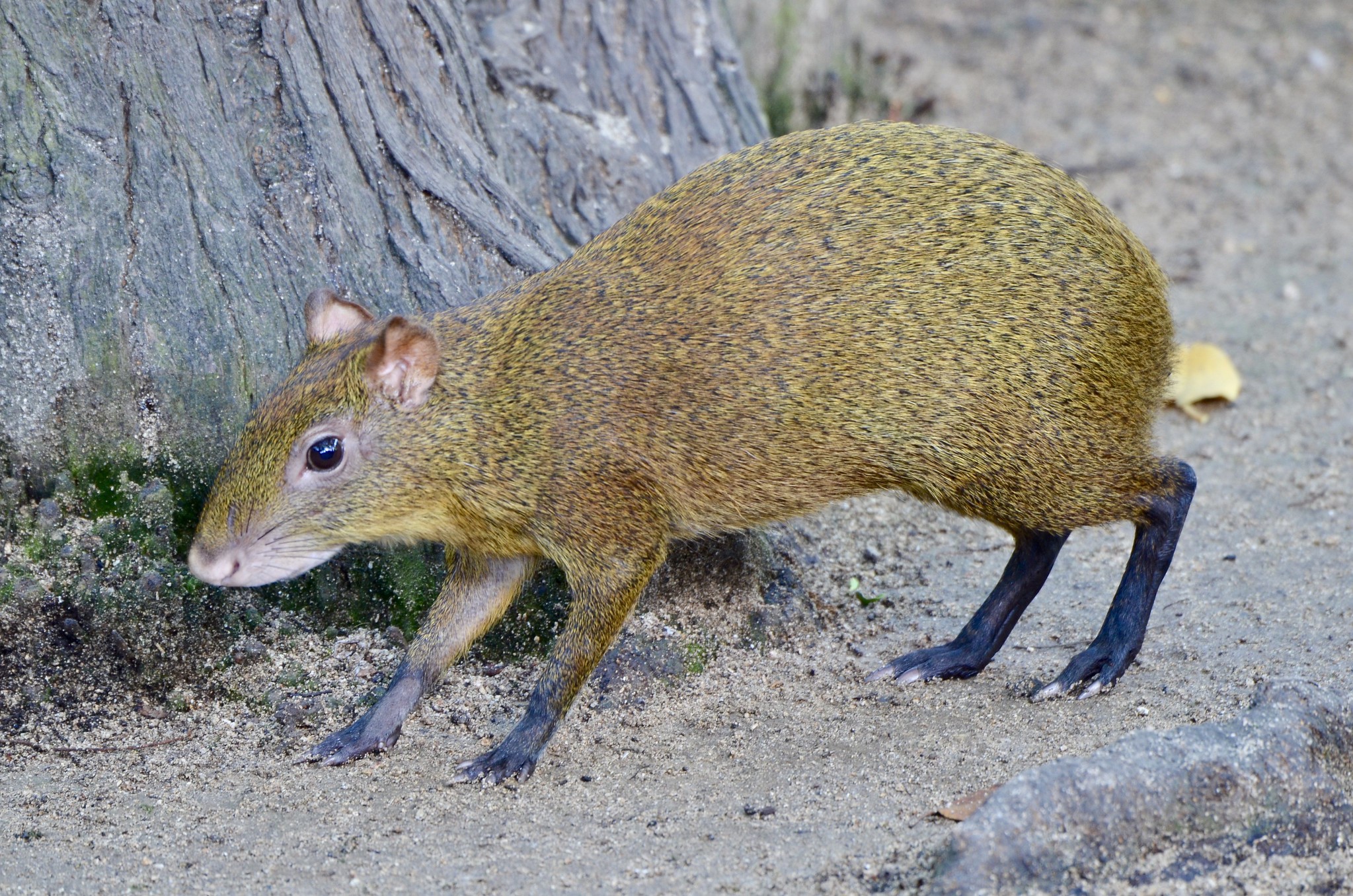
Mexican Agoutis have a robust, rounded body covered in coarse, glossy hair that is typically reddish-brown to dark brown along the back and flanks, with paler underparts. The head is broad with small, rounded ears, large, dark eyes, and prominent incisors adapted for gnawing hard seeds and nuts. Their hind limbs are longer than their forelimbs, giving the back a slightly arched appearance and contributing to their characteristic bounding gait. The tail is very short and inconspicuous, often hidden beneath the fur.

The forefeet have five toes equipped with strong claws used for digging shallow caches where they store food. Their slender legs and delicate hooves allow them to move quickly and quietly through leaf litter. Males and females are similar in size and coloration, showing little sexual dimorphism. Juveniles resemble adults in body form and coloration but are smaller and have softer pelage.

Lifespan: Wild: ~6 Years || Captivity: ~20 Years

Weight: Male & Female: 4.4–8.8 lbs (2–4 kg)

Length: Male & Female: 17–24 in (43–61 cm)

Height: Male & Female: 9.8–11.8 in (25–30 cm)

Top Speed: 15 mph (24 km/h)

Native Habitat:

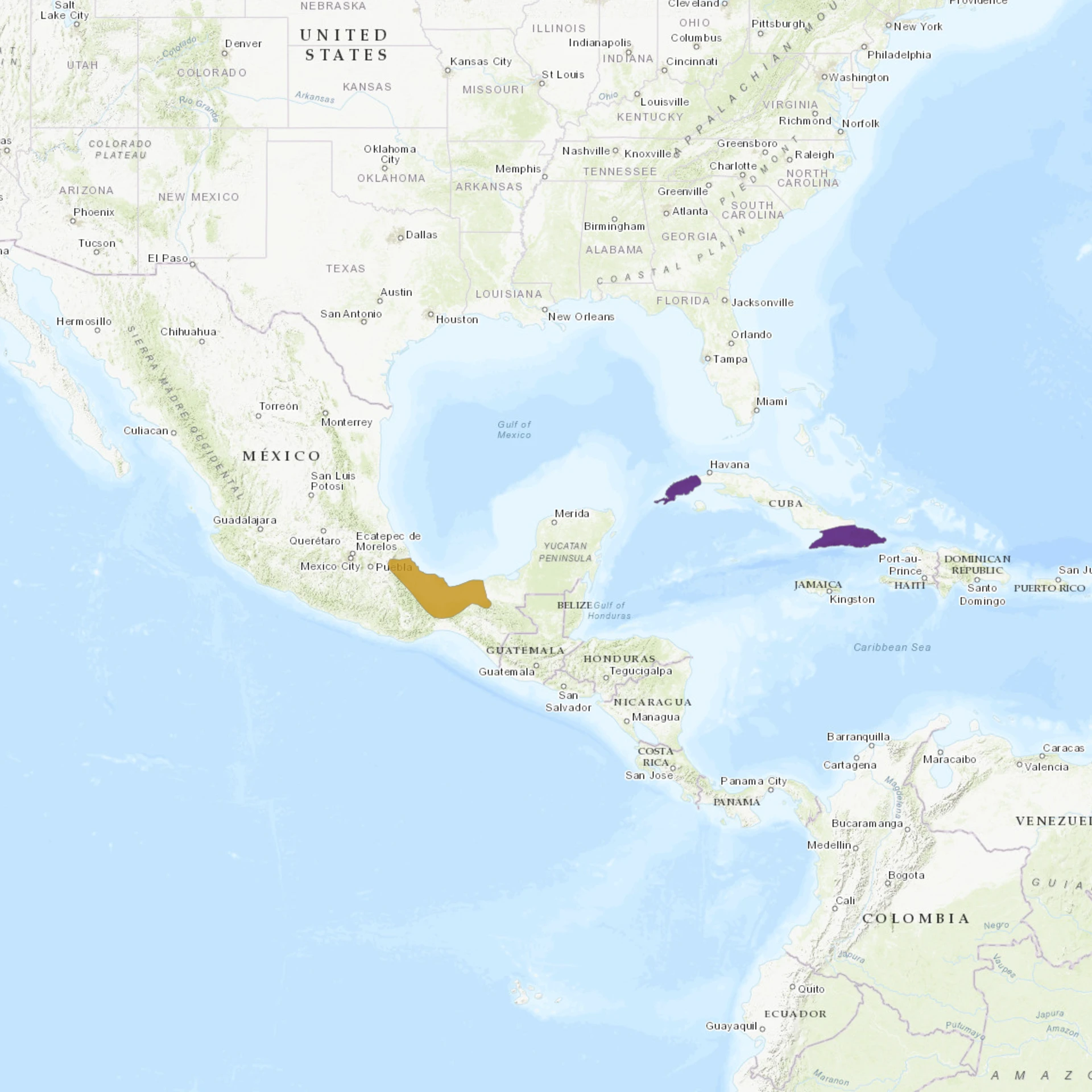
Mexican Agoutis inhabit lowland and foothill tropical moist forests, tropical dry forests, and dense secondary growth throughout southeastern Mexico, including Veracruz, Tabasco, and Chiapas. They prefer areas with abundant understory vegetation that provides both food resources and cover from predators. Proximity to fruiting trees is crucial, as their diet heavily depends on seasonal fruit availability. In some regions, they also occupy plantations and agricultural mosaics if sufficient forest fragments remain nearby.

The species requires secure hiding places such as hollow logs, dense thickets, and burrows, which they use for resting and evading predators. They are sensitive to extensive habitat clearing, which reduces food diversity and increases vulnerability to hunting. Riparian corridors are important for movement between fragmented forest patches. Remaining undisturbed forests are essential for sustaining viable populations.

Climate Zones:
Biogeographical Realms:
Continents:
Countries:
Diet:

Diet & Feeding Habits:

Mexican Agoutis are primarily herbivorous, feeding on a variety of fruits, nuts, seeds, tubers, and young shoots found on the forest floor. They are known for their habit of hoarding food in multiple small caches, which they bury in shallow holes and retrieve later during periods of scarcity. This scatter-hoarding behavior not only helps them survive seasonal shortages but also contributes significantly to seed dispersal and forest regeneration. They have strong jaw muscles and large, chisel-shaped incisors that can crack even the toughest nuts.

Foraging activity peaks in the early morning and late afternoon when temperatures are lower and predators are less active. Agoutis rely heavily on olfactory cues to locate both fresh food and their previously buried caches. They sometimes follow trails left by other agoutis to pilfer hidden food stores. In disturbed habitats, they may opportunistically consume cultivated crops such as maize and cacao, occasionally bringing them into conflict with farmers.

Mating Behavior:

Mating Description:

Mexican Agoutis are believed to form monogamous pairs that occupy and defend small territories against conspecifics. Courtship involves the male following the female closely while emitting high-pitched vocalizations and scent-marking to signal his readiness. Reproduction can occur year-round, although births often coincide with the rainy season when fruit is abundant. Gestation lasts about 104–120 days, culminating in the birth of one to three precocial young.

Females prepare concealed nests in dense vegetation or burrows where the young remain for the first few days after birth. The newborns are fully furred, with eyes open and capable of walking shortly after delivery. Both parents may participate in defending the territory from intruders. Sexual maturity is reached at about one year of age.

Reproduction Season:

Year-round
Birth Type:

Pregnancy Duration:

~120 Days

Female Name:

Female

Male Name:

Male

Baby Name:

Pup

Social Structure Description:

Mexican Agoutis are primarily solitary or form stable monogamous pairs that defend small territories. Home ranges are marked with scent glands and feces, which signal occupancy to conspecifics. Encounters between adults often become aggressive when boundaries are crossed. Young remain with their mother for a short period before dispersing to establish independent territories.

Territories are maintained through vocalizations, foot stamping, and threat displays. Agoutis are vigilant and spend considerable time scanning their surroundings while foraging. This solitary lifestyle reduces competition for food resources. Social bonds are strongest between mated pairs and their offspring.

Groups:

Cete
Conservation Status:
Population Trend:
Wild: Unknown || Captivity: Unknown

Mexican Agouti populations have declined substantially in areas experiencing rapid deforestation and hunting. In forest reserves and protected habitats, they remain locally common and play an essential role in seed dispersal dynamics. However, fragmentation isolates populations and restricts genetic exchange, increasing vulnerability to local extinction. Hunting for bushmeat persists in many rural communities despite legal protection in some regions.

Studies using camera traps have shown that agoutis quickly disappear from small, isolated forest fragments. Their presence is considered an indicator of relatively intact tropical forest. Conservation strategies emphasize maintaining large, continuous tracts of habitat and enforcing hunting regulations effectively. Population recovery depends on reducing habitat conversion and promoting sustainable forest management.

Population Threats:

The primary threats are habitat loss and fragmentation driven by agriculture, logging, and infrastructure expansion. Hunting pressure remains high in many parts of their range, both for subsistence and sale in local markets. Small forest remnants cannot sustain viable populations over time due to limited food diversity and increased predation. Climate change may further disrupt fruiting cycles, which are critical for their survival.

Introduced predators, such as domestic dogs, also contribute to mortality near human settlements. In some areas, agoutis are considered pests for raiding crops, leading to retaliatory killing. Lack of awareness about their ecological role hampers conservation efforts. Enforcement of existing protections is inconsistent and often under-resourced.

Conservation Efforts:

Mexican Agoutis are protected under Mexican law in some regions, and their hunting is regulated or prohibited in protected areas. Conservation efforts focus on habitat protection and restoration, including the creation of biological corridors linking forest fragments. Environmental education programs aim to raise awareness of the ecological importance of seed dispersers. Community-based conservation initiatives promote sustainable use and reduce hunting pressure.

Research continues to monitor population trends and evaluate the impacts of habitat fragmentation. Protected reserves such as Los Tuxtlas and Montes Azules serve as critical refuges. Some captive management occurs in zoos, supporting education and potential reintroduction projects. Long-term success depends on integrated approaches combining habitat protection with local engagement.

Additional Resources:

Fun Facts

  • Mexican Agoutis can crack Brazil nuts with their powerful incisors.
  • They are among the few rodents that hoard seeds in individual caches rather than communal ones.
  • Their newborns can walk within an hour of birth.
  • They often communicate with high-pitched barks and whistles.
  • Agoutis are important seed dispersers for many tropical tree species.
  • They can swim well and will cross streams to reach feeding areas.
  • Their fur is water-repellent, helping them stay dry in humid forests.
  • When threatened, they may freeze motionless before fleeing in zigzag patterns.
  • Their incisors grow continuously and must be worn down by gnawing.
  • They play a key role in maintaining forest composition by burying seeds.

YOU MAY ALSO BE INTERESTED IN