Overview
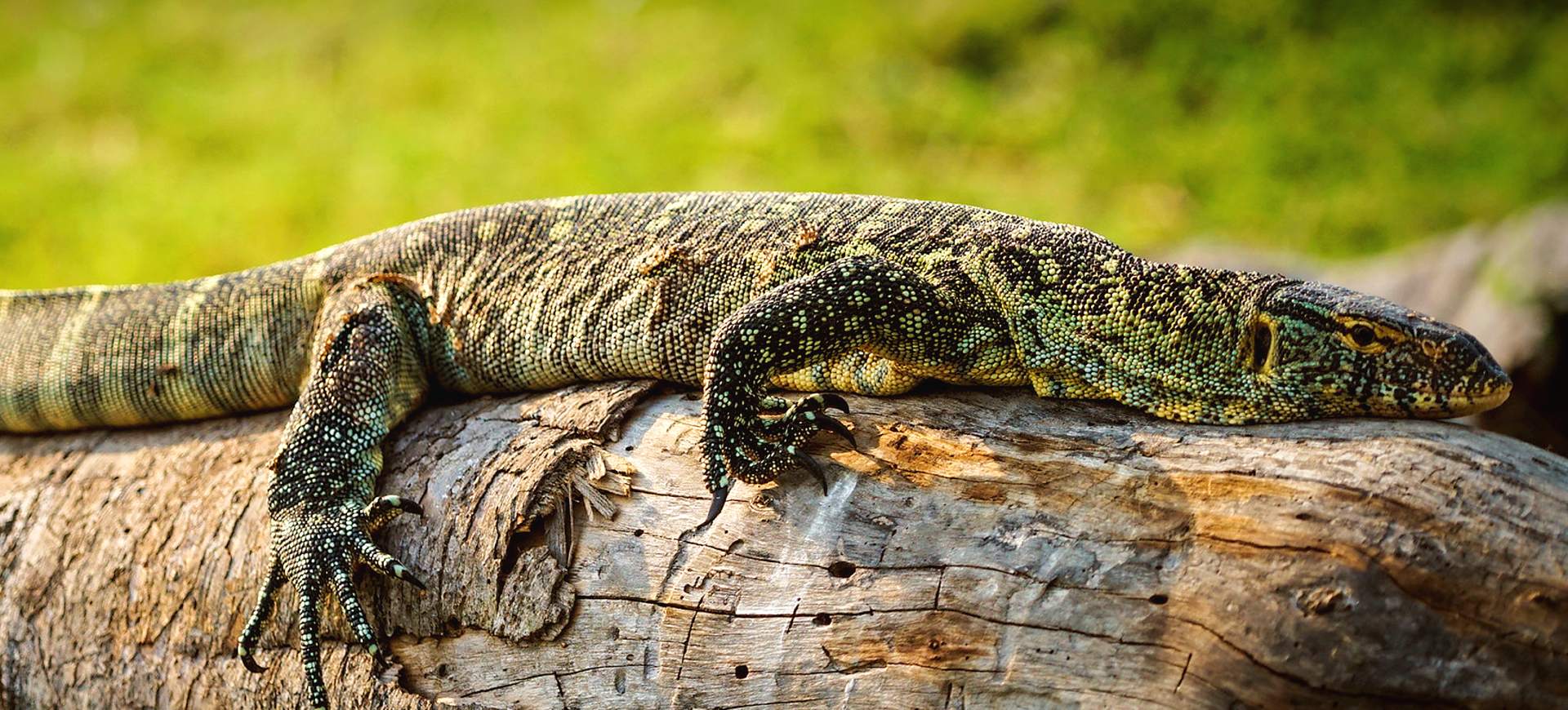
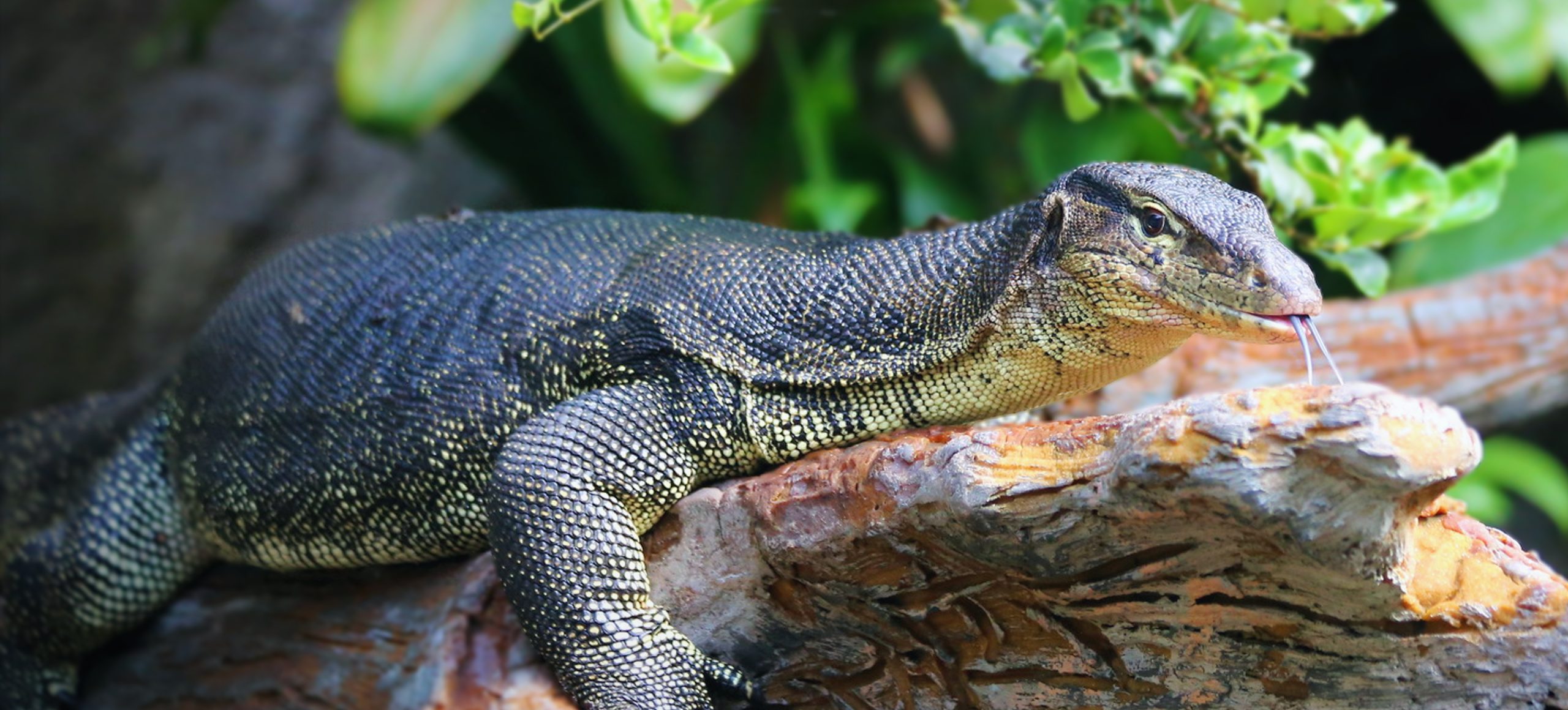
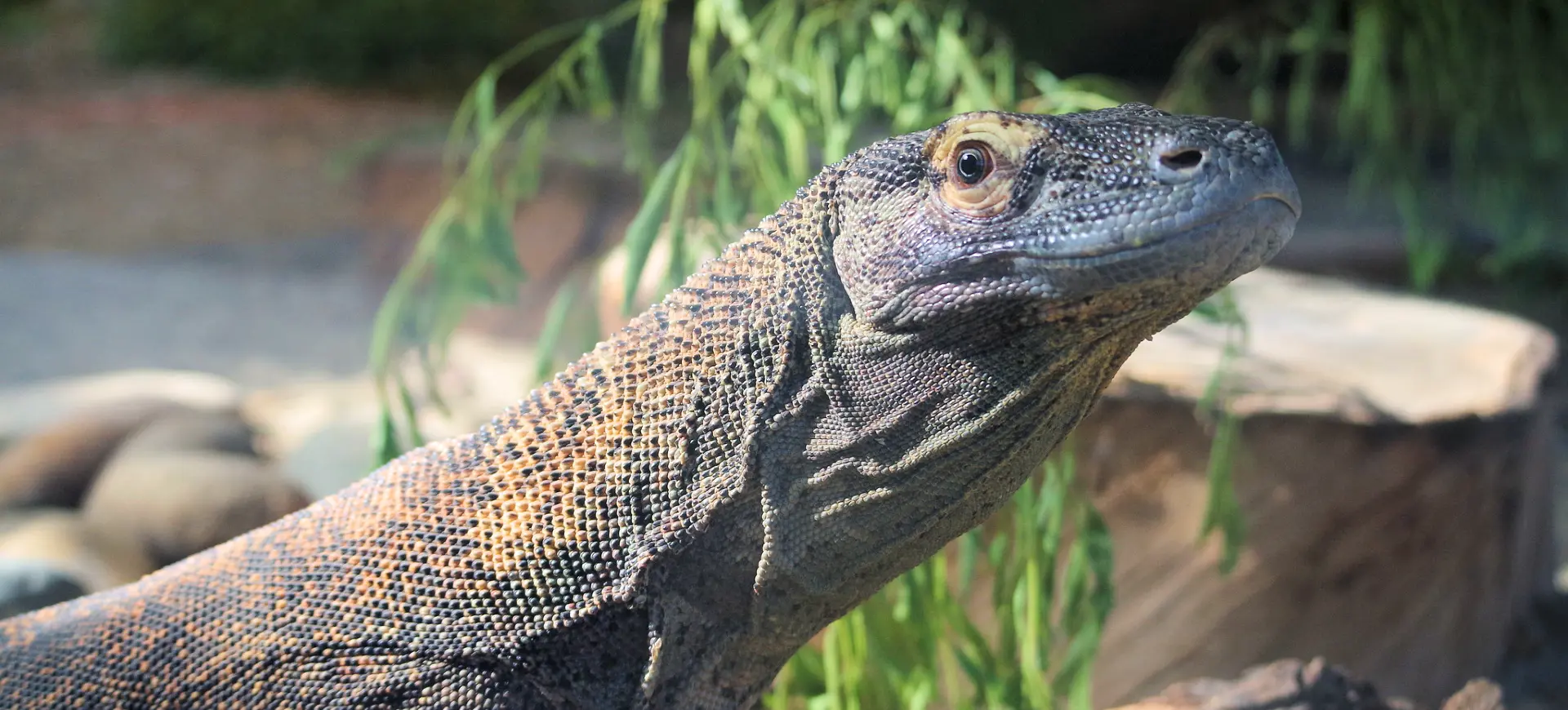
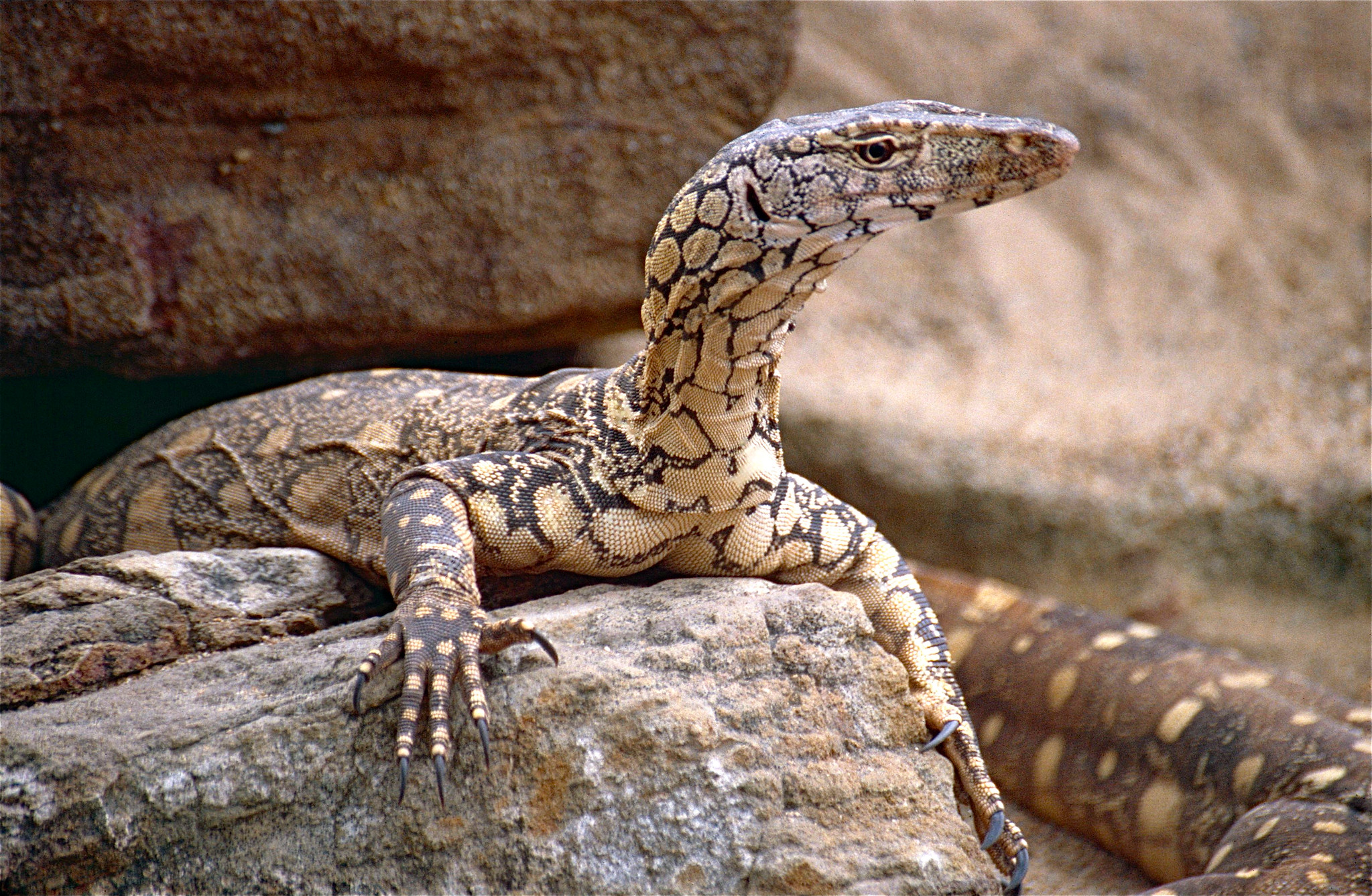
The Perentie is the largest monitor lizard native to Australia, reaching lengths of over 8 feet and inhabiting arid and semi-arid regions across the continent’s interior. This formidable reptile is renowned for its muscular build, elongated neck, and powerful limbs, which are adapted for digging, climbing, and rapid sprinting. It inhabits a range of habitats, including rocky outcrops, sandy plains, and open woodlands, where it serves as both an apex predator and an opportunistic scavenger. Highly secretive, the Perentie is most often observed basking near burrows or foraging during the hottest parts of the day.
Adults are solitary and highly territorial, with individuals maintaining extensive home ranges marked by scent and visual displays. They are capable of delivering strong bites and powerful tail strikes when threatened, and may inflate their throats or hiss loudly as a defensive display. The Perentie’s diet is broad, comprising mammals, birds, reptiles, carrion, and invertebrates, making it an important ecological regulator of prey populations. Despite its formidable size, this lizard is vulnerable to habitat loss and persecution in some areas.
The species is well-adapted to Australia’s extreme climates, relying on behavioral thermoregulation and efficient water conservation strategies. It excavates burrows for shelter and nests, and often climbs trees or rocky ledges to survey its territory. Indigenous Australians traditionally regard the Perentie as both a totemic animal and a valued food source. The conservation status remains stable, but localized threats, including habitat modification, introduced predators, and vehicle collisions, persist.
Current distribution:
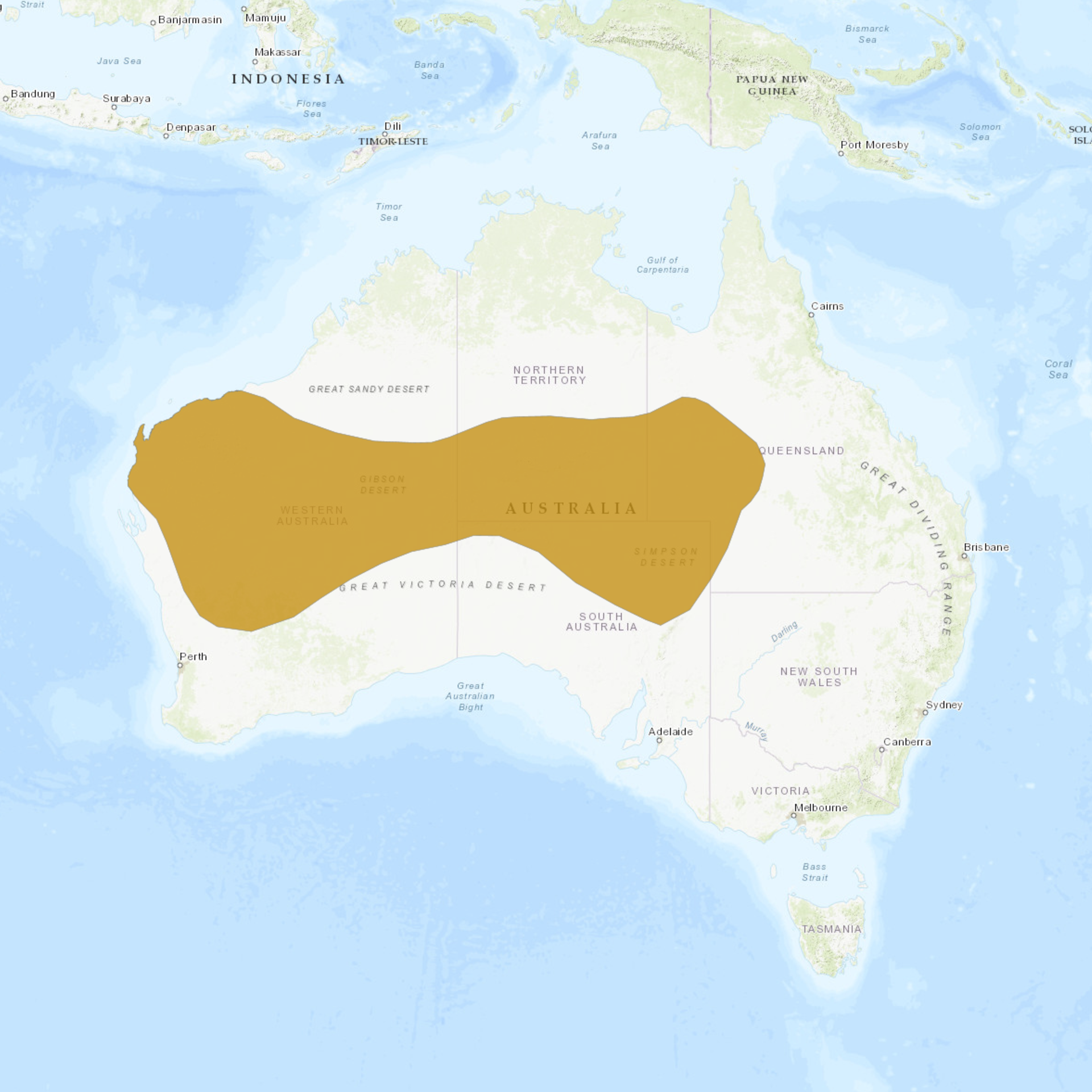
The Perentie’s range extends across most of Western Australia, the Northern Territory, South Australia, and western Queensland. Populations are densest in the rocky ranges of the Pilbara and MacDonnell Ranges, as well as in adjacent desert regions. Distribution is patchy, reflecting the availability of suitable rocky shelters and prey resources. In some areas, populations are locally abundant, while in others, they are scarce due to habitat fragmentation and the introduction of predators.
They are rarely observed near coastal regions or heavily wooded areas, preferring open landscapes with minimal canopy cover. Roads, mining activities, and pastoral development have locally reduced habitat quality and connectivity. Despite these pressures, the species remains widespread and secure in remote regions. Targeted surveys and monitoring have improved knowledge of its distribution and ecological requirements.

Physical Description:
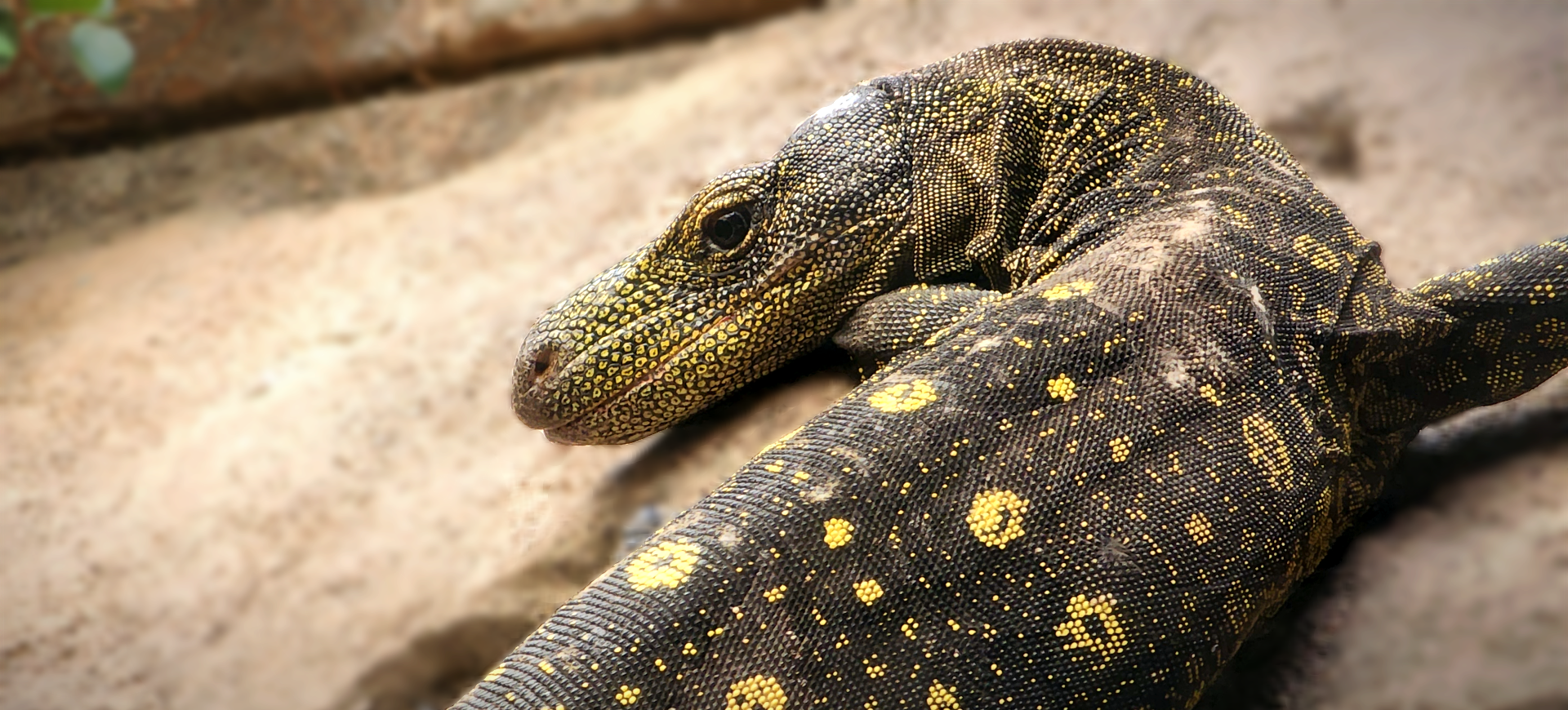
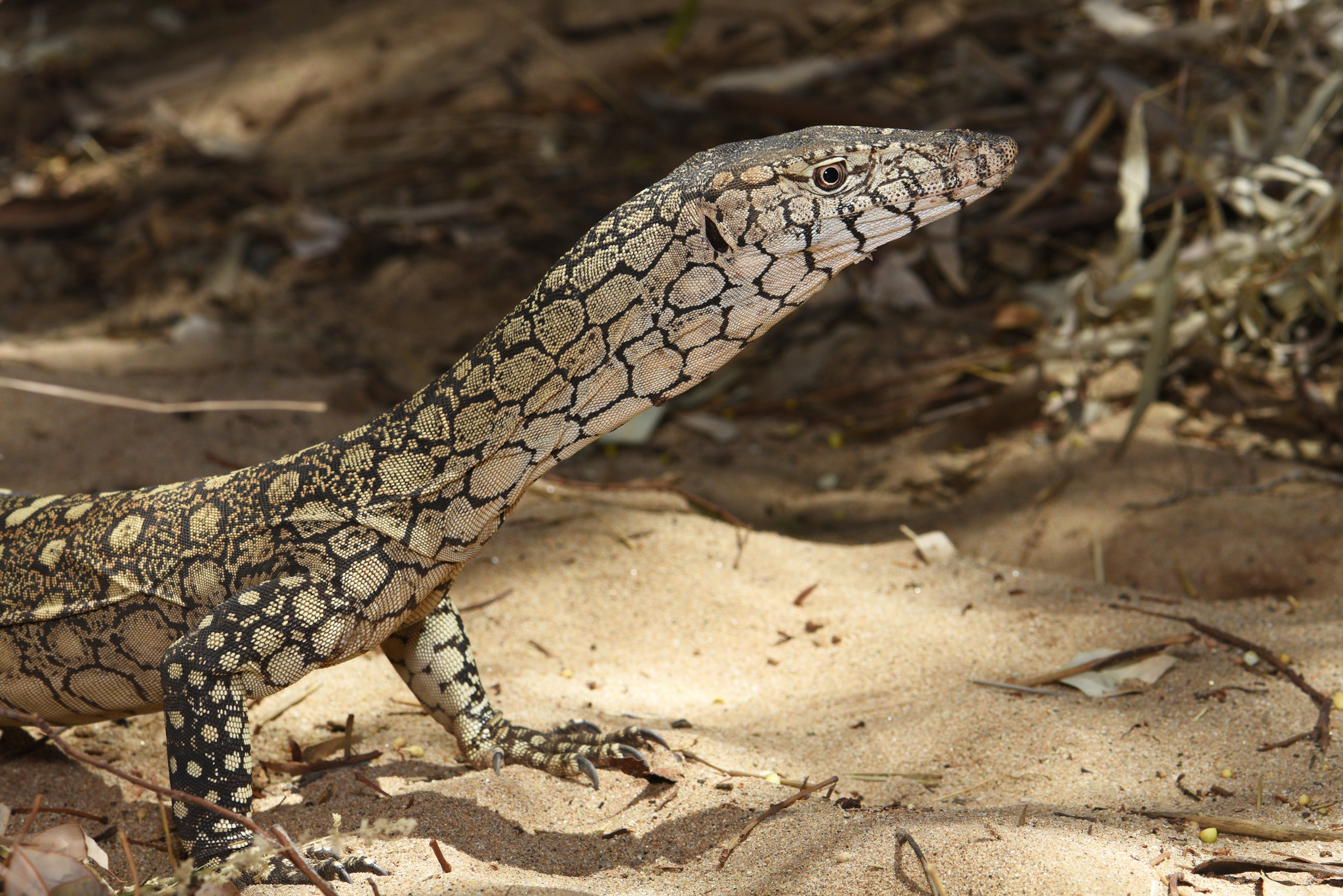
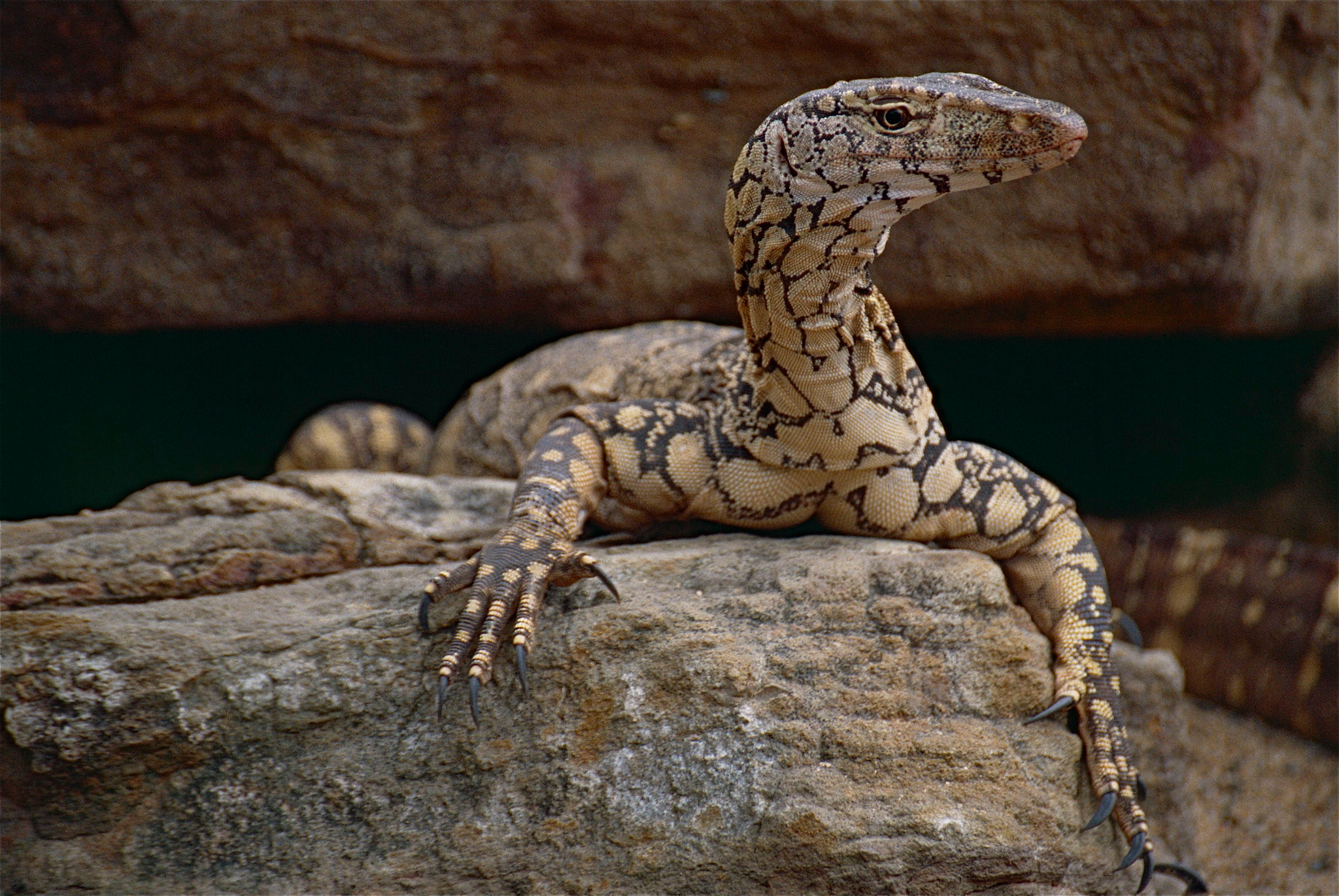
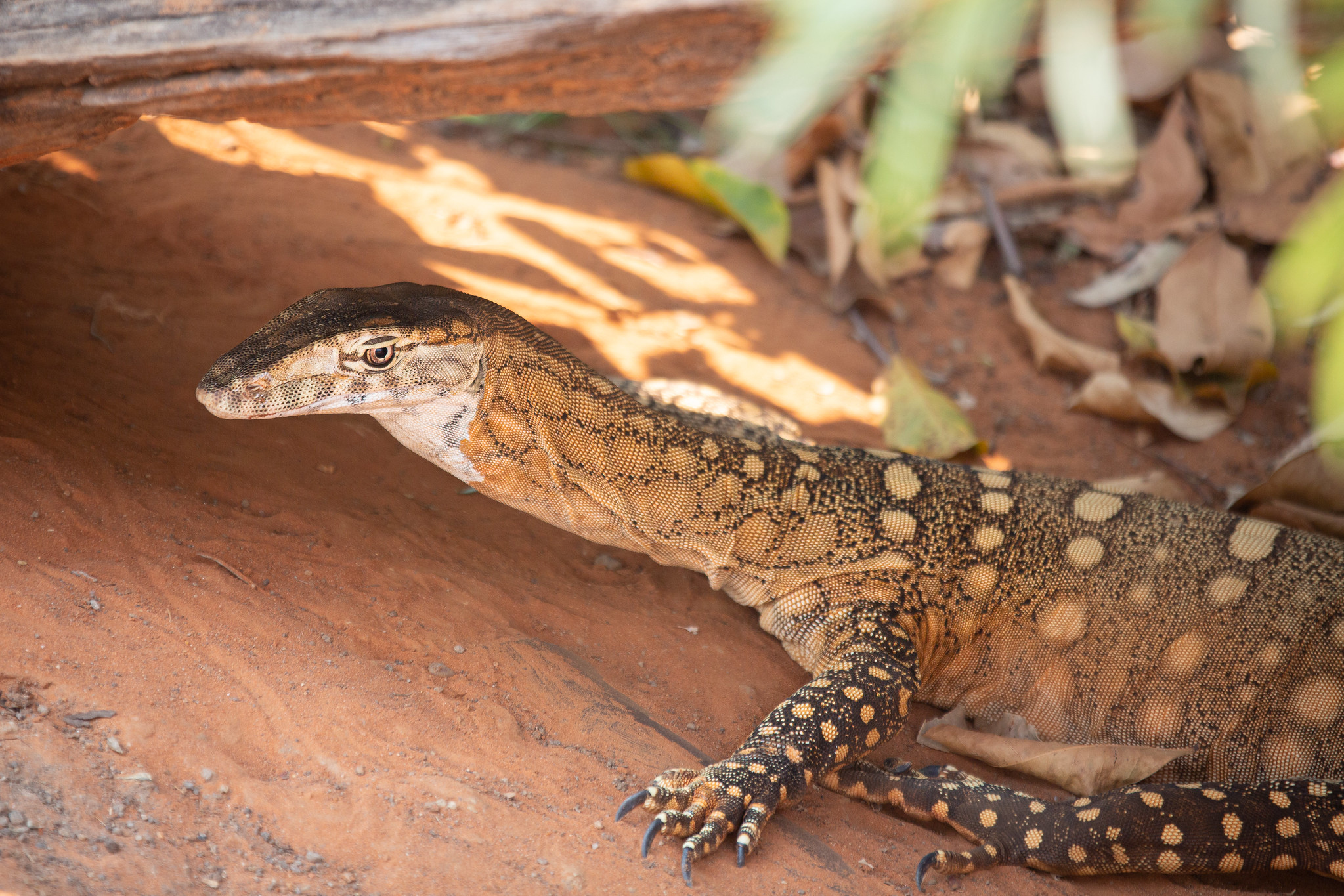
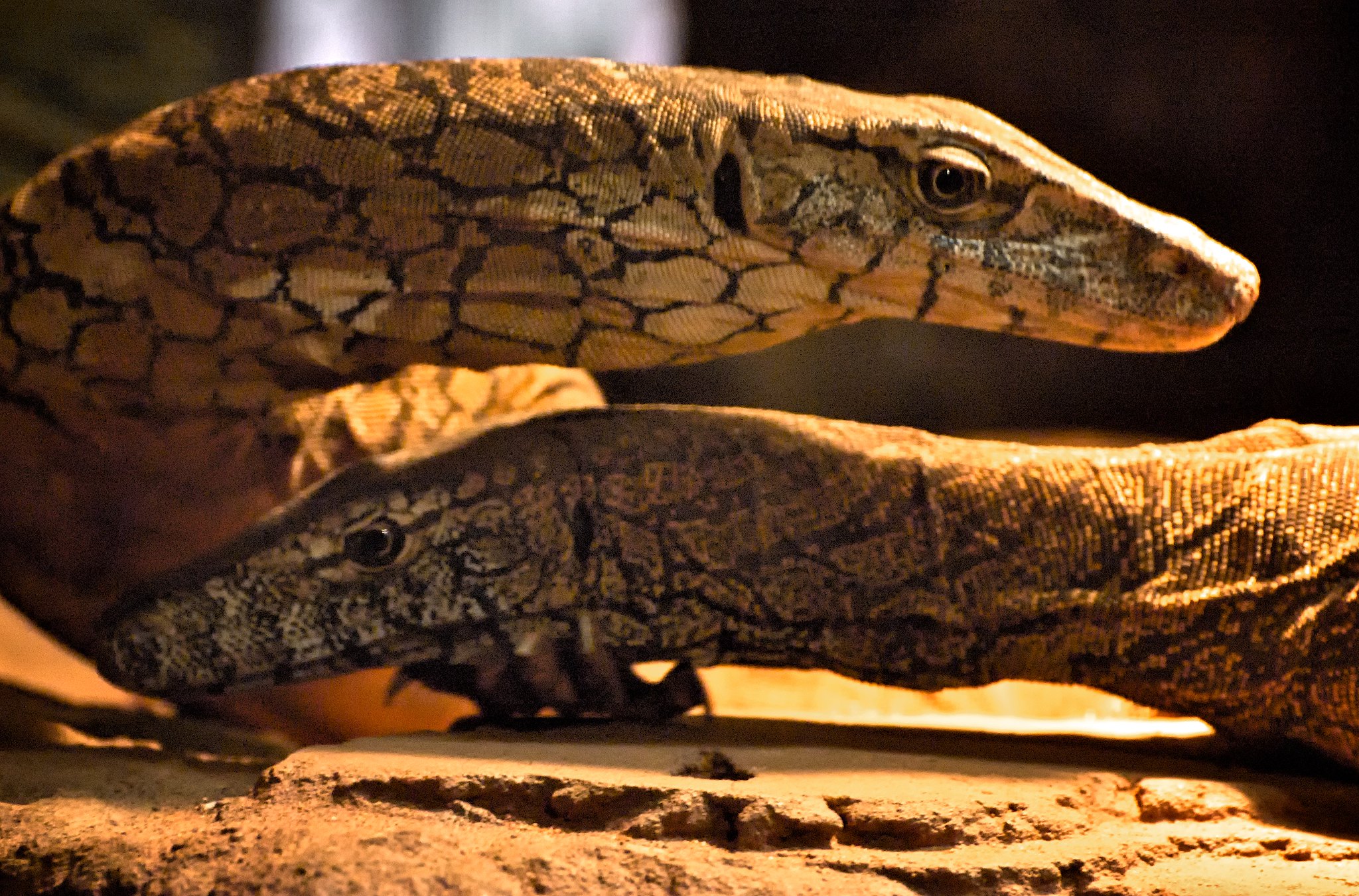
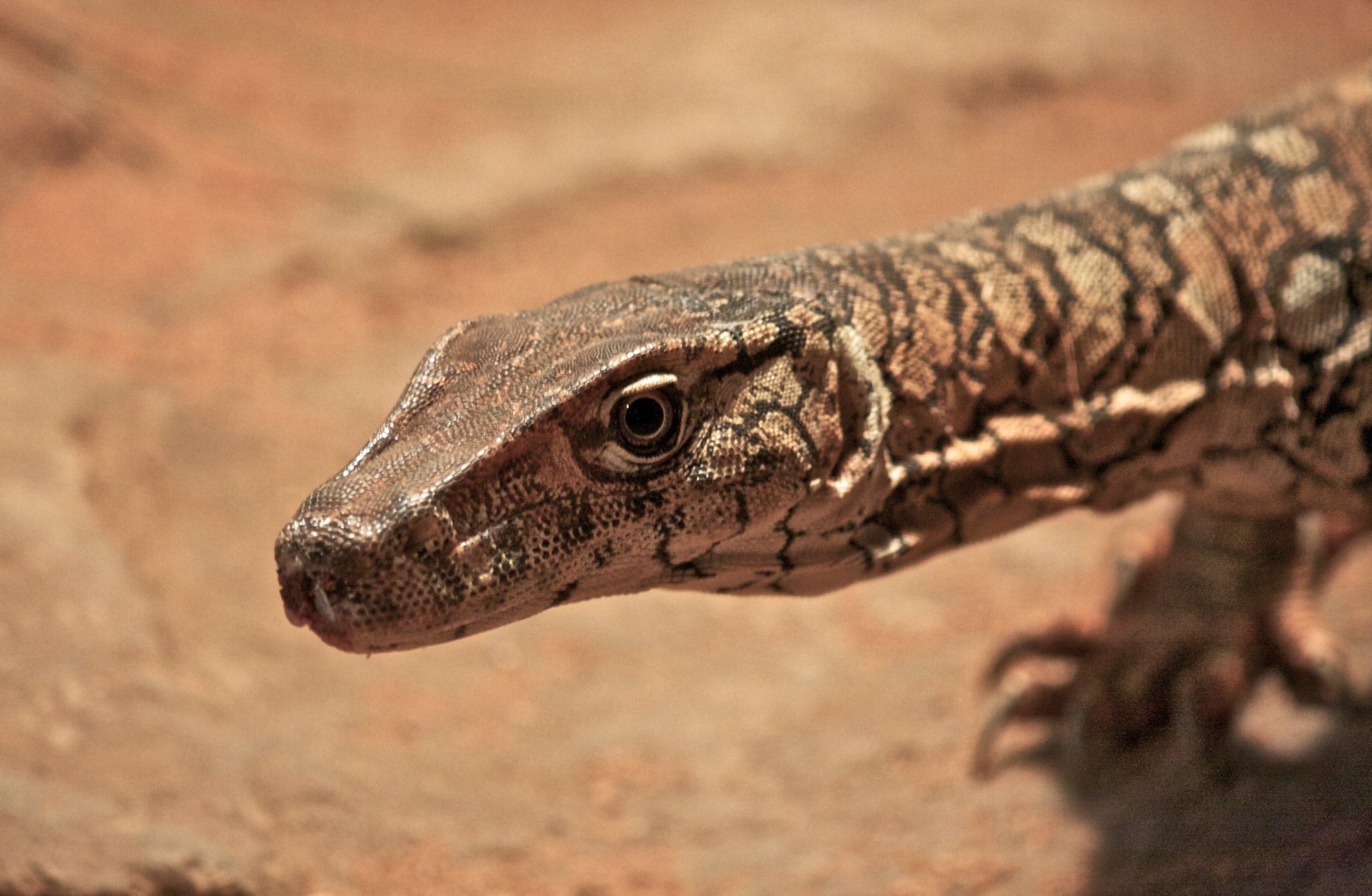
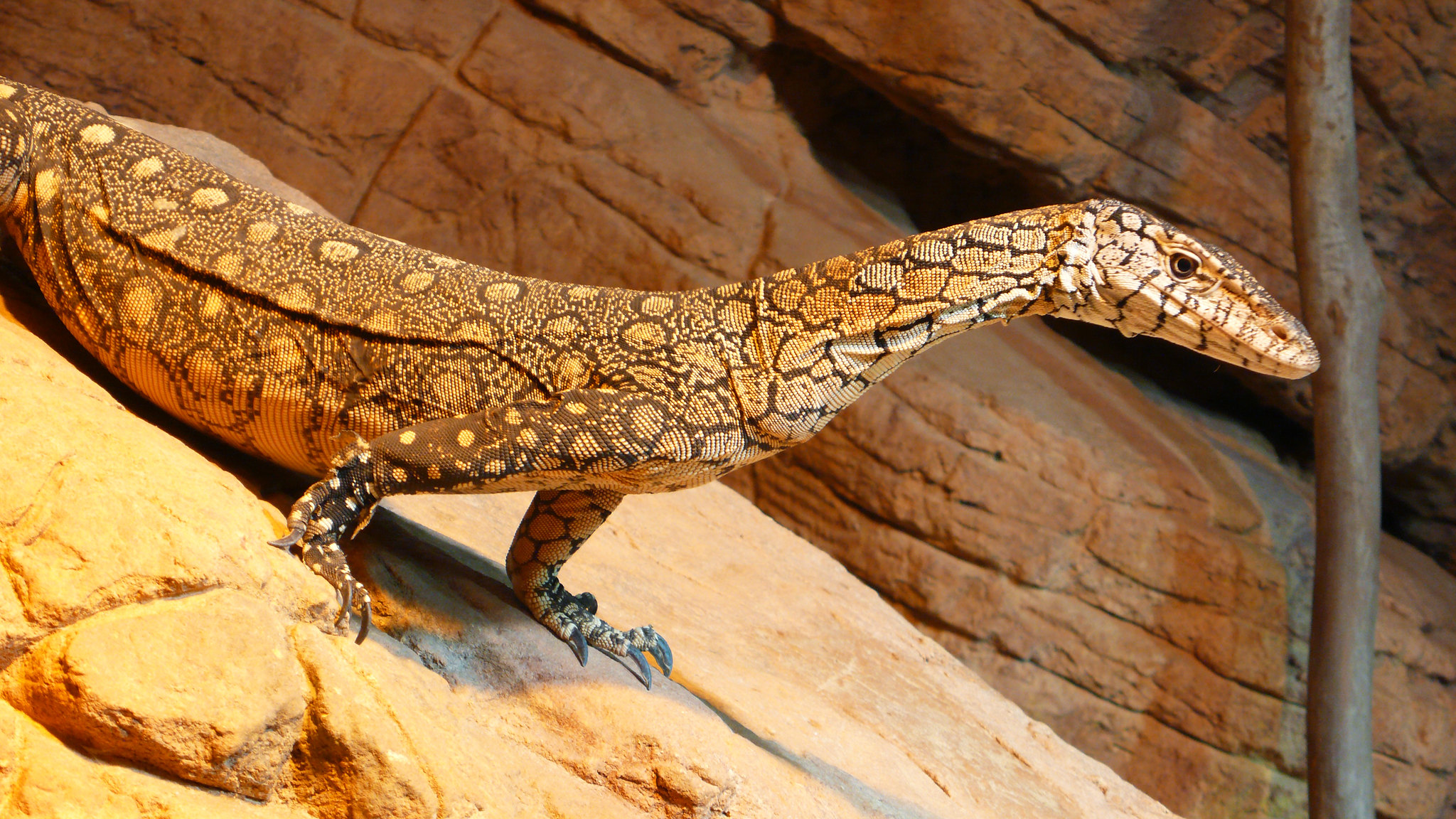
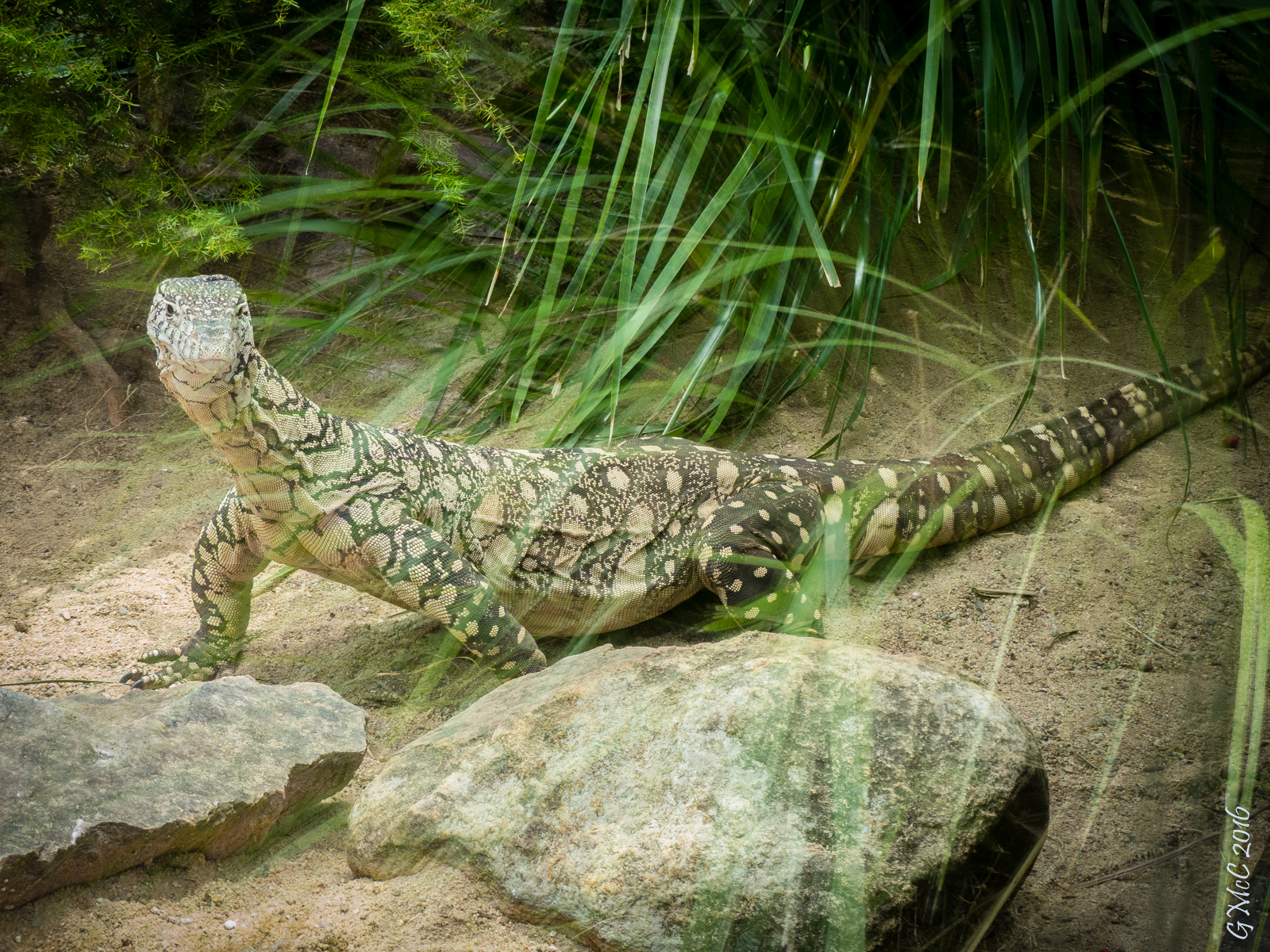
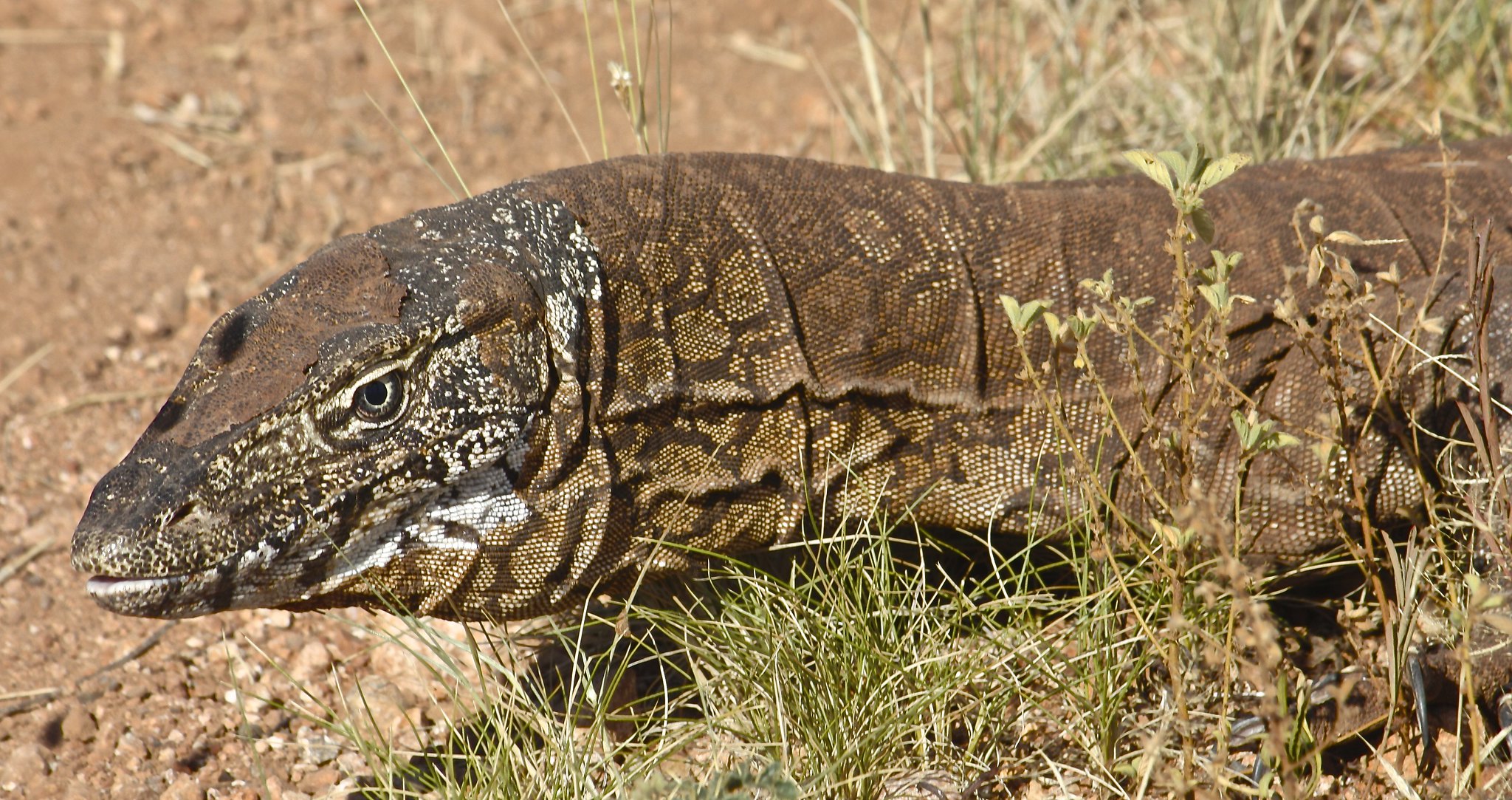
The Perentie has a striking pattern of cream or yellow spots arranged in reticulated bands over a dark brown to black background. Its head is narrow and pointed, with powerful jaws containing sharp, recurved teeth suited for slicing flesh and crushing prey. The long, muscular tail is laterally compressed, providing balance during locomotion and serving as a potent defensive weapon. Large, curved claws enable it to dig extensive burrows and climb rugged rock faces with ease.
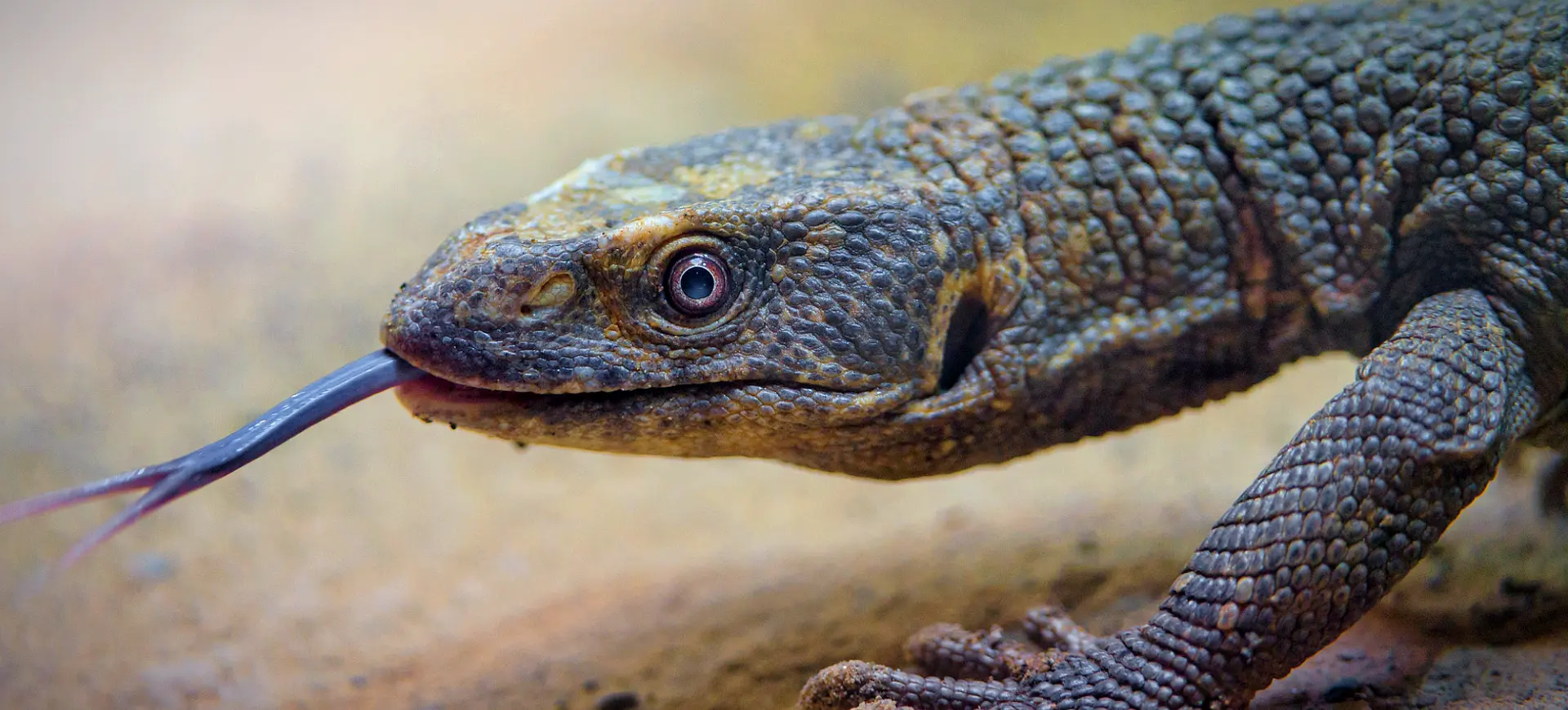
Mature individuals exhibit a thick neck and robust forelimbs, which gives them an imposing presence when standing upright in a bipedal threat posture. Their forked tongue is long and highly sensitive, used to detect chemical cues and locate prey. Eyes are positioned for binocular vision, which aids in detecting movement at a distance. The skin is tough and covered with small, keeled scales that reduce water loss and protect against abrasion.

Lifespan: Wild: ~15 Years || Captivity: ~25 Years

Weight: Male: 33–44 lbs (15–20 kg) || Female: 26–33 lbs (12–15 kg)

Length: Male: 72–96 in (183–244 cm) || Female: 60–84 in (152–213 cm)

Top Speed: 25 mph (40 km/h)
Characteristic:
Native Habitat:
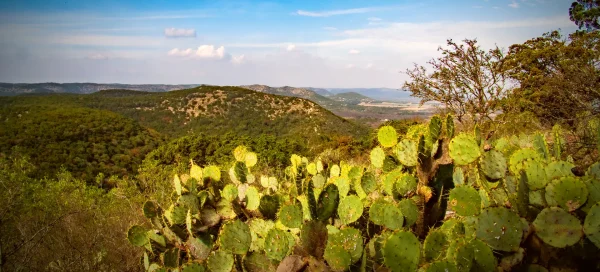
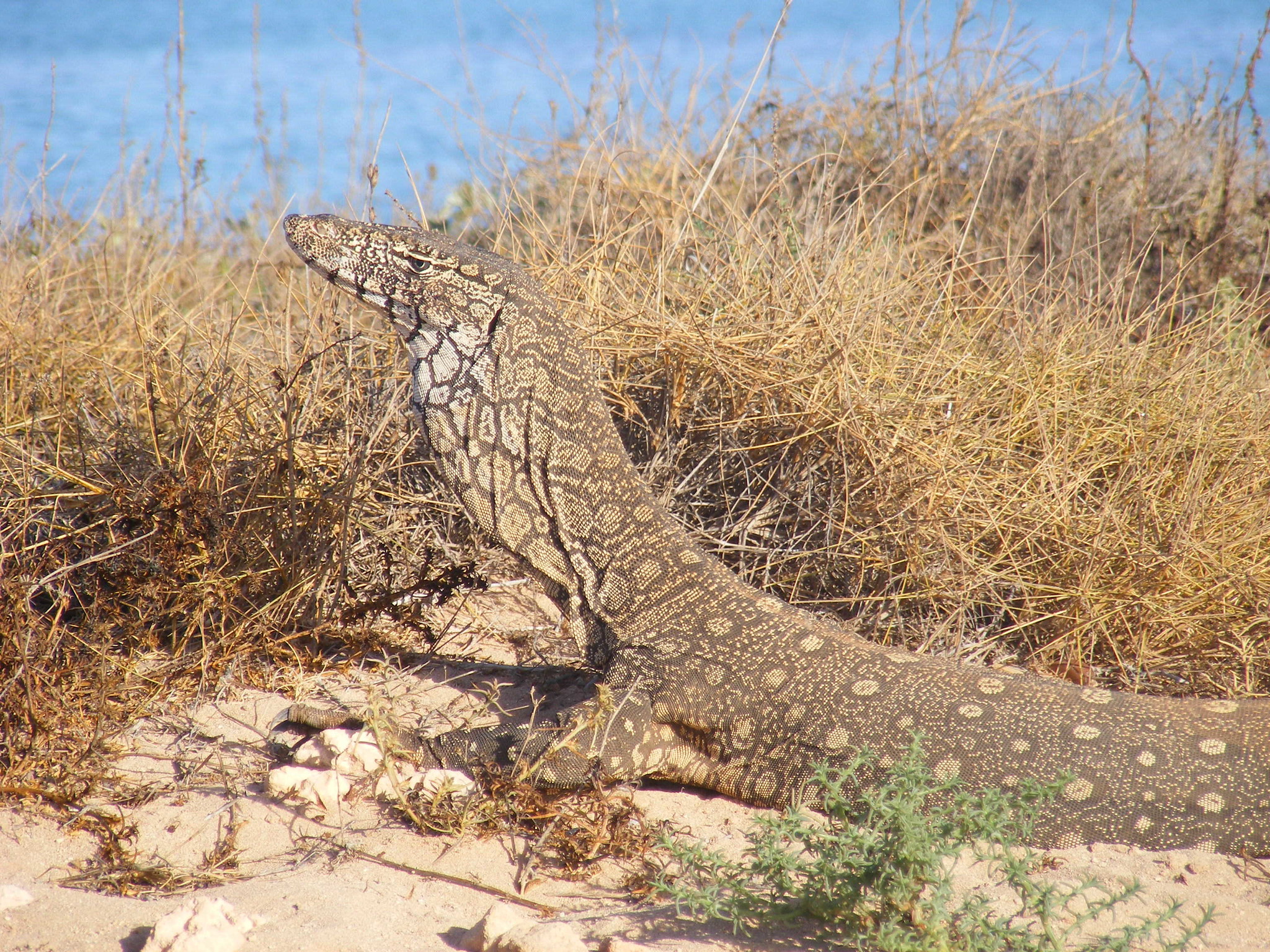
Perennials are strongly associated with arid and semi-arid habitats, including rocky ranges, stony deserts, spinifex grasslands, and sandy plains throughout central and western Australia. Rocky outcrops are particularly favored, offering shelter, basking sites, and vantage points for detecting prey or predators. Burrows excavated beneath rocks, tree roots, or in compacted soil provide critical refuge from extreme temperatures and predators. They also use crevices and hollow logs when available.
Vegetation structure is typically sparse, dominated by spinifex grasses, acacias, and occasional eucalypts. Seasonal rainfall can transform otherwise barren habitats into productive foraging grounds as prey abundance increases. Access to water is not essential year-round, as they derive moisture from prey and are physiologically adapted to conserve water efficiently. Habitat selection reflects a balance between thermoregulation, prey availability, and predator avoidance.
Climate Zones:
Biogeographical Realms:
Continents:
Countries:
Diet:
Diet & Feeding Habits:
Peregrines are obligate carnivores, consuming a diverse array of prey including small to medium-sized mammals, ground-nesting birds, reptiles, eggs, and large insects. They are known to scavenge carcasses, using their acute sense of smell to locate carrion over considerable distances. Hunting strategies vary from ambush predation to active pursuit, and larger individuals can overpower prey that is nearly half their weight. Prey is dispatched with rapid bites and vigorous shaking, and large items are often torn apart with the claws.
Feeding bouts are typically solitary, and individuals defend kills aggressively from conspecifics or other scavengers. Juveniles primarily target insects, smaller lizards, and small rodents, gradually transitioning to larger prey as they grow. Perenties can consume substantial meals and store energy as fat reserves within the tail and body cavity. Seasonal food availability influences their activity patterns and home range size.
Mating Behavior:
Mating Description:
Perenties exhibit a polygynous mating system, with males engaging in ritualized combat to secure breeding access to receptive females. Combat includes grappling and wrestling matches where individuals attempt to topple or pin their rival to the ground. Breeding typically occurs in the spring and early summer months, following the warming temperatures. Courtship involves tongue-flicking, body circling, and gentle nudging before copulation is initiated.
Females lay clutches of 6–12 leathery eggs in deep burrows or excavated termite mounds, which provide stable temperature and humidity for incubation. The eggs incubate for approximately 90 to 100 days, depending on the ambient conditions. Hatchlings are fully independent at birth and disperse quickly to avoid predation. Juveniles grow rapidly, doubling in size within their first year under favorable conditions.
Reproduction Season:
Birth Type:
Pregnancy Duration:
Female Name:
Male Name:
Baby Name:
Social Structure Description:
Perenties are solitary reptiles outside the breeding season, with individuals maintaining exclusive home ranges defined by scent marking and visual displays. Encounters between adults are typically avoided unless competition for mates or food arises. Males exhibit pronounced territoriality during the breeding season and actively patrol their ranges to find receptive females. Juveniles disperse widely after hatching to reduce predation risk and competition.
Communication relies heavily on chemical cues, including secretions from cloacal glands and tongue-flicking to detect conspecifics. Threat displays involve inflating the throat, hissing, tail lashing, and bipedal posturing to deter rivals or predators. They are generally wary of humans and retreat rapidly to burrows or crevices when disturbed. Solitary habits and cryptic coloration play a significant role in their success in Australia’s harsh landscapes.
Groups:
Conservation Status:
Population Trend:
Perentie populations are generally stable across much of their range due to the remoteness of arid habitats and limited human disturbance. Local declines have occurred in areas subjected to extensive mining, pastoral expansion, or high densities of introduced predators such as foxes and feral cats. The species’ cryptic behavior and vast home ranges can complicate population assessment. Nevertheless, surveys indicate healthy densities in many protected and remote regions.
Captive populations are primarily maintained for education and conservation research, rather than for active breeding programs. The species adapts well to captivity when provided with appropriate thermal gradients and space. Conservation status reflects its broad distribution and ecological resilience. Continued habitat protection and management of invasive species are key to ensuring long-term stability.
Population Threats:
Habitat loss and fragmentation due to mining, road construction, and agriculture are the primary threats in more developed areas. Introduced predators such as red foxes and feral cats pose significant risks to eggs and juveniles. Road mortality occurs when individuals cross highways, particularly during breeding season or dispersal movements. Illegal collection for the pet trade has been reported, but it is not considered a major threat overall.
Climate variability, including prolonged droughts, can reduce prey abundance and increase mortality rates in wildlife populations. Altered fire regimes may degrade habitat quality by reducing cover and altering the composition of prey communities. Ongoing land use changes require monitoring to prevent localized declines. Conservation measures emphasize maintaining intact habitat and minimizing anthropogenic disturbance.
Conservation Efforts:
Most conservation efforts are habitat-based, focusing on preserving large tracts of intact arid and semi-arid landscapes. Protected areas and national parks throughout central and western Australia safeguard core populations of these species. Predator control programs targeting foxes and feral cats indirectly benefit Perenties and their prey. Research initiatives improve understanding of movement ecology, population genetics, and reproductive biology.
Educational outreach promotes awareness of the Perentie’s ecological role and discourages the illegal collection of these animals. Land management practices in pastoral and mining regions increasingly consider biodiversity conservation as part of environmental regulations. Continued survey work informs adaptive management strategies and helps identify emerging threats. Cooperation with Indigenous landholders ensures traditional knowledge is integrated into conservation planning.
Additional Resources:
Fun Facts
- They are Australia’s largest lizard species.
- Perenties can stand on their hind legs to intimidate rivals.
- Their bite can deliver anticoagulant saliva that slows the escape of their prey.
- They have been known to consume venomous snakes.
- Hatchlings emerge fully independent and are immediately able to hunt.
- They can sprint at speeds of up to 25 mph when threatened.
- Indigenous Australians traditionally hunted them for food and ceremonial purposes.
- Their burrows can extend several meters underground.
- They use thermal basking to maintain body temperature in extreme climates.
- Perenties have excellent vision and can spot movement from great distances.