Overview

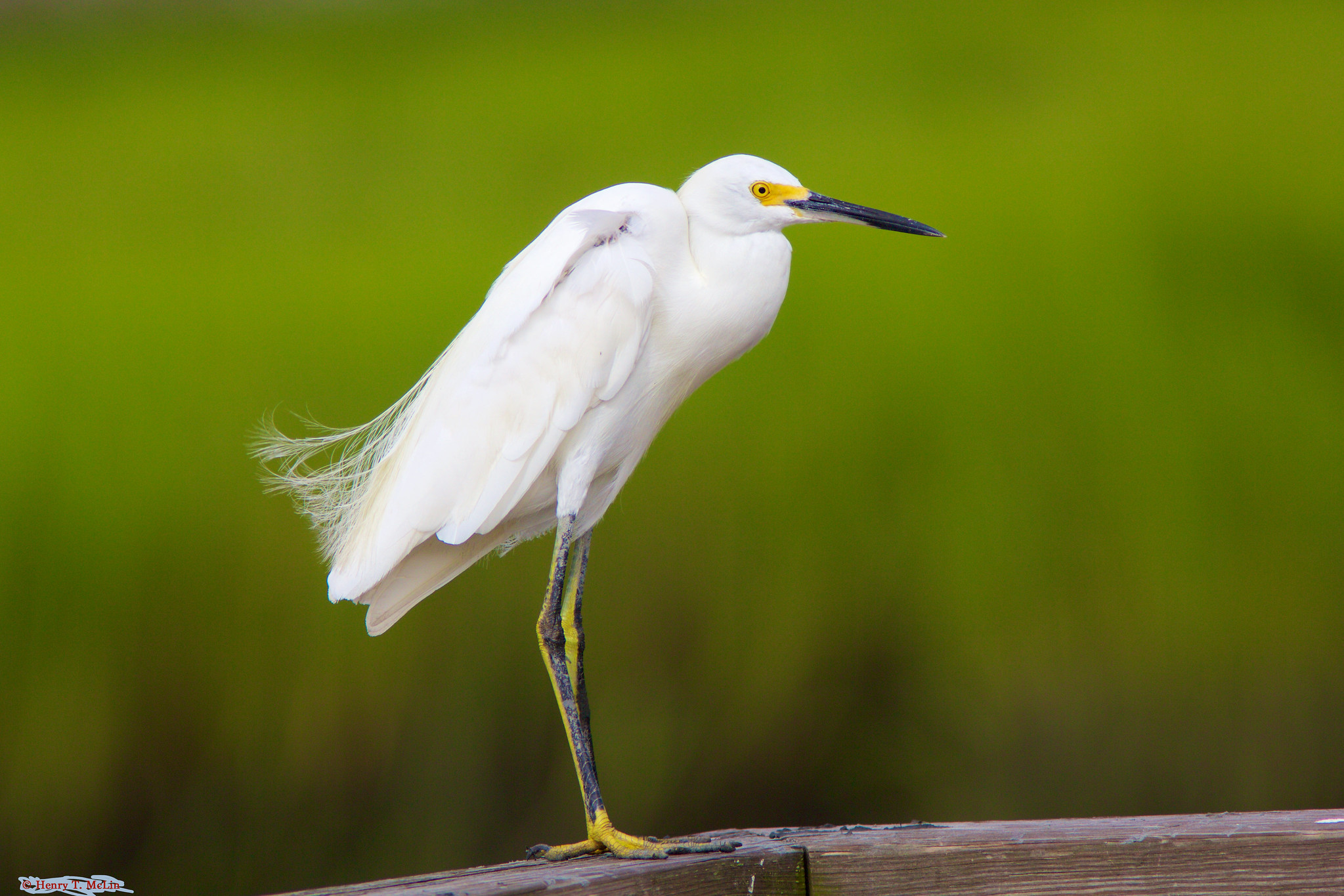
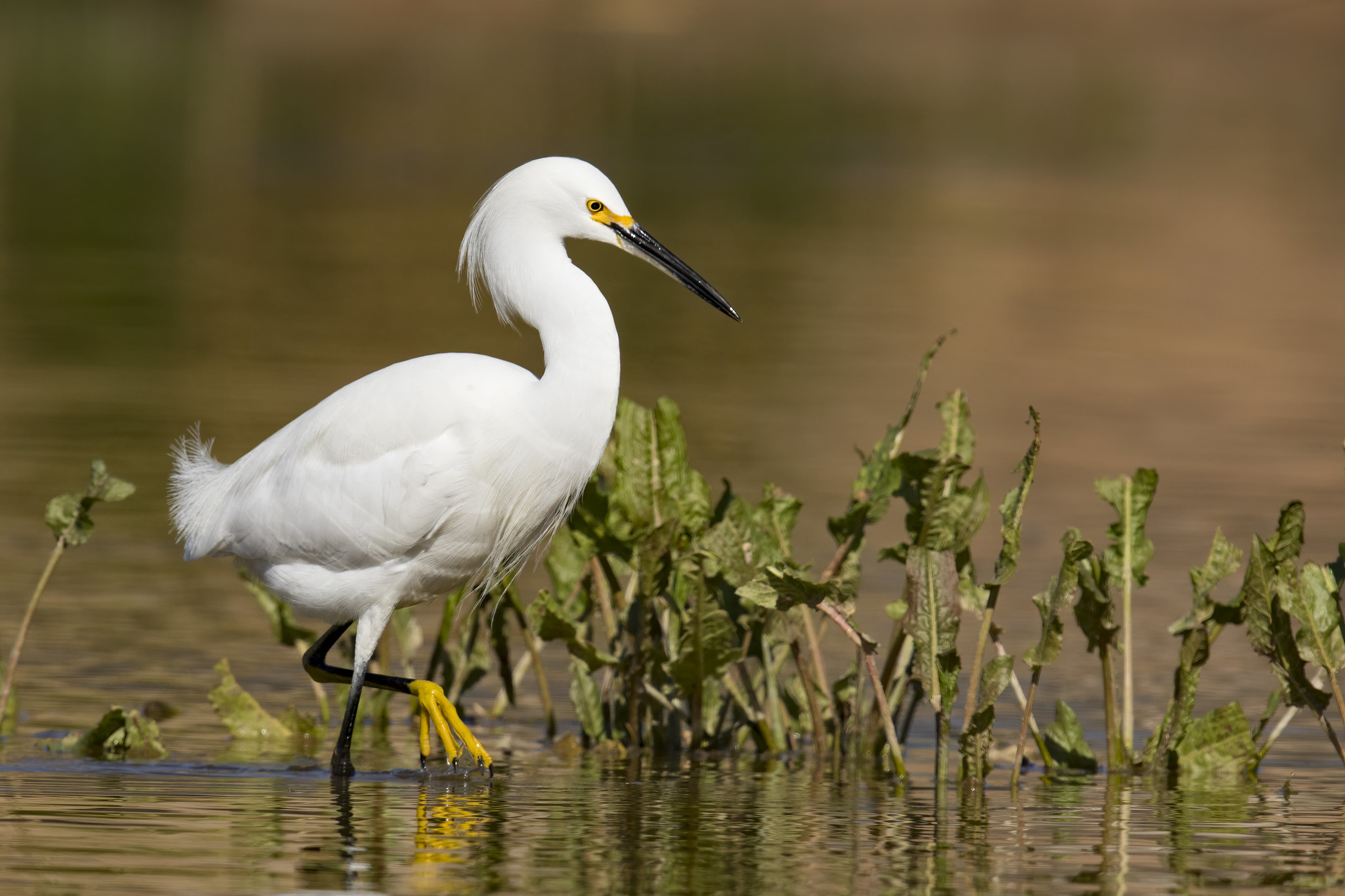
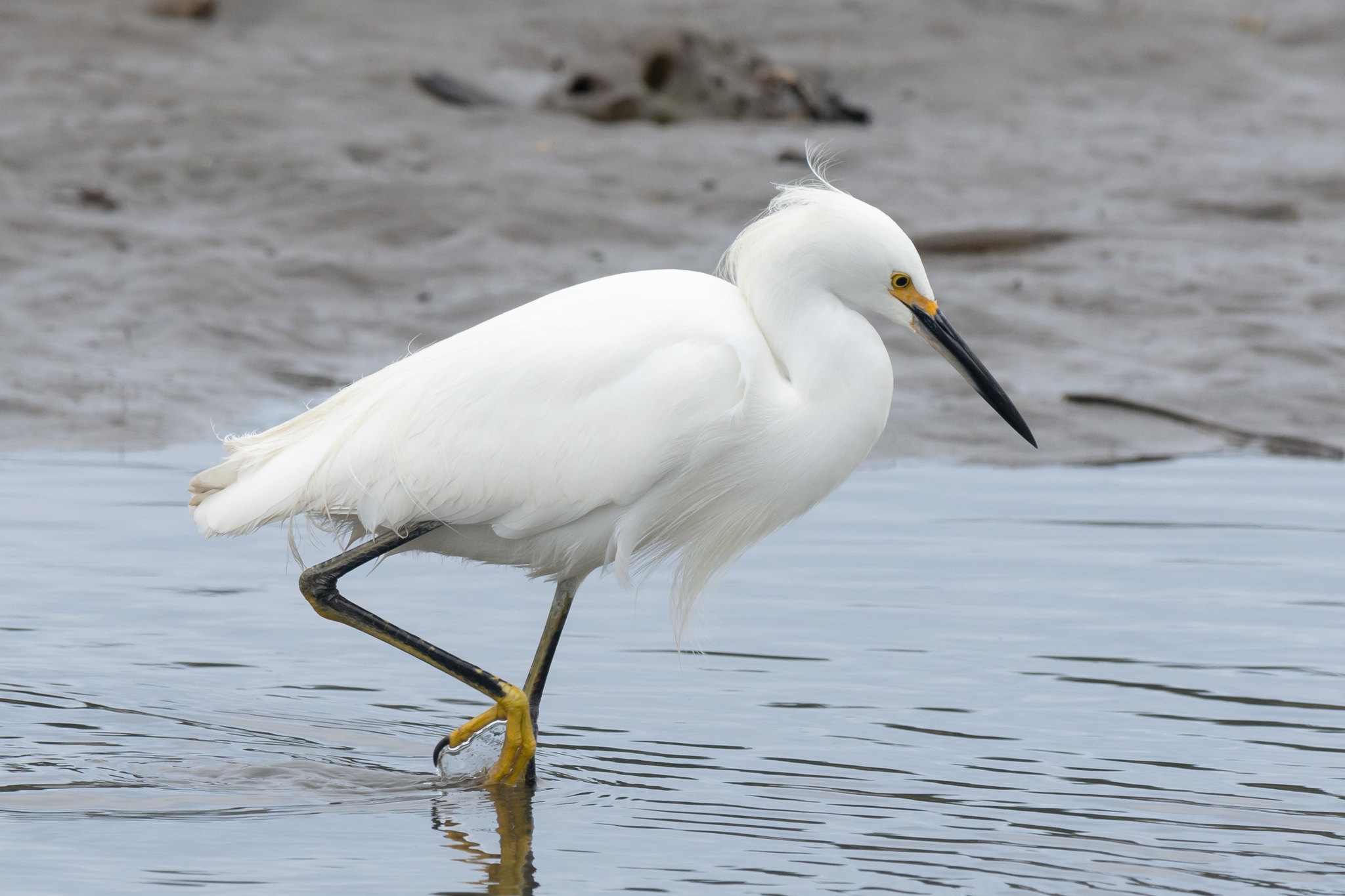
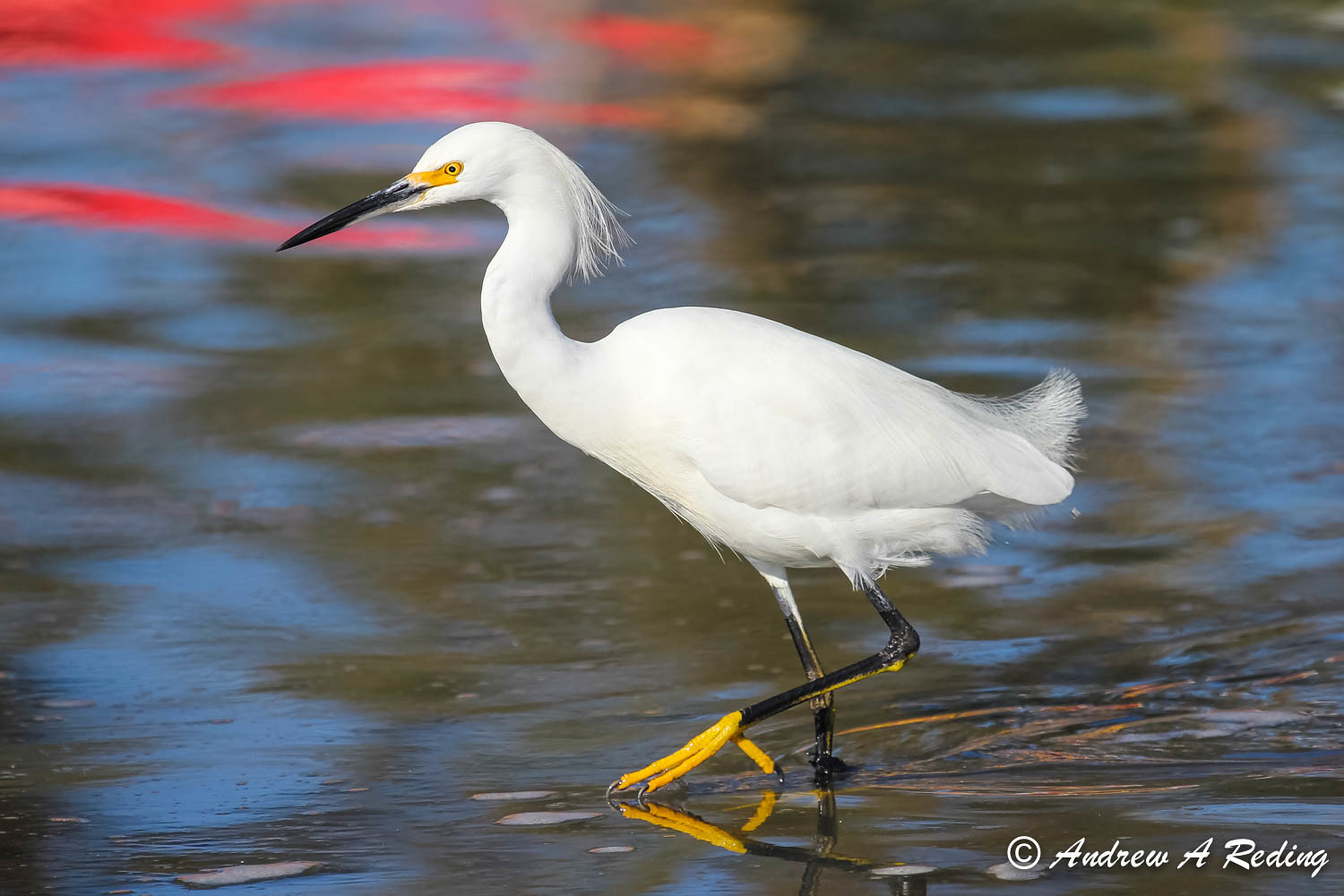
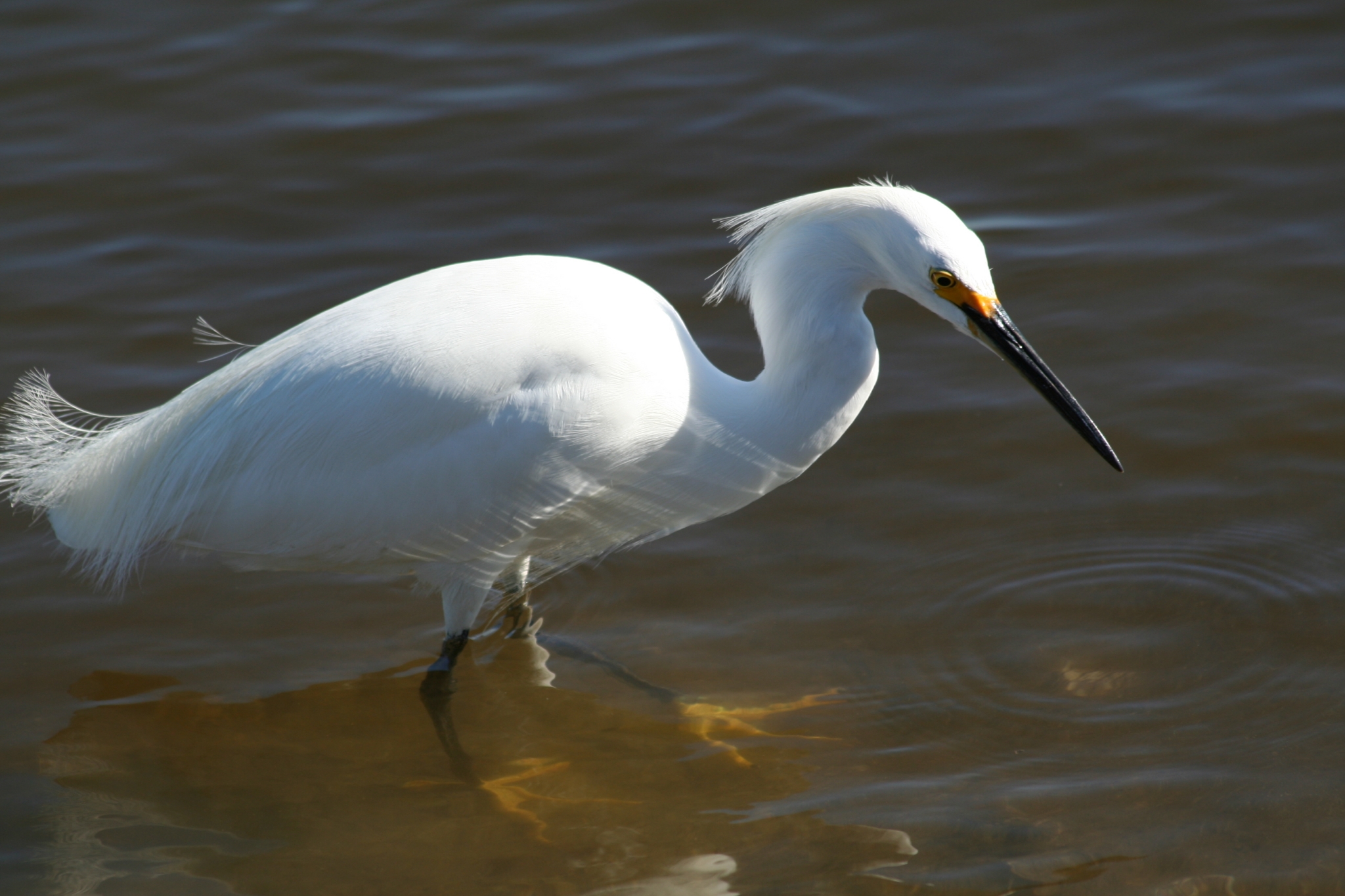
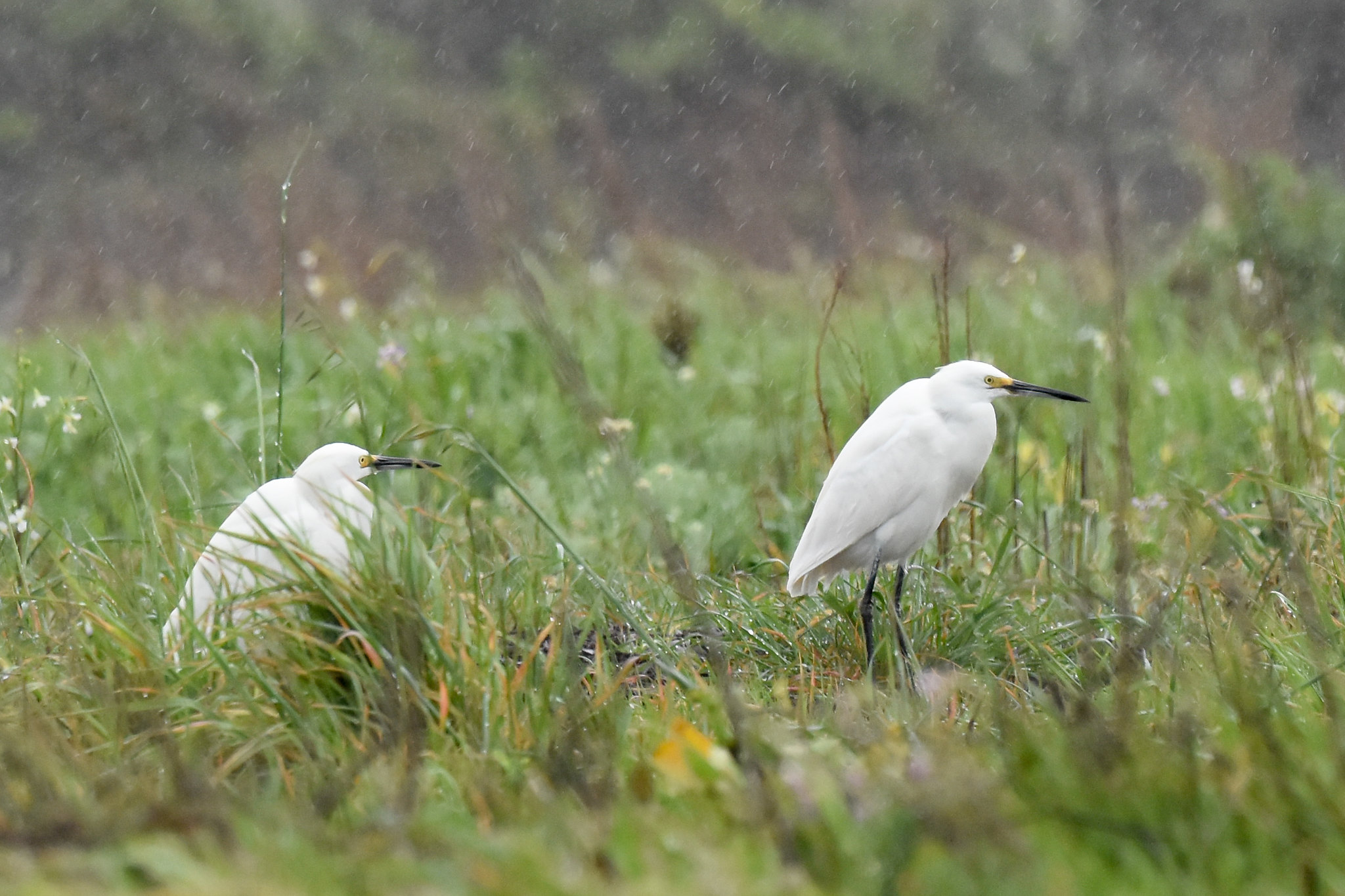
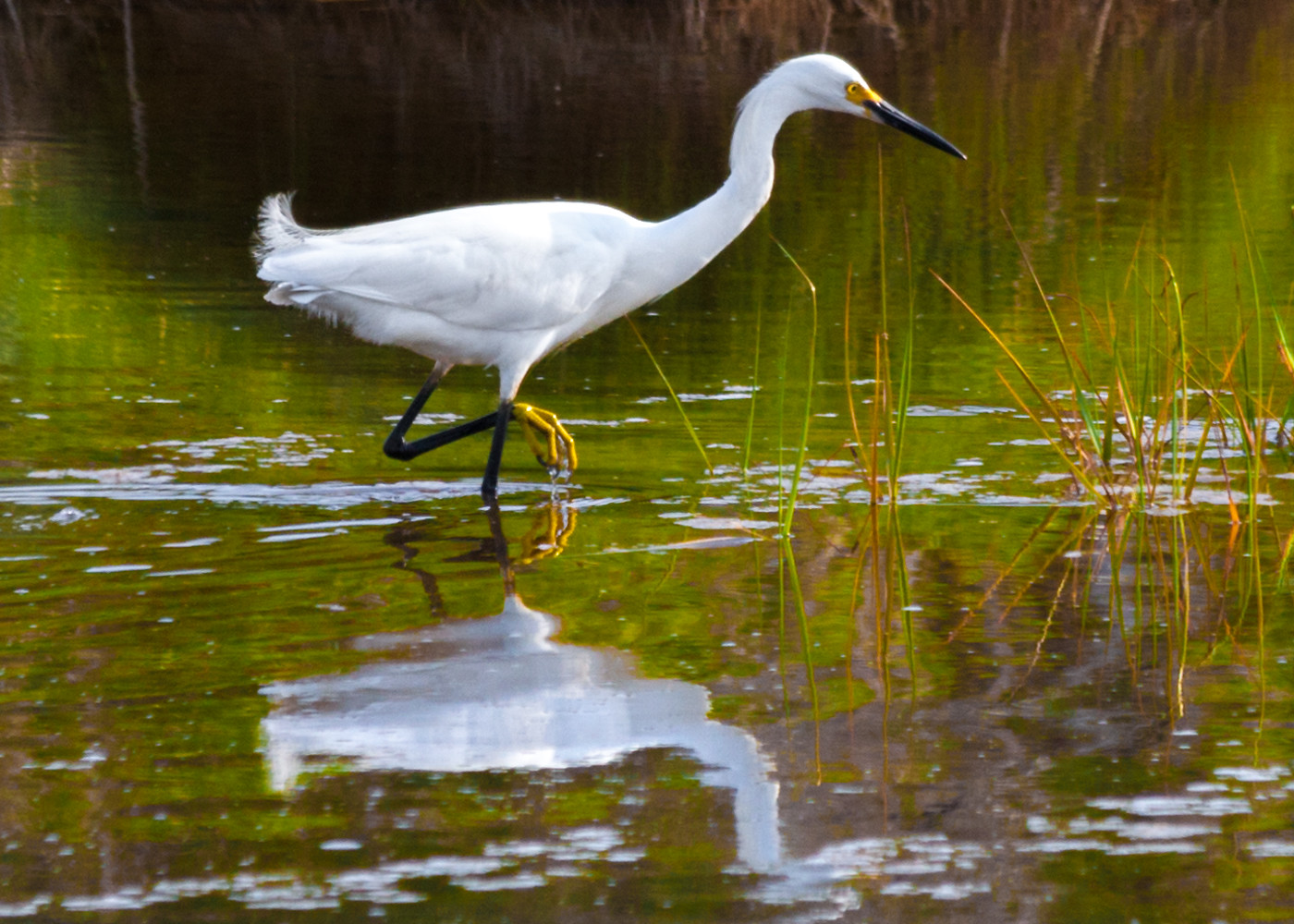
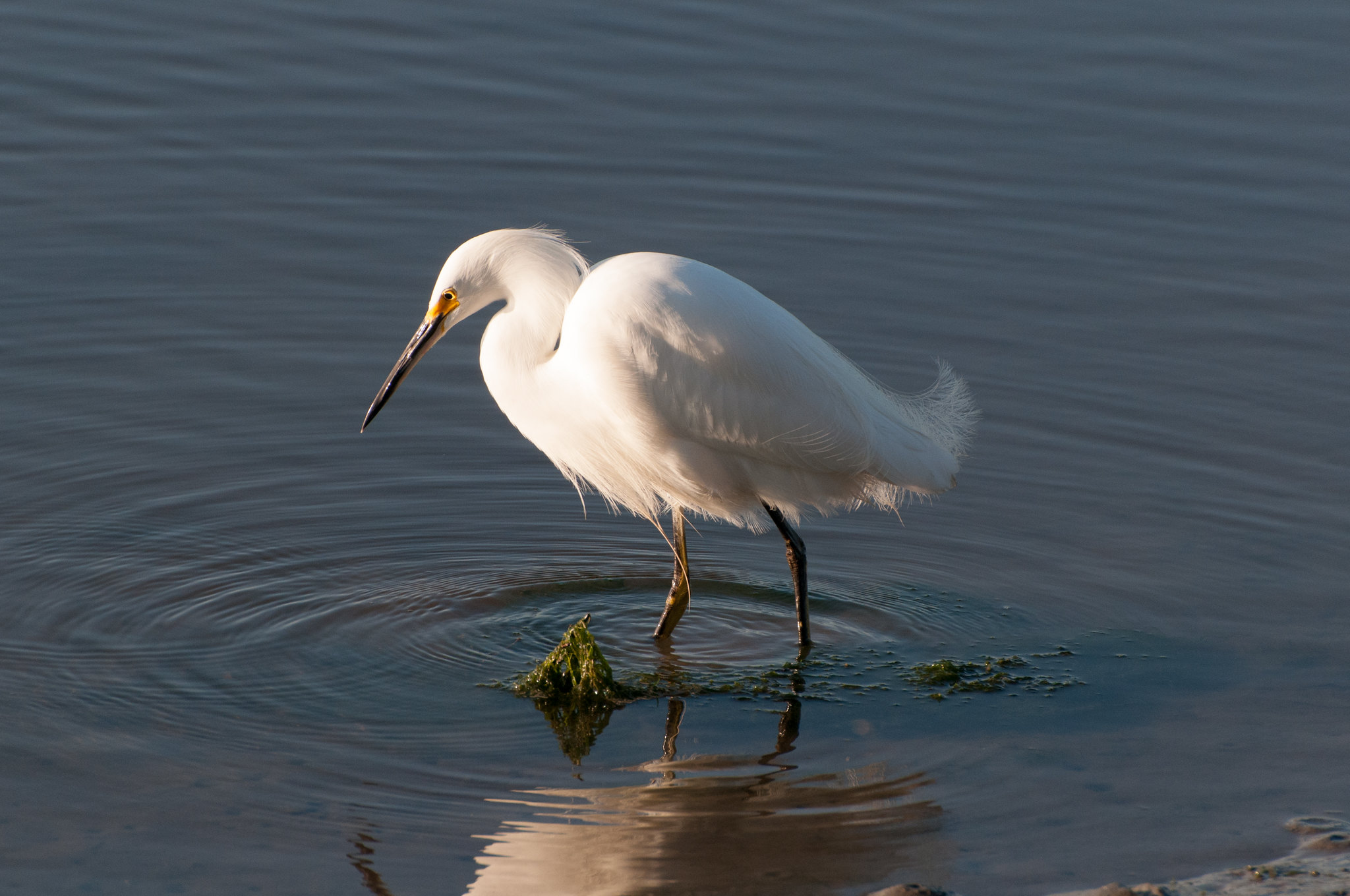
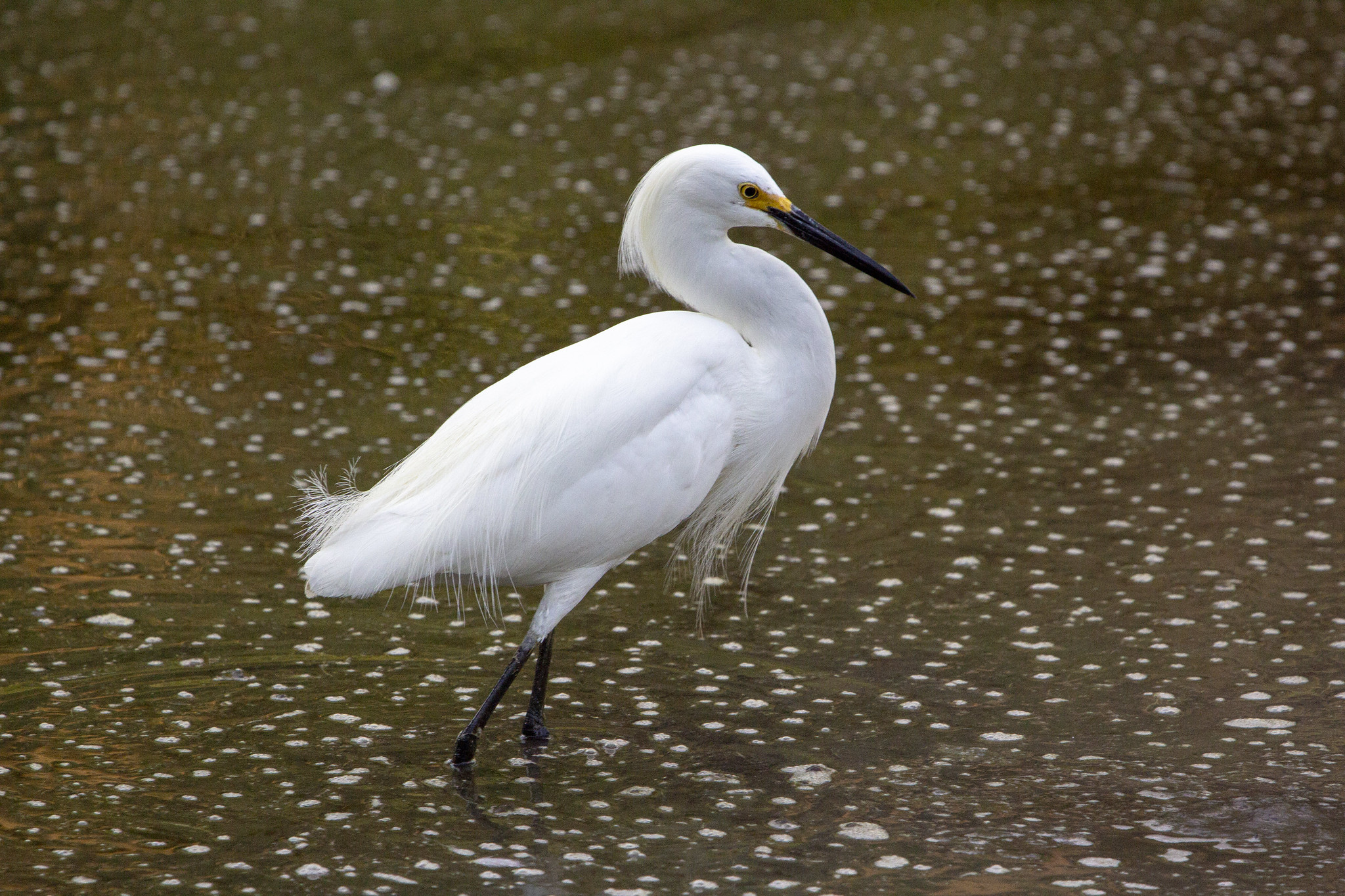
The Snowy Egret is a medium-sized white heron known for its striking appearance and active foraging behavior. It is easily recognized by its slender black bill, long black legs, and bright yellow feet, which it uses to stir up prey in shallow waters. This highly adaptable species can be found in a range of wetland environments, including both freshwater and saltwater ecosystems. Its graceful stature and elaborate breeding plumes have made it a favorite among birdwatchers and conservationists.

During the breeding season, Snowy Egrets develop long, delicate plumes on their back, chest, and head, which were once highly sought after for use in fashion. These plumes contributed to a significant population decline in the late 19th and early 20th centuries due to overhunting. Today, they are protected under various wildlife acts and have notably recovered across much of their range. They are known for their acrobatic courtship displays involving aerial dives and mutual bill clapping.

Snowy Egrets are diurnal and typically feed in the morning and late afternoon, often foraging alone or in loose flocks. They employ active hunting techniques, such as foot-stirring and canopy feeding, to capture fish, crustaceans, and insects. Nesting occurs in colonies, often with other wading birds, in shrubs or trees near water. These colonies protect predators and allow for cooperative vigilance.

Taxonomy

Kingdom
Phylum
Class
Family
Genus
Species
Type

Physical Description:

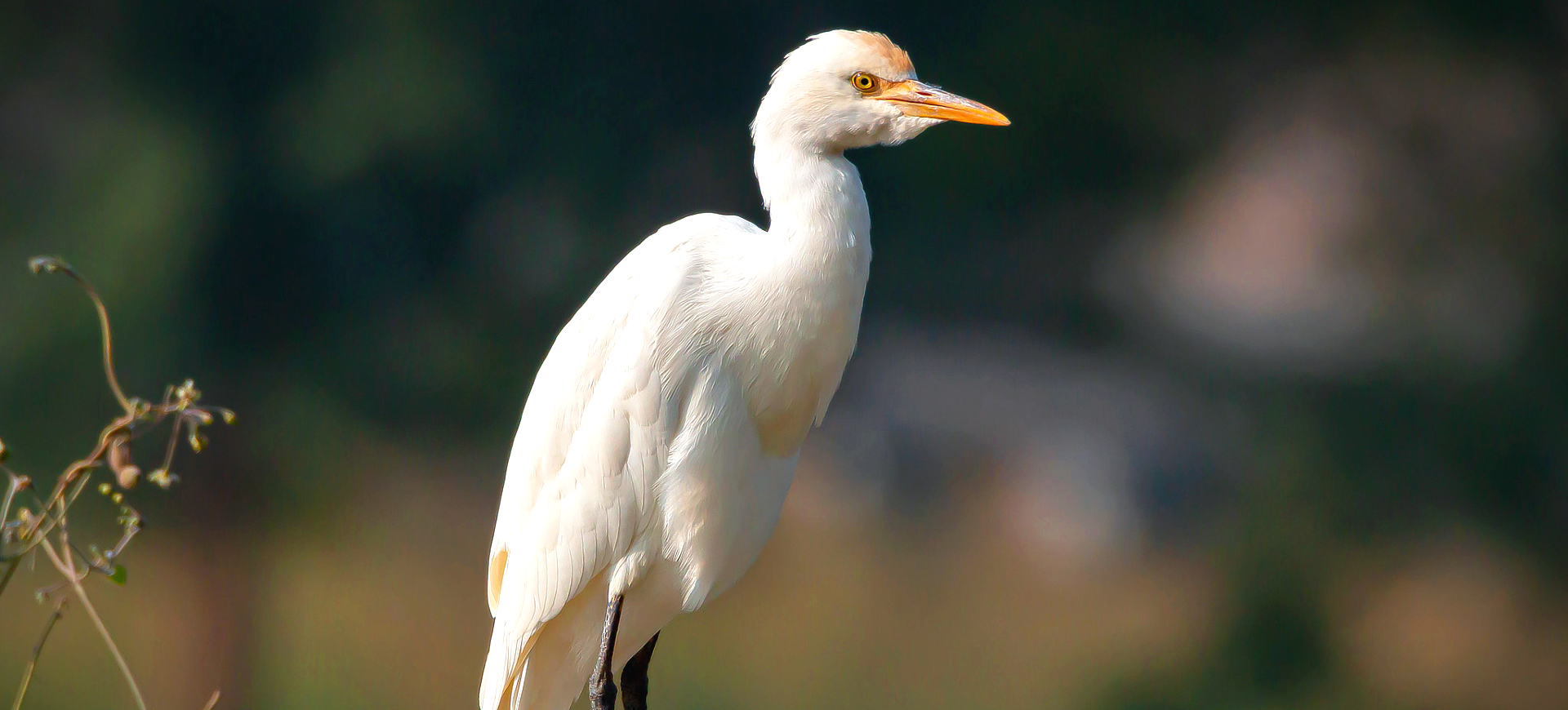
The Snowy Egret is distinguished by its entirely white plumage, long black legs, and vivid yellow feet, which stand out dramatically in its preferred wetland habitats. Its thin, elongated black bill is well-suited for spearing small aquatic prey, and its eyes are bright yellow, matching the lores during the non-breeding season. During the breeding season, the lores turn reddish, and ornamental plumes grow on its head, neck, and back, which are used in courtship rituals. Juveniles resemble adults but have duller legs and a more yellowish hue to their feet and bill base.

Adult Snowy Egrets display sexual monomorphism, with males and females looking nearly identical in size and coloration. They have a slim build, long neck, and a wingspan, allowing for slow, graceful flight, often with legs trailing straight behind. The feet are especially adapted for tactile foraging, aiding prey detection in murky water. Molt occurs once annually, usually after the breeding season, ensuring their feathers remain in optimal condition.

Lifespan: Wild: ~17 Years || Captivity: ~22 Years

Weight: Male & Female: 13.1-15.9 oz (370-450 g)

Length: Male & Female: 22.1-26.0 in (56-66 cm)

Wingspan: Male & Female: 39-41 in (99-104 cm)

Top Speed: 25 mph (40 km/h)
Native Habitat:

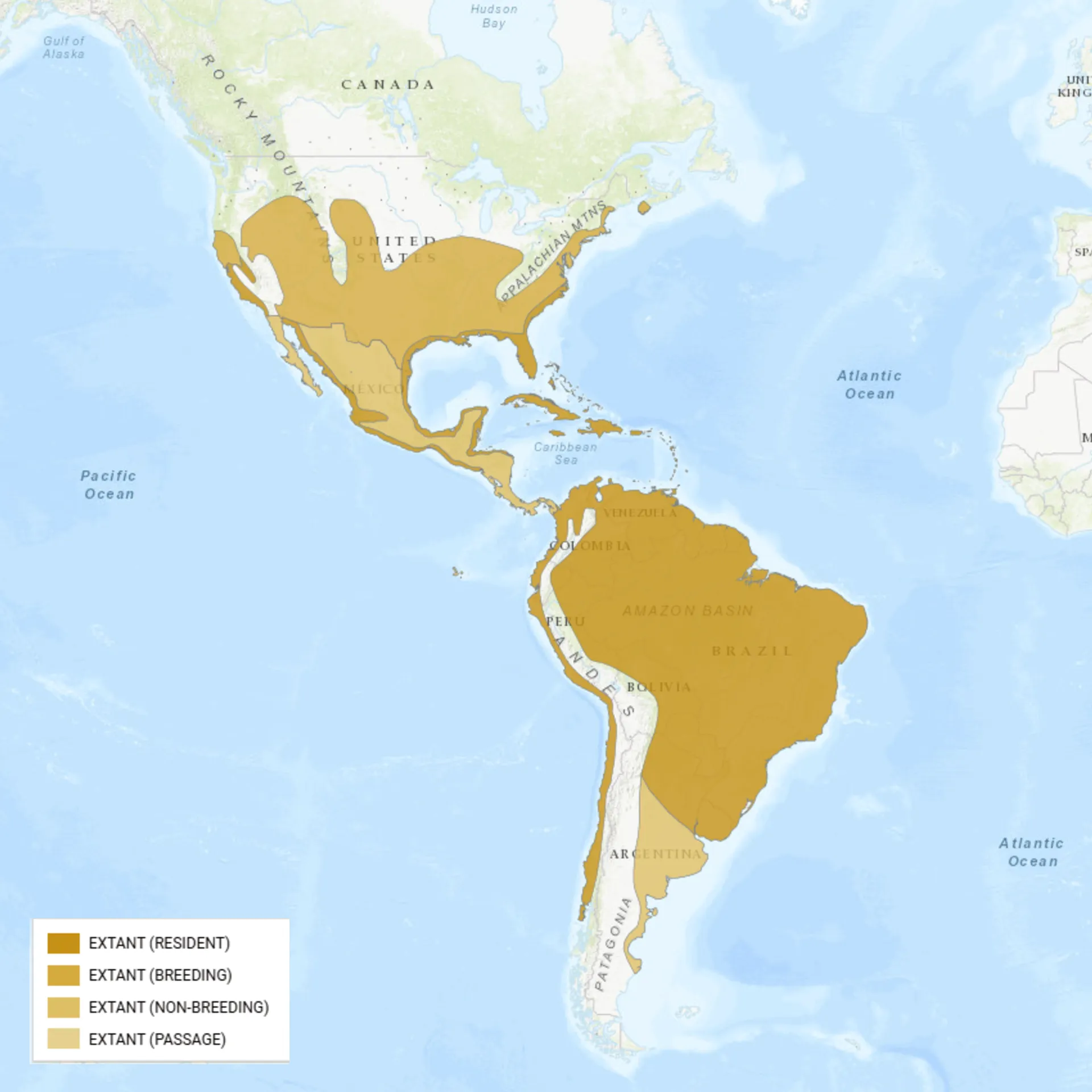
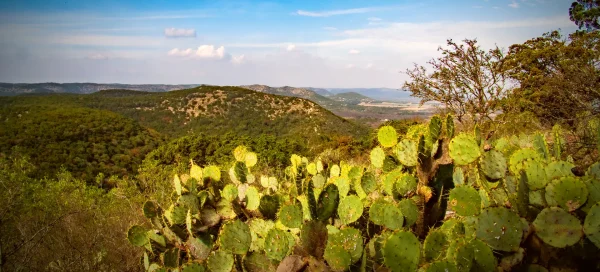
Snowy Egrets are found in various aquatic habitats, including freshwater marshes, tidal flats, mangroves, rivers, ponds, and estuaries. They prefer shallow waters where they can wade easily and forage efficiently using visual and tactile hunting methods. Nesting sites are typically located in trees or shrubs, often over water or on isolated islands that provide some protection from predators. These habitats also offer abundant prey and minimal human disturbance, essential for successful breeding.

They are highly adaptable and can also be found in man-made environments such as rice fields, irrigation canals, and fish farms, where food sources are plentiful. During migration, they utilize stopover sites rich in aquatic biodiversity to refuel. Snowy Egrets are present in inland and coastal ecosystems depending on the season and local conditions. They require access to clean, unpolluted water bodies for optimal survival and reproductive success.

Biogeographical Realms:
Diet:

Diet & Feeding Habits:

Snowy Egrets are opportunistic feeders that primarily consume small aquatic organisms such as fish, shrimp, crabs, frogs, and aquatic insects. They often use a technique called “foot-stirring” to shuffle their feet in shallow water to flush out prey. These birds may also use canopy feeding, wing-flicking, or quick stabbing motions to capture food items, making them one of the most active foragers among herons. Feeding usually occurs in wetlands, tidal flats, marshes, and estuaries.

Their diet may vary by season and availability, occasionally including terrestrial insects or small reptiles when water sources are limited. They are often observed feeding in mixed-species flocks with other waders, especially during migration or in rich feeding grounds. Snowy Egrets require a high protein intake during breeding to sustain nesting and chick-rearing energy. Both parents feed juveniles through regurgitation until they can forage independently.

Mating Behavior:

Mating Description:

Snowy Egrets are seasonally monogamous, forming pair bonds that typically last for a single breeding season. Courtship is elaborate and includes displays such as neck stretching, aerial circling, and feather fluffing to attract mates. Males establish and defend nesting territories within a colony and display from prominent perches to signal fitness. Once a female selects a male, the pair cooperates in nest construction, incubation, and chick rearing.

Nesting occurs in colonies often shared with other wading birds, providing safety in numbers and access to shared resources. The female usually lays 3 to 5 pale blue-green eggs, which both parents incubate for about three weeks. Chicks hatch altricial and are dependent on both parents for food and protection during the early stages. Fledging typically occurs around 20–25 days after hatching.

Reproduction Season:

Year-round
Birth Type:

Pregnancy Duration:

~24 Days (Incubation)

Female Name:

Hen

Male Name:

Cock

Baby Name:

Chick

Social Structure Description:

Snowy Egrets are generally solitary feeders but exhibit strong social tendencies during breeding and roosting. During the nesting season, they form large, dense colonies often shared with other species of herons and wading birds. These colonies provide enhanced protection against predators and facilitate social interactions necessary for reproduction. They may form loose flocks outside of breeding when foraging in rich feeding grounds.

Fledglings often remain near the nest for several weeks post-fledging, sometimes forming small crèches with other juveniles. Adults exhibit territoriality during courtship and nesting but are less aggressive outside the breeding season. Vocalizations, body postures, and bill movements are used for communication and conflict resolution. Their social nature makes them more visible and easier to study than other bird species.

Groups:

Skewer
Conservation Status:
Population Trend:
Wild: Unknown || Captivity: Unknown

Due to legal protections and conservation efforts, the snowy egret population has shown signs of recovery and growth, especially in North America. Formerly threatened by plume hunting, it is now widely distributed and commonly observed across much of its range. Breeding colonies are often located in protected areas, providing safe reproduction and chick development conditions. Population monitoring shows stable or increasing numbers in several key regions.

Central and South America, populations are generally stable but face localized threats from wetland drainage and pollution. Migratory individuals benefit from international treaties that protect critical habitats across borders. Regional conservation programs in Latin America have contributed to habitat protection and awareness. Despite its recovery, continued habitat monitoring is necessary to maintain population health in the long term.

Population Threats:

Historical threats included massive overhunting for ornamental plumes in the late 1800s and early 1900s, drastically reducing populations. Today, the main threats are habitat destruction, especially the drainage and development of wetlands for agriculture and urban expansion. Pollution, particularly from pesticides and heavy metals, affects aquatic prey availability and breeding success. Human disturbance at nesting colonies can also lead to nest abandonment and chick mortality.

Climate change poses an emerging threat, potentially altering the distribution and abundance of wetlands through sea level rise and changes in precipitation. The increased frequency of extreme weather events, such as hurricanes and floods, can destroy nests and disrupt breeding cycles. Water diversion projects and dam construction reduce wetland extent and connectivity in some areas. Invasive species like non-native fish and vegetation may alter aquatic ecosystems and reduce food availability.

Conservation Efforts:

Snowy Egrets are protected under the U.S. Migratory Bird Treaty Act and are listed in Appendix II of CITES, which restricts international trade. Wetland preservation initiatives and establishing wildlife refuges have been crucial in conserving nesting and feeding habitats. Public awareness campaigns and birdwatching interest have contributed to continued support for egret conservation. Management plans are often coordinated across state and national levels to maintain healthy breeding populations.

NGOs and government agencies in Latin America have initiated projects focused on preserving critical wetland habitats and monitoring egret populations. Conservation efforts include controlling pollution sources and sustainable development practices around key habitats. Habitat restoration and water management practices have proven effective in enhancing wetland ecosystems used by Snowy Egrets. Continued collaboration among international conservation organizations ensures the protection of migratory pathways and breeding sites.

Additional Resources:

Fun Facts

  • Snowy Egrets use their bright yellow feet to attract fish by stirring the water.
  • Their plumes were once more valuable than gold during the height of the feather trade.
  • They are highly skilled hunters using over a dozen different foraging techniques.
  • The name “egret” comes from the French word “aigrette,” referring to ornamental plumes.
  • Juvenile Snowy Egrets have duller coloring and take about a year to reach adult plumage.
  • They often feed with other wading birds, like ibises and herons.
  • During breeding season, their skin around the eyes changes from yellow to bright red.
  • They have specialized neck vertebrae that help them strike quickly at prey.
  • Snowy Egrets often ride thermals with other birds to conserve energy during migration.
  • They were among the first species protected by early bird conservation laws in the U.S.