
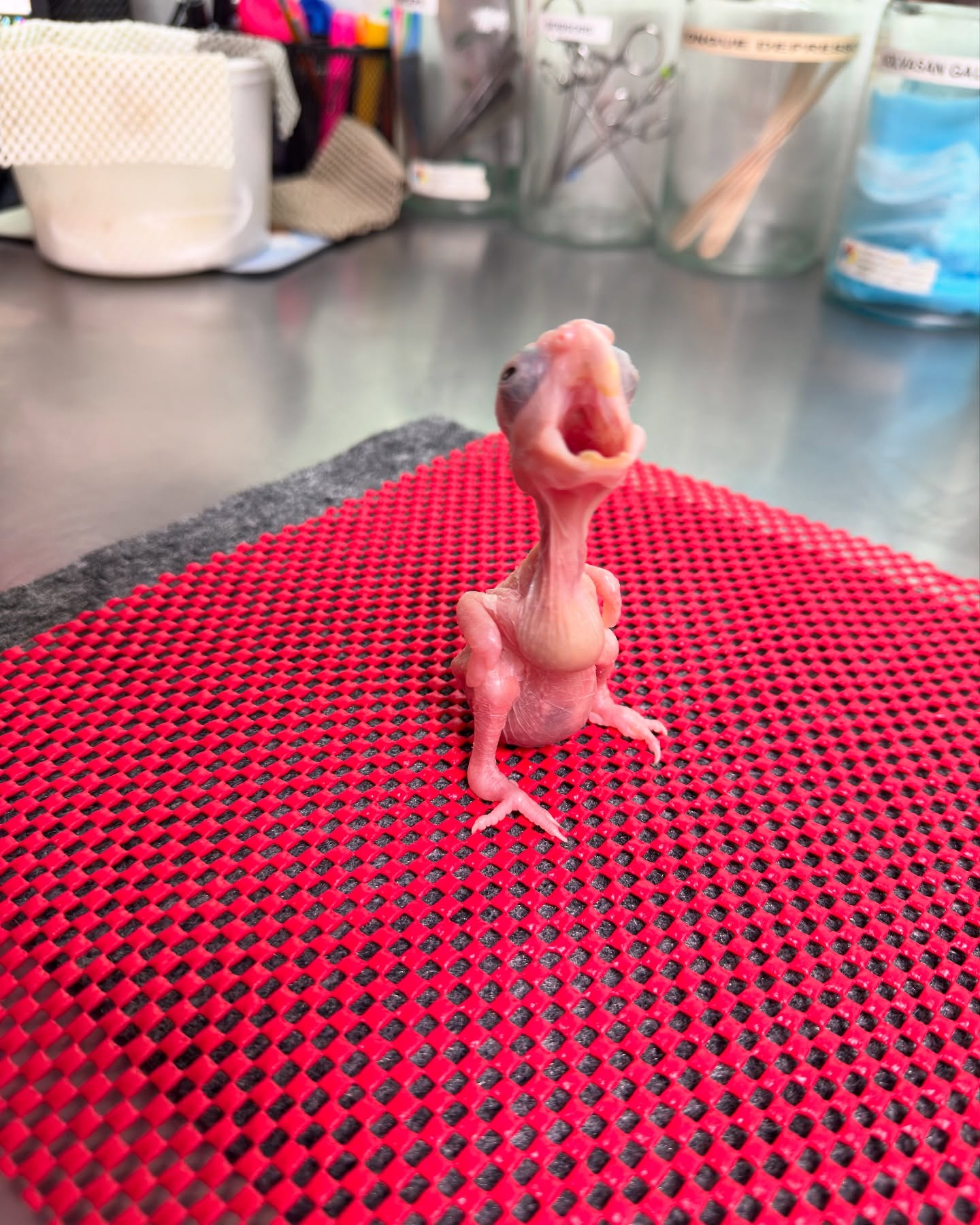
- Importance of zoological education in conservation efforts
- The role of zoos in wildlife management
- Challenges facing wildlife conservation today
- Strategies for effective zoo management
- Community involvement in conservation initiatives
Zoological education plays a pivotal role in promoting wildlife conservation. Understanding animal behavior, ecology, and ecosystems equips individuals with the knowledge to engage in meaningful conservation efforts. Educational programs, whether for children or adults, offer insights into biodiversity and the interconnectedness of species. By fostering a sense of empathy towards animals, these programs encourage stewardship of the environment. Effective educational initiatives not only increase awareness but also cultivate a passion for wildlife preservation.
Zoos serve as critical players in wildlife management. They are not merely exhibitions of animals but centers for research, breeding, and rehabilitation. Many species housed in zoos are endangered or threatened in the wild. Through captive breeding programs, zoos can help bolster populations of these species, contributing to genetic diversity and sustainability. Successful reintroduction programs can provide individuals with the skills and knowledge needed to thrive in their natural habitats. For instance, the California condor and the Arabian oryx have benefited from such initiatives.
However, wildlife conservation faces significant challenges. Habitat loss, climate change, poaching, and invasive species threaten biodiversity globally. Urbanization continues to encroach upon wildlife habitats, leading to population decline and species extinction. Climate change exacerbates these issues, affecting migration patterns and breeding cycles. Active policy measures are essential for mitigating these impacts. International cooperation is vital in fighting illegal wildlife trafficking and implementing conservation practices.
Effective zoo management involves combining animal welfare with conservation education and research. Modern zoo practices prioritize the physical and psychological well-being of animals. Enrichment activities, proper diet, and veterinary care contribute to a healthy environment. Equally important is the focus on conservation messaging. Zoos create engaging programs that convey the importance of protection for animal species and their habitats. Collaborations with universities and research institutions enhance the scientific understanding of animal behavior and conservation strategies.
Community involvement amplifies conservation efforts significantly. Engaging local communities ensures that conservation initiatives are culturally relevant and sustainable. Education programs that target schools raise awareness at a young age. Volunteer programs not only enlist citizen help but also foster connections between people and wildlife. Communities that feel invested in conservation are more likely to support and participate in future initiatives. This grassroots involvement is crucial in educating the next generation about environmental stewardship.
Zoological education can transform attitudes toward wildlife. Engaging with animals fosters empathy, understanding, and a desire to protect. Educational programs can range from guided tours to immersive experiences. Interactive sessions teach visitors about animal behavior, ecological roles, and the threats facing wildlife. Such exposure can invoke a sense of responsibility among attendees to promote conservation actions in their daily lives.
Zoos contribute to the preservation of endangered species through several initiatives. Captive breeding programs are foundational to modern wildlife management strategies. These initiatives strive to maintain genetic diversity among populations. Taxon-specific breeding programs perform genetic analyses to maximize breeding success. Moreover, head-starting programs, where young animals are reared in captive environments, prepare them for eventual release into the wild. Such efforts highlight the dual roles of zoos as preservers of species and educators of the public.
Challenges such as funding and resources often hinder conservation efforts. Many zoos operate on limited budgets and rely heavily on donations. Innovative fundraising strategies are essential for maintaining high standards in animal care and education initiatives. Grants from government and private organizations can facilitate projects that would otherwise be financially unattainable. Strategic partnerships with conservation groups can also provide additional supports.
Climate change continues to pose a formidable challenge to wildlife conservation. Temperature shifts, altered precipitation patterns, and extreme weather events significantly impact ecosystems. Species that require specific habitats are particularly vulnerable. Many animals face shifting food sources or loss of shelter due to climate phenomena. Conservation efforts focused on habitat preservation are essential to mitigating these impacts. Understanding ecology allows wildlife managers to create adaptive strategies that address the nuances of climate change.
Invasive species threaten native wildlife significantly. They can outcompete indigenous species for resources, disrupting local ecosystems. In zoos, educational campaigns about these threats can empower audiences to take action. Community members can volunteer in local eradication efforts or advocate for protections against invasive species. By equipping people with knowledge of local ecosystems, collective action can form effective barriers against these threats.
Modern zoo management requires a multi-faceted approach. Ensuring animal welfare is only one component of successful operations. Effective zoos develop comprehensive conservation strategies that include research, breeding, and habitat restoration. Collaboration with scientific institutions fosters innovation and best practices. Utilizing data analysis allows managers to adjust strategies as needed, facilitating continuous improvement in operations.
Engagement strategies are essential in involving the public in conservation. Community programs, workshops, and events can gather interest and support. Zoos can host lectures that raise awareness about local and global conservation issues. These engagements reduce the perceived distance between wildlife and people, fostering a sense of connection. When people perceive themselves as part of the ecosystem, they are more inclined to advocate for wildlife conservation.
Emerging technologies are transforming wildlife conservation efforts. Remote sensing, camera traps, and drones have enhanced data collection capabilities. These tools provide critical insights into animal behavior, migration patterns, and habitat use. Furthermore, biotechnology has advanced animal reproduction efforts, offering new solutions for breeding endangered species. Accessible analytics enable wildlife managers to make informed decisions regarding habitat protection and restoration.
Zoos also play a key role in public health. The human-animal connection can promote psychological well-being. Interaction with animals has shown to reduce stress and improve mental health outcomes. These benefits extend to children, who can learn empathy through interactions with animals. The recognition of a shared ecosystem fosters a holistic view of conservation, bridging gaps between species and their caretakers.
Prioritizing environmental sustainability is vital in zoo management. Focusing on reducing carbon footprints and employing renewable energy sources enhances operational effectiveness. Sustainable practices extend beyond zoo grounds to include community involvement in local conservation projects. Such initiatives can address broader environmental issues while raising public consciousness. By showcasing responsible practices, zoos can inspire collective action among their visitors.
In summary, the role of zoos in wildlife conservation is more critical than ever. Through educational initiatives, effective management practices, and community involvement, zoos can significantly contribute to the preservation of biodiversity. Strategies must include scientific research, habitat restoration, and engaging the public in conservation efforts. As challenges arise, adaptability and collaboration will be crucial in addressing them. Uniting individuals and communities under a shared goal of safeguarding wildlife will create a sustainable future for all species.
*****
Source Description
literally me
