
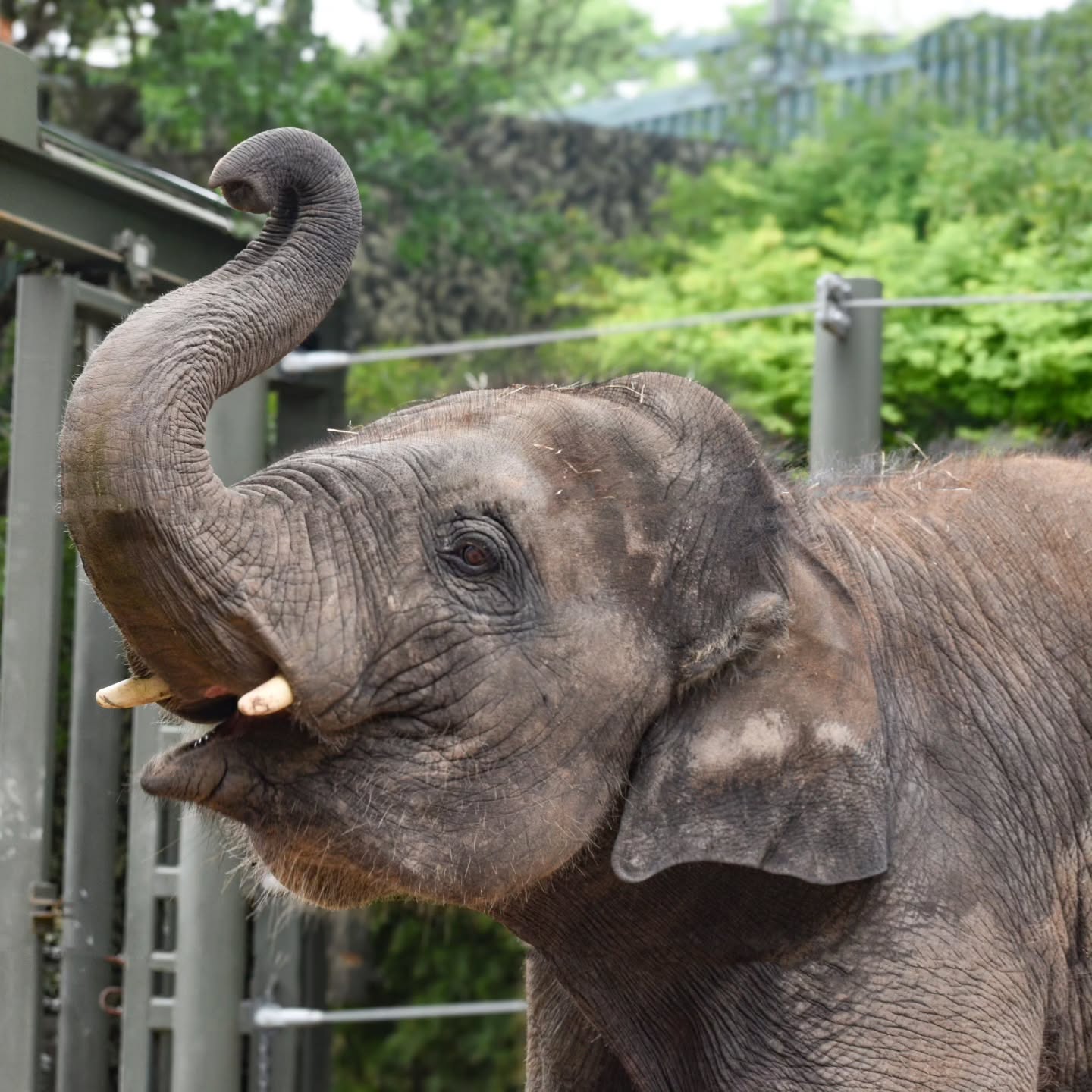
- Overview of Little Travis and its species characteristics
- Significance of Little Travis in conservation and education
- Insights into zoo management practices at the Fort Worth Zoo
- Role of families and communities in wildlife conservation
- Future prospects for Little Travis and similar species
Little Travis is a member of a captivating species, brought to life within the confines of the Fort Worth Zoo. As a creature residing in a well-structured environment, Little Travis represents both the beauty and the challenges facing wildlife today. Many might wonder about its biological traits and natural behaviors, as well as the habitats it thrives in. Species like Little Travis require specific living conditions, dietary considerations, and social dynamics that mirror their natural habitats. In zoos, these factors must be replicated to maintain the health and well-being of animals.
The biological characteristics of Little Travis showcase its place in the ecosystem. Every species has its ecological niche, and understanding these roles is critical. Little Travis thrives on a specialized diet that reflects its nutritional needs, sourced from a rich array of vegetation and, in some cases, protein. This diet not only sustains it but helps maintain its health and vitality. In natural settings, its food sources are abundant; however, in the context of a zoo, nutrition must be monitored closely to prevent health issues. Fort Worth Zoo staff pay careful attention to every aspect of this animal’s needs, creating an environment where Little Travis can flourish.
The impact that Little Travis has on conservation extends beyond its immediate habitat. The educational programs associated with the Fort Worth Zoo highlight the importance of species preservation. By shining a light on lesser-known animals, zoos foster a greater understanding of biodiversity and the challenges faced by different species. Little Travis serves as an ambassador for its kind, encouraging visitors to engage with wildlife conservation efforts. Educating the public about habitat loss, climate change, and poaching is vital to preserving the future of species similar to Little Travis.
Zoo management involved in maintaining the well-being of Little Travis focuses on creating an enrichment program that stimulates its natural behaviors. Environmental enrichment is a practice wherein care staff introduce elements that mimic natural experiences. These can include physical exercise, food puzzles, and social interaction with other animals. Staff must create a balanced and stimulating environment. Little Travis benefits from such efforts through enhanced physical and mental well-being. Regular health checks ensure that any potential issues are identified early, allowing for prompt intervention.
Families and local communities play an essential role in wildlife conservation. Programs featuring Little Travis and related species provide an opportunity for engagement. Such programs often encourage families to contribute to conservation efforts, from participating in eco-friendly initiatives to advocating for habitat preservation. Community involvement is crucial; local residents can influence policies that benefit wildlife. Fort Worth Zoo’s outreach emphasizes making families part of the conservation narrative. Providing hands-on experiences can inspire the next generation to appreciate and safeguard wildlife.
Looking toward the future of Little Travis, it becomes vital to assess both the immediate environment it inhabits and broader societal trends. Advances in zoo management techniques and emerging conservation strategies offer hope. Collaboration among zoos, conservation organizations, and governmental bodies forms a united front against wildlife challenges. New technologies in habitat simulation and veterinary care support animal health needs effectively. As research continues, the potential for animals like Little Travis to thrive increases, which is an encouraging prospect for both the species and its supporters.
Understanding the importance of animals like Little Travis underscores a more extensive discussion on wildlife conservation. The integration of education and conservation efforts can lead toward significant changes in public perception. When people understand both the needs of animals and the threats they face, they become more likely to support conservation initiatives. This aligns with the mission of the Fort Worth Zoo, ensuring that education coexists with animal care. Visitors leave not only with knowledge but also a commitment to protecting the environment.
Research and population studies focusing on Little Travis specifically contribute to essential data. Such studies inform breeding programs and genetic diversity, critical for any species facing potential extinction. Collaborative database platforms allow zoos across the country and beyond to exchange information, fostering better care for animals. This interconnected approach highlights the importance of genetic health, which maintains robust populations capable of recovering in natural habitats, should they need to be reintroduced.
Little Travis represents the myriad contributions and challenges faced by wildlife today. Its existence serves as a reminder that education is paramount in conservation. Programs that leverage dynamic learning experiences offer visitors a chance to connect emotionally with wildlife. Through Little Travis, people gain insight into the larger environmental narrative, one that includes various interconnected ecosystems and species survival.
Protection efforts for species like Little Travis extend beyond education; they necessitate political activism and community participation. Awareness campaigns, often organized by zoos and conservation groups, inform the public about crucial legislation affecting wildlife conservation. If community members rally together, they can drive impactful change. Legislative efforts that protect natural habitats can alter the trajectory of species at risk of extinction.
In understanding the social structures that surround species similar to Little Travis, one can perceive patterns in behavior and ecology that might translate locally. Observing how these animals engage socially offers cues about their needs for exercise, companionship, and mental stimulation. Such social dynamics must be addressed in a zoo setting, creating a harmonious atmosphere for both the animals and the caretakers.
The adaptability of animals like Little Travis is often a testament to evolutionary changes over time. Studying these adaptability mechanisms can guide conservationists in implementing necessary care protocols, feeding practices, and living environments. Understanding the adaptability of wildlife might also indicate how species will cope with environmental changes, including climate variations and human encroachment on natural habitats.
Zoo programs, in which animals like Little Travis occupy a central role, emphasize the connection between animal pacification and tranquility in public spaces. Supporting zoo efforts through visitor attendance and advocacy leads to a cycle of awareness, funding, and growth. These essential interactions help propel the mission forward and enrich the experience for visitors, highlighting the importance of appreciation for global fauna.
Fostering respect for the intricate lives of animals like Little Travis encourages ongoing interest in wildlife protection. As knowledge disseminates through educational programs, zoo visitors gain a more profound sense of responsibility for all creatures. The more informed people are, the more likely they are to contribute positively to conservation efforts, whether through volunteering, donations, or spreading awareness.
The journey of Little Travis serves as a launchpad for conversations around wildlife and environmental ethics. By integrating clear information about the challenges faced by species and the benefits of supporting them, the Fort Worth Zoo is shaping a community that prioritizes wildlife conservation. Every visit holds the potential to inspire actions that positively impact the environment, ensuring that future generations can connect with animals alike.
Understanding the broader implications of wildlife conservation requires a concerted effort that combines scientific research, community engagement, and effective zoo management. Each of these elements contributes to a holistic approach, ensuring species like Little Travis can adapt better and thrive despite contemporary challenges. The legacy of such efforts can lead to a more sustainable coexistence, where wildlife and humans thrive together in a shared commitment to protecting our planet’s biodiversity.
*****
Source Description
Little Travis 📷 @ the @fortworthzoo
