
-
Introduction to Elephant Herd Behavior and Social Structure
-
Conservation Strategies for Elephant Population Sustainability
-
The Role of Zoos in Elephant Welfare and Education
-
Challenges and Innovations in Elephant Habitat Management
-
Community Involvement and Education in Wildlife Conservation
Elephants are fascinating creatures, deeply ingrained in both the cultural and ecological tapestry of their habitats. Understanding their behavior and social structure is essential for anyone interested in animal sciences. Elephants live in complex social systems led typically by a matriarch, the oldest and often largest female in the group. This intricate hierarchy plays a significant role in their survival, impacting decision-making and resource allocation.
Elephants communicate through a wide range of sounds, body signals, and even through seismic vibrations. Their social bonds are strong and they exhibit behaviors such as empathy, mourning, and cooperative babysitting. These behaviors are critical for maintaining group stability, ensuring the transmission of knowledge essential for survival.
Conservation efforts are vital due to threats like habitat destruction and poaching. Organizations have implemented various strategies focusing on habitat preservation, anti-poaching initiatives, and community education. Protected areas and wildlife corridors help maintain genetic diversity and provide safe passage for migratory herds. Technological innovations like GPS tracking collars contribute to monitoring and managing elephant populations.
Zoos play a crucial role in conservational education by raising awareness about the threats elephants face and the importance of biodiversity. They provide a controlled environment to study elephant behavior, their dietary needs, and reproductive health. Ethical zoo management involves creating enriching environments that meet physical and mental needs, fostering positive welfare outcomes.
Maintaining suitable habitats for elephants in captivity requires attention to space, diet, and social needs. Innovations in habitat design, like simulated natural environments and enrichment activities, ensure higher welfare standards. Balancing public education and animal welfare remains a core focus for zoologists and zoo managers.
Public engagement is crucial in conservation. Educating communities around wildlife habitats about sustainable practices helps diminish human-elephant conflicts. Inclusive conservation programs empower local populations by involving them in tourism and conservation activities, promoting coexistence and economic incentives.
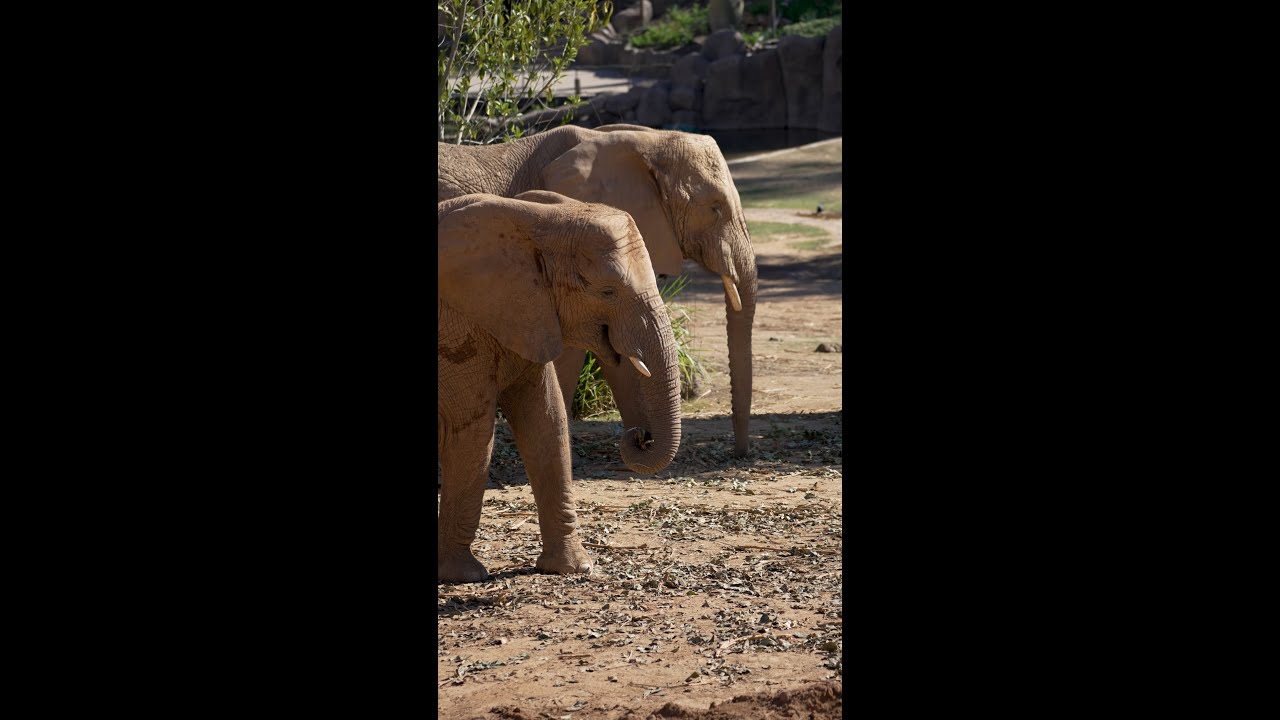
Meet The Elephant Herd! videos serve as a powerful medium to bring awareness to the intricacies of elephant conservation, offering a closer look at these gentle giants. Through these visual narratives, audiences gain insight into the life of elephants and the ongoing efforts to protect them. This initiative highlights the importance of education and active participation in wildlife conservation to foster global stewardship.
By utilizing scientific insights and community collaboration, conservationists aim to protect these majestic animals for future generations. Understanding and respecting the vital role elephants play in ecosystems is key to advancing meaningful conservation efforts. Through collective action, a sustainable future for elephants and their habitats can be realized, fostering biodiversity and ecological harmony.
*****
Source Description
Get to know The Pachy Bunch ❤️
🐘 Swazi, the herd’s matriarch, leads with quiet confidence and kindness, using her calming presence to nurture harmony within the group.
🐘 Qinisa, Swazi’s daughter, is a true pachy-princess and has learned by following her mother’s example, naturally forming friendships throughout the herd.
🐘 Kami, closely bonded with Swazi, has helped raise Nisa since birth. She’s an especially good swimmer and loves to play with the younger calves.
#elephantvalley #meettheherd #partone #sdzsafaripark
