
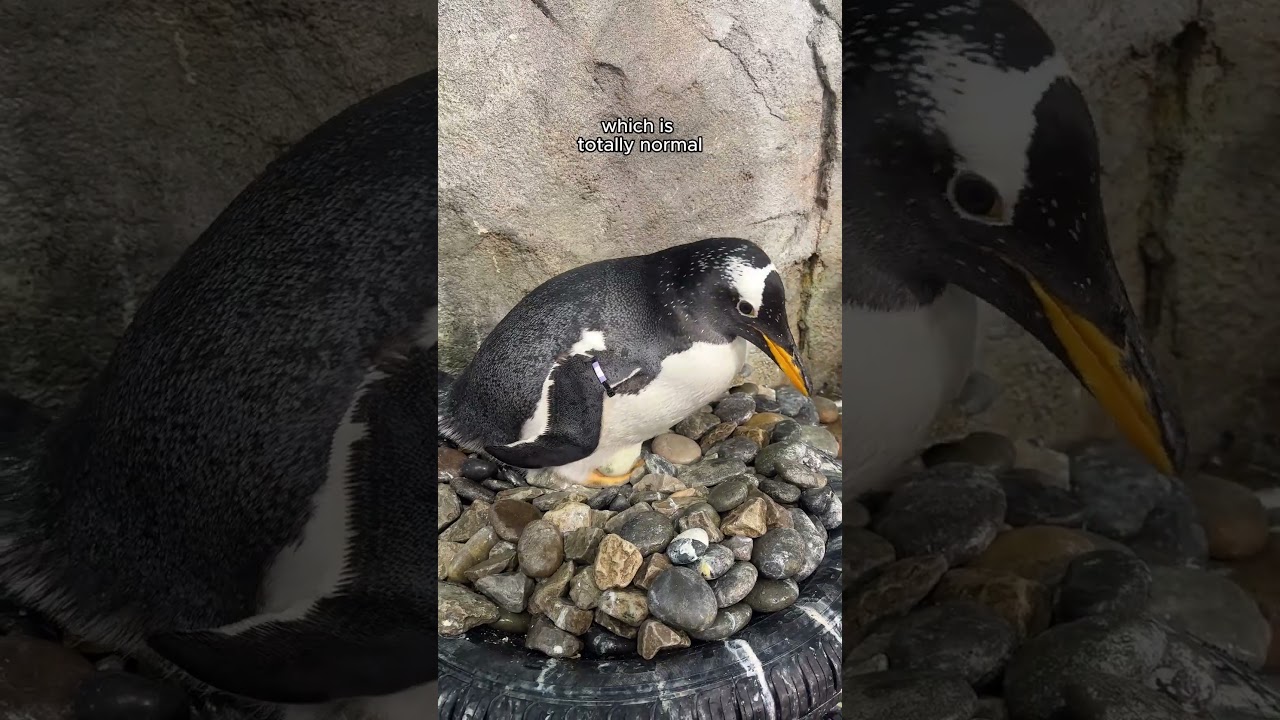
- The intricate lives of penguins and their breeding habits
- Challenges faced in penguin conservation amidst climate change
- The role of zoos in penguin preservation and public education
- Collaborative efforts in wildlife conservation and research
Penguins captivate us with their charming waddles and fascinating social behaviors. Love on the Rocks: Part 5 🐧 explores the intricate lives of these charismatic birds, focusing on their breeding habits, conservation challenges, and the critical role zoos play in their survival. This exploration is vital, given the ever-growing threats to their natural habitats.
Penguins are known for their unique breeding rituals. The courtship process is characterized by vocal calls and intricate dances aimed at attracting a mate. Emperor and Adelie penguins, for example, display pronounced behaviors such as bowing and nest-building with stones. These rituals are not merely for finding a partner for a single season but often result in long-term bonds, highlighting the complexity of their social interactions.
The breeding season is a time of intense activity and dedication. Female penguins lay one to two eggs, depending on the species, and both parents share the responsibility of incubation and feeding. This partnership ensures the survival of their chicks in the harsh environments they inhabit. The male often protects the eggs while the female hunts for food — a testament to their cooperative efforts for survival.
However, these natural behaviors and their environments are under severe threat. Climate change poses an existential risk to their survival. Rising temperatures lead to the melting of sea ice, which is crucial for species like the Emperor penguin. This loss affects their breeding grounds and food sources, as krill populations decline due to environmental changes.
Penguin conservation is compounded by human activities. Overfishing and pollution further threaten their food supply and health. Plastic waste has become a ubiquitous danger, with penguins often ingesting it, mistaking it for food. These challenges underscore the urgent need for targeted conservation efforts.
Zoos play an instrumental role in penguin preservation. They serve as sanctuaries for breeding and population management, offering controlled environments away from natural predators and food scarcity. Zoological institutions are crucial for public education, raising awareness about the plight of penguins and inspiring conservation actions. These facilities also conduct vital research on penguin health, behavior, and genetics, contributing to broader conservation efforts.
Educational programs in zoos emphasize the importance of protecting these birds. Initiatives often include interactive exhibits that educate visitors on penguin habitats, threats, and the importance of conservation. This outreach is vital in fostering a sense of responsibility and stewardship in the public.
Conservation is a collaborative endeavor. Wildlife organizations, governments, and non-profits worldwide work together to protect penguin species. International treaties like the Antarctic Treaty System play a pivotal role in preserving their habitats by regulating human activity in the region. These collaborations ensure that research data is shared, strategies are coordinated, and effective measures are implemented to safeguard penguins.
Research is crucial to understanding the long-term impact of environmental changes on penguins. Studies focus on their migration patterns, food availability, and reproductive success. Data collected from tagged individuals helps track their movements and behaviors, providing insights critical to conservation planning.
Despite the challenges, the resolve to protect penguins is strong. Innovative approaches, like the establishment of marine protected areas, aim to secure regions critical for feeding and breeding. These efforts are supported by technological advancements, such as satellite monitoring, which enhances our ability to study and protect these remote habitats.
Community involvement is also key to successful conservation. Local communities are engaged in protection efforts, especially in regions where penguins and humans coexist. Educating and empowering these communities to take part in conservation ensures that efforts are sustainable and culturally appropriate.
Love on the Rocks: Part 5 🐧 not only highlights the challenges facing penguins today but also underscores the hope inspired by collective conservation efforts. These birds are a symbol of resilience and an indicator of ocean health. Protecting them demands our immediate attention and action.
Every measure taken for their conservation reflects a broader commitment to preserving biodiversity and tackling environmental challenges. Penguins are not just inhabitants of their icy realms; they are global ambassadors reminding us of our shared responsibility to the planet.
*****
Source Description
Carla and Bigfoot are officially on double duty…
We’re back with another Love on the Rocks egg-isode & this time, the tea is mostly sweet. 🍵
Carla and Bigfoot, are now incubating two eggs! We’ve got about a month to go before we know if they will hatch, so stay tuned for updates on this exciting journey.🥚
#tennesseeaquarium #loveontherocks #drama #chattanooga #penguins #rock #gentoo #breedingseason #penguin #soapopera
