
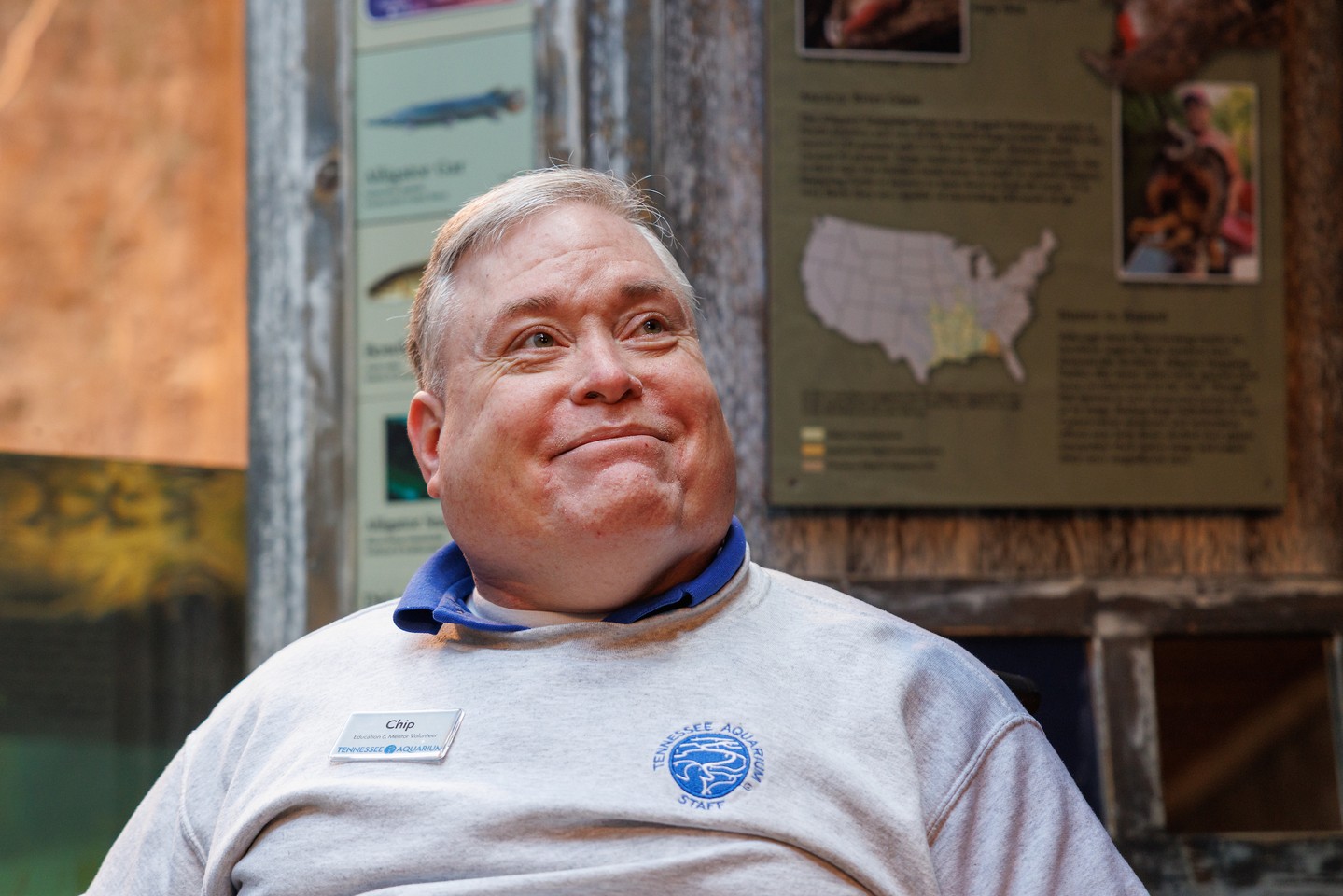
- Volunteer Perspective: Exploring the motivations and experiences of long-term volunteers at aquariums.
- Education and Engagement: The importance of educational programs in sparking curiosity, especially among children.
- Volunteer Tenure: Insights on the dedication and commitment exemplified by veteran volunteers like Chip Bell.
- Unique Species: The educational and ecological significance of the Lake Sturgeon.
- Exhibit Highlights: Understanding the ecological complexity and educational value of exhibits like the Delta Country swamp.
Chip Bell, an Education and Mentor Volunteer, offers a compelling glimpse into the motivations and rewards of volunteering at an aquarium. His extensive experience of over 18 and a half years highlights the dedication required for this type of service and the passion volunteers feel for both aquatic life and community education. This article delves into each facet of his volunteer journey, illuminating the critical role volunteers play in aquariums.
Volunteer Perspective: Exploring the Motivations and Experiences
Volunteering at an aquarium provides a unique intersection of community service, education, and conservation. Chip Bell emphasizes the joy of witnessing the excitement on visitors’ faces, particularly children, when they learn about marine life. This enthusiasm reflects a broader passion for wildlife conservation and education, fostering environmental stewardship in future generations. Volunteers contribute significantly to this mission, giving their time to explain complex biological concepts in an accessible manner.
Aquariums serve as informal education centers, playing a critical role in bridging the gap between the public and scientific communities. Volunteers enhance this connection through guided tours, interactive sessions, and educational workshops. This unique form of community engagement helps demystify the underwater world, promoting a deeper understanding of conservation issues.
Education and Engagement: The Importance of Educational Programs
Educational initiatives within aquariums are crucial in promoting environmental awareness. Chip’s reflections on the joy of seeing children’s curiosity ignite underscore the importance of these programs. By offering hands-on experiences, aquariums can translate abstract conservation concepts into tangible understanding. Programs that engage children at an early age nurture a lifelong interest in biology and ecology.
These initiatives are designed to captivate diverse audiences, from school groups to individual families. Volunteers, equipped with knowledge and enthusiasm, are pivotal in conveying information about aquatic ecosystems, highlighting the delicate balance these environments require to thrive. Initiatives like interactive displays and touch tanks offer direct engagement, fostering a connection between individuals and marine life.
Volunteer Tenure: Insights on Dedication and Commitment
The commitment demonstrated by volunteers like Chip Bell underscores the importance of long-term dedication in educational and conservation efforts. With over 18 years of experience, Chip represents the backbone of volunteer programs, providing stability and continuity. This commitment not only enriches the learning environment but also ensures volunteers can develop substantial expertise and rapport with the community.
Veteran volunteers bring invaluable perspectives and insights that enhance the visitor experience. Their deep understanding of both the exhibits and the clientele allows for an adaptive approach to education, ensuring that each visitor leaves with a greater appreciation of marine biology. Longevity in volunteering also cultivates leadership skills, enabling volunteers to mentor newcomers, fostering a supportive and knowledgeable community.
Unique Species: The Educational and Ecological Significance of the Lake Sturgeon
Chip’s admiration for the Lake Sturgeon reveals both the allure and educational potential of less prominent species. The Lake Sturgeon, an ancient fish with unique characteristics, provides significant ecological benefits and educational opportunities. As bottom feeders, they play a critical role in maintaining clean aquatic systems by consuming decaying organic matter.
Teaching visitors about species like the Lake Sturgeon helps illustrate concepts of biodiversity and ecosystem services. It also highlights conservation challenges facing these ancient fish, such as habitat loss and pollution. Volunteers help communicate these challenges, encouraging support for conservation initiatives. By engaging with such species, visitors can appreciate the complexity and interconnectedness of aquatic ecosystems.
Exhibit Highlights: Understanding the Ecological Complexity of the Delta Country Swamp
The Delta Country swamp exhibit stands out for its diverse array of animals and intricate ecosystems. Home to a variety of species, it provides a microcosm of a swamp habitat, illustrating ecological interactions and biodiversity. This dynamic environment offers an excellent educational resource, allowing visitors to witness diverse species simultaneously.
Exhibits like the Delta Country swamp are carefully curated to balance educational value with ecological accuracy. Volunteers play an essential role in interpreting these exhibits, making the diverse species and their interactions understandable to the public. By highlighting the ecological roles of different species, volunteers underscore the importance of conservation efforts aimed at preserving such habitats.
In conclusion, the insights from devoted volunteers like Chip Bell highlight the invaluable contributions they make to aquariums. Their dedication and passion enhance educational programs, making them engaging and informative for visitors of all ages. Through their work, they promote a greater understanding of marine life and foster a deeper commitment to environmental conservation. Aquariums around the world rely on such volunteers to bridge the gap between the general public and the complex world of aquatic ecosystems, enriching community knowledge and inspiring future generations.
*****
Source Description
Continuing our volunteer spotlight: this week, we chatted with Education and Mentor Volunteer Chip Bell!
Why do you like volunteering at the Aquarium? 🐠
“For the experience and to see the excitement on people’s faces, especially kids, from what they learn here.”
How long have you been volunteering with us? 🐊
“A little over 18 1/2 years.”
What is your favorite animal at the Aquarium and why? 🐢
“Probably the Lake Sturgeon. I like their uniqueness.”
Do you have a favorite exhibit at the Aquarium? What makes it stand out for you? 😁
“The Delta Country swamp because of the wide array of animals in there.”
