
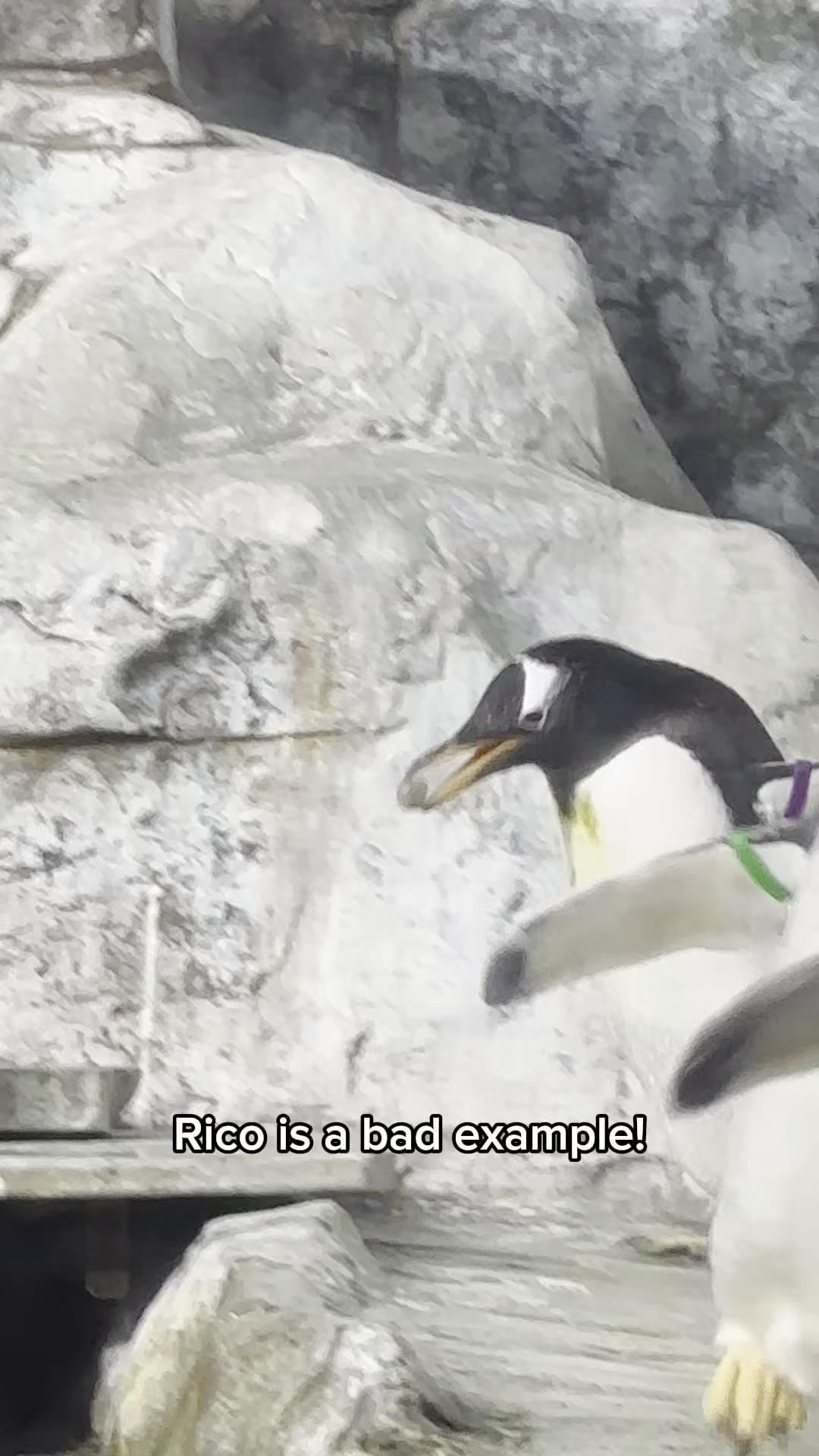
- Georgia’s role as a super sleuth in wildlife conservation
- The significance of teamwork in the animal kingdom
- The impact of human activities on wildlife protection
- The importance of education in zoology and conservation
- Strategies for effective wildlife stewardship
Georgia’s character in “Love on Thin Ice” serves as an engaging example of how young people can play vital roles in wildlife conservation. Portrayed as a super sleuth, Georgia draws on curiosity and enthusiasm to explore the intricacies of animal behavior and ecology. This portrayal emphasizes the importance of youthful curiosity in conservation efforts. By encouraging an investigative mindset, shows like “Love on Thin Ice” inspire the next generation to engage with conservation as a serious and impactful career.
Teamwork is a critical theme within this episode. In various animal species, collective behaviors drive survival and adaptation, from hunting to migration. Animals such as wolves and dolphins showcase the power of collaboration. This creates parallels with Georgia and Indy joining the nest nabber club, highlighting how cooperation can yield positive outcomes in both human and animal communities. In the context of conservation, partnerships among organizations, scientists, and community members are essential. Shared goals unite them in efforts to protect habitats and safeguard vulnerable species.
The negative effects of human activity on wildlife cannot be overstated. Habitat destruction, pollution, and climate change systematically undermine natural ecosystems. These factors have led to alarming rates of species loss—raising awareness is a critical aspect of conservation. By understanding the pressures facing wildlife, individuals can make informed choices to support conservation initiatives. The storyline in “Love on Thin Ice,” particularly in Episode 8, relates these challenges, inviting viewers to reflect on their impact on the natural environment.
Education in zoology and conservation shapes our understanding of wildlife. Knowledge enables effective advocacy and the development of sustainable practices. Institutions like zoos and aquariums serve as educational platforms, providing vital information to both children and adults. They offer insights into animal behavior, nutrition, and breeding programs. In “Love on Thin Ice,” Georgia’s exploration highlights the importance of being informed and making choices that benefit wildlife, rather than detracting from it.
For effective wildlife stewardship, various strategies can be employed. Community engagement through programs and volunteer opportunities encourages active participation. Legislative advocacy shapes policies that protect wildlife and their habitats. Additionally, research contributes to a greater understanding of animal needs and behaviors, informing conservation strategies. In Episode 8, Georgia and Indy embody proactive community members—participants in the initiative to safeguard wildlife.
The integration of storytelling and education empowers audiences to understand complex ideas related to conservation. It fosters a sense of responsibility toward wildlife and encourages individuals to take action. Exploring these themes through relatable characters can resonate deeply, making it a compelling vehicle for raising awareness.
Wildlife photography also plays a significant role in elevating the public’s understanding of conservation. Capturing images of animals in their natural habitats can provoke emotional responses and stimulate interest in conservation efforts. Visual storytelling complements narratives like those in “Love on Thin Ice,” inviting viewers to connect with the subjects of conservation work.
Field studies represent another fundamental aspect of wildlife conservation. They provide critical information on animal behaviors, population dynamics, and ecosystem health. Such studies inform decisions by conservationists and policymakers alike. Organizations conducting field research often collaborate with local communities, reinforcing the idea that everyone has a stake in conservation.
Furthermore, the use of technology in conservation is thriving. GPS tracking, camera traps, and drones offer unprecedented insights into animal movements and behaviors. These advancements allow researchers to monitor wildlife populations in ways that were unimaginable a few decades ago. As illustrated in “Love on Thin Ice,” combining innovation with traditional conservation practices can lead to more effective outcomes.
The significance of ethical considerations in conservation also warrants discussion. Practices like captive breeding, habitat restoration, and rehabilitation must be guided by principles that respect the intrinsic value of wildlife. Building connections based on empathy and respect toward all species fosters greater commitment to conservation actions. This perspective is essential for initiatives highlighted in media portrayals like “Love on Thin Ice,” where understanding the interconnectedness of life underscores the urgency of conservation efforts.
Another dimension of wildlife protection involves addressing issues of climate change. Rising temperatures, increased frequency of extreme weather events, and shifting seasons threaten habitats. Corrective actions require collective efforts to reduce carbon footprints and promote sustainability. This aligns closely with the themes presented in “Love on Thin Ice,” showcasing the role young individuals can play in advocating for climate action.
The veterinary field also contributes significantly to wildlife conservation. Veterinarians specializing in wildlife sees the physical well-being of animals as a key to conservation efforts. They play pivotal roles in rehabilitation and reintroduction programs. Raising awareness about the health needs of wildlife can facilitate better community practices regarding species protection.
In addition, conservation organizations can benefit from focusing on underrepresented species. While many campaigns target iconic animals like elephants or tigers, lesser-known species also play crucial roles in their ecosystems. Promoting biodiversity can’t overlook the significance of all species. Thus, storytelling that features diverse animals can enhance awareness and empathy, broadening the conservation message.
On a societal level, bolstering conservation efforts requires the integration of indigenous knowledge. Indigenous communities often possess a deep understanding of local ecosystems. This traditional ecological knowledge can complement scientific findings, leading to more comprehensive conservation strategies. Portraying such interactions in educational media, like “Love on Thin Ice,” can strengthen advocacy efforts.
In summary, “Love on Thin Ice | Ep. 8: Georgia the super sleuth and Indy joins the nest nabber club” serves as an educational lens through which critical issues in wildlife conservation are explored. It invites viewers to consider their roles as active participants in the protection of animals and their habitats. By combining informed dialogue with compelling characters, the show illuminates pathways toward a more sustainable future for all species. Through engagement, teamwork, education, and a deep appreciation for the complexities of ecosystems, concerted efforts can unite communities in the quest for conservation. Such narratives inspire action and foster a collective responsibility toward safeguarding our planet’s rich biological heritage.
*****
Source Description
Love on Thin Ice | Ep. 8: Georgia the super sleuth and Indy joins the nest nabber club!🥷
