
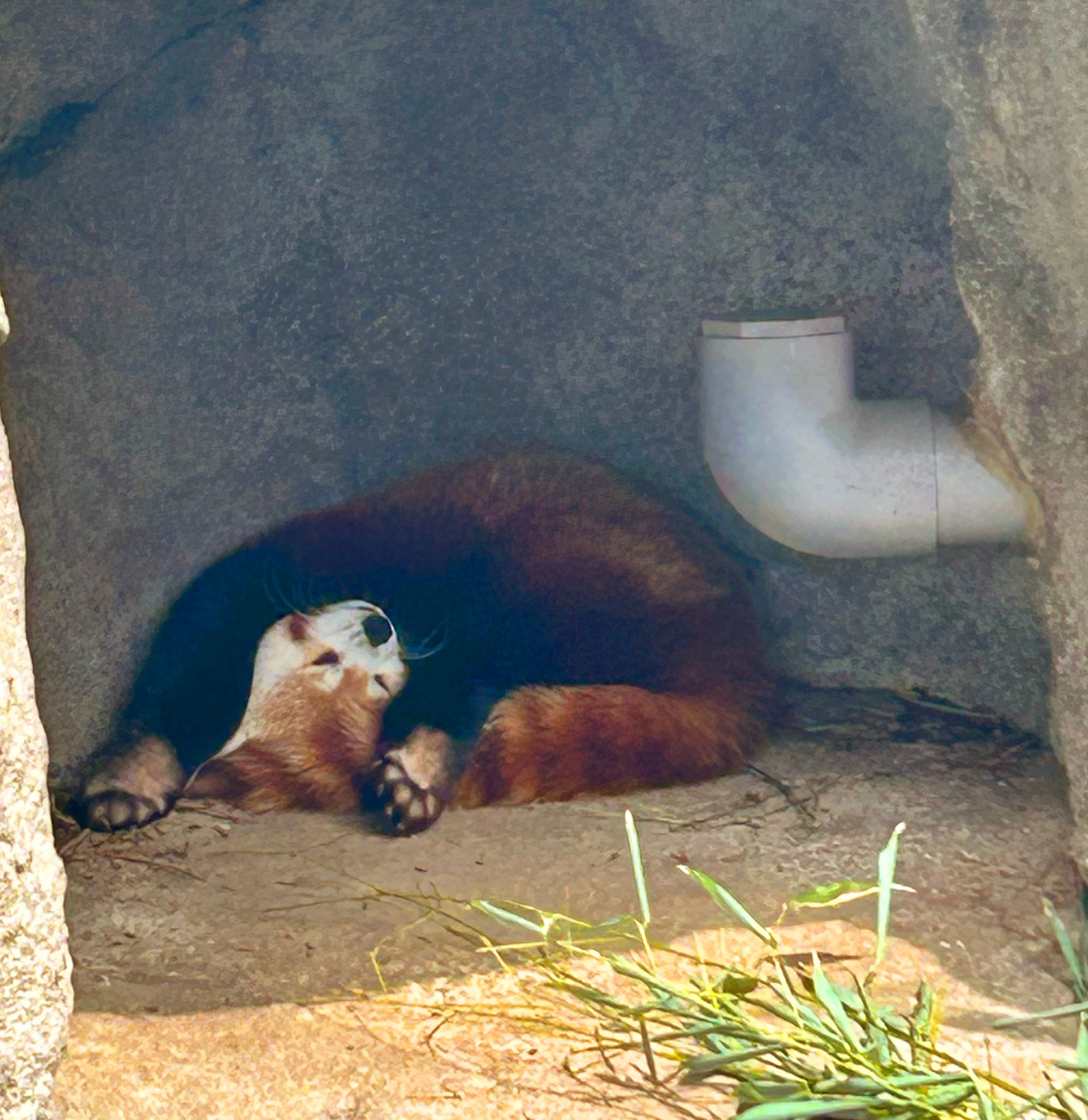
- The significance of weekend breaks for wildlife and zoo animals.
- The role of zoo management in animal welfare during busy times.
- Conservation initiatives to be considered during long weekends.
- The educational component of zoo experiences over weekends.
- Public engagement and promoting wildlife awareness during holidays.
Zoo animals, including those like Lulu who are perhaps eagerly awaiting a long weekend, thrive in environments that consider their well-being. Understanding the significance of weekend breaks for animals is pivotal in zoo management. Enrichment is not just a matter of physical space; it also involves psychological stimulation. Weekend breaks provide opportunities for animal attendees and caregivers alike to participate in special activities that elevate animal welfare.
During busy periods, such as long weekends or holidays, zoo management plays a critical role in maintaining animal welfare. Staff are tasked with ensuring that animals receive enrichment opportunities to mimic natural behaviors. For example, interactive feeding, sensory stimulation through scents, and habitat modifications can be particularly beneficial during high-traffic days. These activities not only keep animals engaged but also offer valuable insight into their behaviors for both staff and visitors. The emphasis on animal engagement during these busy times necessitates careful planning and coordination, ensuring a balance between visitor experience and animal comfort.
Conservation initiatives often align with holiday periods in many zoos. Long weekends present an excellent opportunity to bring awareness to various conservation programs and how zoo-goers can become involved. Informative talks and special exhibits focusing on species that might be endangered can raise public consciousness about the delicate balance of ecosystems and habitat preservation. For instance, discussing Lulu’s species and its role in the ecosystem can open a dialogue about broader conservation issues. Educating the public about these topics fosters an informed community willing to support conservation efforts.
The educational aspect of visiting zoos improves during long weekends. With families having more time to explore, educational programs can provide enrichment not just for the animals but also for the visitors. Interactive displays, workshops, and guided tours offer families a unique experience while highlighting the importance of biodiversity. Informative materials about Lulu and similar species serve to deepen visitors’ understanding of animal behavior, habitats, and the conservation challenges that various species face. These experiences contribute to a greater appreciation for wildlife and drive advocacy for conservation initiatives.
Public engagement is integral to promoting awareness around wildlife preservation during busy zoo days. Activities tailored for families often include demonstrations, behind-the-scenes tours, and opportunities for personal interaction with zookeepers. Educating visitors about species behaviors, habitats, and threats can cultivate a sense of stewardship among the public. Additionally, these interactions can inspire individuals to take action, such as supporting conservation missions or educating others in their communities.
To summarize aspects of animal welfare, zoo management, and public interaction, it’s vital to recognize how special occasions like long weekends can elevate awareness. Activities planned for Lulu and her fellow inhabitants become more than mere entertainment—they serve as vital components in a larger discourse concerning wildlife conservation. Each visitor leaves not just with memories of their experience but also with increased comprehension and commitment to environmental stewardship.
The implications of this are significant. When families leave the zoo with a deeper understanding of conservation, the groundwork is laid for future generations committed to protecting wildlife. Therefore, the ongoing efforts of zoos to create engaging, educational, and impactful experiences serve an essential role in the broader framework of conservation and wildlife management. Maintaining a synergy between animal welfare, public engagement, and conservation efforts during busy times enhances the educational value of zoos, creating a legacy of environmental awareness for all who visit.
*****
Source Description
Lulu is already ready for a long weekend!
