
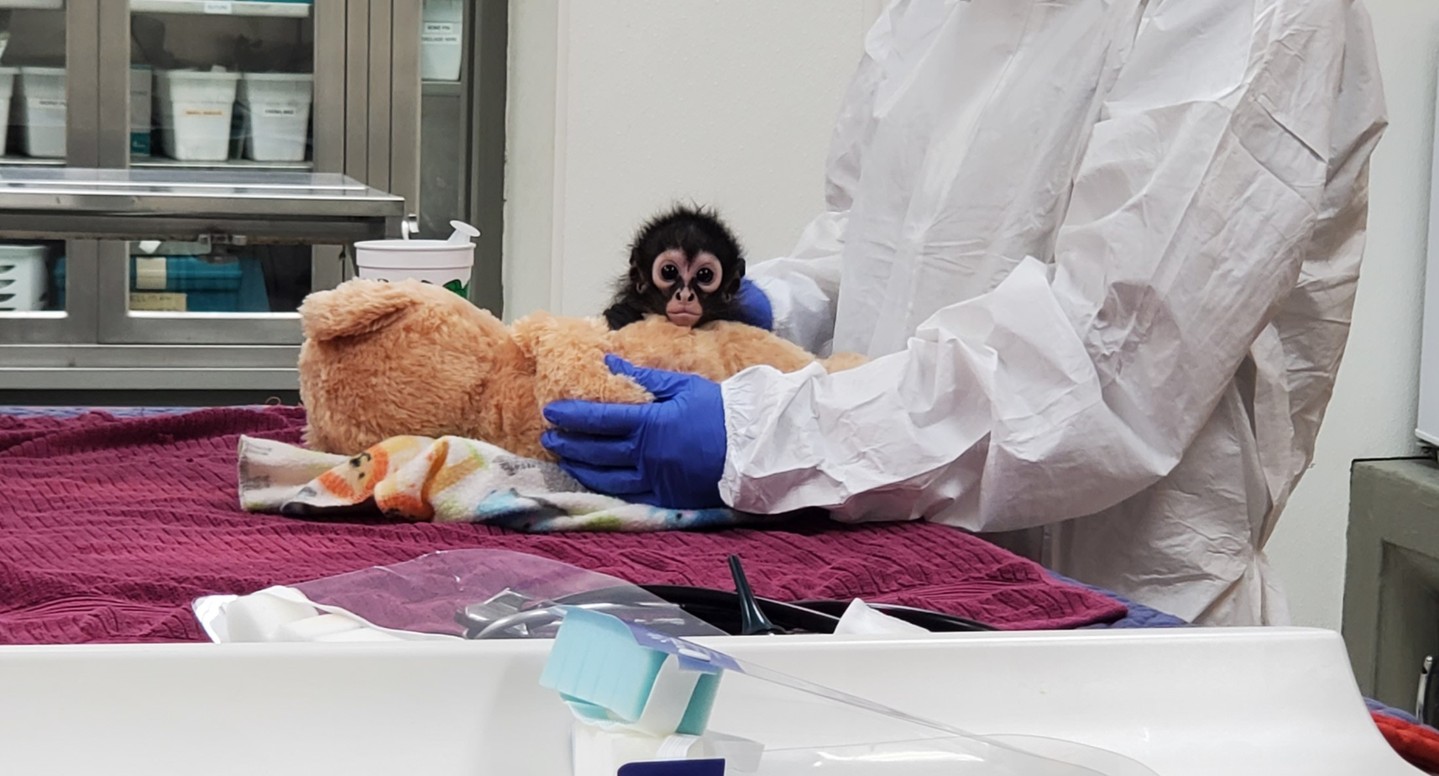
- Wildlife trafficking destroys endangered species and threatens biodiversity.
- The illegal trade fuels organized crime and corrupt government practices.
- The Wildlife Confiscations Network facilitates urgent care for trafficked animals.
- New legislative efforts aim to expand support for wildlife rescue and rehabilitation.
- Collaborative efforts between various organizations optimize wildlife care and enforcement.
Wildlife trafficking is a persistent and escalating danger, primarily targeting endangered species. This illegal trade contributes significantly to biodiversity loss, with species being driven towards extinction. It represents a crucial conservation issue, tied closely to the health of ecosystems and the survival of numerous species. As global populations and demand for wildlife increase, the challenges of conserving these species grow more daunting.
The illegal wildlife trade is not a standalone problem; it fuels organized crime. Traffickers often work in elaborate networks, similar to those used for drug and human trafficking. These networks thrive in instability, which can lead to government corruption. In many regions, enforcement agencies struggle to combat this illicit trade, exacerbated by the very corruption it breeds. Wildlife trafficking has broader implications for human society, often leading to increased violence and decreased public safety.
Additionally, the trade poses significant health risks. The transmission of diseases from wildlife to humans, whether through direct contact or indirect means, represents a critical public health concern. Diseases such as Ebola and HIV-1, for instance, have been traced back to wildlife origins. Ongoing trafficking conditions create a nexus not only for biodiversity loss but also for potential outbreaks that could threaten human life.
Emerging initiatives like the Wildlife Confiscations Network, developed in collaboration with the U.S. Fish and Wildlife Service, represent a direct response to these challenges. This innovative program serves as a coordinated response to wildlife trafficking by connecting law enforcement with accredited facilities that can provide immediate care for confiscated wildlife. With a focus on urgent triage, housing, and rehabilitation, this network ensures that rescued animals receive the necessary medical attention and care. Such initiatives are crucial because all accredited facilities recognize their responsibilities and prioritize animal welfare.
Since launching in October 2023, the Wildlife Confiscations Network has been remarkably effective. It has supported over 135 cases and successfully placed more than 4,100 animals into quality care. These statistics highlight the importance of a structured response to wildlife trafficking. Educational and rehabilitation efforts directly contribute to species conservation and the fostering of public awareness about the value of wildlife.
The introduction of the Wildlife Confiscations Network Act marks a pivotal point in the fight against wildlife trafficking. With support from 60 organizations, this legislation formally authorizes and expands the Network, allowing for a more comprehensive approach to wildlife rescue. By enabling animal care specialists to provide rapid treatment and placement, law enforcement can concentrate their efforts on tracking and prosecuting traffickers. This is vital for creating a cohesive response to wildlife crimes. Each facet of this effort underscores a collective understanding that addressing wildlife trafficking requires multifaceted solutions.
Leadership from prominent figures in Congress, such as Representatives Andrew Garbarino and Mike Quigley, reflects a growing commitment to animal welfare and conservation. The establishment of the Congressional Zoo and Aquarium Caucus serves as a platform for advancing legislative agendas aimed at addressing these urgent issues. Collaboration between political leaders, conservationists, and animal care professionals optimizes the response to the ongoing crisis in wildlife trafficking.
The economic impact of wildlife trafficking extends beyond conservation concerns. The illegal wildlife trade can detract from legitimate businesses and harm local communities that rely on sustainable wildlife tourism. Rebuilding trust within communities is crucial. People need to recognize the intrinsic value of biodiversity and understand the importance of preserving wildlife. Education plays an essential role in fostering this understanding, helping to address the societal issues linked to trafficking.
In addition to the immediate efforts addressing wildlife trafficking, long-term solutions must focus on systemic issues. Enhancements in legislation and enforcement capabilities are necessary to address not only current cases but also the root causes that allow trafficking to flourish. International cooperation is paramount in organizing efforts on both enforcement and training law enforcement personnel who specialize in wildlife protection. Building networks between countries can facilitate sharing resources and information, creating a more robust global approach to tackling this critical issue.
Furthermore, advocacy groups and nonprofits play a vital role in raising awareness and supporting on-the-ground efforts. Many organizations are dedicated to preventing wildlife crimes, promoting alternative livelihoods for communities that depend on trafficking, and providing educational resources. These activities can significantly reduce human-wildlife conflict, offering sustainable alternatives to potentially harmful practices.
In this context, zoos and aquariums accredited by organizations such as the Association of Zoos and Aquariums (AZA) become crucial. These facilities are often the first point of contact when animals are confiscated from traffickers. They possess the expertise and infrastructure necessary for ensuring the animals’ well-being. Their involvement in rehabilitation and conservation initiatives not only aids individual animals but contributes significantly to the survival of species at risk.
The complexities of wildlife trafficking necessitate the involvement of multifaceted strategies. The link between wildlife conservation and human health is clear; collaboration on these fronts is essential. Recognizing the interconnectedness of environmental health, societal stability, and public safety allows for more comprehensive and effective solutions.
Wildlife trafficking continues to be one of the most pressing global challenges of our time. Conservationists, law enforcement, policymakers, and communities must unite to combat this menace. Understanding the various impacts of wildlife trafficking can motivate collective action. The maintenance of biodiversity is not merely a concern for environmentalists; it is an essential component of human health, safety, and prosperity.
Educating the public about the importance of wildlife conservation is critical. Campaigns can focus on the ecological significance of diverse species and the potential repercussions of their extinction. Such awareness can empower individuals to take action in their own lives. Supporting legislation, participating in local conservation efforts, and promoting ethical consumer choices all contribute to a larger, unified front against wildlife trafficking.
Given the scale of this crisis, it is vital that we advocate for comprehensive solutions and engage various sectors of society. This approach paves the way for innovative solutions while addressing the moral obligation to protect our planet’s diverse life forms. By doing so, society can begin to create an environment where conservation thrives, and wildlife flourishes.
*****
Source Description
Wildlife trafficking continues to pose a serious and growing threat. 🐘 Not only is wildlife trafficking wiping out many endangered and threatened species, it also fuels organized criminal networks at our borders, government instability and corruption, and threatens human and through the transmission of diseases. 🛩️
🛡️ AZA’s Wildlife Confiscations Network, a cooperative pilot program in with @USFWS, offers a coordinated response to this crisis by connecting law enforcement with a nationwide network of qualified facilities equipped to provide emergency triage, housing, and care for confiscated 🤝
and accredited by AZA are leaders in animal welfare and are often the first called upon to provide expert medical care, rehabilitation, and long-term housing for animals rescued from trafficking. 🐒 Since its launch in October 2023, the Wildlife Confiscations Network has supported more than 135 cases, successfully placing over 4,100 animals into quality care.
Yesterday, the Wildlife Confiscations Network Act was introduced in with support from 60 organizations! By formally authorizing and expanding the Wildlife Confiscations Network, this legislation allows animal care experts to provide urgent treatment and placement for trafficked wildlife, freeing law enforcement to focus on their primary mission: finding and prosecuting traffickers.
💛 AZA extends a big thank you to @RepAndrewGarbarino and @RepMikeQuigley, co-chairs of the Congressional Zoo and Aquarium Caucus, for their leadership and continued commitment to zoos and aquariums, expert animal care, and
https://bit.ly/45k6fHe
