
- Understanding the Anatomy and Behavior of Zoo Animals
- The Role of Zoos in Wildlife Conservation
- Engaging Visitors Through Interactive and Educational Programs
- The Importance of Biodiversity and Species Preservation
- Innovations in Zoo Management and Animal Care
Zoos have long been bastions of learning and conservation, offering windows into the fascinating lives of animals from around the globe. One playful, interactive attraction at zoos aims to combine amusement with education—spotting animal posteriors. While seemingly lighthearted, these activities teach visitors about anatomy and behavior, building a deeper understanding of different species.
Understanding the Anatomy and Behavior of Zoo Animals
Animal anatomy is a gateway to understanding behavior and ecology. In particular, examining the posterior of an animal can reveal a wealth of information. For example, the powerful hindquarters of a kangaroo are adapted for incredible leaps, allowing them to cover vast distances with minimal energy. This adaptation is crucial in the sparse Australian outback.
Contrastingly, the muscular haunches of big cats like lions or tigers are designed for explosive speed during short bursts, an adaptation essential for hunting. By observing these features, one can infer much about an animal’s lifestyle and ecological role. Indeed, these insights help zoo-goers appreciate the evolutionary paths taken by different species.
Learning through such tactile experiences enables visitors—particularly younger ones—to grasp concepts of evolution and adaptation. By recognizing the distinctive features of animals’ posteriors, guests develop a clearer picture of how these creatures have evolved to thrive in their environments.
The Role of Zoos in Wildlife Conservation
Modern zoos are pivotal in conservation efforts. They act as sanctuaries for endangered species, providing critical breeding programs and genetic reservoirs that support biodiversity. For instance, species like the Amur leopard and the Sumatran tiger face critical threats in their natural habitats. Zoos offer controlled environments where these animals can reproduce safely, free from poaching and habitat destruction.
Beyond breeding, zoos are involved in rewilding efforts—returning animals to their native habitats when conditions permit. This process is a carefully managed collaboration between zoos and field researchers, ensuring that reintroduced animals can adapt and thrive.
Moreover, zoos conduct research that contributes to conservation science. They study animal genetics, diseases, and behaviors, producing data that informs global conservation strategies. In this way, zoos are not merely display centers but active participants in planetary preservation efforts.
Engaging Visitors Through Interactive and Educational Programs
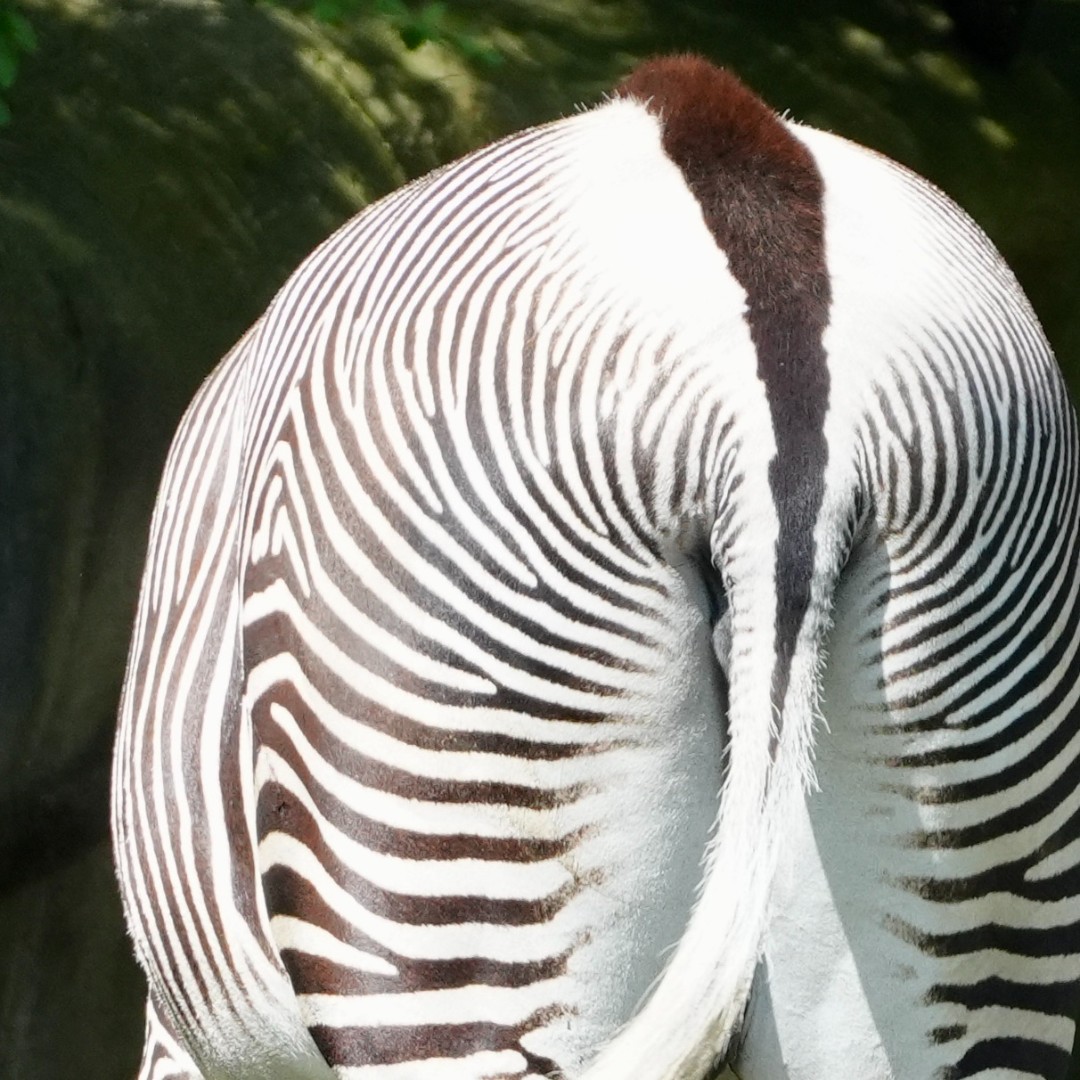
Interactive programs like ‘Butt wait, we have another guessing game for you!’ work as gateways to deeper engagement in animal studies. By presenting anatomy in a humorous and interactive format, zoos offer memorable experiences that embed learning. Participants are encouraged to think critically and make connections between physical traits and ecological roles.
Educational programs at zoos extend beyond interactive exhibits. Many facilities offer workshops, talks, and guided tours that delve into animal behavior, conservation challenges, and the efforts zoos are making to address them. These programs are designed to instill a sense of responsibility and a desire to participate in conservation activities.
Digital tools and augmented reality are rising in prominence, bridging the gap between physical exhibits and information. Through apps and interactive screens, visitors can access detailed species information, enhancing their understanding and appreciation during their visit.
The Importance of Biodiversity and Species Preservation
Biodiversity is vital for the health and resilience of ecosystems worldwide. Each species, no matter how obscure, plays a role in maintaining ecological balance. The loss of a single species can have unforeseen impacts on an ecosystem, affecting food chains and habitat structure.
Zoos act as biodiversity banks, preserving genetic material that may one day be used to repopulate natural environments. By conserving a wide array of species, zoos contribute to global efforts for ecological stability. This work is imperative, especially as climate change and human encroachment threaten more habitats.
Awareness and education at zoos make visitors advocates for biodiversity. Through understanding the interconnectedness of life on Earth, individuals are inspired to make changes that support sustainable living and preservation of natural environments.
Innovations in Zoo Management and Animal Care
Modern zoo management focuses on creating enriching environments that promote natural behaviors. This evolution signifies a shift from traditional cages to expansive, carefully designed habitats that replicate wild conditions. These innovations in habitat design are crucial for both animal welfare and spectator education.
Animal care has seen significant advancements, with zoos employing enrichment programs that cater to the mental and physical needs of residents. Training for health checks, environmentally complex enclosures, and social groupings reflecting natural structures encourage healthier, happier animals.
Moreover, technological advancements in tracking and monitoring provide new insights into animal welfare. Wearable devices and cameras help zookeepers collect data on movement patterns, social interactions, and health metrics, allowing for proactive care management.
In essence, zoos now operate at the intersection of entertainment, education, and conservation. They inspire visitors to engage with the natural world, fostering an informed public that supports wildlife conservation. Through innovative programs, scientific research, and engaging educational activities, zoos continue to play a critical role in protecting Earth’s biodiversity.
*****
Source Description
Butt wait, we have another guessing game for you! 🍑
We bet our bottom dollar that you can’t identify every heinie. Take a seat and see which cheeks go with which Detroit Zoo animal. Perfect posterior guesses go below!
