
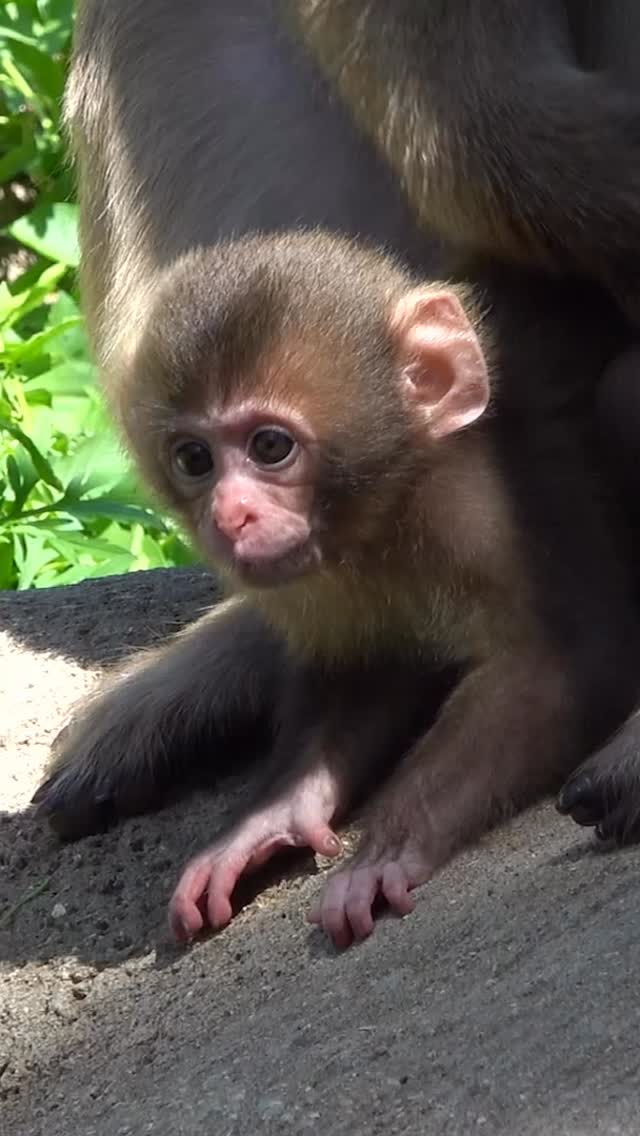
- Observing Japanese macaque behavior and maternal care
- Developmental milestones in young macaques
- The impact of environment on macaque exploration
- The role of zoos in wildlife conservation
- Engaging the public in primate awareness
The behavior of Japanese macaques, or snow monkeys as they are often called, provides a fascinating window into the complexities of primate social structures and parental care. Observing these two infant macaques as they venture slowly away from their mothers, Rikka and Usagi, illustrates the attentive nature of maternal care within this species. Rikka and Usagi are not just protecting their young; they are playing a crucial role in teaching them essential life skills.
The maternal bond between a mother macaque and her offspring is profound. In early development, infants rely entirely on their mothers for nourishment, warmth, and protection. As they grow, the mothers begin to encourage exploration—a vital step in developing independence. Rikka and Usagi exhibit behaviors consistent with nurturing, staying close to their babies while allowing them to test their skills. This balance of protection and freedom is crucial for healthy cognitive and social development.
Developmental milestones in young macaques are similar to those seen in many other species, including humans. At around four to six months of age, macaque infants begin to assert their independence by exploring their surroundings. This is a critical period where they learn about their environment through play and interaction with other macaques. During this early stage, social play is crucial. It teaches skills such as communication, conflict resolution, and social bonding. As Rikka and Usagi watch their little ones explore, they are not only alert for danger but are also subtly guiding their interactions with other members of their troop.
As the babies wander a short distance from their mothers, they encounter varied stimuli in their environment. This interaction fosters cognitive and sensory development. They might explore textures, sounds, and the social cues of other macaques. Exploration is not just for the sake of curiosity; it helps the young develop a sense of situational awareness, which is important both in social dynamics and potential survival scenarios.
Japanese macaques are primarily arboreal, meaning they spend significant time in trees. Their ability to navigate this vertical environment requires both agility and learned skills. Young macaques, while naturally inclined to climb and swing, benefit greatly from observing the movements of older members in their troop. This is a key factor in how they learn to use their environment effectively. As the infant macaques venture further, Rikka and Usagi’s careful observation serves as an informal classroom, providing the babies with cues on both how to climb and interact with their surroundings.
The role of zoos in wildlife conservation cannot be understated. Modern zoos are more than just places for entertainment; they act as critical centers for species conservation, education, and research. By housing species like the Japanese macaque, zoos can engage the public in meaningful ways. The sight of young macaques, recently exploring their surroundings, captures attention and can evoke emotional connections to these animals. Education programs designed around encounters like these help raise awareness about natural habitats, threats to wildlife, and conservation efforts.
Public engagement is essential for the future of wildlife preservation. Through initiatives in education, zoos can explain the ecological significance of Japanese macaques and their role in ecosystems. Conservation messaging can incorporate the delicate balance of nature and the impact humans have on animal populations. Observing young macaques can inspire visitors to think critically about animal welfare and conservation issues.
Japanese macaques, native to various habitats in Japan, are known for their adaptability. The presence of these animals in zoos offers educational perspectives on the wildlife that inhabits regions less familiar to the public. The cultural significance of Japanese macaques in Japanese history and folklore adds another layer of importance. Public programs can highlight not only how individuals can contribute to conservation but also recognize the cultural value of these animals.
The journey these young macaques make away from maternal protection serves as an essential process in the development of their independence. As they learn to explore, they show intrinsic behaviors such as curiosity and sociability. It is captivating to witness this firsthand and reflect on the broader implications of these experiences.
The relationship between mothers and their young is crucial. In macaques, as in many other species, maternal care influences the developmental trajectories of offspring. The presence of Rikka and Usagi emphasizes a supportive atmosphere where infants can thrive while learning to navigate the complexities of their social environment. This is not simply an instinctual process; it involves observational learning and social facilitation, both crucial to shaping the behavior of young macaques.
In an educational setting, zoo-goers have the unique opportunity to observe these dynamics, fostering a deep appreciation for animal behavior and natural sciences. The importance of experience over mere observation is the key takeaway here. Through proximity and interaction with these animals, both children and adults can grow in their understanding of maternal instincts and child rearing in the animal kingdom.
Attention to behavior is vital for researchers studying primates. Observing the babies’ interactions offers valuable insights into the social fabric of macaque communities. Research findings enhance the knowledge base regarding species behaviors. Each encounter can yield important data for scientists studying development, social structures, and other aspects of primate life.
As Japanese macaque populations face threats from habitat loss due to urban development, awareness and educational initiatives become increasingly vital. Public programs focusing on the need for conservation can catalyze change in how society views its responsibility toward wildlife. Engaging individuals on a personal level, especially through the tender moments shared between mothers and their young, can lead to a growing movement of support for conservation efforts at both local and global levels.
Sustaining a dual focus on conservation and education helps ensure that future generations will value wildlife and feel empowered to make a difference. Zoos are uniquely positioned to create these linkages, facilitating a critical exchange of knowledge and fostering an environment conducive to awareness. Understanding animal behavior is foundational, creating a premise from which informed choices can be made.
Rikka and Usagi are exemplars of maternal care among primates. Their attentive oversight complements the natural instinct for exploration found in their young. It is this dance of exploration and protection that shapes the young monkeys’ abilities to adapt and thrive in their environments. This presents endless opportunities for research and public engagement, illustrating the interconnectedness of species and habitats in our world.
Encounters like observing the exploration of these young macaques deepen appreciation for complex ecosystems. They emphasize both the beauty of animal life and the urgent need for active conservation efforts. As the two babies slowly begin to navigate their environment—always within sight of their mothers—families and individuals visiting the zoo can take away valuable lessons about maternal care, conservation, and the significant role each person plays in upholding ecological resilience.
The process of growth in young macaques, the attentive vigilance of their mothers, and the unique opportunity for zoo visitors to engage with this narrative all converge to create an enriching experience. Through continued outreach and proactive education, the narrative of Rikka and Usagi, along with their lively offspring, can inspire conservation efforts, ensuring a vibrant future for both Japanese macaques and their natural habitats.
By observing these unique interactions, visitors are also participating in a broader conversation about ecological stewardship. The lives of Rikka, Usagi, and their young serve not only as poignant illustrations of parental care but also as a call to action for individuals to protect the rich biodiversity that fills our world with beauty and wonder. This call transcends mere observation and encourages active participation in conservation, shaping a more sustainable future for all.
*****
Source Description
The two Japanese macaque babies are starting to explore, little by little, away from their moms. And moms, Rikka and Usagi, are keeping a watchful eye. This is the perfect time to come and ‘see the baby’.
