
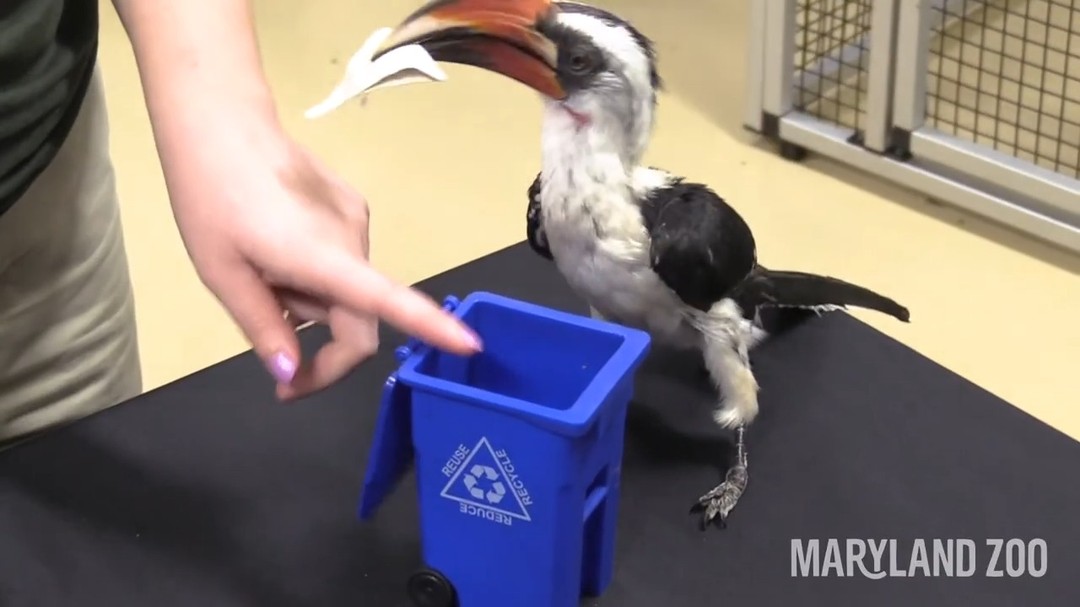
- New habits often require multiple attempts to implement successfully.
- The W.I.L.D. Zero-Waste Challenge simplifies the process of adopting sustainable practices.
- Understanding the psychology of habit formation can help in maintaining new behaviors.
- Community engagement plays a crucial role in successful habit transformation.
- Practical tips for integrating zero-waste habits into daily life.
New habits often require multiple attempts to implement successfully. The journey toward meaningful change is rarely linear. Many factors contribute to this, including motivation, environmental influences, and psychological barriers. Studies suggest that breaking a habit and forming a new one takes an average of 66 days. This timeline can vary significantly depending on the individual and the complexity of the habit. With repeated attempts, individuals often gain insights that can lead to success on subsequent tries.
The W.I.L.D. Zero-Waste Challenge serves as a practical framework to simplify the journey toward sustainability. It offers an engaging platform for individuals to reduce their waste footprint. The challenge promotes simple changes that can be enjoyable rather than overwhelming. Designed to be fun, the challenge encourages participants to adopt habits that are easy to integrate into their daily lives. Team dynamics also add a layer of accountability that can significantly improve the likelihood of habit persistence.
Understanding the psychology behind habit formation provides valuable context. Habits are formed through a cue-routine-reward system. A specific cue triggers the behavior, which results in a reward that reinforces the action. To successfully adopt zero-waste habits, it is essential to identify specific environmental cues that can prompt these behaviors. For instance, placing reusable bags by the door can serve as a cue for bringing them along when shopping. Over time, the routine of using these bags becomes ingrained, and the associated reward—feeling good about minimizing waste—enhances this behavior.
Community engagement plays a significant role in fostering successful habit transformation. The social aspect of the W.I.L.D. Zero-Waste Challenge helps participants stay committed. Sharing experiences, tips, and successes within a community fosters a sense of belonging. Research demonstrates that individuals are more likely to make lasting changes when they feel supported and accountable to others. Online platforms make it easier to connect with like-minded individuals and share progress, challenges, and achievements. The community aspect encourages participants not just to make changes individually, but also to inspire those around them, creating a ripple effect of sustainable practices.
Alongside psychological insights and social engagement, practical tips can aid in streamlining the process of adopting zero-waste habits. To start, one can focus on the “reduce, reuse, recycle” hierarchy. Reducing is the most impactful step. Look for ways to decrease consumption by opting for fewer items or more sustainable alternatives. For instance, buying in bulk can minimize packaging waste while also saving money. Reusing can take many forms: investing in high-quality items that last longer, repairing broken goods, or creatively repurposing household items. Recycling should be the last resort and should be approached with care, as not all materials are recyclable in every area.
Starting with small, achievable goals can enhance success rates. For example, committing to carry a reusable water bottle can make a significant difference in reducing plastic waste. Progressing to additional changes, like incorporating a compost bin, becomes easier once initial habits are established. This incremental approach makes habit integration less intimidating and more attainable.
Another useful method is creating a waste diary. Tracking waste production can increase awareness about consumption patterns. By documenting what items are thrown away, individuals may identify specific areas where they can cut back. This practice encourages mindfulness and helps form intentions to minimize waste.
Emphasizing convenience can also facilitate change. For instance, keeping reusable shopping bags in the car eliminates the hassle of remembering them on grocery trips. Designing a zero-waste pantry with glass containers can make packing lunches easier, encouraging the use of reusable items rather than single-use packaging. Organizing your home to support zero-waste efforts not only simplifies the process but also integrates these new habits more seamlessly into daily routines.
Education on environmental science and the impact of waste provides additional motivation. The vast amount of plastic that enters oceans and landscapes annually poses significant threats to ecosystems. Understanding the detrimental effects of waste on wildlife can evoke an emotional response that further fuels commitment to sustainable practices. zoos and conservation agencies often provide statistics that underline these issues, bringing to light the importance of individual contributions to larger environmental goals.
Building habits in structured environments can bolster consistent efforts. Involving family and friends in the W.I.L.D. Zero-Waste Challenge not only makes activities enjoyable but also encourages collective accountability. Engaging children in eco-friendly practices can instill lasting values about sustainability. Fun projects like DIY recycling or crafting with old materials can create lasting memories while teaching responsibility.
Moreover, gamification can be an effective tool for habit formation. Setting up friendly competitions within the challenge can enhance engagement and motivate participants to reach specific waste reduction goals. Points systems, challenges, or themed days can inject a sense of excitement into habit formation. The more enjoyable the experience, the more likely participants will stick with the changes.
Nurturing a growth mindset is essential in embracing new habits. Accepting that setbacks may occur and viewing them as learning opportunities can help maintain motivation. Instead of becoming discouraged after a lapse, it’s crucial to refocus and recommit to the zero-waste goals. Celebrating small victories along the way builds confidence and reinforces the positive impact of each sustainable action.
Incorporating diverse resources can further bolster success. This includes accessing documentaries, books, and online courses focused on sustainability. Workshops or community events promote networking while educating participants on best practices. Knowledge enriches the journey and can illuminate new, creative approaches to waste reduction that participants may not have considered.
Ultimately, joining the W.I.L.D. Zero-Waste Challenge does not just mark an entrance into more sustainable behavior; it signifies participation in a growing community dedicated to environmental stewardship. Experienced challengers can offer mentorship to those newer to zero-waste efforts, contributing to a culture of sharing knowledge. Collective sustainability can lead to significant societal shifts, showcasing how individual actions add up to form substantial change.
Understanding the challenges of habit formation equips individuals with the tools they need to make lasting changes. Emphasizing simplicity, community engagement, and psychological insights transforms the eco-friendly journey into something accessible and enjoyable. By focusing on manageable steps and integrating sustainable practices into daily routines, participants can significantly cut back on waste, ultimately proving that making a difference can indeed be simple, fun, and totally doable.
Making new habits stick is a gradual process that extends beyond just individual efforts. Engaging in challenges like W.I.L.D. fosters a collective responsibility, promoting sustainable living as a shared goal. By harnessing the power of teamwork and community, each participant can contribute to a less wasteful world, enjoying the journey toward a zero-waste lifestyle together.
*****
Source Description
New habits don’t always stick on the first try, so why not make it easy? Joining our W.I.L.D. Zero-Waste Challenge team makes cutting back on waste simple, fun, and totally doable.
♻️ Join the challenge ➡️ Visit the link in our bio!
