
- The significance of Blanding’s turtles in Iowa’s ecosystem
- Understanding the head-starting program and its benefits
- Collaborative efforts in wildlife conservation
- The role of the Association of Zoos and Aquariums in turtle conservation
- Future implications for Blanding’s turtles and habitat preservation
Blanding’s turtles, with their distinctive characteristic of a bright yellow throat and a dome-shaped shell, hold an essential role in Iowa’s ecosystem. These turtles are classified as a threatened species in the state, primarily due to habitat loss and environmental changes. The release of 56 Blanding’s turtles this week marks a substantial achievement in local wildlife conservation efforts aimed at protecting and restoring populations of this species. By understanding their importance and challenges, we can better appreciate the proactive steps being taken to secure a future for these remarkable animals.
Blanding’s turtles are not only key indicators of environmental health but also fulfill crucial ecological roles. As omnivores, they consume aquatic plants, insects, and small fish, contributing to the balance of local aquatic ecosystems. Their presence helps maintain the integrity of wetland health, making them vital to supporting biodiversity. However, their populations have faced significant decline. Urban expansion, agricultural activities, and climate change have contributed to the degradation of their habitat, making their conservation all the more imperative.
The head-starting program has emerged as an effective strategy for bolstering Blanding’s turtle populations. This initiative involves incubating eggs in a controlled environment, such as a zoo, where they are safeguarded from predators and environmental threats during their vulnerable early stages. After hatching, the young turtles receive specialized care for several months, allowing them to grow strong enough to survive in the wild. This process drastically improves their chances of survival and allows for a healthier, more sustainable population release.
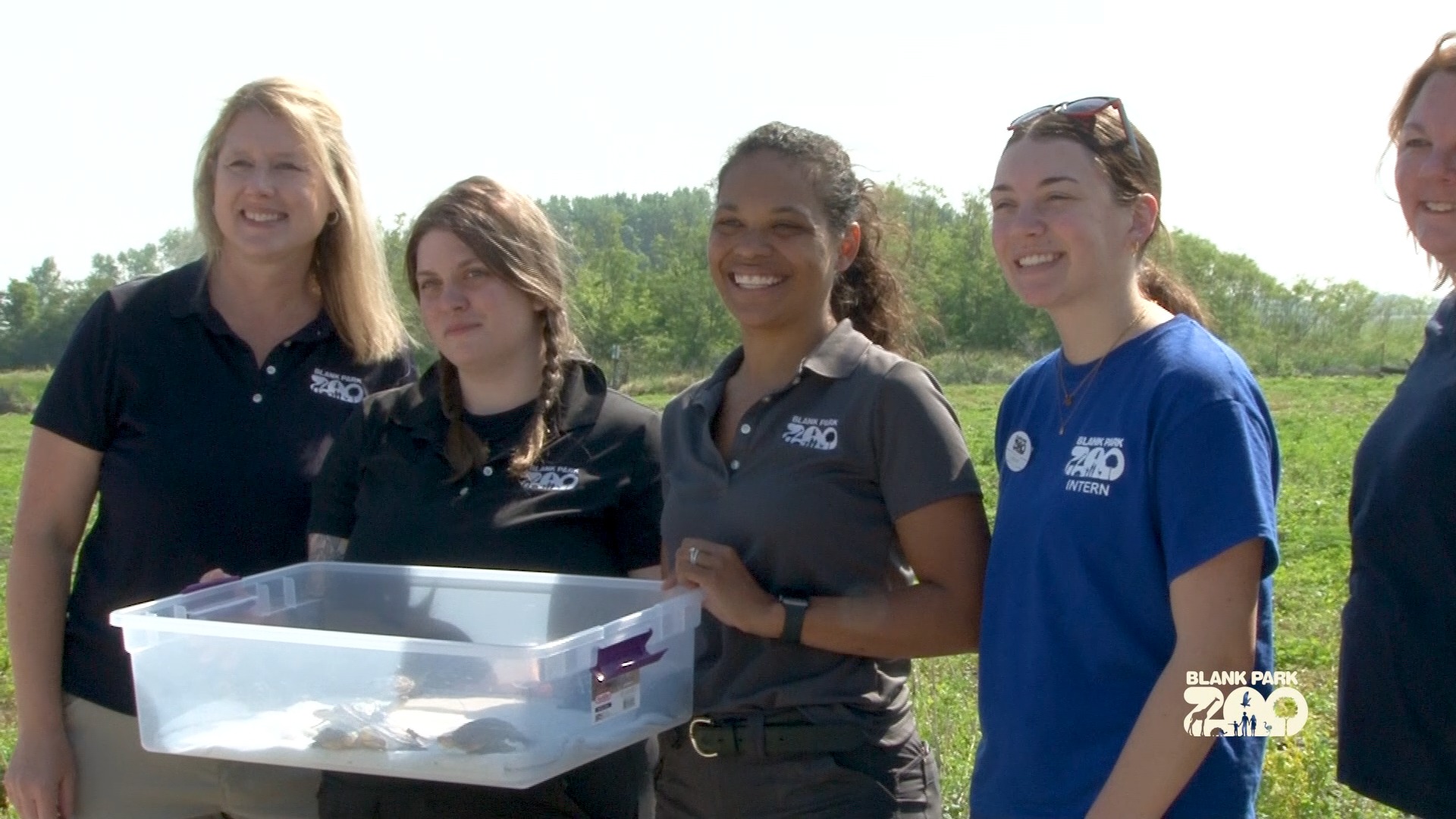
Through dedicated efforts, we successfully released 56 Blanding’s turtles back into a suitable natural habitat. Each turtle is tagged and monitored through radio tracking to assess their adaptation in the wild, allowing conservationists to gain insights into their movement patterns and survival rates. This tracking system is essential for understanding how released turtles are faring and provides valuable data for future conservation strategies.
Collaboration plays a key role in wildlife conservation efforts. The recent release of the Blanding’s turtles was made possible through a partnership with the Iowa Department of Natural Resources and Iowa State University. Working together, these entities combine their expertise, resources, and networks to tackle the challenges facing local wildlife. Such partnerships are crucial for knowledge sharing and advancing conservation science. They also foster community involvement by raising awareness about endangered species and their habitats, encouraging a culture of environmental stewardship among local populations.
The Association of Zoos and Aquariums (AZA) plays a significant role in the broader initiative known as the SAFE (Saving Animals From Extinction) Turtles program. This program focuses on targeted conservation efforts for turtle species that are threatened or endangered worldwide. By collaborating with accredited zoos, universities, and various stakeholders, the AZA provides a platform for sharing best practices, research, and resources to enhance conservation efforts. Their structured approach reflects a commitment to ongoing learning and improvement in species recovery efforts.
Efforts like the Blanding’s turtle release in Iowa extend beyond lives saved; they signify a movement toward ecosystem rehabilitation. Protecting these turtles contributes to the recovery of wetland areas and aquatic ecosystems, which are vital for numerous other species. Maintaining the delicate balance of these habitats ensures healthier environments for both wildlife and humans. Programs focusing on habitat restoration complement species-specific conservation initiatives, promoting a holistic approach to environmental protection.
Ongoing research and data collection surrounding the Blanding’s turtles are vital to understanding their specific needs and behaviors. Conservationists analyze various factors, such as habitat preferences, diet, and reproductive patterns, to inform future practices. Implementing adaptive management strategies based on this research guarantees that conservation efforts evolve alongside changing environmental conditions.
The release event serves as a reminder of the interconnectedness of natural ecosystems. A successful rehabilitation effort transcends individual species; it encompasses entire communities of flora and fauna. By restoring Blanding’s turtle populations, we are indirectly supporting other organisms that share their habitats. Each turtle released is a step toward a more balanced ecosystem.
Public engagement is also critical in fostering a sense of responsibility for wildlife conservation. Initiatives like this release help educate the community on the importance of native species and their habitats. Outreach programs, workshops, and partnerships with local schools are avenues for raising awareness and encouraging involvement. By inspiring community members to take part in conservation efforts, we invest in a culture of ecological mindfulness that can have lasting impacts.
Looking to the future, continued support for initiatives addressing habitat conservation, pollution control, and community education will be essential. The success of the Blanding’s turtle project provides a model that can be replicated for various species across Iowa and beyond. Strategies that integrate habitat protection with species recovery are paramount for fostering resilient ecosystems capable of withstanding environmental pressures.
Investing in technology can further enhance conservation efforts. Advances in tracking technology, such as GPS and remote sensing, can improve monitoring and data collection procedures. This information supports dynamic conservation strategies tailored to address the specific challenges facing particular species. Continuous innovation will play a critical role in ensuring effective wildlife management practices can be implemented in ever-changing environmental conditions.
The successful release of these Blanding’s turtles is a testament to the potential success of conservation efforts fueled by collaboration and science. By merging resources and knowledge, scientists, researchers, and conservationists can create effective solutions that leave lasting impacts. The initiative serves not only as a beacon of hope for Blanding’s turtles but also sets a precedent for effective wildlife conservation strategies.
Maintaining and enhancing Iowa’s natural resources will require unwavering commitment and collaboration among state agencies, academic institutions, and communities. Engaging citizens in conservation actions—whether through volunteering, informing themselves about local wildlife, or advocating for habitat protection—will be vital to ongoing efforts. Each individual can contribute to the collective movement for conservation, ensuring a thriving future for species like the Blanding’s turtle.
Creating a nurturing environment for wildlife helps cultivate a sense of care and responsibility within communities. It emphasizes the shared value of every species in our ecosystem, highlighting the significance of biodiversity. As we move forward, we must continue fostering community involvement and support for conservation initiatives. Together, we can protect and restore native wildlife, paving the way for a sustainable future enriched with human and environmental harmony.
*****
Source Description
This week, we took a major step forward for native wildlife conservation in Iowa. 🐢
In partnership with the Iowa Department of Natural Resources and Iowa State University, we helped release 56 Blanding’s turtles into the wild, giving this threatened species a fighting chance at survival. Blanding’s turtles are a threatened species in Iowa. Through collaboration and conservation, we’re helping ensure their future.
These turtles were part of a head-starting program, where they hatched safely at the Zoo and were raised under expert care before being returned to their natural habitat. The project is a part of the Association of Zoos and Aquariums’ SAFE (Saving Animals From Extinction) Turtles program.
