
- The significance of stargazing and public engagement in astronomy.
- The impact of weather conditions on stargazing events.
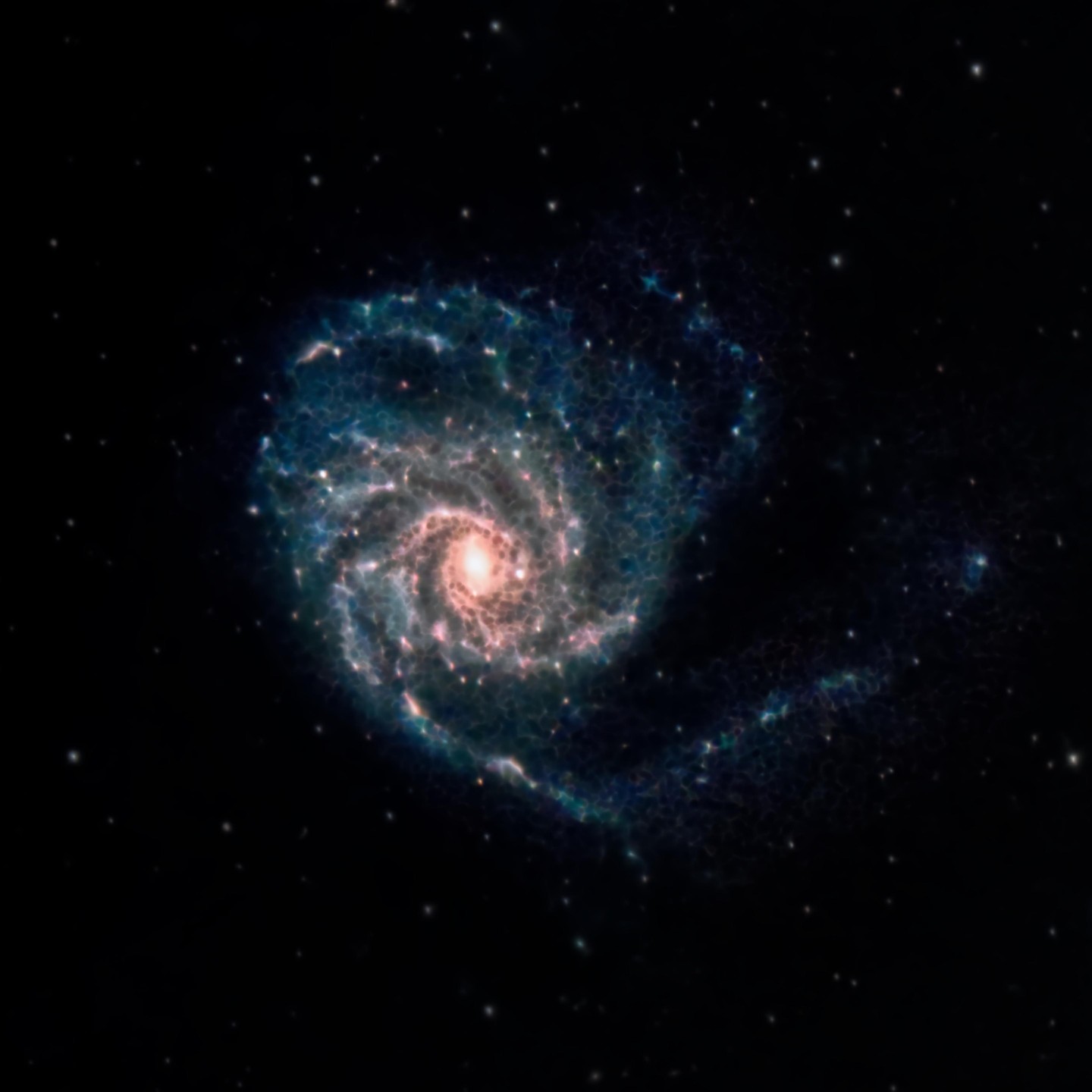
- The Pinwheel Galaxy: characteristics and features.
- Future stargazing events and planning.
- The importance of conservation efforts in astronomy-related activities.
Stargazing serves as a connectivity tool between humans and the cosmos. Public events, such as the widely anticipated Starry Safari scope viewings, provide an opportunity for communities to come together, ignite interest in astronomy, and foster a greater appreciation for the universe. Such gatherings enhance public engagement, particularly for those who may otherwise lack access to astronomical resources. Stargazing participants often leave events with a newfound curiosity about celestial phenomena, making these programs vital for inspiring future generations of scientists and astronomers.
Weather conditions significantly influence the overall experience of stargazing events. Clear skies present ideal viewing opportunities, allowing enthusiasts to witness galaxies and other celestial bodies in magnificent detail. In contrast, adverse weather—such as cloud cover—can lead to cancellations or reduced visibility. Such was the case with tonight’s forecast, which has forced the cancellation of the Starry Safari scope viewing. When cloudy nights render celestial observation impossible, organizers look forward to future events, hoping for better conditions. The anticipation of clearer skies can be part of the excitement, drawing individuals back into the field repeatedly.
One prominent celestial feature that enthusiasts often seek out during these events is the Pinwheel Galaxy, also known as M101. Located approximately 21 million light-years away in the constellation Ursa Major, this spiral galaxy is an intriguing subject for astronomers and casual stargazers alike. The galaxy spans roughly 170,000 light-years in diameter and is characterized by its well-defined spiral arms adorned with bright clusters of stars and nebulae. The Pinwheel Galaxy is one of the brightest galaxies in the night sky, making it a suitable target for amateur astronomers equipped with the right telescopes.
Next scheduled stargazing events provide a chance for participants to continue their astronomical exploration. The upcoming event on Friday the 13th is an excellent opportunity for enthusiasts to prepare for a successful night of observation. Planning for such events includes ensuring that equipment is in good working order and that attendees are informed about the key celestial objects to observe. Enthusiasts should also be encouraged to bring items such as blankets, chairs, and refreshments to enhance their stargazing comfort. Engaging participants with hands-on activities, like learning to navigate the night sky, can add dimension to the experience.
Conservation is essential, not just in animal habitats but also in the preservation of dark skies for optimal astronomical observation. Light pollution poses a significant threat to the visibility of celestial bodies and detracts from the stargazing experience. Education about the importance of dark skies is growing, with many organizations advocating for reduced light pollution through various initiatives. Educators can emphasize how light pollution affects both the environment and the ability to observe celestial phenomena. By promoting awareness of this issue during stargazing events, participants can become advocates for both sky preservation and ecological balance.
The anticipation surrounding future Starry Safari scope viewings presents numerous opportunities for continued engagement in both stargazing and conservation. Such events not only serve as a platform for getting acquainted with astronomy but also encourage discussions about the role of the universe in our ecological and existential understanding. Each new viewing event allows for ongoing community connection, establishing a cycle of observation, education, and care for the natural world.
In sum, public engagement in astronomy has lasting effects on individual curiosity and community building. Events like the Starry Safari scope viewing provide a framework for instilling a passion for both celestial observation and conservation. While weather conditions may dictate the success of each gathering, the potential for new discoveries fuels an enduring interest in the cosmos. Watching the Pinwheel Galaxy and other celestial wonders become accessible contributes to broadening knowledge about the universe and our place within it.
*****
Source Description
We will NOT have our STARRY SAFARI scope viewing tonight. With a forecast for a cloudy evening, we’ll hope for better luck on Friday the 13th, our next scheduled stargazing event! Maybe then we can get a glimpse of galaxies like the Pinwheel, captured at last Friday’s viewing.
