
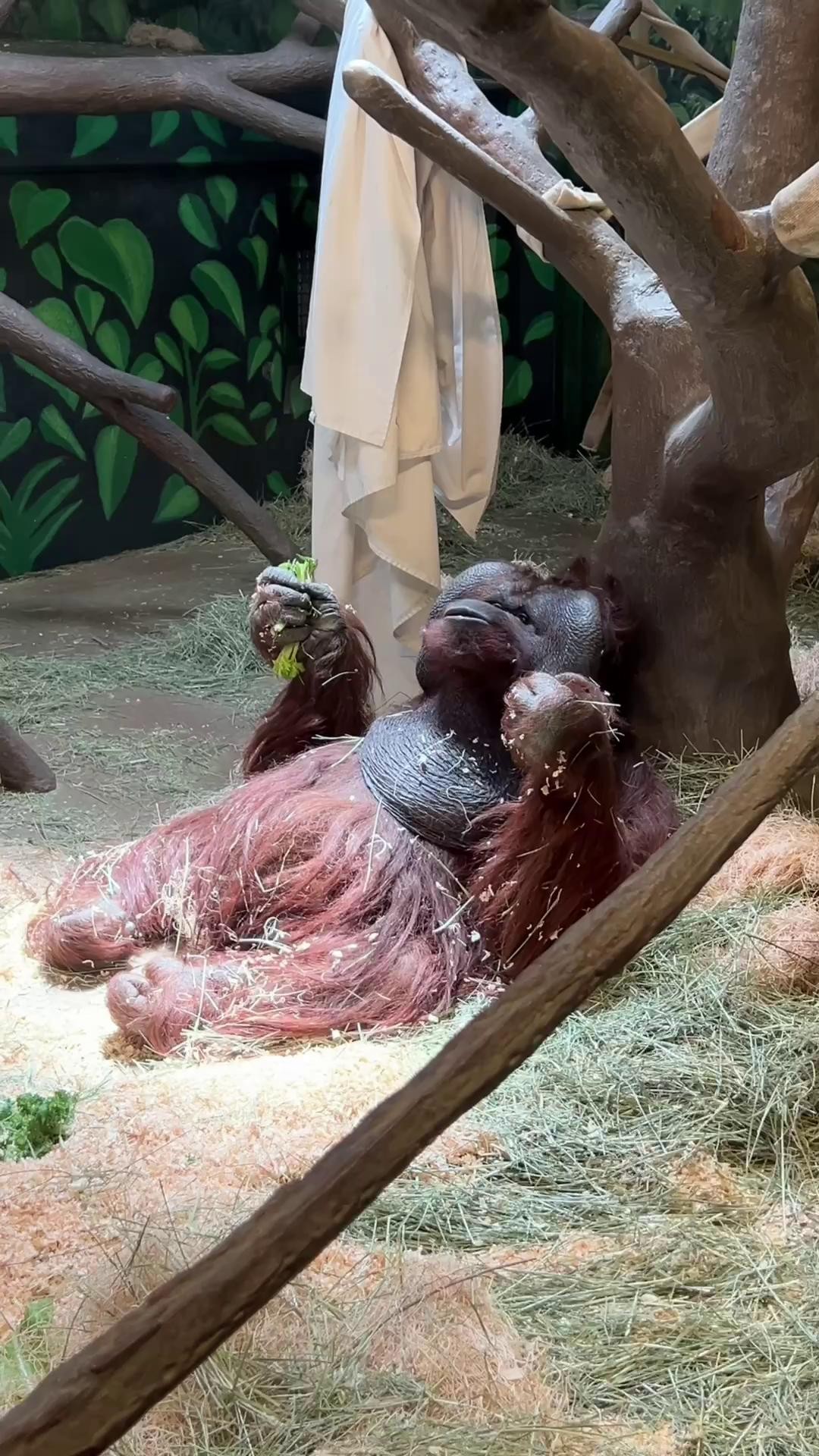
- Understanding Major Sunday Afternoon as an Artistic Representation
- The Impact of Artistic Interpretation on Wildlife Conservation
- The Role of Zoos in Educating the Public
- Strategies for Wildlife Conservation in Today’s Society
- The Future of Zoos and Animal Welfare
Major Sunday Afternoon is not merely a title; it encapsulates a multifaceted look at the relationships between humans and nature, blending art with deeper ecological themes. Inspired by the vibrant palette and dynamic composition typical of Impressionist works, Major Sunday Afternoon invites viewers into a visual narrative that reflects the beauty and fragility of wildlife. It serves as a reminder of the critical role art plays in communicating essential themes surrounding animal conservation and habitat preservation.
Art has long been utilized as a medium for social change. Major Sunday Afternoon exemplifies how creative interpretations of wildlife and natural settings can stimulate interest in conservation efforts. When laid out on canvas, themes such as habitat loss, endangered species, and even climate change come to life. The colors and forms chosen by the artist serve to engage viewers, motivating them to become advocates for animal welfare. Art can communicate complex issues more effectively than facts and figures alone, making it a pivotal tool in promoting conservation efforts.
Zoos play a vital role in educating the public about wildlife and the ecosystems these animals inhabit. Major Sunday Afternoon encourages interaction, pushing visitors to contemplate the significance of animal habitats and the need for preserving them. Through programs and initiatives, zoos can leverage artistic impressions to enhance visitor experiences. Guided tours that include art exhibits alongside animal enclosures can evoke emotional responses, pushing individuals toward action, such as supporting conservation initiatives or engaging in ecological education.
Understanding the intricacies of wildlife conservation takes both public awareness and informed action. Major Sunday Afternoon serves as a transformative piece, urging viewers to consider the broader implications of wildlife exploitation. Animal habitats are continuously threatened by urban development and climate change. Awareness campaigns, often visual in nature, can draw attention to these pressing issues, inspiring collective action.
Conservation strategies must adapt to the changing landscape, reflecting new research and societal needs. Art, including works similar to those found in Major Sunday Afternoon, can play a crucial role in shaping these strategies. By illustrating the beauty and diversity of wildlife, these artistic representations can incite a desire for protection and stewardship. Educational institutions, partnering with zoological organizations, can develop programs that include artists and conservationists working in tandem.
Moving forward, the future of zoos hinges on their ability to balance recreation with education and conservation. Major Sunday Afternoon highlights the necessity of changing perceptions surrounding zoos. They are not merely entertainment centers but crucial holding grounds for species at risk and platforms for raising awareness. Guided experiences that integrate art and conservation allow visitors to understand the significance of their actions.
Incorporating art into conservation is an approach that can revolutionize visitor experiences. Community workshops, art exhibitions, and even school programs can illustrate the interconnectedness of art and wildlife. Collaborations between artists and conservationists can lead to multi-dimensional learning experiences. Engaging art can help bridge the gap between science and the public, making complex concepts accessible and inviting.
As individuals become more aware, they also become more inclined to support conservation efforts. Major Sunday Afternoon can inspire people to consider their roles in wildlife protection beyond mere observation. There is a growing trend toward eco-tourism, emphasizing responsible travel that benefits wildlife and local communities. Art can frame these experiences, lending a deeper understanding of the cultural and ecological contexts involved.
The narrative brought forth by artworks like Major Sunday Afternoon can shift the conversation toward sustainability in wildlife management. It can spotlight not only the beauty of wild spaces but also the threats facing these environments. Calls to action can arise from emotional connections fostered by art, promoting sustainable practices within communities and among policymakers.
Engagement is a critical aspect of animal welfare initiatives. Major Sunday Afternoon can teach important lessons about the importance of biodiversity and the need for habitats to support various species. Engaging narratives can draw attention to specific causes, such as the importance of protecting rainforests and coral reefs. As individuals connect with these stories, they are more likely to support various forms of wildlife conservation.
Animal welfare is closely tied to public policy, and effective advocacy can lead to tangible change. Organizations dedicated to conservation can leverage the emotional pull of art for lobbying and public awareness campaigns. Major Sunday Afternoon exemplifies this by combining visual storytelling with urgency, compelling individuals to reconsider their interactions with wildlife.
In an era where information is readily available, visual art remains a powerful communicator. The emotions sparked by carefully constructed images can resonate with audiences and lead them to action. Major Sunday Afternoon thus acts as a catalyst for change, emphasizing that art can be a form of activism.
In the evolving landscape of wildlife conservation, the integration of diverse perspectives is paramount. Educating the next generation through artistic engagement can foster lifelong advocates for animal welfare. Programs that encourage creativity alongside traditional educational methods have the potential to nurture empathetic, informed individuals.
Collaborative efforts among scientists, artists, and local communities will shape future conservation strategies. Major Sunday Afternoon provides a framework for discussions about biodiversity and habitat conservation, pushing society toward collective efforts in wildlife preservation.
The impacts of climate change on ecosystems serve as a pressing reminder of the importance of protecting wildlife. Art can capture the essence of these challenges, illustrating the urgency for action in unforgettable ways. Major Sunday Afternoon offers ample opportunity for reflection on these pressing issues, guiding society to adapt and innovate.
Zoos, as custodians of biodiversity, can embrace artistic expression to reframe public perceptions. Art can be an entrance point to deeper discussions about conservation practices and animal rights. Whether through interactive exhibits, workshops, or public installations, the integration of art within zoological spaces can rejuvenate connections between audiences and wildlife.
In essence, Major Sunday Afternoon sparks vital conversations about conservation through creative expression. It provides a platform for education and engagement while challenging viewers to consider their responsibility toward the natural world. By merging artistic endeavors with conservation messaging, future initiatives can cultivate a greater appreciation for the diverse tapestry of life that shares our planet.
Understanding the complex relationships within ecosystems is an ongoing commitment for both individuals and institutions. Major Sunday Afternoon exemplifies how art can serve as a bridge between awareness and action, compelling audiences to invest their energy into the welfare of wildlife. The narrative established through visual storytelling can engage, educate, and inspire, paving the way for a more informed and proactive society dedicated to conservation.
*****
Source Description
Major Sunday afternoon ✨
