
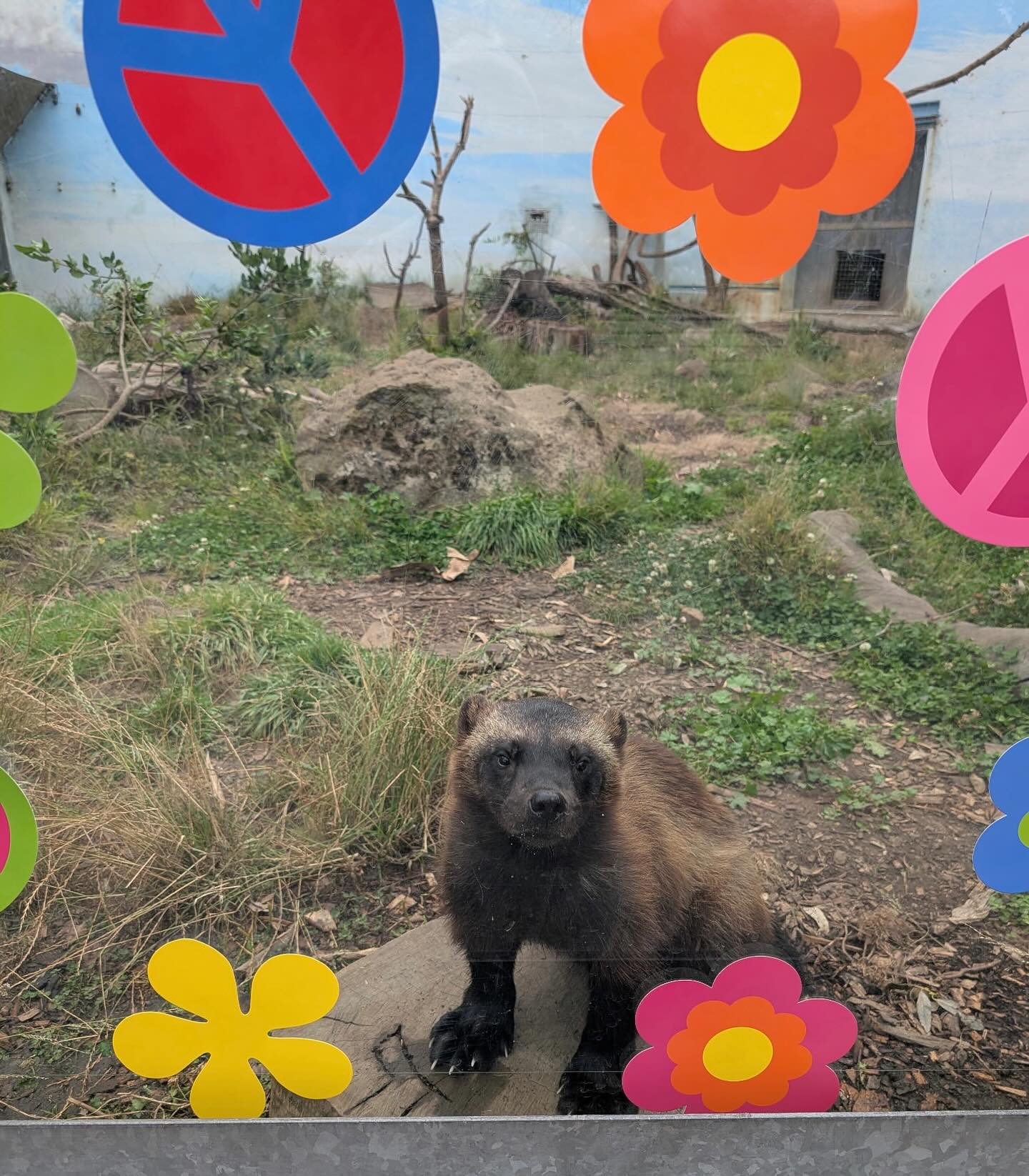
- The significance of the Grateful Dead and Dead & Company in music history.
- The cultural impact of the “flower power” generation on wildlife conservation.
- The relationship between music festivals and environmental awareness.
- Strategies for promoting biodiversity through community engagement.
- Future challenges and opportunities for wildlife conservation linked to cultural movements.
The Grateful Dead and its offshoot, Dead & Company, are iconic representations of a vibrant era in American music. Celebrating their 60th anniversary, they continue to evoke nostalgia and foster community. This band has not only provided a soundtrack for countless individuals but has also inspired a cultural movement centered around love, peace, and community. Their music, rich in improvisation and collective spirit, has influenced multiple generations. The legacy of the Grateful Dead extends beyond music, contributing to a larger conversation about social change and environmental stewardship in today’s world.
The “flower power” generation symbolizes the broader counterculture movement of the 1960s and 70s. This movement challenged societal norms, advocating for peace, love, and ecological awareness. The ethos of love and community has parallels with modern wildlife conservation efforts. As awareness grows regarding the impacts of human activities on fragile ecosystems, the lessons from the past are more relevant than ever. Many people involved in conservation efforts today are inspired by the philosophies promoted during this era.
Music festivals, like those celebrating the Grateful Dead, serve as platforms for environmental awareness. These gatherings attract diverse demographics, providing a unique opportunity to educate attendees about wildlife conservation. For instance, festival organizers increasingly incorporate eco-friendly practices, such as waste reduction and sustainable sourcing, into their events. By featuring conservation organizations and promoting ecological initiatives, these festivals amplify their potential for positive environmental impact. Attendees often leave not merely with memories of fantastic performances, but also equipped with knowledge and resources to engage in environmental stewardship.
The connection between music and conservation extends into community engagement strategies. Grassroots movements often emerge from local music scenes, creating networks that support biodiversity. When communities unite around a cause—be it protecting local habitats or promoting sustainable practices—their collective efforts can lead to significant positive outcomes. Music has the power to inspire action; thus, conservationists must harness this influence. By working closely with musicians and cultural figures linked to the flower power generation, these efforts can resonate with audiences, raising awareness about critical ecological issues.
Facilitating greater engagement in wildlife conservation requires addressing future challenges while leveraging opportunities for unique collaboration. As climate change accelerates and habitats become increasingly threatened, a multi-faceted approach is essential. The strategies must include not just scientific research but also community-driven initiatives. Partnerships between zoos, conservation organizations, and local artists can cultivate a greater appreciation for biodiversity. Exhibitions that incorporate live music can captivate audiences, effectively serving as a bridge between entertainment and education.
For example, zoos can host events featuring local musicians, creating an atmosphere that encourages discussion around wildlife issues. Such events can draw attention to crucial initiatives like habitat restoration and species protection. When participants see their favorite artists actively supporting these causes, it often fosters a deeper connection to the issues at hand. The integration of art and conservation can lead to innovative methods for communicating complex scientific ideas to the public.
One of the most pressing concerns in wildlife conservation is habitat loss. Urbanization and agricultural expansion have drastically altered ecosystems. Nevertheless, cultural movements inspired by the flower power generation can catalyze change. They emphasize the importance of green spaces and biodiversity, advocating for urban planning that prioritizes ecological health. Communities often rally around these initiatives, driven by the familiar themes of love and respect for nature.
Education is paramount for effective wildlife conservation. Informative campaigns that merge art and science can significantly impact public understanding of ecological issues. Artists can serve as powerful spokespeople, utilizing their platforms to share messages about endangered species or habitat conservation. Additionally, educational programs at zoos and wildlife centers can incorporate elements of music and art, creating an engaging learning atmosphere. This is particularly effective for young audiences, who may find scientific concepts more approachable through creative mediums.
The relationship between culture and environmental awareness is evolving. The ideals championed by the flower power generation continue to resonate with younger generations, but new challenges require innovative solutions. Climate change and resource depletion require urgent action, and cultural movements can play a role in laying the groundwork for community involvement. The adaptable strategies of the past must infuse today’s conservation efforts. People are more likely to contribute to causes they feel personally connected to, and cultural movements foster these connections.
Looking to the future, wildlife conservation must adapt to technological advancements and shifting societal values. Virtual platforms, which have gained popularity, can be leveraged to engage broader audiences. Webinars, live-streaming performances, and educational programs offer a unique way to spread awareness about critical environmental issues. Collaboration among conservation organizations and artists can amplify this reach, fostering an inclusive dialogue about biodiversity and ecological protection. This intersection of technology, culture, and conservation can inspire a new generation of advocates empowered to protect the environment.
To further support conservation, fostering relationships with community stakeholders is vital. Local businesses, residents, and advocacy groups can work together to develop initiatives that fit their unique contexts. Incentivizing participation, such as through volunteer programs or community events centered around music and art, encourages sustained involvement. Collaborating with culturally relevant figures can help demystify conservation science and improve public perception.
Empowering communities to engage with wildlife conservation also involves recognizing the importance of indigenous knowledge. Indigenous communities often possess profound insights into local ecosystems. Their time-honored practices of land management and conservation should inform modern discussions surrounding biodiversity. By integrating these perspectives, conservation efforts can become more inclusive, effective, and sustainable.
To summarize, celebrating the legacy of the Grateful Dead and the flower power generation serves as an opportunity to reflect on the cultural movements that shaped environmental consciousness. The messages of love, peace, and community engagement have a critical role in contemporary wildlife conservation. By uniting diverse audiences through music and art while prioritizing education and engagement, we can acknowledge the past while forging a path toward a more sustainable future. The spirit of the flower power generation can inspire collective action, advocating for the environment and promoting wildlife conservation in profound and meaningful ways.
*****
Source Description
Here’s to the flower power generation! We had a great time celebrating the Grateful Dead/Dead and Company all weekend long! Congrats to one of San Francisco’s most iconic bands in their 60th anniversary!
