
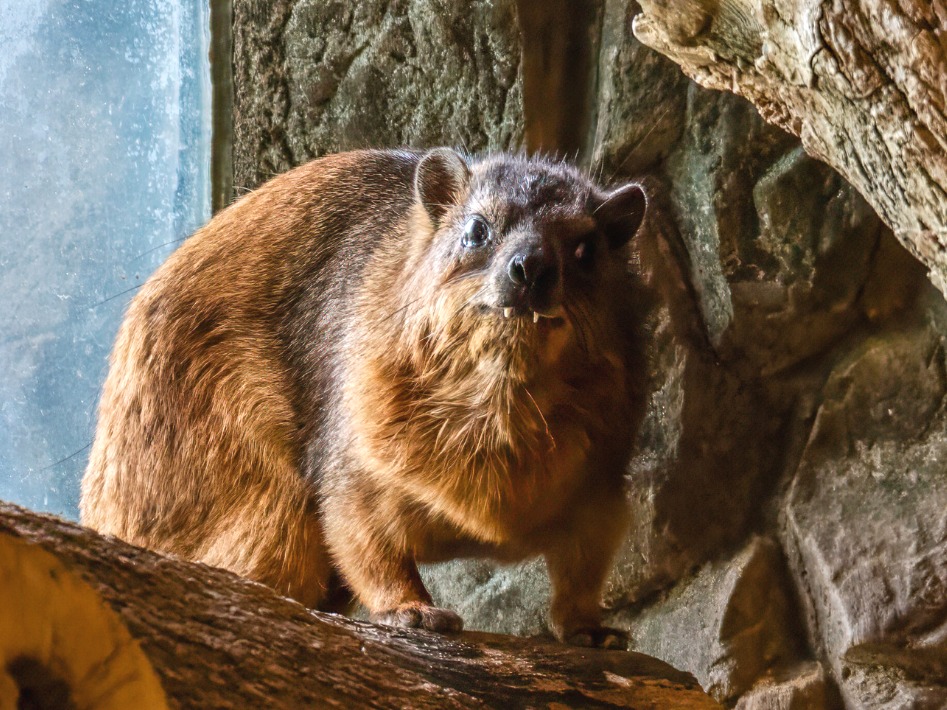
- The fascinating biology and evolution of tusks in various animal species.
- The role of tusks in social behavior and communication.
- The challenges tusked animals face due to human activities.
- Conservation efforts aimed at protecting tusked species.
- Understanding the importance of empathy in wildlife conservation.
Tusks are elongated, continuously growing teeth that serve various purposes in the animal kingdom. Found in species such as elephants, walruses, and even certain species of wild boars, these prominent features often evoke mixed reactions from humans. While some individuals may view them as indicators of strength and ferocity, others prefer to see a softer side. The phrase “I’m trying to look intimidating with these tusks, but everyone just keeps saying ‘aww'” captures the comedic contrast between an animal’s fierce appearance and the perceptions they evoke in people.
Examining the biology and evolution of tusks reveals their origins and functions. Tusks are primarily composed of dentin, the same material found in human teeth, and are often covered with enamel. Different species utilize tusks for specific purposes. Elephants, for instance, use their tusks for digging, uprooting trees, and wrestling with other elephants, helping them assert dominance and navigate their environments effectively. The walrus relies heavily on its tusks for maintaining social hierarchies, defending territory, and breaking through ice. This showcases how evolution has equipped these animals with physical traits that enhance their survival and social interactions.
The interplay between tusks and social behavior is particularly noteworthy. Many tusked species exhibit rich social structures wherein tusks play a pivotal role. In elephant herds, a matriarch often leads the group, her tusks symbolizing age and experience. Younger males may engage in mock battles to display their growing physical prowess, using their tusks as tools to test each other’s strengths without causing serious harm. In walrus colonies, males compete for access to females, and larger tusks are often seen as a sign of fitness. As such, tusks are a crucial aspect of both individual identity and broader social interactions.
Despite these vital roles, tusked animals face significant challenges as a result of human activities. Habitat destruction, poaching for ivory, and climate change significantly threaten their populations. Elephants are particularly vulnerable, with illegal poaching driven by the demand for ivory leading to severe declines in their numbers. This situation emphasizes the critical need for robust conservation strategies that protect both tusked species and their habitats. Various organizations and governments are implementing measures to combat poaching and promote sustainable practices, but ongoing support is vital for the long-term success of these initiatives.
In addition to policy and enforcement, there’s a growing recognition of the importance of empathy in wildlife conservation. Understanding the emotional and social complexities of tusked animals fosters a deeper connection between humans and wildlife. Education plays a key role in this. Initiatives that invite people to learn more about the vulnerabilities of tusked species encourage advocacy and support for conservation efforts. Viewing elephants simply as majestic creatures with tusks may not capture the entirety of their existence. This perspective can instead promote understanding that fosters protection and respect.
Community engagement is crucial in biodiversity conservation. Local populations often have the most knowledge about the species and ecosystems around them. Through collaboration, authorities can develop conservation policies that honor local customs and practices. Empowering communities may lead to improved outcomes for tusked species. Informing people about the ecological roles these animals play can shift perspectives from seeing them as mere sources of ivory to recognizing them as integral components of healthy ecosystems.
Global conservation efforts must keep pace with the scale of threats against tusked species. Creating wildlife corridors and protected areas is essential, providing safe havens for animals needing space to roam and reproduce. Increased funding for wildlife reserves and anti-poaching units helps to combat the root issues threatening these creatures. Additionally, responsible tourism that respects wildlife habitats can generate revenue for conservation and raise awareness about the challenges faced by tusked animals.
Efforts to replace lost habitats are equally important. Restoration programs that aim to rehabilitate ecosystems are essential in providing tusked animals with the environments they need to thrive. Such programs can invigorate local flora and fauna, creating biodiverse environments where tusked species can coexist harmoniously with other wildlife.
Practical measures that address climate change’s effect on wildlife are crucial. Understanding how changing temperatures and weather patterns impact tusked species enables more targeted conservation strategies. For example, elephants must often migrate long distances to find food and water. If climate change disrupts these patterns, they risk losing access to crucial resources. Therefore, comprehensive climate action, combined with targeted conservation, is necessary to protect these fascinating creatures.
Additionally, scientific research plays a vital role in conservation strategies. Studying the social dynamics and behaviors of tusked animals provides insights into their needs and vulnerabilities. This knowledge can inform management practices that support their populations. For example, understanding how elephants communicate can lead to better strategies for reducing human-elephant conflicts, ultimately benefiting both parties.
Through effective outreach and educational campaigns, people can become advocates for tusked animals. Engaging storytelling can highlight their struggles and triumphs, fostering compassion and action. Empathy may drive individuals to become stewards of wildlife, generate funding for conservational efforts, and participate in advocacy initiatives that protect these species.
The phrase “I’m trying to look intimidating with these tusks, but everyone just keeps saying ‘aww'” humorously encapsulates the irony faced by animals conveying strength and vulnerability simultaneously. Such perceptions reflect humanity’s complex relationship with wildlife and emphasize the importance of understanding and respecting the living beings we share the planet with. The conflicting interpretations highlight the need for education and empathy in wildlife conservation efforts.
In summary, tusked species offer a plethora of insights into biology, evolutionary adaptation, social structure, and conservation challenges. They represent the intersection of strength and vulnerability in the natural world, reminding us of the importance of environmental stewardship. The call to respect and protect these unique creatures must resonate across global communities to ensure their survival for generations to come.
*****
Source Description
I’m trying to look intimidating with these tusks, but everyone just keeps saying “aww.” It’s honestly exhausting being this fierce and this compact at the same time.
