
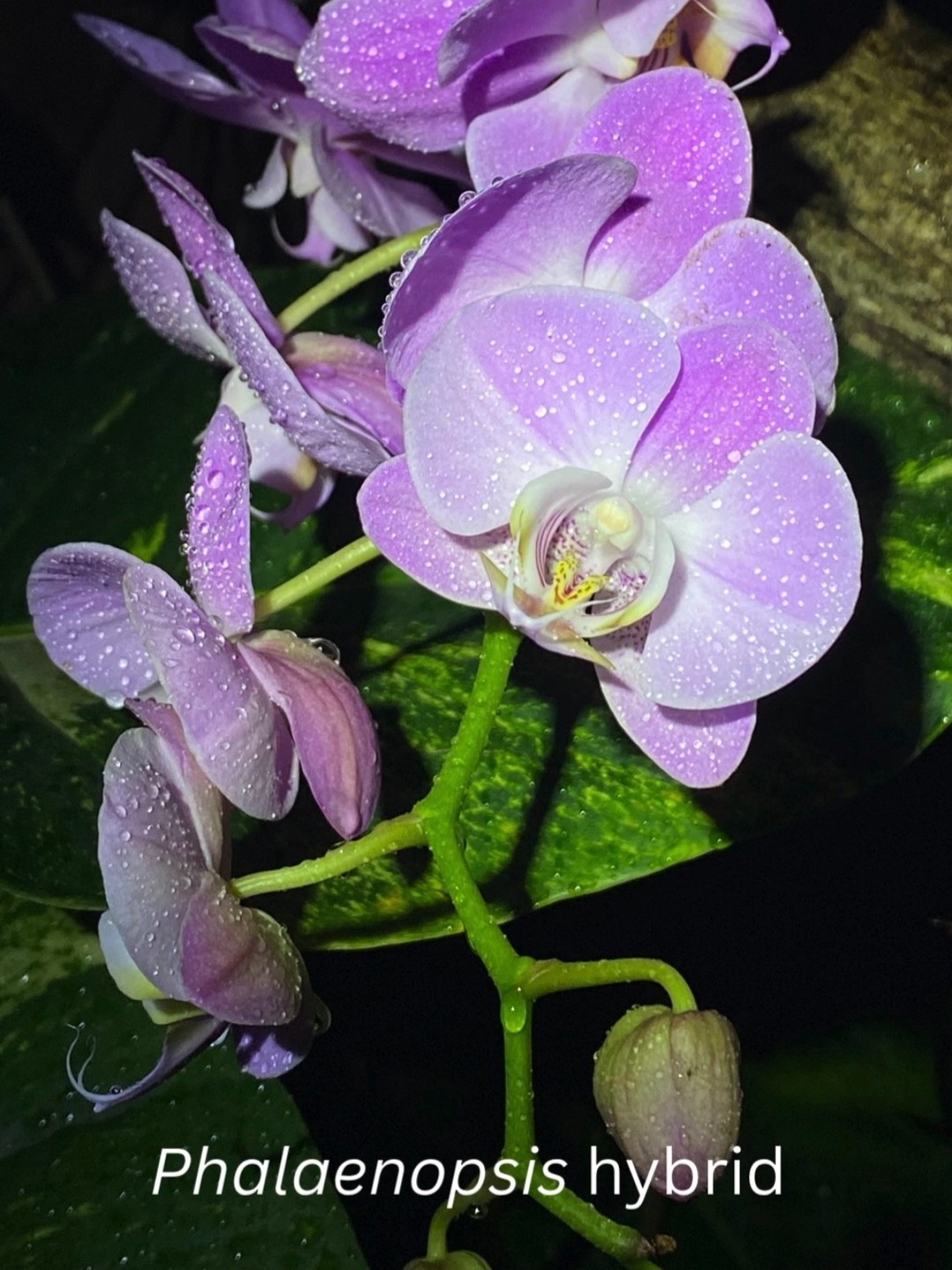
- World Orchid Day and Its Significance
- Diversity of Orchid Species
- Ecological Importance of Orchids
- Orchid Adaptations and Habitat
- Conservation Challenges and Efforts
World Orchid Day serves as a vibrant reminder of the diversity and ecological significance of orchids. These plants belong to one of the largest families in the plant kingdom, Orchidaceae, which encompasses over 25,000 species. Found in various habitats, orchids adapt remarkably well, giving rise to rich biological diversity. Celebrating this day allows us to appreciate the many contributions of orchids to both ecosystems and human culture.
Orchids are not simply one type of plant but instead a vast array of species, each with unique characteristics and growing conditions. This family offers remarkable variety, including terrestrial, epiphytic, and lithophytic orchids. For instance, epiphytic orchids, such as the popular Phalaenopsis, grow on trees, drawing nutrients from the air and rain. Terrestrial orchids, like the Lady’s Slipper, thrive on the ground, often in shaded or damp environments. Lithophytic orchids cling to rocky surfaces, making use of minimal soil. Such diversity indicates not only the adaptability of orchids but also their crucial roles in their respective environments.
The ecological importance of orchids cannot be overstated. They have co-evolved with numerous pollinators, including bees, butterflies, and birds. This symbiotic relationship ensures the continuation of both the plants and their pollinators. For instance, the intricate shape and color of certain orchids attract specific pollinators, facilitating efficient pollen transfer. Many orchids produce unique fragrances that lure pollinators, enhancing reproductive success. This interaction is vital for maintaining biodiversity within ecosystems, demonstrating how orchids support entire networks of life.
In addition to their role in pollination, orchids contribute to habitat integrity. The presence of these plants often encourages other species to thrive, promoting a balanced ecosystem. Orchids provide shelter and food for various organisms. Their roots serve as a substrate for other plants and microorganisms, further enhancing soil quality and promoting nutrient cycling. In many tropical regions, where orchids are most abundant, they contribute significantly to forest health. Their complex relationships within ecosystems cannot be overlooked.
Orchid adaptations are remarkable, allowing their survival in a wide range of habitats. Many orchids exhibit specialized traits that facilitate growth in challenging conditions. For example, the presence of mycorrhizal fungi is essential for seed germination in many terrestrial species. This relationship aids in nutrient uptake, a critical factor in environments where nutrients may be scarce. Additionally, orchids often possess specialized structures such as pseudobulbs and tubers, which store water and nutrients to help the plants endure dry periods.
The habitat of orchids varies greatly, from tropical rainforests to temperate woodlands. In tropical climates, orchids often grow in the canopy, utilizing tree branches for support and crowding out other plants to access sunlight. Temperate orchids may be found in forest understories, thriving in partial shade. The adaptability of these plants allows them to occupy numerous ecological niches, showcasing the resilience of the orchid family.
Despite their beauty and environmental importance, orchids face significant conservation challenges. Habitat destruction, climate change, and overcollection pose grave threats to many orchid species. Deforestation for agriculture and urban development results in the loss of suitable habitats, contributing to declines in orchid populations. Additionally, climate change alters precipitation patterns and temperatures, affecting the delicate balance that orchids and their pollinators rely upon. Overcollection for ornamental purposes jeopardizes many wild species, leading to a decline in genetic diversity.
Conservation efforts are crucial for protecting these invaluable plants. Numerous organizations focus on habitat preservation, sustainable practices, and educating the public about orchids. Protected areas such as national parks and reserves serve as important sanctuaries for various species. Cultivation and propagation programs help reintroduce orchids into their native habitats, offering hope for endangered varieties. Researchers also explore ways to develop hybrid orchids that can be cultivated more sustainably, lessening the pressure on wild populations.
The intricate world of orchids is not only fascinating but also imperative for understanding biodiversity and ecosystem health. By appreciating the diverse species within the orchid family, we can better grasp their ecological roles and take steps to ensure their survival. Sharing knowledge about these plants fosters a sense of stewardship, encouraging actions that protect and preserve orchids for future generations.
Participation in World Orchid Day reminds us of the beauty and complexity of orchids. By exploring their diversity, ecological significance, adaptations, and the challenges they face, we can gain a deeper understanding of their role in nature. Orchids illuminate the interconnectedness of life, reminding us of the responsibility we hold in maintaining the health of our environment. Make an effort to celebrate these extraordinary plants, recognize their ecological functions, and advocate for their conservation.
*****
Source Description
🌸 Over 25,000 species. One extraordinary plant family.
Today is World Orchid Day, and we’re celebrating in the Lied Jungle, home to more than 100 orchid species. Some grow perched on tree branches, others root into the forest floor, a
few cling to bare rock. Orchids have figured out how to thrive basically everywhere.
They’re also ecological powerhouses, co-evolving with pollinators over millions of years and supporting whole ecosystems in the process.
Where orchids thrive, forests thrive. 🌿 Come see them for yourself.
📸 by Jessica, Horticulturalist
