
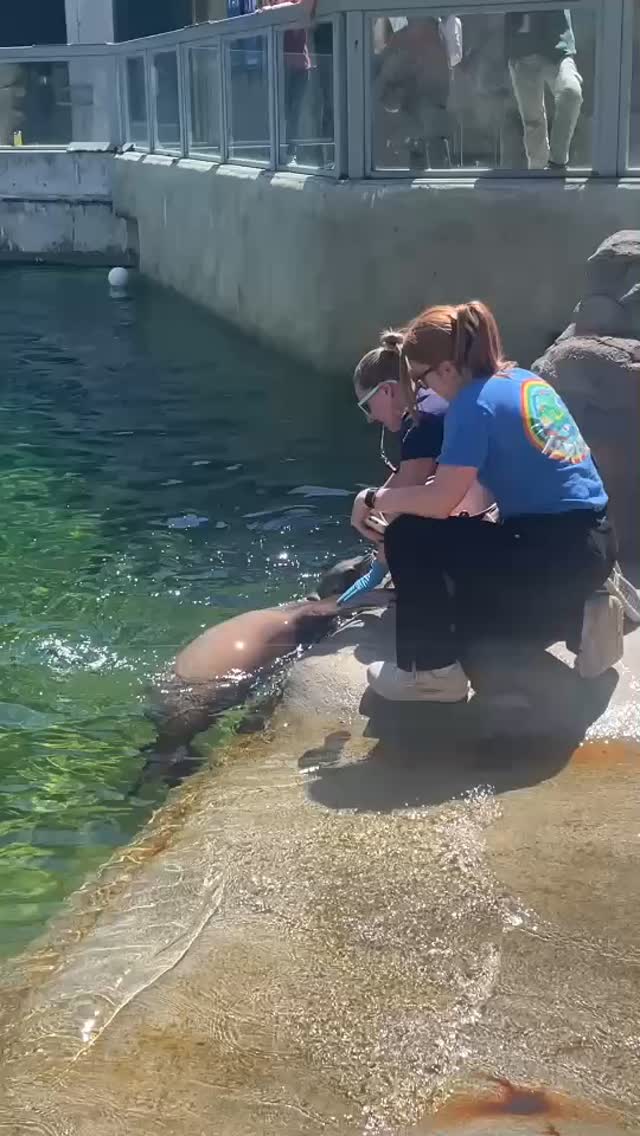
- Matia’s early rescue and the impact on her development
- The role of positive reinforcement in voluntary medical care
- Importance of stress-free healthcare for animals in captivity
- Contributions to veterinary science and animal wellbeing
- Broader implications for wildlife conservation and zoo management
Matia’s story begins with her mother’s rescue in 2004. Pregnant and unable to care for herself, Matia’s mother was taken under the care of a dedicated team of keepers and veterinarians. This early intervention played a crucial role in shaping Matia’s life and health. The circumstances of her mother’s rescue highlight the challenges faced by wildlife, often exacerbated by environmental and human pressures. Providing immediate care during such pivotal moments can significantly affect both immediate and long-term outcomes for species conservation.
The journey from rescue to thriving animal involves comprehensive care and management strategies. For Matia, the assistance of expert veterinarians and her keepers ensured that she had the best start possible. This foundation highlights the critical role of professional intervention in wildlife rescue operations. The expertise required to address the needs of rescued animals involves a deep understanding of zoology and animal behavior, underscoring the importance of education and training in these fields.
Positive reinforcement training has become a cornerstone of modern zoo management and animal care. For Matia, this training method fosters a collaborative environment where she actively participates in her medical care. Gone are the days when handling animals for routine check-ups required stress-inducing methods such as anesthesia. With positive reinforcement, animals are empowered to engage willingly, reducing stress and improving their wellbeing.
The practice involves rewarding animals for desired behaviors, building trust and association with routine procedures. Through consistency, Matia has learned to calmly present her side for ultrasound exams. This interaction not only supports physical health monitoring but also contributes to her mental stimulation and engagement. The use of positive reinforcement thus plays a dual role in promoting physical and psychological health for animals in captivity.
Incorporating stress-free healthcare practices for animals is not merely about convenience. It’s an essential aspect of animal management that positively impacts the quality of life for the creatures under human care. Traditional methods involving restraint and anesthesia come with their own sets of risks and stressors, which can adversely affect an animal’s health.
For captive animals, frequent health monitoring is paramount. The ability of Matia’s veterinary team to conduct stress-free ultrasound exams means that her health status can be assessed regularly and efficiently. This ongoing assessment allows for early detection of potential health issues, ensuring prompt treatment and better outcomes. Stress-free medical routines function as a preventative measure, keeping animals healthier and extending their lifespans.
The adoption of such techniques also yields significant contributions to veterinary science. By reducing the need for anesthesia, these practices decrease the associated health risks and recovery times. Animals like Matia serve as models for refining medical procedures that have broader applications across various species. As zoo and wildlife management continues to advance, these learnings enrich our understanding and capabilities in animal healthcare.
Additionally, Matia’s story underscores the importance of dedication and innovation in enhancing animal welfare. Her ability to voluntarily participate in ultrasounds exemplifies the strides made in animal care, reflecting the expertise and commitment of her care team. Each interaction represents a step forward in refining animal management practices, contributing to the ever-expanding knowledge base of veterinary and zoological sciences.
The implications for wildlife conservation are vast. Lessons learned from animals in captivity can inform strategies to care for wild populations. Whether through insights into behavior, health management, or conservation breeding, the experiences of zoo animals like Matia can provide valuable data to support broader ecological initiatives.
Zoo management plays a pivotal role in conserving endangered species and educating the public. By showcasing best practices in animal welfare, zoos can inspire and inform conservation efforts globally. The collaborative environment fostered through positive reinforcement training enhances public perception and understanding of wildlife conservation goals.
Matia’s journey from rescue to a life of active participation in her healthcare reflects the profound impact of expert care and innovative management practices in the field of zoology and wildlife conservation. Her story provides insights into the multi-faceted approach required to care for captive animals and the broader implications these practices have in preserving biodiversity.
*****
Source Description
Matia was born in 2004 to a mother who was rescued while pregnant and unable to care for her. With the help of her dedicated keeper team and veterinarians, Matia has learned to voluntarily participate in her own medical care, including routine ultrasounds. Through patient, positive reinforcement training, Matia now calmly presents her side for ultrasound exams, with no anesthesia required. This not only reduces stress but allows our veterinary team to monitor her health more frequently and with greater ease. Voluntary participation in medical procedures is a key part of our commitment to exceptional animal wellbeing. Great work, Matia and team!
