
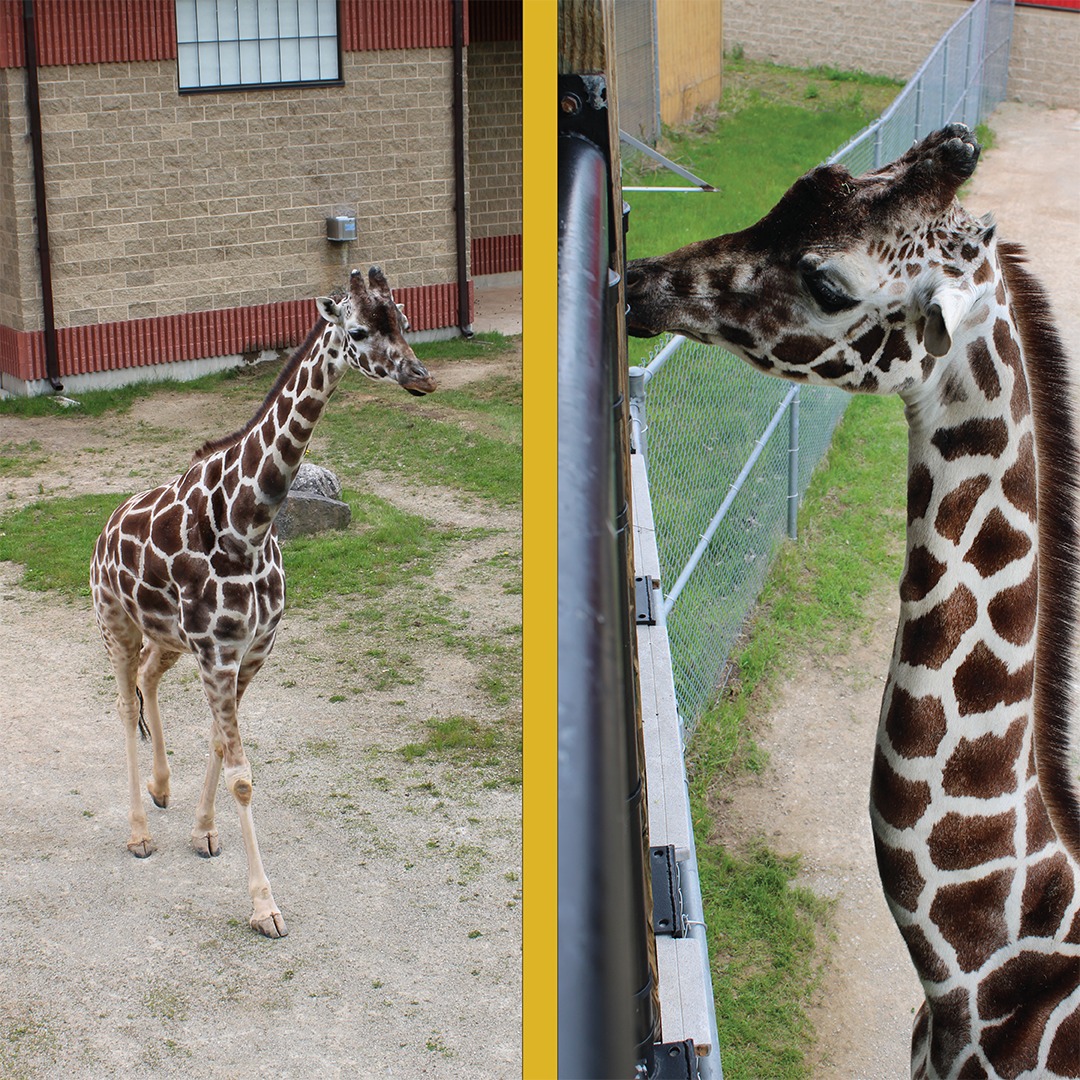
- The majestic anatomy of giraffes and their specialized tongues.
- The role of zoos in wildlife conservation and education.
- Engaging interactions in zoo environments like the Giraffe Feeding Experience.
- The importance of sustainable practices in zoo management.
- Contributions of individual organisms like Zuri to biodiversity and conservation awareness.
Giraffes are a remarkable testament to nature’s creativity. Their anatomy is crafted for survival in their native environments. Giraffes possess a long neck, which, along with their unique tongues, allows them efficient access to leaves high in trees. This adaptation provides them a crucial advantage in the wild. Their tongues, measuring around 18 to 20 inches, are prehensile and covered in papillae. This unique feature helps them maneuver around thorns to snag delicious leafy greens. The tongue’s dark color is due to melanin, which may protect it from sunburn during long hours of browsing.
In zoos, giraffes like Zuri offer invaluable opportunities for observation and learning. The Giraffe Feeding Experience enhances visitor engagement by enabling direct interactions. This experience is not only delightful but significantly educational. Visitors witness the giraffe’s feeding mechanics and the importance of preserving such distinct creatures. Through initiatives like this, zoos play a pivotal role in wildlife conservation. They offer a controlled environment where endangered species can be bred and studied, contributing vital data to global conservation efforts. Zoos also prioritize education, fostering a connection between people and wildlife that inspires empathy and action.
Responsible zoo management is integral to these efforts. Sustainable practices such as habitat enrichment and dietary adaptations ensure well-being. Moreover, zoos increasingly aim to mimic natural habitats to provide physical and mental stimulation. They also implement breeding programs for at-risk species, contributing to biodiversity conservation. Effective zoo operations align with international conservation goals, promoting awareness and understanding among their visitors. Educating the public about the significance of every species in the ecosystem, including giraffes, is crucial for fostering global environmental stewardship.
Zuri’s playful demeanor and the public’s fascination with her highlight the important role individual animals play in conservation outreach. Her presence at the zoo illuminates the diversity within the giraffe species and underscores the reality of species at risk from habitat destruction and poaching. Awareness ultimately leads to activism. Encouraging conservation-friendly behaviors among zoo visitors can translate into broader environmental stewardship. Over time, these experiences instill a conservation ethic, teaching visitors about the impact of their actions on wildlife and ecosystems worldwide.
A commitment to interactive and educational experiences like those provided by zoos can enhance public understanding and appreciation. Awareness is crucial to global efforts in preserving biodiversity and ensuring the safety of many species facing threats in their natural habitats. Giraffes represent a bridge to broader conservation themes, demonstrating the interconnectedness of all life. This awareness strives for a shared responsibility in safeguarding our planet’s future.
*****
Source Description
Zuri simply can’t refuse a delicious leafy green! 🥬 Giraffes have an extra-long tongue that’s designed to strip leaves from branches in the wild, but here at the Zoo, it works perfectly for taking treats from guests. You can feed her and her friends during the Giraffe Feeding Experience. It’s open daily from 10:30am-1pm and again from 2pm-4:30pm 🦒
