
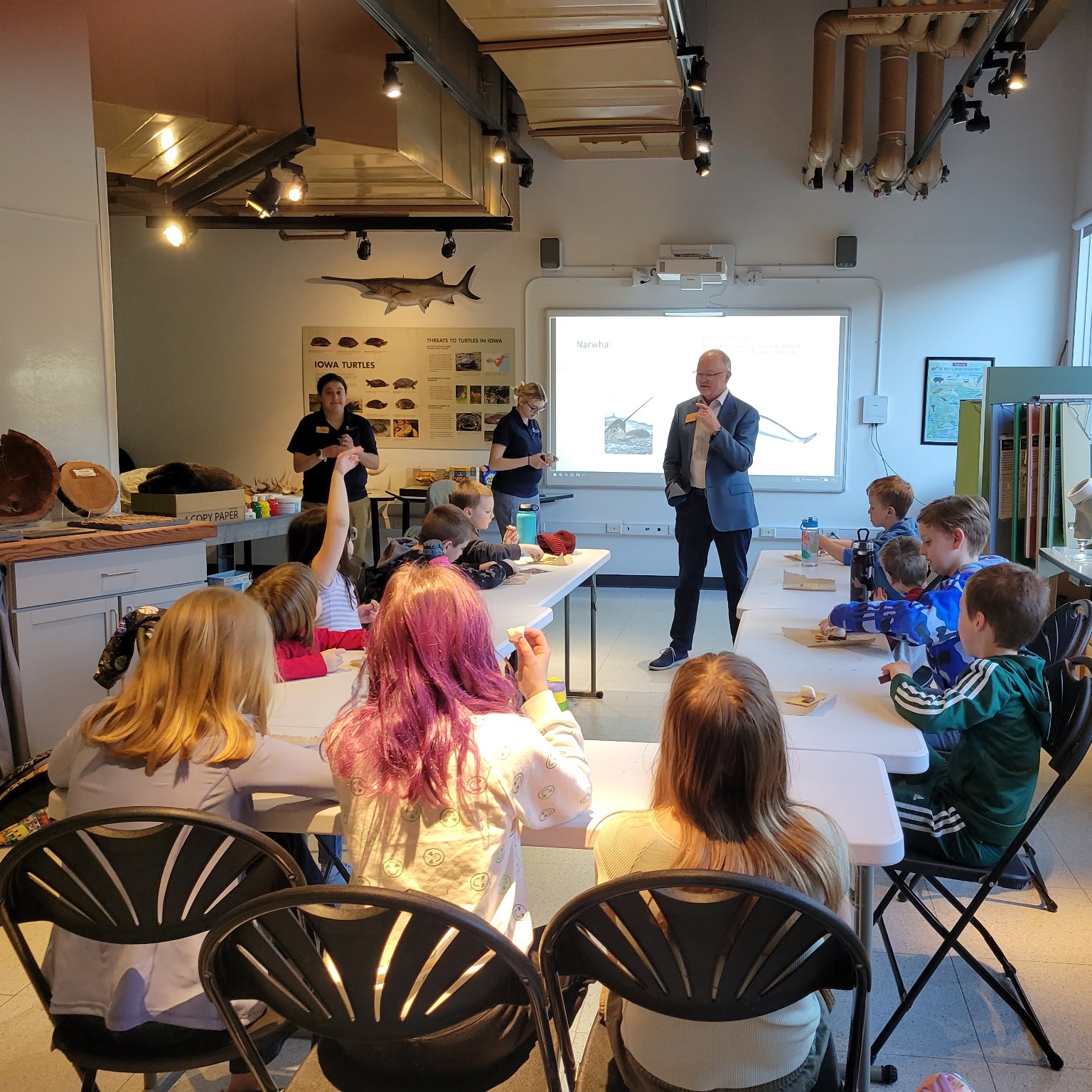
- Engaging day camps provide educational opportunities during school breaks.
- Focus on environmental education, highlighting the role of pollinators.
- Carbon Conscious camp emphasizes environmental stewardship and science.
- Activities are designed to inspire children in grades K-5.
- Registration information and additional resources are readily available online.
The School’s Out Day Camps offer an exciting opportunity for students in grades K-5 to engage with nature and learn about the importance of environmental conservation while enjoying time away from school. These camps are particularly focused on essential topics such as pollinators and sustainability. On designated weekdays when the Dubuque Community School District is not in session, children can participate in stimulating activities tailored to foster curiosity and knowledge.
On April 18, campers can look forward to “Pollinator Power.” During this event, children will learn about the significant roles that bees, bats, and butterflies play in pollination. These creatures not only contribute to the diversity of plant life but are also vital for food production. Pollinators assist plants in transferring pollen from one flower to another, leading to fruit and seed development. This process is crucial for many crops that constitute a large part of our diet, including fruits, vegetables, and nuts.
Understanding the intricate relationships between plants and pollinators enhances a child’s appreciation for biodiversity. Children will participate in hands-on activities that will make abstract concepts more tangible. For instance, they may observe live insects, engage in art projects that depict these essential creatures, or utilize games that simulate pollination. These interactive methods help solidify learning by making it enjoyable and memorable.
The significance of pollinators cannot be overstated. Globally, nearly 90% of flowering plants rely on animals for reproduction. Beyond just bees, bats, and butterflies, birds, beetles, and other insects also contribute to this vital process. Children will gain insight into the environmental threats facing these pollinators, such as habitat loss, pesticides, and climate change. Learning about these challenges fosters a sense of responsibility and passion for wildlife conservation.
Just a few days later, on April 21, the “Carbon Conscious” camp presents another avenue for children to explore environmental science. This event is structured to cultivate interest in how humans interact with their environment and the significance of minimizing carbon footprints. Through discussions and experiments, campers will learn about carbon emissions, climate change, and sustainable practices that can impact their communities.
As part of the program, children may explore renewable energy sources, such as solar and wind power, and engage in activities that simulate energy conservation. For instance, they might create solar ovens to understand how sunlight can be harnessed for cooking or examine local ecosystems to see how different organisms contribute to a habitat’s health. This hands-on approach reinforces lessons on sustainability, enabling kids to contemplate how their actions affect their surroundings.
Teaching children about carbon emissions also involves encouraging them to think critically about their choices. Participants may engage in projects that allow them to calculate their carbon footprints or discuss the environmental impact of everyday activities. Such knowledge empowers them to make informed decisions and advocate for positive change in their households and communities.
Both of these day camps prioritize experiential learning, allowing children to immerse themselves in subject matter that is both pressing and essential for their future. By fostering a blend of education and fun, these programs aim to inspire a new generation of passionate stewards for the environment. A well-informed youth is instrumental in cultivating a society that values conservation and sustainability.
In addition to enriching academic experiences, attending day camps provides children with social opportunities. They create friendships and collaborate on projects, which strengthens their communication skills. Being part of a group can enhance their self-esteem and encourage teamwork. Such social benefits contribute to their overall development and happiness.
Parents can take comfort in knowing that their children are in a safe and supervised environment during these day camps. Highly trained professionals facilitate activities, ensuring that learning is both effective and enjoyable. Safety protocols are in place to create a friendly and nurturing atmosphere for everyone involved.
Registration for the day camps is straightforward and accessible. Interested families can visit the official River Museum website to learn more about the programs and secure spots for their children. The website provides detailed descriptions of each camp, including timelines and pricing options, making it easier for parents to plan effectively.
Taking part in the School’s Out Day Camps not only enriches children’s academic lives but also encourages them to think about their role in environmental conservation. By enrolling in programs like “Pollinator Power” and “Carbon Conscious,” young learners gain valuable insights that can shape their future attitudes toward nature. Children equipped with knowledge about wildlife and sustainability are more likely to grow into responsible adults committed to conservation efforts.
These camps exemplify a progressive approach to education by merging fun with learning. Parents would see great value in their children gaining knowledge on critical issues affecting our environment while being guided by knowledgeable instructors.
Encouraging children to participate in such educational experiences nurtures a lifelong passion for science and the environment. It helps them understand the world around them and their potential impact on it. Fostering curiosity is crucial, as these children could become tomorrow’s conservationists, scientists, educators, or advocates.
Participating in environmental-focused activities during day camps can lead to increased awareness and activism in various aspects of life as children accumulate knowledge. From simple gardening initiatives at home to supporting local wildlife conservation efforts, children who understand the importance of their actions often lead the way in promoting sustainability.
Moreover, the ongoing dialogue about climate change and biodiversity loss highlights the urgency of these educational initiatives. Children exposed to pertinent issues earlier in life are typically more equipped to confront these challenges. Each of the activities designed for the day camps reinforces that message, offering teachers and mentors an avenue to share knowledge about environmental protection.
Whether children are exploring the behaviors of pollinators or learning ways to reduce carbon emissions, these day camps provide a strong foundation for environmental education. Ecological awareness is essential for preserving our planet for future generations, and early engagement can set the tone for lifelong commitment to these values.
The School’s Out Day Camps represent a proactive step toward enriching children’s lives through educational content. Families in the Dubuque area should consider enrolling their children, allowing them to experience the thrill of discovery and foster an understanding of their role within the ecosystem.
Parents can relax knowing that their children are being both informed and entertained. So, as the school year progresses and breaks approach, consider making a positive decision to educate and empower the next generation. Whether it’s the captivating flight of a butterfly or the crucial role of bees, there is much to uncover in these camps. The journey of discovery awaits, and it starts by making the most of the day off school with engaging and informative day camps.
*****
Source Description
Make the most of the day off school with our fun day camps! Our Schools Out Day Camps are geared for students in grades K-5 and take place on weekdays when the Dubuque Community School District is not in session.
Join us on April 18 for Pollinator Power, where kids will learn about the important roles that bees, bats, and butterflies play as pollinators! Discover how these creatures, along with other methods, help plants and flowers transfer their pollen.
Then, on April 21 Carbon Conscious is a camp designed to inspire others about the importance of environmental science!
You can learn more and register at: https://www.rivermuseum.org/schools-out-day-camps
