
- Importance of hydration for human health and well-being
- The role of water in animal physiology and behavior
- Strategies for staying hydrated with fun methods
- Environmental impact of bottled water vs. tap water
- Water conservation and its relevance in wildlife conservation
Hydration is essential for human health and well-being. Water makes up about 60% of the human body and plays a critical role in numerous bodily functions, including regulating body temperature, transporting nutrients, and facilitating digestion. Dehydration can lead to various health issues ranging from fatigue and confusion to more serious conditions like heatstroke. The significance of hydration often gets overlooked, but it is crucial for maintaining physical performance and cognitive function. A daily intake of adequate water can improve mood, concentration, and overall health.
In addition to understanding the human aspect, it is equally important to recognize the role of water in animal physiology and behavior. Just like humans, animals require sufficient hydration for their physiological functions. Different species have evolved various mechanisms to obtain and conserve water based on their environments. For instance, desert animals like camels have adaptations that allow them to survive long periods without water. They can store fat in their humps, which can be metabolized into water. Fish and amphibians, on the other hand, absorb water through their skin to meet their hydration needs. Understanding these adaptations highlights the diversity of life and the universal necessity of water among all living organisms.
When it comes to staying hydrated, there are numerous strategies to make it a fun and engaging process. For example, infusing water with fruits or herbs can not only enhance the flavor but also provide additional vitamins and minerals. Creating a colorful water chart with daily goals can turn hydration into a game. Carrying a reusable water bottle with inspiring quotes can serve as a constant reminder to drink more water throughout the day. Social media campaigns, such as “Stay hydrated, it’s cool,” can further promote awareness about hydration in a compelling and attractive way. It becomes a social activity, where individuals can share tips and tricks, encouraging others to prioritize their health.
The environmental impact of bottled water versus tap water is an essential consideration. The production and disposal of plastic bottles contribute significantly to pollution and waste. Each year, millions of plastic bottles end up in landfills and oceans, where they take centuries to decompose. Conversely, tap water is generally more environmentally friendly and cost-effective. It is regulated and often tested for contaminants, making it a reliable choice for hydration. By switching to tap water or using a filter, individuals can reduce plastic waste and contribute to a cleaner environment. Moreover, choosing tap water supports local water systems and conserves energy, further benefiting wildlife habitats that are often compromised by pollution.
Water conservation is another critical aspect of ensuring adequate hydration for both humans and wildlife. Particularly in drought-prone regions, effective water management practices are necessary to sustain local ecosystems. Conservation measures such as rainwater harvesting, using efficient irrigation systems, and promoting xeriscaping can significantly reduce water wastage. These strategies not only support human water needs but also preserve aquatic habitats vital for many species. When communities prioritize water conservation, they help maintain the delicate balance of local ecosystems, reducing the stress on wildlife caused by water scarcity.
The conversation about hydration links to broader issues of wildlife conservation. Freshwater resources are essential for numerous species. As climate change progressively affects water availability, understanding the importance of water becomes ever more pressing. Each user of water, human or animal, plays a role in the ecosystem’s health.
Engaging in practices such as mindful water usage can lead to a wider impact. By promoting hydration in personal lives, individuals can extend that knowledge to larger conservation initiatives. Awareness campaigns can encourage people to consider the source of their water and recognize the ecosystems that depend on these resources. Furthermore, educating individuals on water-related issues fosters a community of stewards concerned about the future of local and global watersheds.
The efforts to promote hydration, particularly among younger populations, are crucial. By actively educating children and young adults about the importance of water for personal and environmental health, we cultivate a generation that values sustainability. Schools and community organizations can integrate hydration awareness into programs, emphasizing its benefits. Simple actions like carrying a water bottle or using public water fountains can be reinforced to encourage lifelong habits that align with conservation goals.
In summary, hydration plays a pivotal role in maintaining health for humans and animals alike. The importance of water goes beyond mere survival; it is integral to functioning at physical and mental peak performance. Additionally, promoting creative methods to stay hydrated helps shape behaviors and attitudes that honor water’s value. Understanding the environmental implications of bottled versus tap water not only aids personal choices but has far-reaching consequences for ecosystems.
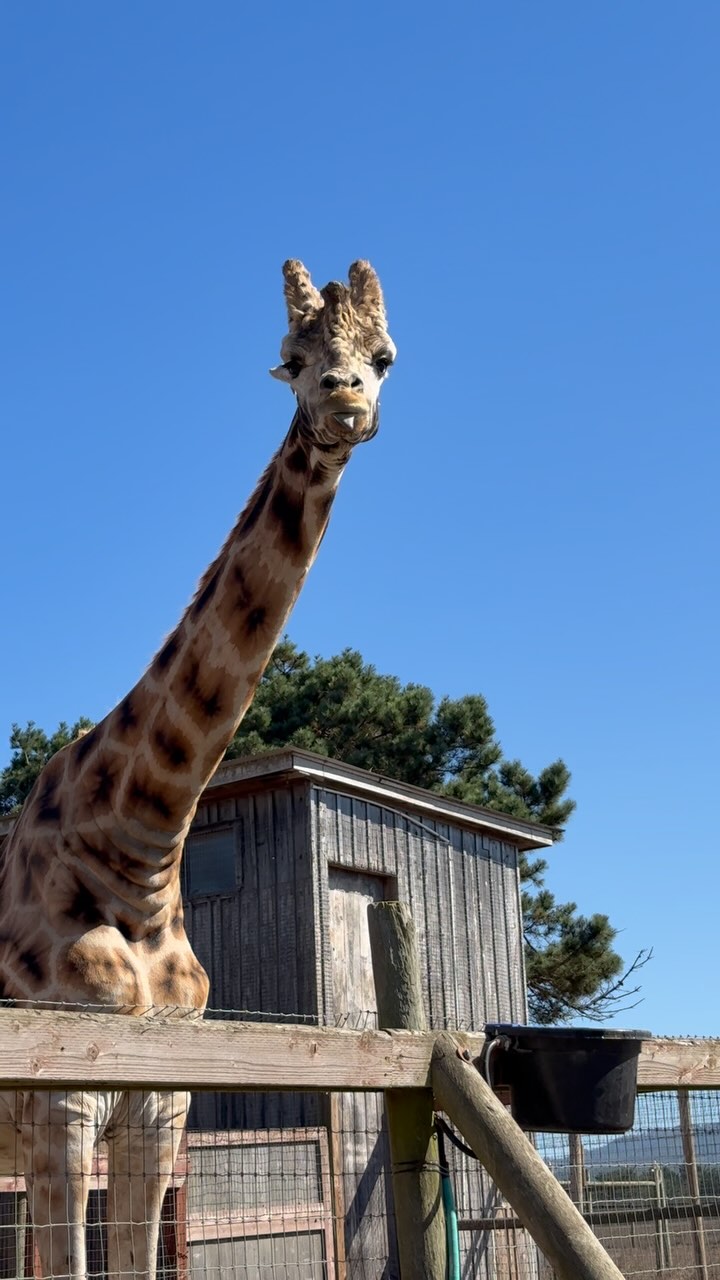
Water conservation is essential for protecting the environment and ensuring that future generations have access to this vital resource. This multifaceted approach extends beyond just the act of drinking water, encompassing broader topics of environmental stewardship and wildlife conservation. By recognizing the interconnectedness of hydration and conservation, individuals can work towards a more sustainable future for all living beings. This shared responsibility emphasizes that staying hydrated is not just a personal endeavor but a community-wide commitment. Embrace the message: “Mazi is here to remind you that staying hydrated is cool, and you look good doing it!” Hydration is vital, and it begins with awareness. Happy Monday, everyone! Don’t forget to drink your water! 💧
*****
Source Description
Mazi is here to remind you that staying hydrated is cool and you look good doing it 😎 Happy Monday everyone and don’t forget to drink your water! 💧
