
- The ecological role of American bison in North American ecosystems
- Celebrating Lily’s 27th birthday as a symbol of conservation success
- The impact of plastic pollution on wildlife and actions for reduction
- The contributions of zoos to wildlife conservation and education
- The importance of World Environment Day in fostering global environmental action
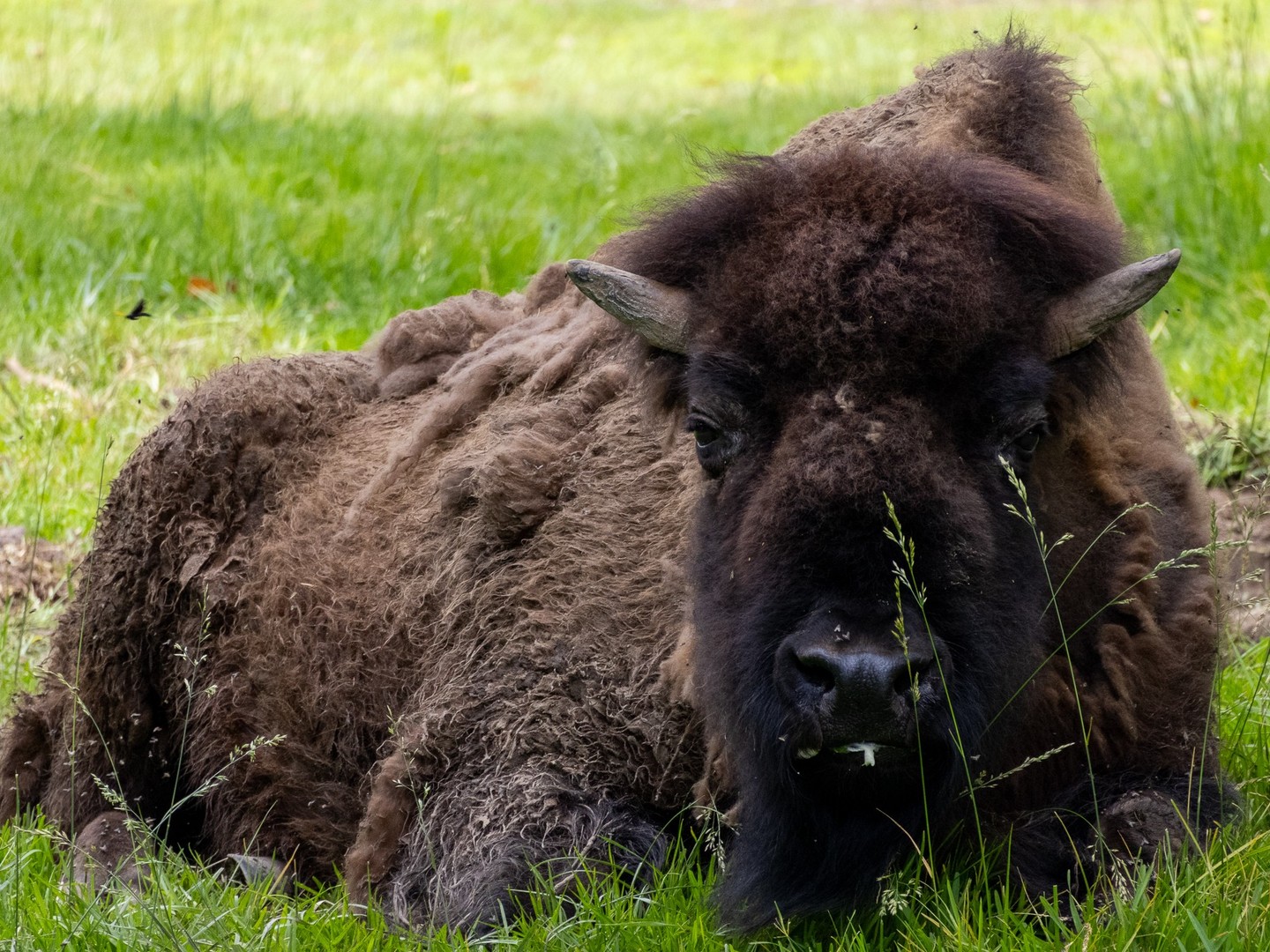
The American bison, a cornerstone of North American ecosystems, has shaped the environment for thousands of years. These formidable creatures, like Lily, are essential to the health of plains and prairies. Bison influence their habitats through their grazing habits, which encourage plant diversity. As they graze, they selectively trim grasses, allowing various plant species to flourish. This activity increases biodiversity, offering numerous habitats for other wildlife.
Moreover, the wallowing behavior of bison creates depressions in the soil, which turn into microhabitats for insects and small animals once filled with water. Such interactions exemplify the interconnectedness of species and their ecosystems. Bison also contribute to nutrient cycling by spreading seeds through their fur and droppings, promoting plant growth across large areas.
Lily’s 27th birthday is a celebration of her life and a testament to conservation efforts. Born in captivity, Lily has lived a life that showcases the critical role zoos play in species preservation. Zoos provide safe environments where bison can thrive, free from threats like habitat loss and poaching. They are also vital in educating the public about the significance of conservation and the species they house.
Conservation breeding programs in zoos help maintain genetic diversity, ensuring sustainable populations for future reintroductions into the wild. Lily represents a bridge between past and ongoing efforts to conserve American bison, reflecting dedication and collaboration among conservationists.
World Environment Day emphasizes collective action toward pressing environmental concerns. This year’s focus on reducing plastic pollution underscores the need for individual and global efforts. Plastic pollution severely affects wildlife, including bison and their habitats. Plastic waste can lead to habitat degradation and pose direct threats to animals that may ingest or become entangled in debris.
Individuals can contribute by minimizing single-use plastics and embracing recycling practices. Opting for reusable products and proper disposal of waste are small but effective steps toward alleviating the plastic burden on ecosystems. By reducing plastic use, individuals help safeguard environments where species like the American bison can thrive.
Zoos play a significant educational role in fostering environmental stewardship. They engage millions of visitors annually, providing insights into bison behavior and conservation. These educational programs highlight the importance of protecting ecosystems and offer practical ways to contribute to sustainability. By inspiring curiosity and understanding, zoos can motivate individuals to become advocates for the environment.
World Environment Day serves as a reminder of the collective responsibility to protect our planet. It calls for reflection and action, emphasizing the impact of individual choices on larger ecosystems. Events like these unite global communities, promoting a shared commitment to environmental sustainability.
In celebrating Lily’s 27th birthday, we honor not just her life but the broader conservation achievements she represents. It is a reminder of the symbiotic relationship between wildlife conservation and human action. As we celebrate, let us commit to reducing plastic pollution and safeguarding the habitats that bison and countless other species call home.
*****
Source Description
What better way to celebrate than with Lily’s 27th birthday! 🥳
American bison, like Lily, have played a pivotal role in many North American ecosystems for thousands of years. The vast distances they travel, their grazing habits, and unique wallowing behavior have contributed to the biodiversity of vegetation and soils benefitting many plants and animals in their environment. 🦬
This year’s World Environment Day calls for collective action to tackle plastic pollution. You can do your part to help Lily and many animals like her by reducing your daily plastic consumption and properly recycling or reusing items when possible!
