
- Introduction to the armadillo sploot as a behavioral phenomenon and its significance in zoology.
- Overview of the three-banded armadillo, specifically focusing on Dahlia, and her unique characteristics.
- Importance of habitat management and environmental enrichment in zoo settings for armadillos.
- Insights into wildlife conservation efforts focused on armadillo species and their habitats.
- Role of educational initiatives in raising awareness about armadillo behavior and conservation.
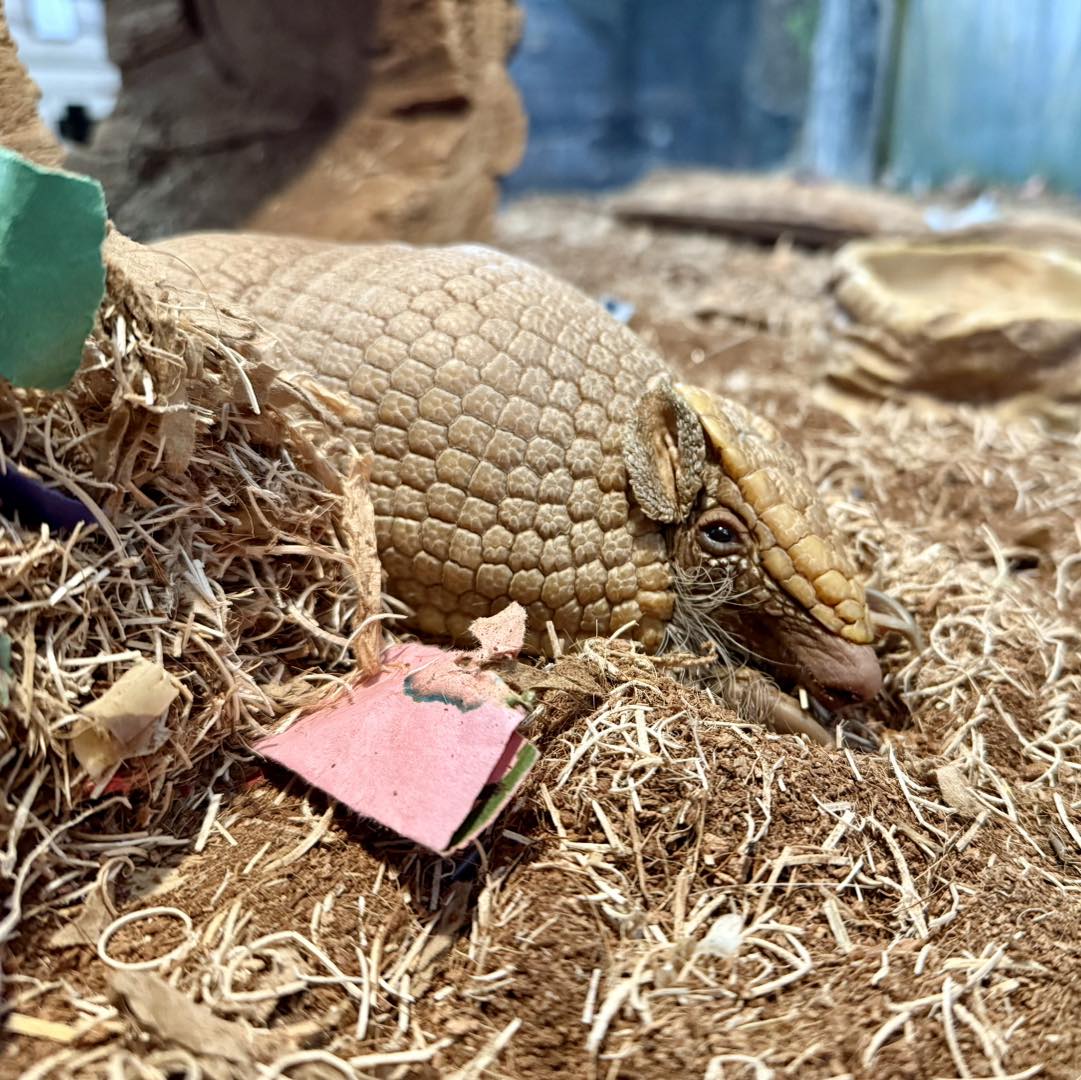
The armadillo sploot is an intriguing behavior often spotted in captive armadillos, including the charming three-banded armadillo named Dahlia. The sploot, characterized by an armadillo laying flat on its belly with legs splayed out, is not just adorable but holds significance in understanding armadillo behavior and welfare. In zoology, observing such behavior can provide insights into the comfort and environmental satisfaction of captive animals.
Armadillos, particularly the three-banded species, exhibit splooting more frequently than their wild counterparts. This behavior is often associated with temperature regulation and comfort. By observing animals like Dahlia, zookeepers can gain valuable information about environmental factors such as humidity and temperature that contribute to an armadillo’s overall well-being. This understanding helps in creating optimal habitats.
Dahlia, the three-banded armadillo, provides an excellent case study. Known for her interactive behavior and adaptability, Dahlia demonstrates many fascinating aspects of armadillo life. These armadillos possess a distinct defense mechanism: rolling into a ball to protect themselves from predators. This unique feature is complemented by their natural curiosity, making them a favorite among zookeepers and visitors. Understanding their behavior patterns is essential for crafting engaging and stimulating environments.
Zoo management places significant emphasis on habitat design and environmental enrichment. Creating spaces that mimic natural surroundings while providing safe zones for exploration is crucial. For armadillos like Dahlia, habitats should include plenty of digging areas and temperature-controlled zones. These features not only enhance physical health but also keep mental faculties sharp, reducing stress-related behaviors.
Environmental enrichment is foundational in promoting natural behaviors. Interactive objects, varied textures, and puzzles stimulate armadillos mentally and physically. Such enrichment ensures they don’t fall into the monotony of captivity. For instance, creating burrowing challenges or introducing novel scents can provide new stimuli for exploration and play.
Conservation of armadillo species plays a vital role in biodiversity. Armadillos face numerous threats in the wild, including habitat destruction and climate change. Conservation efforts ensure the survival of these remarkable creatures. By focusing on habitat restoration and legal protection, wildlife organizations can safeguard armadillo populations.
Public education and awareness are imperative for successful conservation. Zoo programs that highlight armadillo behavior and ecology can inspire visitors to support conservation initiatives. When people observe Dahlia and learn about behaviors like splooting, they develop a connection that can translate into advocacy. Programs may include interactive talks, informative displays, and participatory activities that engage visitors of all ages.
Captive breeding programs also enhance conservation efforts. By maintaining genetically diverse populations, zoos like those housing Dahlia support future reintroduction projects. These programs require collaboration among international conservation bodies to establish best practices and protocols for breeding and care.
Educational initiatives in zoos often extend to schools and community groups. Workshops and lectures equip the public with knowledge about armadillo ecology and conservation needs. By addressing ecological roles and threats, these programs aim to empower individuals to make environmentally conscious decisions. Engaging content can foster a deeper appreciation for armadillos and other wildlife.
In conclusion, the behavior of armadillos, seen through the lens of the sploot and exemplified by Dahlia, provides key insights into animal welfare and conservation. By effectively managing captive environments and promoting conservation ethics, zoos play a critical role in the survival of these fascinating creatures. Each visitor educated is a potential advocate in the mission to protect armadillos and their habitats.
*****
Source Description
Introducing the armadillo sploot🤭
📸Dahlia, the three-banded armadillo, lays down in her habitat.
