
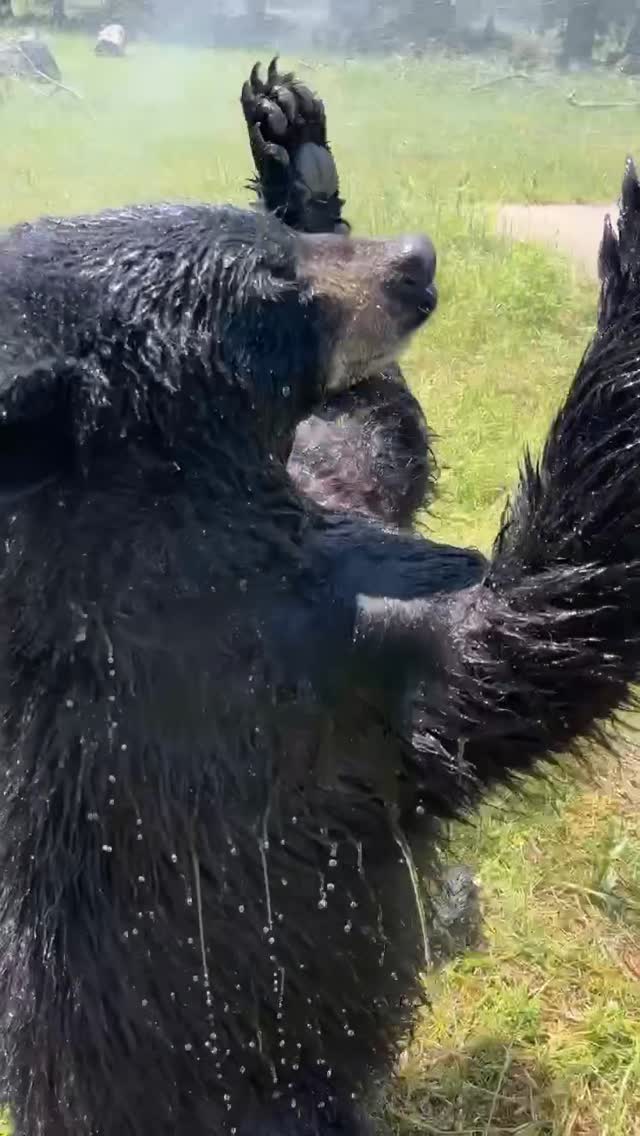
- The significance of summer for wildlife and zoos.
- The impact of sunlight on animal behavior and zoo operations.
- The role of sprinklers and water systems in animal care and habitat maintenance.
- The importance of public engagement and education during summer events.
- Conservation and awareness initiatives that thrive during the summer months.
The arrival of summer brings a welcoming brightness and an abundance of opportunities for both wildlife and visitors at zoos. This season holds tremendous significance for animal behavior, zoo management, and educational programming. The compassionate care provided for animals and the very essence of wildlife engagement expand through these sunny months, emphasizing how sunshine (and sprinklers) stimulates various aspects of zoo operations.
During the summer, many animals exhibit changes in their behavior and activity levels. Higher temperatures prompt some species to become more active, while others may seek refuge in shaded areas or water sources. Diurnal animals, such as lions, bears, and many tropical birds, often display peak activity levels during cooler parts of the day, typically early mornings and late afternoons. Conversely, crepuscular species, including deer and certain rodents, are more active during twilight hours. Understanding how summer influences animal behaviors helps staff ensure that proper care and support systems are in place.
Zoos frequently adapt their operational strategies to account for the fluctuations in animal behavior that summer brings. This includes scheduling feeding times and habitat designs that incorporate cooling elements and shaded rest areas. Providing a conducive environment for animals enhances their welfare and promotes natural behaviors. Research indicates that animals under less stress and in more suitable habitats exhibit greater cognitive function, leading to better health. For example, larger enclosures with features like trees and ponds not only provide comfort for animals but also enhance the visitor experience.
Moreover, sunlight plays a vital role in regulating various biological processes in animals. Ultraviolet (UV) light exposure is essential for many species to synthesize vitamin D, which aids in calcium absorption and supports overall health. In particular, reptiles and amphibians benefit significantly from proper UV exposure, as it impacts their metabolic functions. Zoos routinely assess the habitats provided to different species, ensuring that natural light and shaded areas are balanced to promote health and well-being.
The role of sprinklers and water systems in zoos goes well beyond mere aesthetics; it serves practical purposes essential for animal care and habitat maintenance. Water features, including ponds and sprinklers, create humidity which is critical for species requiring moist environments. For instance, many amphibians thrive in wet conditions, making artificial water flows crucial for their survival in captivity.
Sprinklers can also be instrumental in providing relief during hot spells. For example, elephants often enjoy playing in the water, which not only helps keep them cool but also promotes social bonding among herd members. Proper installation of sprinkler systems also prevents habitat degradation due to excessive heat or lack of moisture. Articles on animal husbandry emphasize that these environmental controls are crucial for maintaining not just individual health but also for supporting larger ecosystems found within accredited zoos.
Summer also marks an important time for public engagement and education. Zoos often host special events, educational programs, and interactive exhibits aimed at drawing in visitors and increasing awareness of wildlife conservation issues. Programs centered around animal care showcase how the natural behaviors of various species are preserved. Live demonstrations, keeper talks, and guided tours educate the public about animal welfare and field conservation efforts, fostering a deeper appreciation for wildlife.
These educational initiatives are vital in the summer months when families are more likely to visit. Engaging communities through enjoyable events allows educational messages to resonate with diverse audiences. Such initiatives often align with global conservation themes, linking local wildlife with broader environmental issues. Educational outreach fuels conversations about habitat preservation, climate change, and species protection, empowering individuals to contribute positively to conservation efforts.
As visitors immerse themselves in these activities and events, they often gain an understanding of the challenges facing wildlife. Conserving natural habitats and endangered species is integral to global biodiversity. Zoos play a significant role in breeding programs that help sustain and, in some cases, revive populations of at-risk species. The recent rise in hybrid models of conservation, combining habitat preservation with public education initiatives, illustrates how summer programs can be leveraged to address pressing ecological concerns.
In addition to educational outreach, the role of volunteers and staff during summer months cannot be overstated. The influx of visitors often encourages organizations to recruit volunteers, who contribute significantly to tasks like guest relations, educational programming, and animal monitoring. Engaging volunteers not only helps enhance visitor experiences but also builds community connections and individual knowledge about the importance of wildlife protection.
Furthermore, outdoor activities that incorporate water play, such as sprinklers for both animals and guests, serve as an engaging focal point. Visitors flock to cooling stations, while animals enjoy refreshing showers that simulate their natural environments. Whether it’s the mist rising from a sprinkler or the joyful splashes of playful animals, such experiences forge memorable connections that resonate long after the summer ends.
As excitement shifts toward environmental stewardship over the summer, zoos help to encourage sustainable practices among visitors. Educational programs often include practical takeaways, such as tips for reducing plastic use or preserving local habitats. With urgent conservation goals in mind, persuasive campaigns can lead individuals to make conscious decisions that positively impact the environment.
Several organizations partner with zoos to tackle broader issues underpinning conservation efforts. Collaborations with local NGOs or environmental organizations amplify outreach potential, increasing the depth and reach of summer programs. These partnerships drive fundraising efforts, enabling zoos to implement more diverse projects that further benefit wildlife both in captivity and in the wild.
Summer at a zoo is an opportune time for meaningful interactions and shared educational experiences. The positive impacts of sunshine extend beyond simple enjoyment; they foster an environment conducive to learning about wildlife conservation. Demonstrating the relationship between sunlight, sprinklers, and animal care conditions provides a solid foundation for understanding broader ecological systems.
In conclusion, the sunshine (and sprinklers) experienced during the summer months creates an ecosystem of vitality within zoos. Enhanced engagement through educational programming, conservation efforts, and innovative habitat designs set the foundation for a fulfilling visitor experience. The synergy between animal behavior and proper care practices emphasizes the interconnectedness of wildlife welfare and public education. As we enjoy the warmth of summer, zoos serve as an important bridge linking humans to the natural world, nurturing an ongoing commitment to wildlife conservation.
*****
Source Description
This sunshine (and sprinkler) makes us want to ACT UP!
We hope you all have a great summer! We miss you already! 😉
