
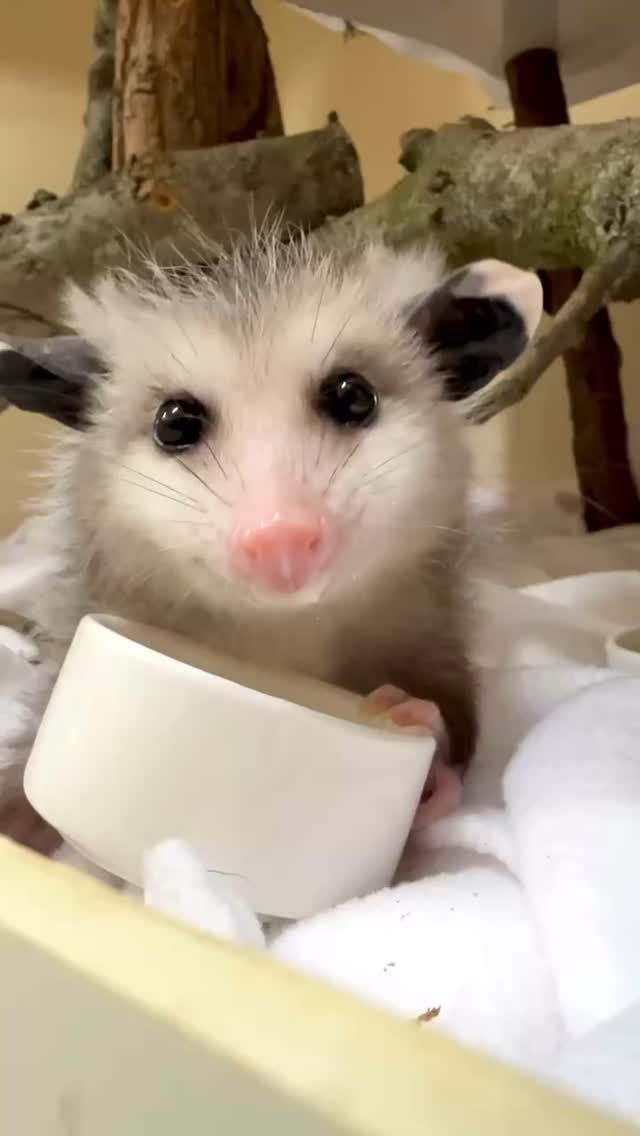
- Understanding the background and significance of Ellie, the orphaned opossum.
- Introduction to opossums and their ecological roles.
- The care and rehabilitation process for orphaned wildlife like Ellie.
- Insights into zoo management and wildlife conservation efforts.
- The scientific and educational importance of naming animals in rehabilitation.
Ellie’s story begins in Ohio, where she was rescued and brought to a wildlife rehabilitation center. Named after the beloved mammoth character from the Ice Age films, Ellie reflects the charm and endearment animals bring into human lives, especially those in need of care and nurture. Despite her challenges, her narrative captivates many, serving as a beacon for wildlife rehabilitation and education.
Opossums, like Ellie, are fascinating creatures. These marsupials are native to the Americas and play a crucial role in their ecosystems. As scavengers, they help control pests and clean the environment by consuming a wide array of insects, decaying matter, and even venomous snakes, as they possess a natural immunity to certain toxins. Their dietary habits make them essential in maintaining the balance within habitats. Despite common misconceptions, opossums are generally beneficial and pose little threat to human environments.
The journey from rescue to rehabilitation is intricate and rooted in understanding and compassion. For Ellie, the road to recovery involved a range of carefully implemented strategies aimed at mimicking natural maternal care, providing appropriate nutrition, and gradually acclimating her to thrive back into the wild. This process requires the concerted efforts of trained professionals who dedicate themselves to wildlife preservation, highlighting the importance of patience and expertise in these fields.
Zoo management plays a pivotal role in wildlife conservation, often acting as a bridge between nature and the public. Facilities that undertake rehabilitation efforts, like those involved with Ellie, serve as vital sanctuaries for orphaned, injured, and endangered animals. These institutions not only provide direct care and support but also educate the public about the significance of wildlife conservation. Through programs and initiatives, they foster a deeper understanding and appreciation of biodiversity, aiming to inspire future generations to participate in conservation efforts.
The naming of rescue animals carries profound scientific and educational value. In Ellie’s case, the name draws a parallel between her and a popular cultural character, sparking curiosity and emotional connection. Naming in this context aids in fostering public interest, enhances educational outreach, and personalizes the plight and the successes of individual animals in rehabilitation programs. It transforms statistics into stories, making conservation efforts more relatable and impactful.
Throughout Ellie’s journey, her story underscores the immense dedication and collaborative effort involved in wildlife rehabilitation. By bringing attention to orphaned animals, conservationists and zoologists work tirelessly to sustain the delicate balance of our natural environments, ensuring that creatures like Ellie not only survive but eventually thrive in their habitats once more. These efforts exemplify a commitment to biodiversity and a testament to the power of human compassion in the realm of wildlife preservation.
*****
Source Description
Meet .. Ellie! Named after the mammoth from Ice Age that thinks she’s an opossum. Ellie is an orphaned baby opossum that came to us from Ohio Wildlife Rehab.
