
- Introduction to the Lesser Hedgehog Tenrec: Biology and Behavior
- Nocturnal Habits and Habitat Preferences
- Importance in Ecosystems and Conservation Efforts
- Role and Care in Zoos and Captive Settings
- Education and Public Engagement
The Lesser Hedgehog Tenrec, scientifically named Echinops telfairi, is a fascinating small mammal that resides natively in Madagascar. As a member of the Tenrecidae family, these creatures hold unique features that intrigue both zoologists and wildlife enthusiasts.
The biology of the Lesser Hedgehog Tenrec showcases a fascinating evolutionary path. Closely resembling hedgehogs, their spiky exterior is a product of convergent evolution rather than direct lineage. They typically weigh between 100 to 200 grams and measure about 13 to 17 centimeters long. These animals possess a keen sense of hearing and an acute sense of smell, vital for survival and foraging.
Lesser Hedgehog Tenrecs are primarily insectivores, feeding on a diet of insects and small invertebrates. Occasionally, they also consume fruits and small vertebrates. Their robust digestive system allows them to extract nutrients effectively from a variety of food sources.
Most notable is their tooth structure, which significantly aids in their diverse diet. The dentition is well-suited to both crunching insects and gnawing tough materials. Understanding these physiological traits allows for improved dietary management and care in captivity.
Being mostly nocturnal, the Lesser Hedgehog Tenrec is more active during nighttime. This adaptation likely evolved as a strategy to avoid daytime predators and exploit different ecological niches. In their natural habitat, these creatures seek refuge during the day in burrows or dense vegetation. In captivity, providing similar conditions such as dark, quiet enclosures helps mimic their natural environment.
Their preference for warm, humid climates aligns with the environmental conditions in Madagascar. Temperature regulation is critical, as tenrecs exhibit torpor, a state of reduced metabolic rate and activity, similar to hibernation. This adaptive trait is essential for energy conservation during cooler or resource-scarce periods.
Ecologically, Lesser Hedgehog Tenrecs play a crucial role in controlling insect populations, acting as natural pest regulators. Their digging behavior, while foraging, also aids soil aeration and nutrient cycling. This dual role contributes to the health of their ecosystem, highlighting their importance beyond mere survival.
Conservation of Lesser Hedgehog Tenrecs is critical, as their habitats face threats from deforestation, climate change, and human encroachment. Preserving their natural environments ensures the survival of these intriguing creatures and maintains ecological balance.
International conservation efforts include habitat restoration and legal protections. Captive breeding programs in zoos aim to maintain genetic diversity and provide research opportunities. Zoos serve as important sites for educating the public about these animals and the broader environmental issues impacting their survival.
In zoo settings, the care of Lesser Hedgehog Tenrecs requires attention to their specific needs. These include a controlled environment that mimics their natural habitat, a varied diet reflective of their wild preferences, and opportunities for natural behaviors such as foraging.
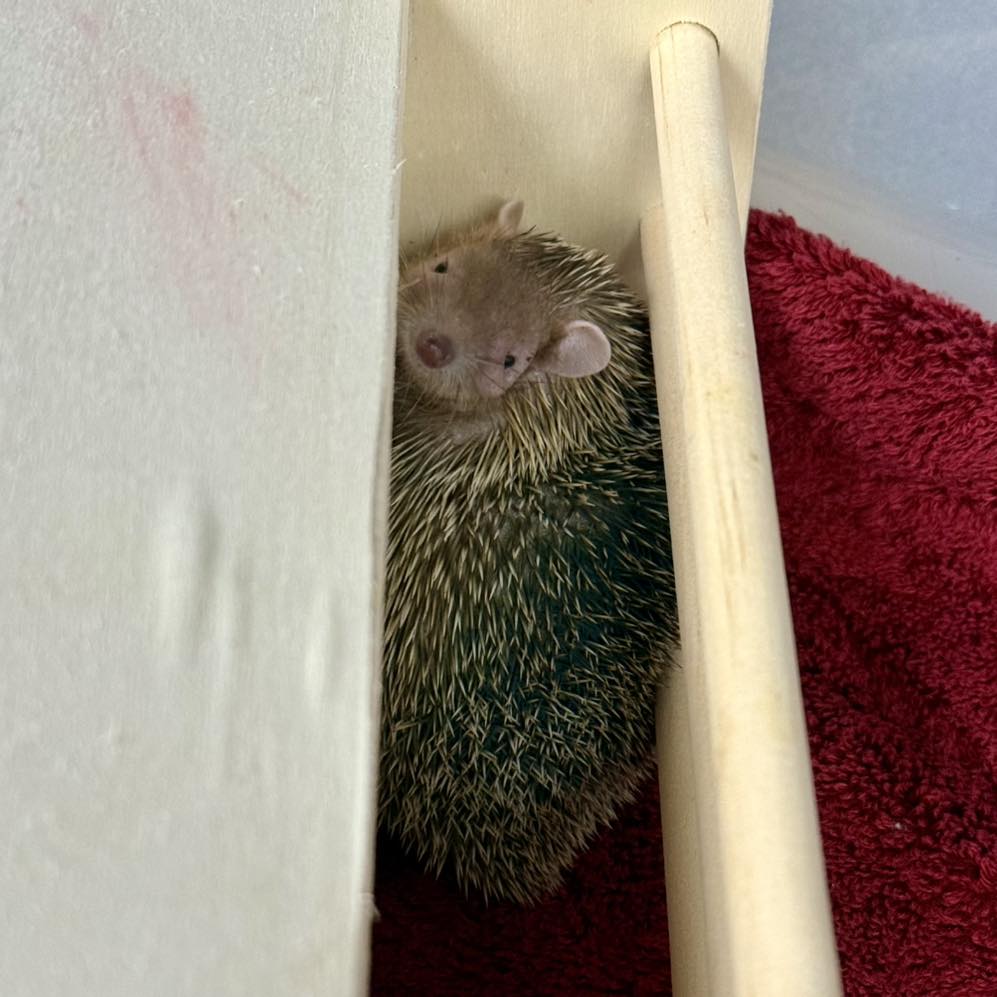
Henrec, our newest resident, showcases these adaptive behaviors. Observing him offers insight into the life of the Lesser Hedgehog Tenrec. Henrec’s presence at the zoo provides a platform for educational initiatives, raising awareness about wildlife conservation.
Public engagement is enhanced through interactive exhibits and educational programs. These efforts aim to inspire visitors to appreciate and support conservation efforts. By understanding and observing creatures like Henrec, people are encouraged to play an active role in preserving biodiversity.
The Lesser Hedgehog Tenrec is a remarkable species that exemplifies the richness of Madagascar’s biodiversity. By integrating scientific understanding with public education, we can foster a world that values and protects these extraordinary creatures. Through careful management and conservation, we strive to maintain their presence both within their natural habitats and in educational facilities worldwide.
*****
Source Description
Have you met our newest resident, Henrec, yet?🥹
Lesser hedgehog tenrecs like Henrec are mostly nocturnal, so they can be pretty hard to spot in the daytime. However, if you’re lucky, you may spot snuggled up inside one of his favorite hides during your next visit🥰
