
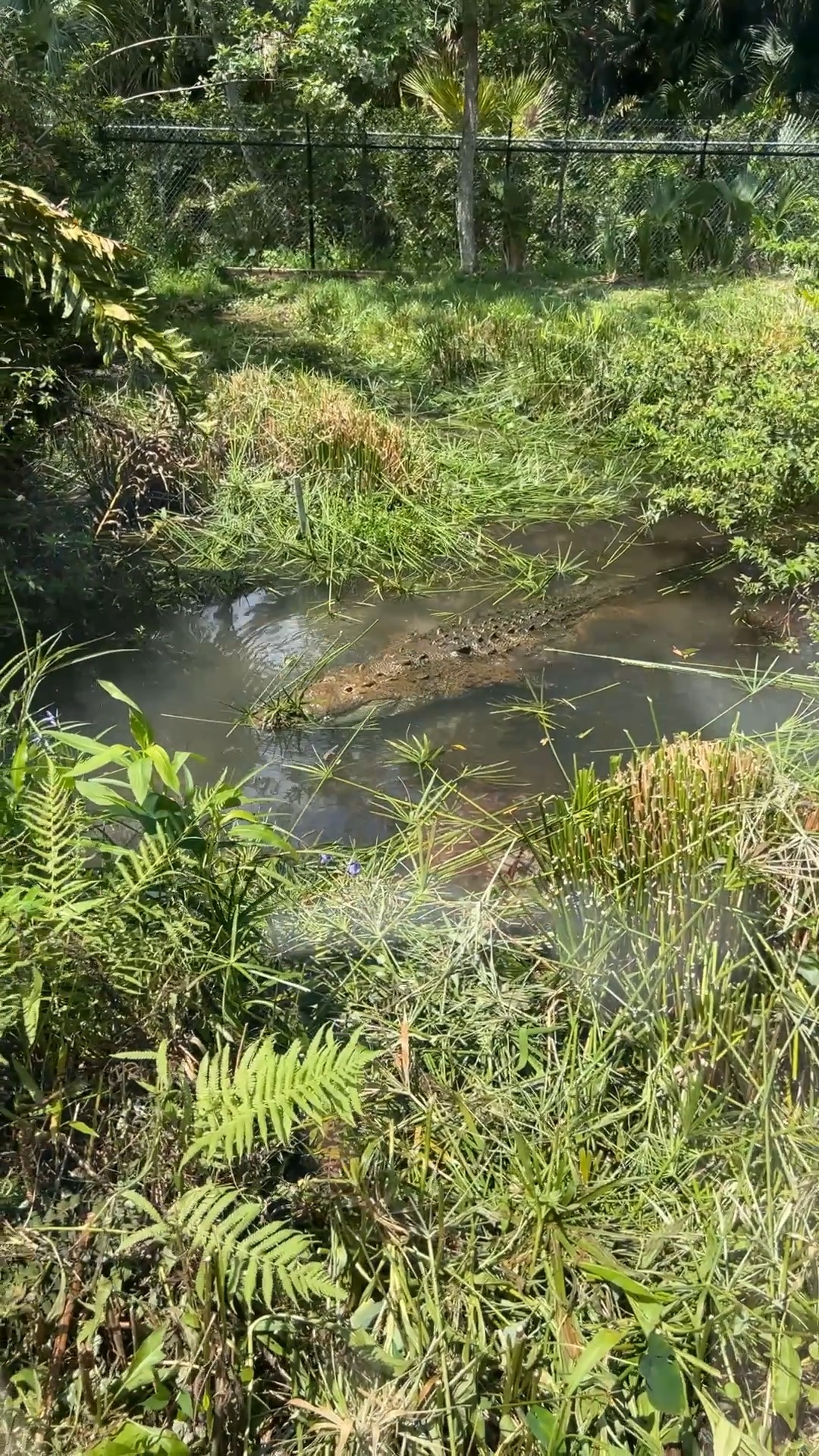
- The unique characteristics and behaviors of Marley, the North American crocodile.
- The habitat requirements and environmental needs of North American crocodiles.
- The threats these reptiles face in the wild and the importance of conservation efforts.
- Insights into the role of zoos and wildlife parks in educating the public and fostering species protection.
- The significance of Marley’s age and size in understanding crocodilian biology and behavior.
The North American crocodile, represented by Marley, is a remarkable species with intriguing characteristics. Marley, at around 50 years old and measuring over 15 feet in length, exemplifies the impressive size and longevity that many crocodiles can achieve. These reptiles are more than just ancient predators; they play crucial roles in their ecosystems and carry fascinating biological traits.
The physical characteristics of the North American crocodile are striking. Adults typically have long, slender bodies covered in a tough, scaly skin that serves multiple purposes, including protection from environmental conditions and aiding in camouflage. Marley’s considerable length is indicative of a well-nourished individual, as adult males can grow significantly larger than females. Their coloration, usually a mix of green and brown, allows them to blend seamlessly into their natural environments, making them effective ambush predators.
Behaviorally, Marley and other North American crocodiles exhibit a complex set of interactions with their environment. They are mainly nocturnal hunters, preferring to feed during the cooler hours of the night. This behavior can reduce competition with other predators and minimize exposure to temperatures that could lead to overheating. Like many reptiles, they are ectothermic, meaning their body temperature is regulated by the surrounding environment. This reliance on external heat sources influences their activity levels and habitat choices.
Understanding the habitat requirements of the North American crocodile reveals much about their survival. These animals are primarily found in coastal areas, brackish water lagoons, and freshwater lakes. They require access to both fresh and saltwater, which is vital for their feeding and mating behaviors. Marley’s habitat would ideally consist of wetlands rich in fish, crustaceans, and small mammals, ensuring a diet that sustains his impressive size and age.
Despite their adaptability, North American crocodiles face numerous threats that jeopardize their populations. Habitat loss due to urban development, pollution, and climate change have dramatically reduced their numbers in some regions. Additionally, illegal hunting and poaching contribute significantly to the decline of wild populations. Conservation initiatives are vital for addressing these challenges. Organizations focused on preserving natural habitats and enforcing regulations against illegal hunting help protect these animals and ensure their survival.
In this context, zoos and wildlife parks play a critical role in education and conservation. By housing spectacular animals like Marley, these institutions provide opportunities for visitors to learn about crocodilians’ biology, behavior, and the pressing need for habitat protection. Educational programs can inspire a deeper appreciation for wildlife, motivating people to engage in conservation efforts outside the walls of these facilities.
In a well-managed zoo environment, animals like Marley can thrive. They receive expert care that considers their nutritional needs and behavioral health. This care contributes to their longevity and overall well-being, allowing these animals to continue serving as ambassadors for their species. The knowledge gained from observing such individuals can benefit broader conservation strategies aimed at sustaining wild populations.
Marley’s age offers insights into the biological processes of crocodilians. Understanding the aging process of crocodiles can inform researchers about their growth rates, reproductive strategies, and health indicators in the wild. These aspects are crucial for creating effective management programs aimed at protecting wild populations. Furthermore, studying long-lived individuals like Marley can provide valuable information on how environmental changes, such as climate shifts and habitat degradation, impact health and behavior within wild crocodile populations.
Communication and social interactions among crocodiles are also fascinating. While typically solitary, these reptiles can demonstrate complex social hierarchies, especially during mating seasons. Males often engage in vocalizations and display behaviors to assert dominance and attract females. Observations of Marley may shed light on these interactions, revealing important social dynamics that could influence reproductive success and territorial behavior.
The North American crocodile is an important predator within its ecosystem. They help control populations of other species, ensuring a balanced food web. For instance, by preying on fish populations, they can help maintain healthy aquatic environments. Additionally, their nesting behaviors contribute to the health of their habitats by aerating the soil and allowing for the growth of vegetation. Thus, protecting crocodile populations supports a wide range of other species in the ecosystem.
Anthropogenic impacts are largely driving the decline of North American crocodiles, highlighting the importance of public awareness and advocacy. Campaigns aimed at educating the general public about these reptiles can foster a greater understanding of their ecological roles and encourage supportive policies for conservation efforts. Engaging communities in local conservation initiatives serves to create stewards for the environment who are likely to advocate for protective measures, ensuring that species like Marley can continue to thrive.
In examining reptiles like Marley, it is also essential to explore the adaptations that have allowed crocodilians to survive for millions of years. Their excellent swimming abilities, coupled with powerful jaws and agile bodies, contribute to their efficiency as hunters. Over time, these traits have enabled them to occupy multiple ecological niches, from freshwater lakes to coastal areas. Understanding these adaptations informs conservation strategies that consider different habitats necessary for crocodilian survival.
Captive breeding programs initiated by zoos also play an essential role in species conservation. These programs can provide a genetic reservoir for future reintroductions into the wild. By ensuring genetic diversity within populations, conservationists enhance the resilience of species to environmental changes and disease pressures. Marley, through his impressive lifespan, may be part of these conservation efforts by educating the public about the importance of genetic diversity and population sustainability.
The interactions between wildlife parks and conservation organizations underline the significance of partnerships in promoting biodiversity. By collaborating on projects that protect habitats and restore breeding populations, both entities can maximize their impact on conservation initiatives. Through research, advocacy, and direct action, these organizations work synergistically to create a sustainable future for species like the North American crocodile.
The stories of individual animals, like Marley, have transformative power. They serve as focal points for discussions about broader environmental issues. As the public learns about the threats faced by crocodiles and the importance of their ecosystems, they may be motivated to participate in conservation efforts. Engaging storytelling around Marley’s life highlights the fragility of these ecosystems and drives the urgency for active conservation measures.
Zoos and wildlife parks are not standalone entities; they are part of a network of global efforts to preserve biodiversity. As such, they must adapt to reflect changing environmental conditions and ensure the preservation of species like the North American crocodile. Strategies may include habitat restoration projects, stricter regulations against poaching, and community engagement initiatives aimed at fostering a conservation mindset.
Promoting sustainable practices is integral for protecting crocodile habitats. Reducing pollution, advocating for responsible development, and ensuring clean water sources can help secure a future for these reptiles. The collaboration of local communities, governments, and conservationists will create stronger foundations for these efforts, ultimately leading to improved outcomes for the North American crocodile.
Animal ambassadors like Marley play a pivotal role, highlighting the connections between humans and wildlife. Their presence in educational contexts raises awareness and encourages a sense of responsibility towards preservation efforts. Marley’s story can remind us of our collective impact on the environment and the importance of fostering loving, respectful relationships with nature.
The life of Marley, while extraordinary, encapsulates broader ecological themes relevant to understanding North American crocodiles. His experiences show how human activity can influence wildlife, and the conservation challenges that arise due to environmental degradation. In unraveling these issues, we can better inform our approach to wildlife preservation.
By focusing on education, conservation, and community involvement, we can aim to protect species like Marley and their habitats for future generations. The legacy of this ancient predator teaches us the importance of nurturing biodiversity in our world. Through dedicated efforts, it is possible to ensure that the North American crocodile remains a vital part of our natural landscapes.
*****
Source Description
This isn’t your average grandpa 🐊 Marley the North American crocodile is around 50 years old and over 15 feet long — and yes, he’s still got it.
.
.
.
