
- The benefits of a summer trip to the zoo
- Animal interactions and educational opportunities
- ADA accessibility features
- Importance of wildlife conservation
- Fun-filled activities for families at the zoo
The benefits of a summer trip to the zoo extend beyond mere entertainment. A visit to the zoo can serve as an immersive educational experience for individuals of all ages. The summer break is an ideal time to engage with nature and learn about various species. Zoos provide a unique opportunity to observe animals in a controlled environment, where educational signage and staff presentations deepen the understanding of wildlife.
Visiting the zoo allows families to explore the intricacies of animal behavior and habitats. In this summer setting, the zoo becomes a great platform for discussions about the environment and conservation. Research has shown that regular exposure to nature enhances cognitive development in children, stimulates curiosity, and encourages respect for the natural world. These benefits combine effectively during a visit to the zoo, making it a productive way to kick off summer break.
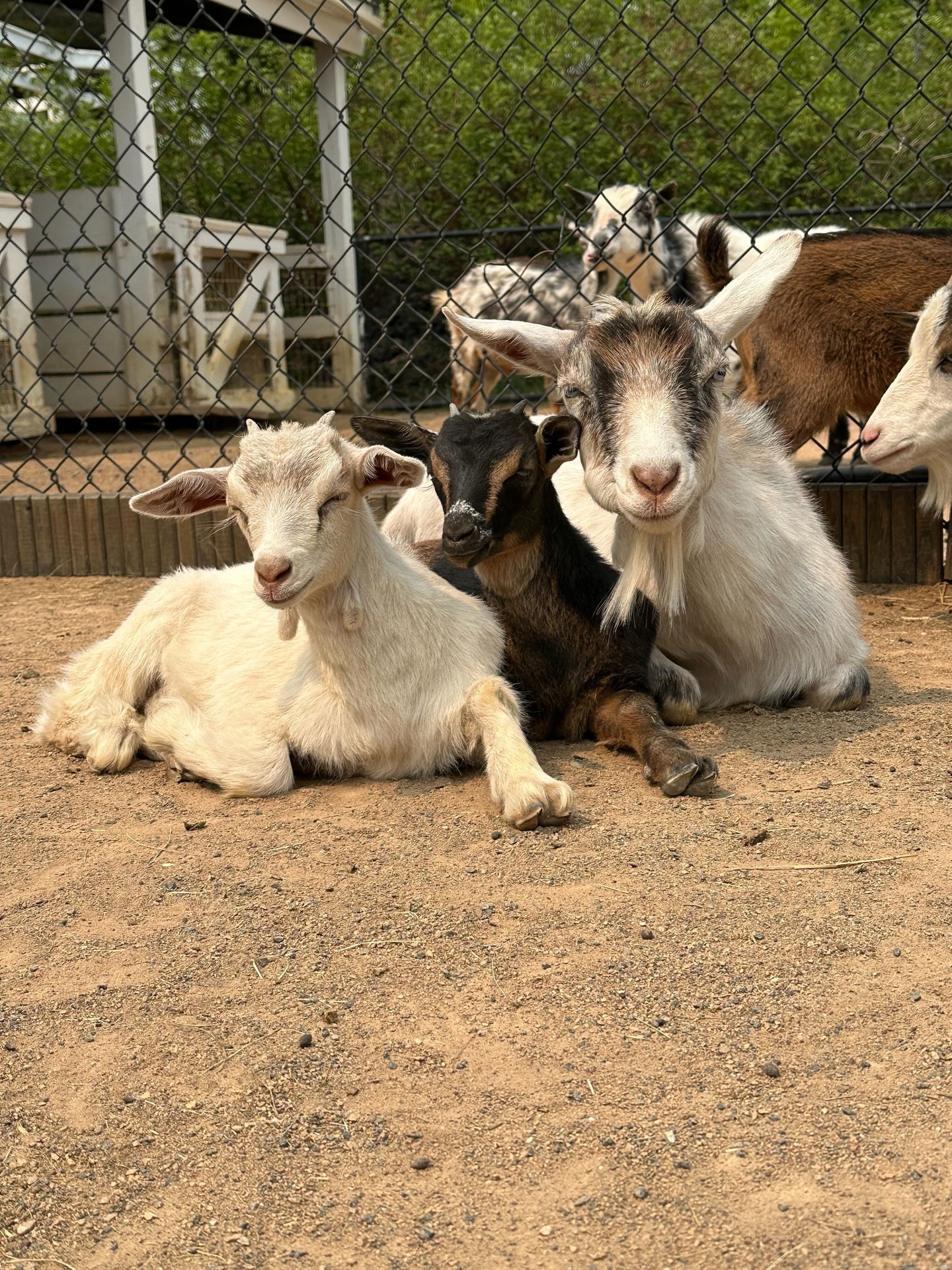
Animal interactions and educational opportunities are at the forefront of any visit to the zoo. For instance, feeding experiences with animals such as brown bears, otters, or the barnyard crew provide an unforgettable experience. Many zoos offer supervised feeding sessions, allowing attendees to learn about the dietary needs of various species. This hands-on approach makes learning about animal care and nutrition not only informative but also engaging.
In addition to feeding, zoos often host presentations and daily shows that educate the public about conservation efforts and animal behaviors. Topics may include species survival plans, habitat preservation, and the roles animals play in their ecosystems. Engaging with zookeepers can further enrich the experience, as they can share valuable insights and stories about the individual animals in their charge.
ADA accessibility features are crucial in modern zoos, allowing individuals with disabilities to enjoy all that the zoo has to offer. The introduction of ADA-compliant facilities, such as ramps, accessible viewing areas, and restrooms, makes it easier for everyone to engage in the experience.
Many zoos have also implemented accessible transportation options. For example, riding an ADA-accessible train around the zoo can enhance the experience for visitors with mobility challenges. This accommodation is vital for ensuring that all visitors can engage fully with the zoo’s offerings. Various attractions are typically structured to be accessible while providing a fun atmosphere.
The importance of wildlife conservation is a significant aspect of any zoo visit. Zoos serve as more than just places to see animals; they often play a critical role in global conservation efforts. Many zoos are involved in breeding programs for endangered species, research initiatives, and outreach efforts aimed at educating the public about conservation challenges. The narrative around wildlife conservation is crucial for understanding the complexity of ecosystems and the importance of preserving them for future generations.
Many zoos contribute to breeding programs for species such as the Amur leopard, which faces threats from habitat loss and poaching. These programs aim to stabilize populations and sometimes reintroduce animals into their natural habitats. Educational signage often covers these efforts, informing the public about the struggles many species face and the collaborative actions required to protect them.
Fun-filled activities for families at the zoo make summer an exciting time for all. Aside from animal interactions, many zoos provide play areas, picnic spots, and themed events throughout the summer months. These activities can range from educational workshops to special animal presentations, allowing families to spend an entire day immersing themselves in the wonders of nature.
Families can participate in scheduled events such as photo opportunities with animals, presentations by zookeepers, or interactive sessions that may include crafts or games oriented around animal care and conservation. A typical day can be enriched by exploring themed exhibits and learning about global biodiversity. For example, visitors can meet the fossa brothers, Koto and Mahaka, and Danny the capybara, which adds a personal touch to the educational experience.
Overall, a trip to the zoo possesses multifaceted benefits that make it an ideal way to kick off the summer break. It creates opportunities for engagement with nature while promoting education about wildlife. Families can enjoy interactive experiences, celebrate conservation efforts, and discover the importance of protecting our planet and its inhabitants.
In summary, visiting the zoo can be both an entertaining adventure and an educational opportunity for all ages. It is a meaningful way to connect with wildlife, appreciate conservation efforts, and enjoy quality family time in a beautiful and engaging environment. By selecting a trip to the zoo, families can create lasting memories while expanding their understanding of the animal kingdom and the delicate balance of ecosystems. So, as summer break approaches, consider making a trip to the zoo part of your plans. It promises to be a day filled with joy, learning, and connection with nature.
*****
Source Description
How are you kicking off Summer Break? We suggest a trip to the Zoo!
🌞 Enjoy the beautiful day
🥜 Feed brown bears, otters or the barnyard crew (or all three!)
🚂 Ride our ADA accessible train
🐾 Meet fossa brothers Koto and Mahaka and Danny the capybara!
There is so much to explore, explore MORE at LSZoo!
Thank you to Keeper Jess for this adorable family photo of Tulip and her sweet twins!
